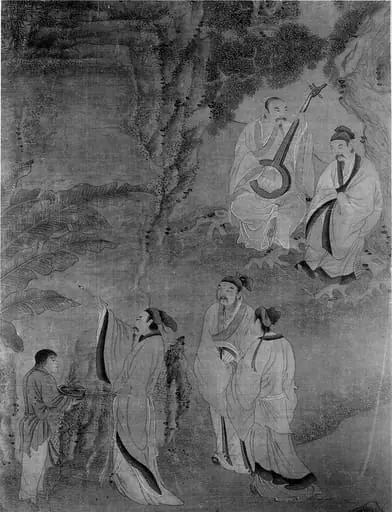
Artwork
Untitled
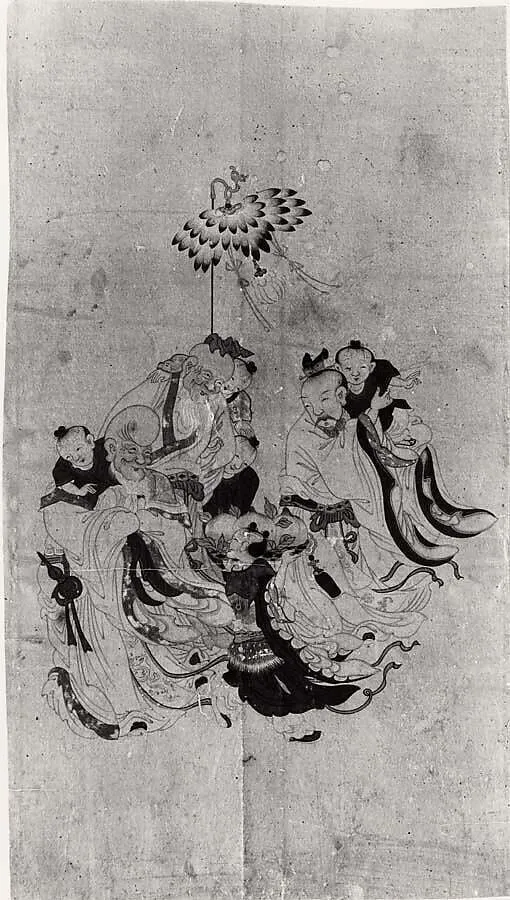
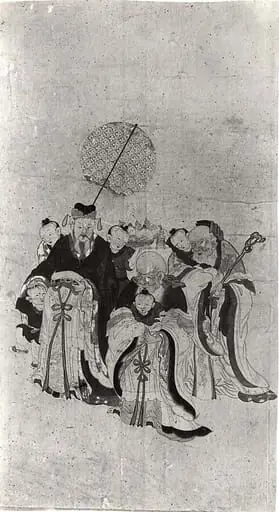
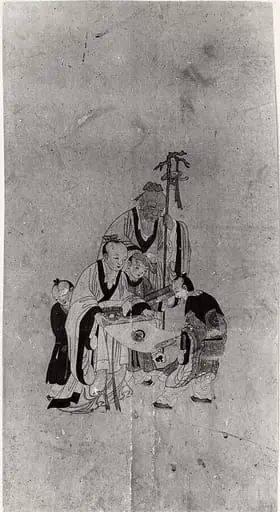
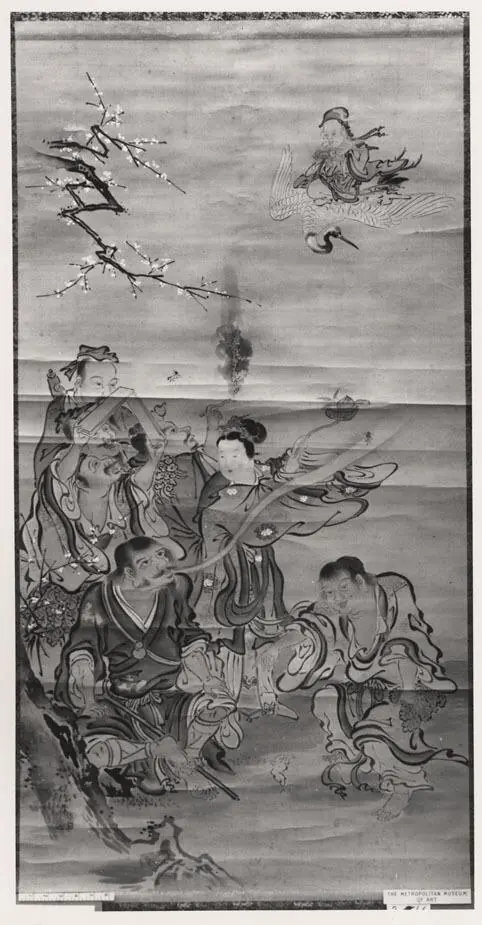
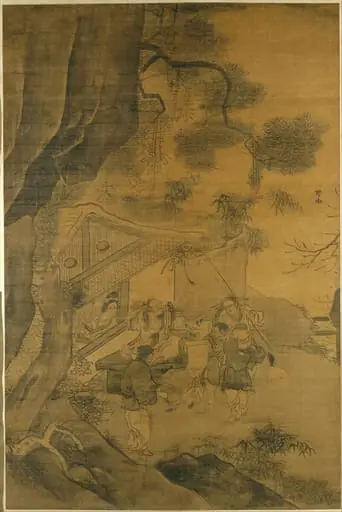
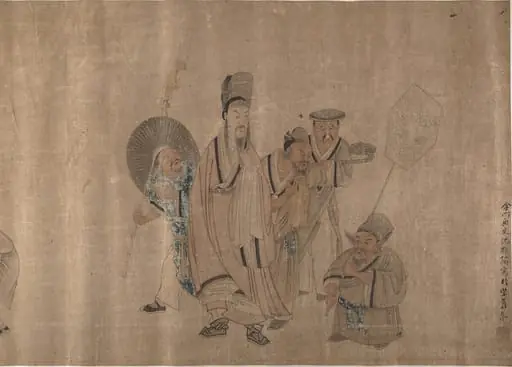
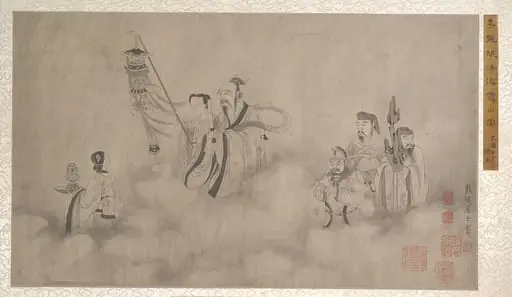
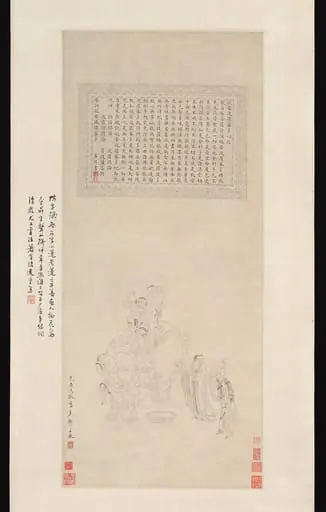
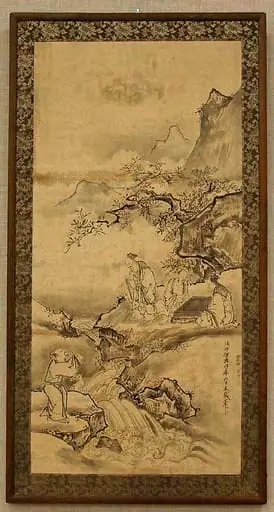
Untitled is an ink painting. It dates from 1849 and is held in the collection of the Metropolitan Museum of Art. This album leaf, executed in ink and color on paper, presents a domestic scene populated by adult men and children.
About this work
The details in the painting are interesting because they give us a glimpse of what life might have been like in Korea during the 19th century.
This painting shows men and children in a scene that looks like it's set in Korea.
The details in the painting are interesting because they give us a glimpse of what life might have been like in Korea during the 19th century. The artist included many small details, like the clothes people are wearing and the things they're doing.
You can learn more about this kind of artwork by looking at the technique of cross-hatching.
Overview
This album leaf, executed in ink and color on paper, presents a domestic scene populated by adult men and children. Though untitled, the composition captures a moment of everyday life that appears to be set in Korea during the nineteenth century, offering a visual record of period attire and activity.
Subject & Meaning
The figures are engaged in routine tasks, their clothing rendered with careful attention to pattern and form. By depicting ordinary people rather than elite or mythic subjects, the work reflects an interest in the lived experiences of Korean society, emphasizing communal bonds and the rhythms of daily labor.
Technique & Style
The artist employs fine cross‑hatching to build texture and tonal variation, a method common in East Asian brushwork. Ink outlines define the forms, while subtle washes of color add depth without overwhelming the line work, creating a balanced interplay between detail and suggestion.
Context
Created in the nineteenth century, the leaf aligns with a period when Korean visual culture increasingly documented local customs. Album leaves served as portable records, often exchanged among scholars and collectors, and this piece contributes to our understanding of how Korean life was visually chronicled before the advent of photography.
Artist & collection