Artwork
Two Children with Toys
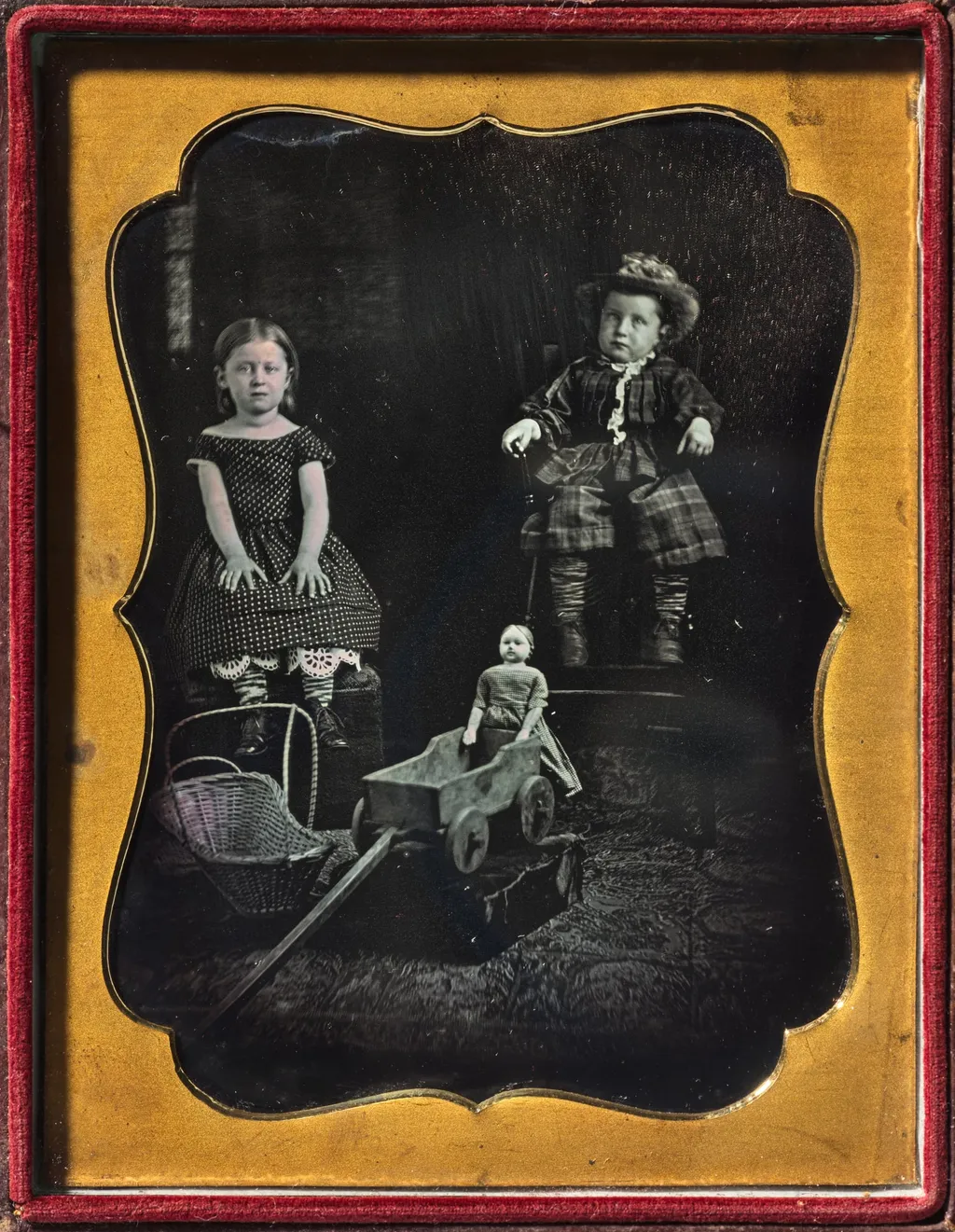
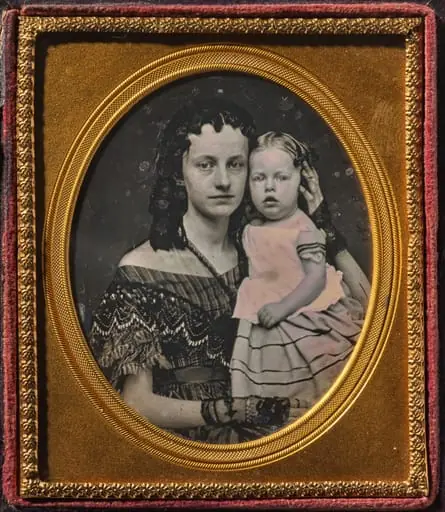
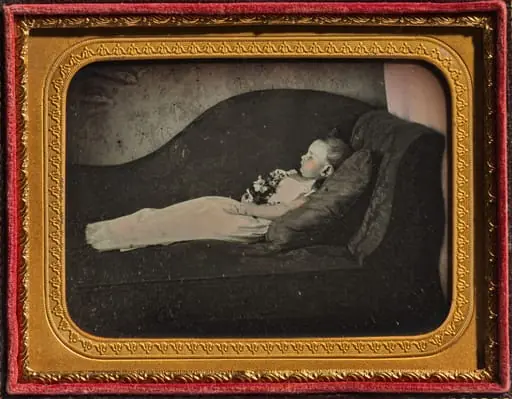
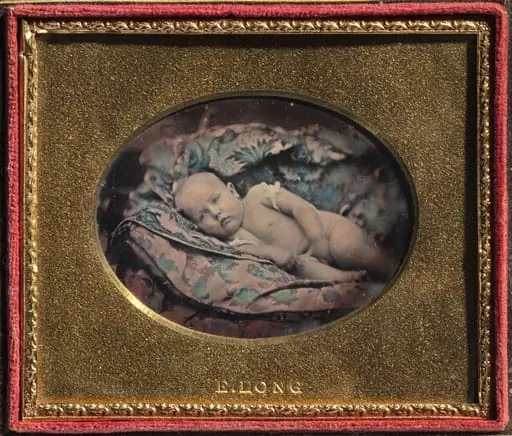
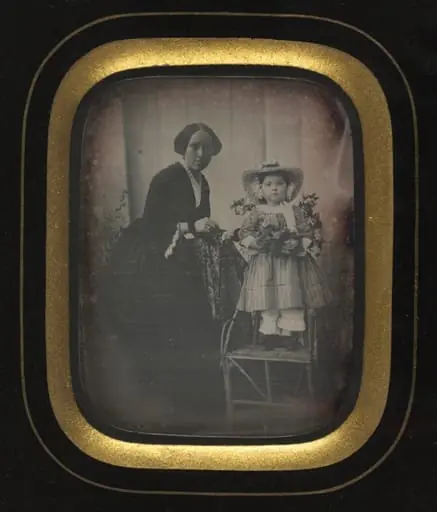
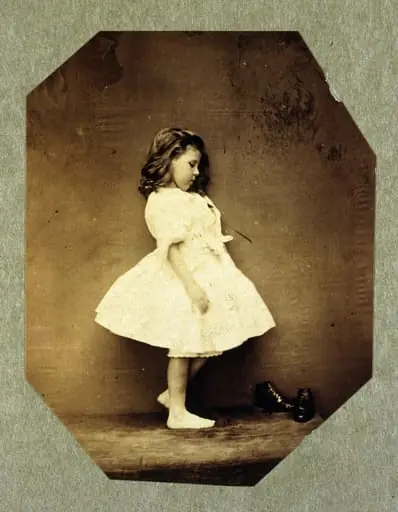
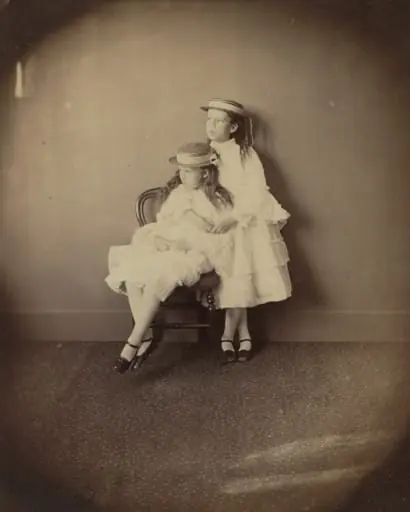
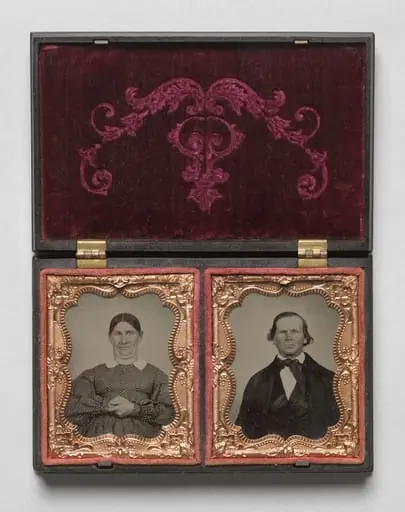
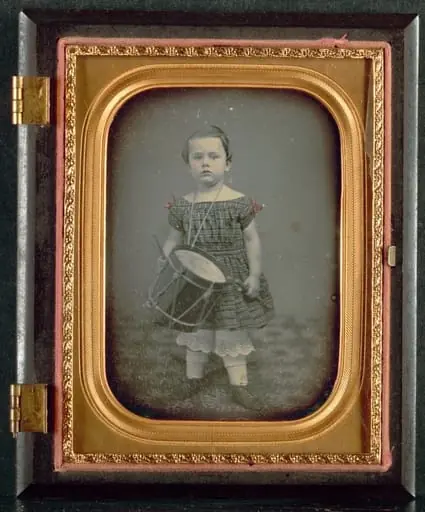
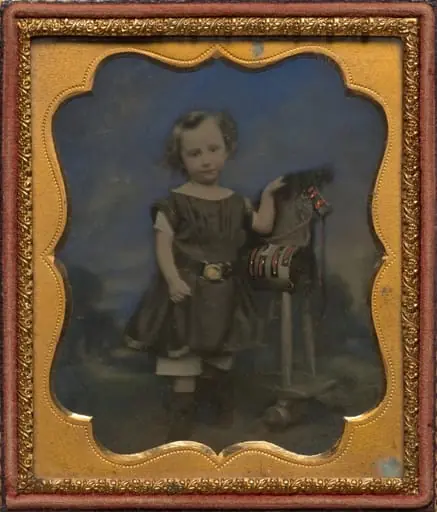
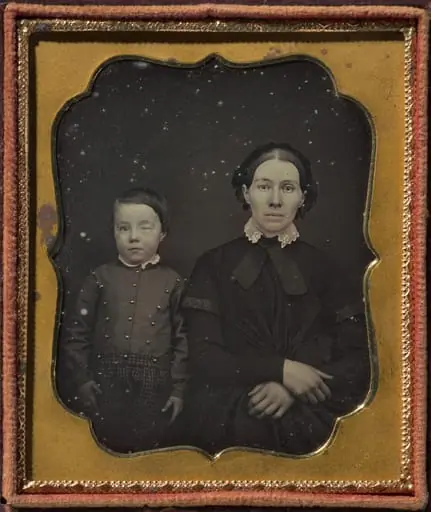
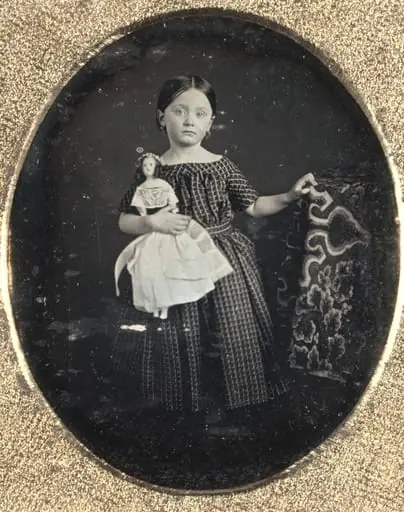
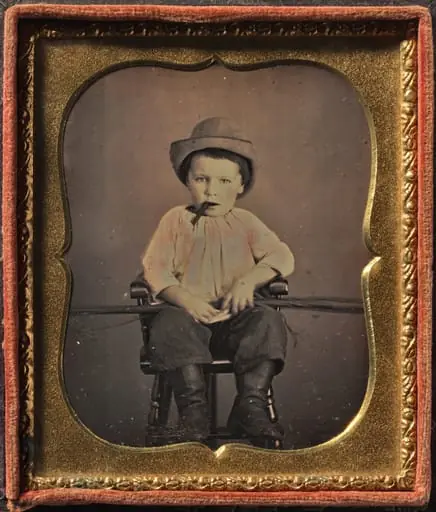
Two Children with Toys is a photography by the Impressionist artist Unidentified Photographer. It dates from 1855 and is held in the collection of the Cleveland Museum of Art. Taken around 1855, this photograph captures two children engaged in play, their expressions lively and unguarded.
About this work
The photo is old, from around 1855, and it's interesting because it shows how people used to take pictures of their kids to remember them.
This painting shows two kids playing with toys.
They look happy and lively.
The photo is old, from around 1855, and it's interesting because it shows how people used to take pictures of their kids to remember them.
This was a common practice back then, especially since many children didn't live past age five.
Photography helped parents keep memories of their kids.
You can learn more about old photos like this one by looking into the technique of sfumato.
Overview
Taken around 1855, this photograph captures two children engaged in play, their expressions lively and unguarded. Unlike the more common post-mortem portraits of the era, this image presents children in active, joyful moments rather than in stillness or death. It reflects a less documented but equally significant use of early photography: preserving the vitality of childhood during a time of high infant mortality.
Subject & Meaning
The children are depicted with toys, suggesting a moment of ordinary domestic life. Their interaction implies affection and spontaneity, contrasting with the formal, posed portraits typical of the period. This image may have served as a cherished keepsake for parents aware of the fragility of life, offering a tangible memory of their children’s health and playfulness.
Technique & Style
The photograph exhibits the soft tonal range and long exposure times characteristic of mid-19th-century daguerreotypes or calotypes. Natural light likely illuminated the scene, capturing subtle textures in fabric and skin. The composition is informal, with no studio backdrop, indicating a domestic setting and a shift toward candid documentation over staged portraiture.
History & Provenance
The photograph’s origin is undocumented, but its style aligns with early American or European family photography of the 1850s. Few such candid images survive, as most photographic efforts focused on formal or post-mortem subjects. Its preservation suggests it was valued by the family, possibly passed down as a personal relic rather than a public display.
Context
In the 1850s, childhood mortality rates were high, and photography became a tool for memorializing the living as much as the dead. While post-mortem images were widespread, photographs of healthy children at play were rarer and more intimate. This image represents a quiet resistance to loss — a record of life as it was lived, not as it ended.
Legacy
This photograph contributes to a broader understanding of how early photography shaped familial memory. It reveals that not all child portraits were mournful; some celebrated vitality. Its survival offers insight into private emotional practices of the time, challenging assumptions that early photographic culture was dominated solely by grief.
Artist & collection
Artist