Artwork
Mother with son with blind right eye
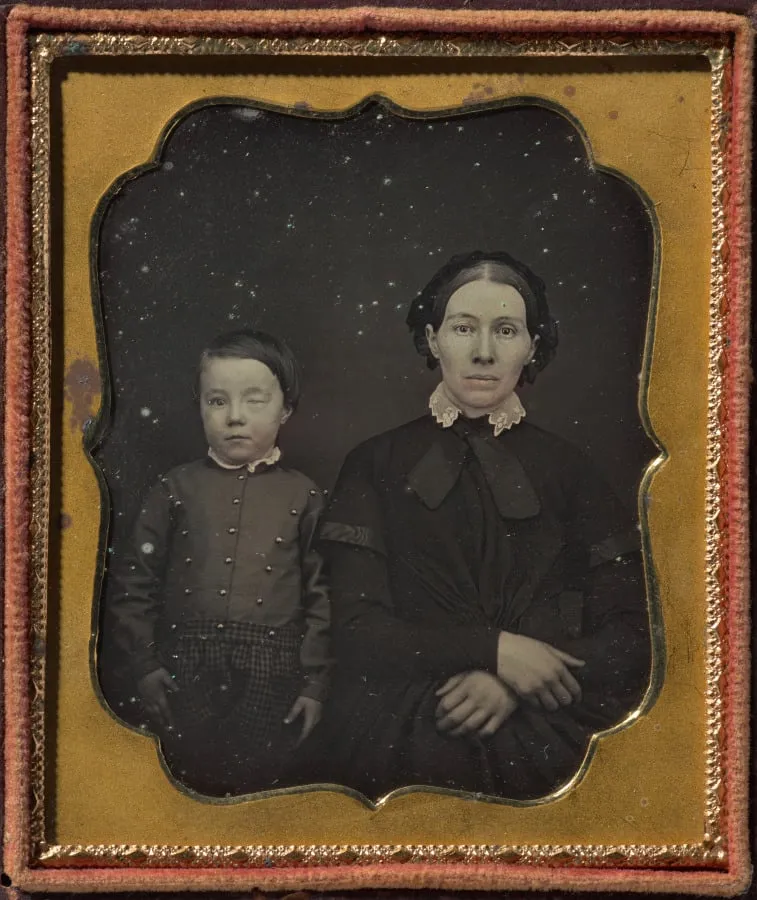
Mother with son with blind right eye is a photography by the Impressionist artist Unknown. It dates from 1855 and is held in the collection of the Cleveland Museum of Art. This photograph depicts a mother and her young son seated side by side, facing the camera directly.
About this work
Overview
This photograph depicts a mother and her young son seated side by side, facing the camera directly.
This photograph depicts a mother and her young son seated side by side, facing the camera directly. Both figures are rendered in sharp detail against a dark, unobtrusive background. The son’s right eye is closed, a detail that draws attention without overt explanation. Their posture is still and composed, suggesting a formal portrait session. The work is held in the collection of The Cleveland Museum of Art.
Subject & Meaning
The figures convey quiet intimacy, their gaze steady and unflinching. The son’s closed right eye may indicate a physical condition, though the photograph does not overtly frame it as tragedy or sentiment. The mother’s composed demeanor suggests endurance or quiet vigilance. Their matching dark clothing and restrained gestures emphasize unity and dignity, avoiding theatricality in favor of presence.
Technique & Style
The image is rendered with precise tonal contrast and fine detail, typical of early 20th-century photographic portraiture. The dark background isolates the subjects, enhancing focus on their forms and textures—the mother’s white collar, the son’s plaid skirt, and the buttoned jacket. Lighting is even and soft, avoiding dramatic shadows, reinforcing the photograph’s restrained, documentary tone.
History & Provenance
The photograph entered the collection of The Cleveland Museum of Art as part of a broader acquisition of early photographic works. Its origin and photographer remain undocumented in public records, though its style aligns with studio portraiture from the 1910s–1930s. It has been exhibited occasionally in surveys of American photographic practice, valued for its unembellished human presence.
Context
Created during a period when photographic portraiture was becoming more accessible, this image reflects the shift from formal studio conventions to quieter, more personal representations. Unlike staged family portraits of the era, it avoids props or decorative settings, focusing instead on the subtle dynamics between two individuals. The closed eye may reflect common medical conditions of the time, recorded without stigma.
Legacy
The photograph endures as a quiet testament to everyday resilience. Its lack of narrative embellishment invites contemplation rather than emotional manipulation. It contributes to a growing body of early photographic work that values authenticity over artifice, influencing later documentary traditions that prioritize human dignity in unadorned moments.
Artist & collection

 Domestic Scene
 Giacomo and Cardinal Marco, investing Andrea, Abbot of San Zeno, with his Benefice
 The Nymph of Fontainebleau
 Portrait of a Woman
 Madonna and Child with Saints in the Enclosed Garden
 Venus and Minerva
 Family Group of Four on Sofa
 Wall painting from Room H of the Villa of P. Fannius Synistor at Boscoreale
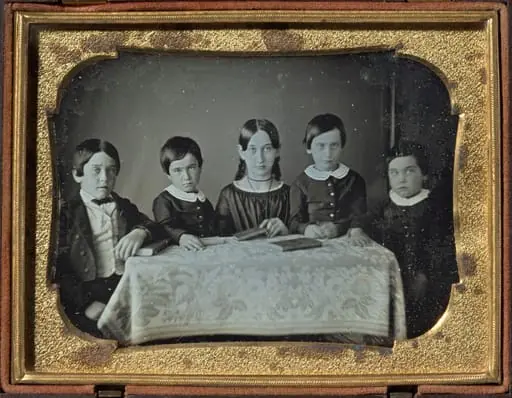 The Homework Table
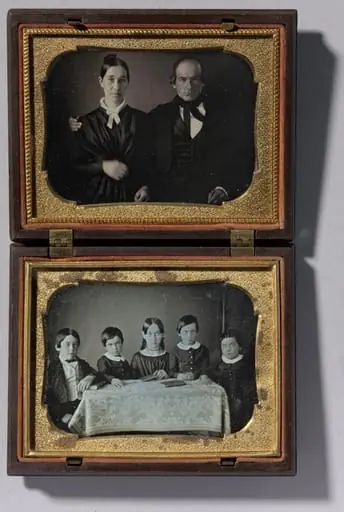 The Homework Table & Parents of Five Children Doing Homework
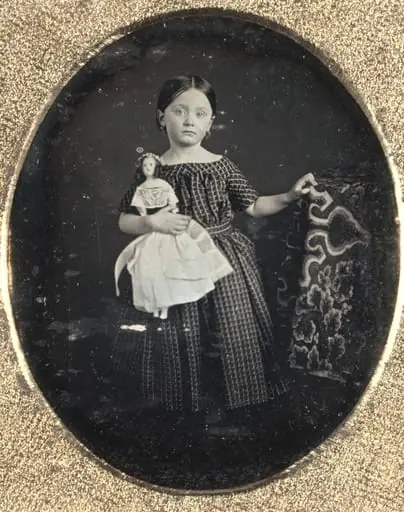 Girl with Doll
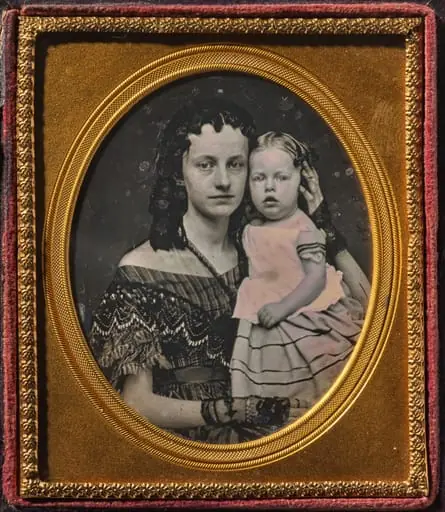 Mother and Child
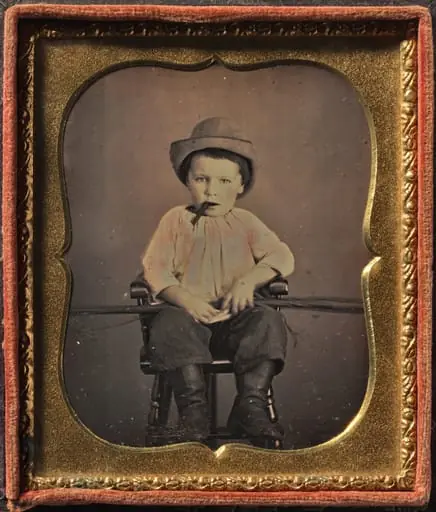 Boy with Cigar
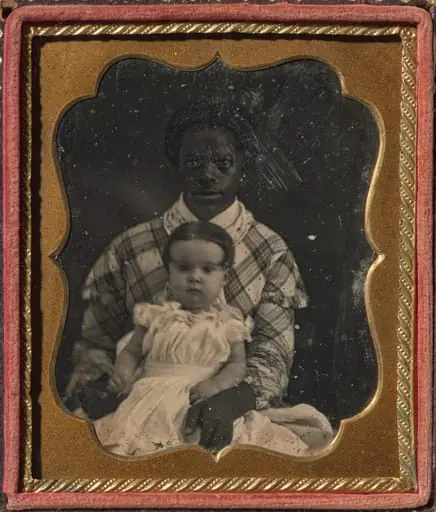 Black Woman and White Child
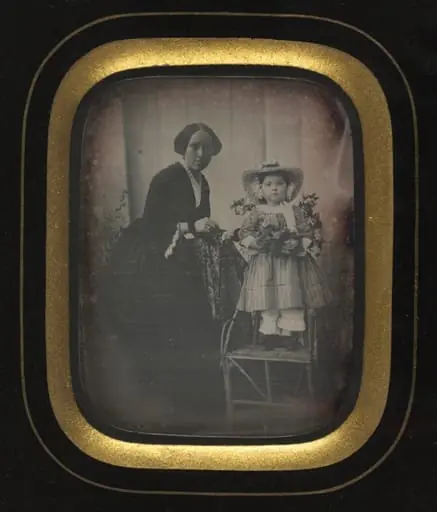 Child Standing on a Chair Holding Flowers, with Mother
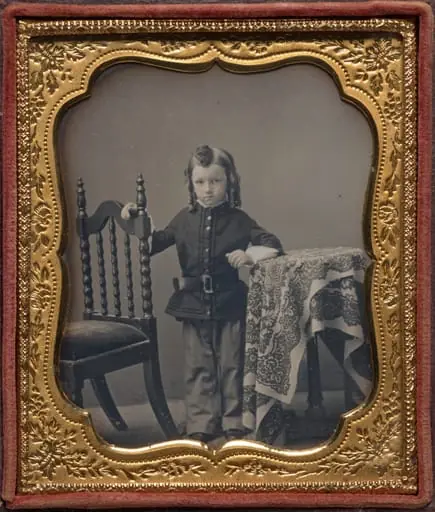 Standing boy with bottle curls
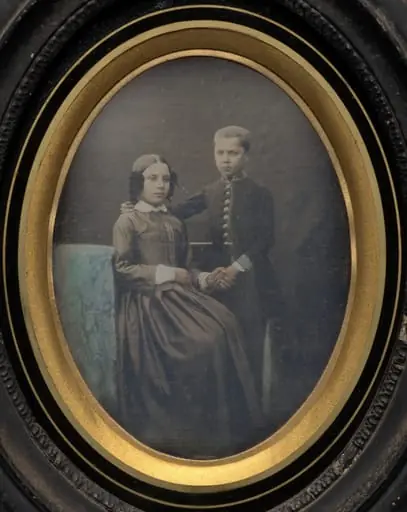 Brother and sister clasping hands
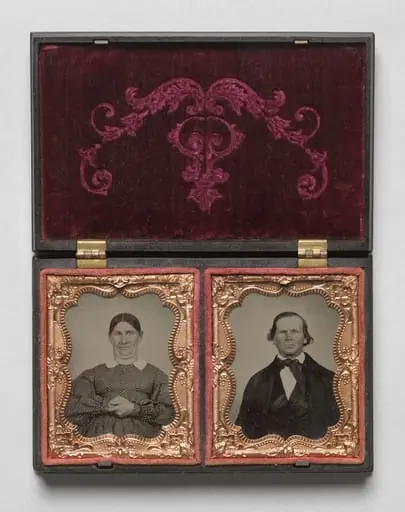 Husband and Wife
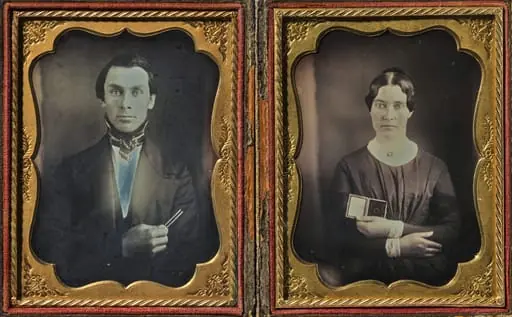 The Music Teacher and His Wife
 Teenage girl with bottle curls