Artwork
A portrait of a man
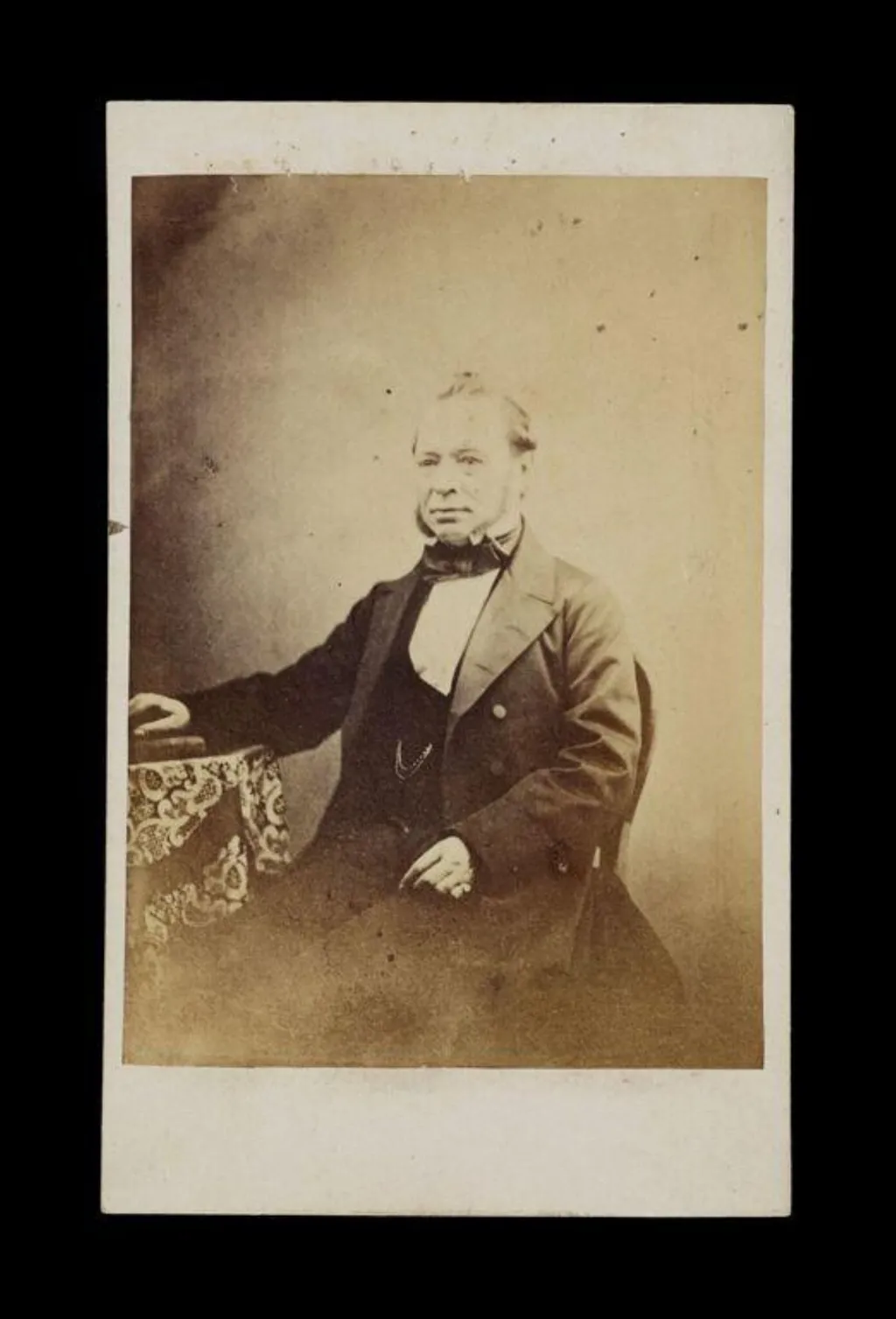
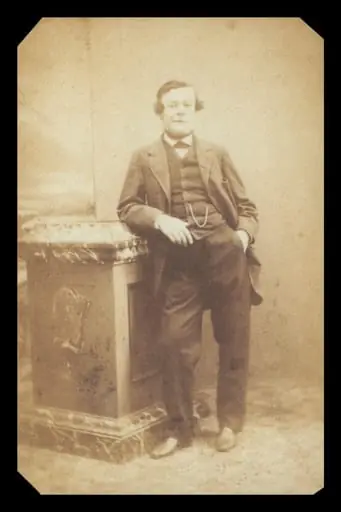
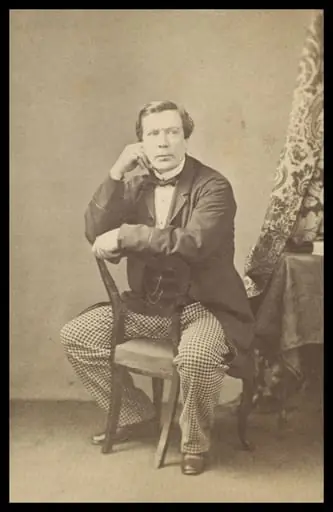
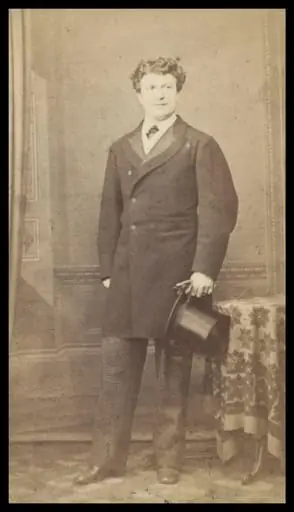
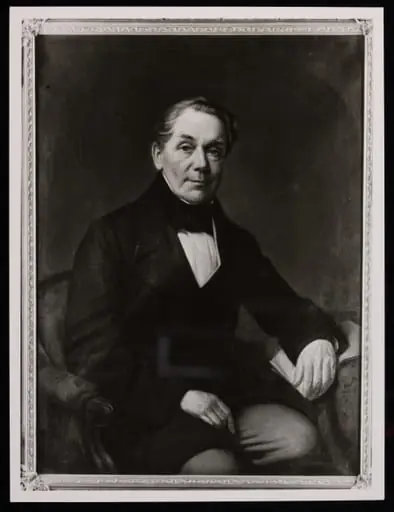
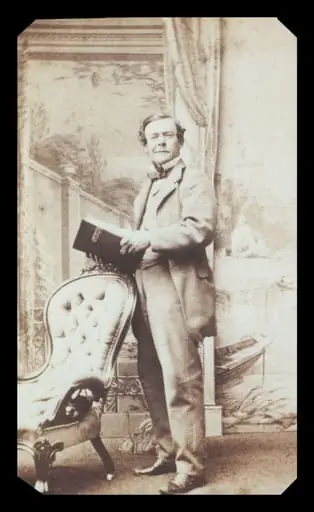
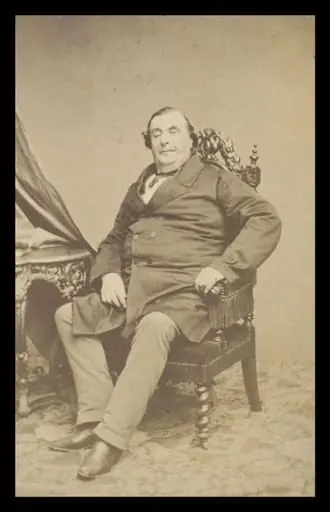
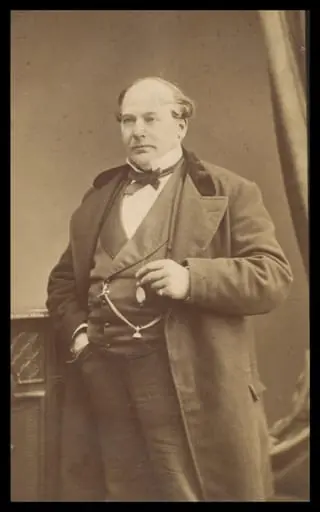
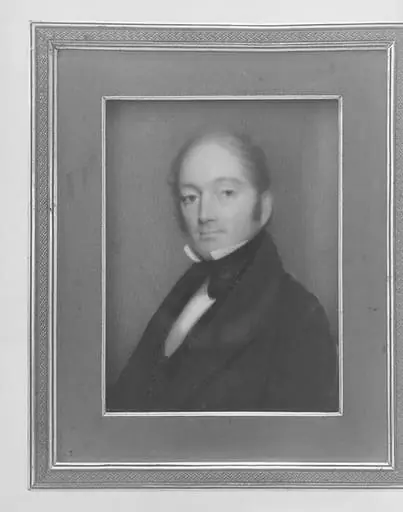
A portrait of a man is a photographic photography by the Impressionist artist Universal Photographic Company. It dates from 1864 and is held in the collection of the Victoria and Albert Museum. The image is a mid‑nineteenth‑century carte de visite, a small photographic portrait mounted on card stock.
About this work
Overview
The image is a mid‑nineteenth‑century carte de visite, a small photographic portrait mounted on card stock. It presents a gentleman dressed in a dark suit and bow tie, seated before a simple backdrop. The composition is rendered in monochrome, with soft illumination that isolates his serious expression against a darker surrounding.
Subject & Meaning
The sitter is positioned upright, his right hand resting on a book placed beside a low table, suggesting literacy or professional status. In his left hand he holds a hat, a common prop in portraiture of the era that conveys a sense of decorum and personal identity. The overall demeanor is formal and restrained.
Technique & Style
Captured using early photographic processes, likely the collodion wet plate method, the photograph exhibits the characteristic grain and slight fading of nineteenth‑century prints. The shallow depth of field and gentle lighting model the subject’s facial features, while the background remains unadorned, emphasizing the sitter rather than any setting.
History & Provenance
Produced in 1864, the carte de visite reflects the popularity of this format for exchanging personal images during the Victorian period.
Produced in 1864, the carte de visite reflects the popularity of this format for exchanging personal images during the Victorian period. Such cards were often distributed among acquaintances and displayed in personal albums. The specific provenance of this particular portrait is not recorded, but its preservation aligns with collections of historic photography, such as those held by major museums.
Artist & collection
Artist
Universal Photographic Company
This was a New York photo studio that cranked out portraits on shoestring budgets in the 1860s.