Artwork
Guy Little Theatrical Photograph
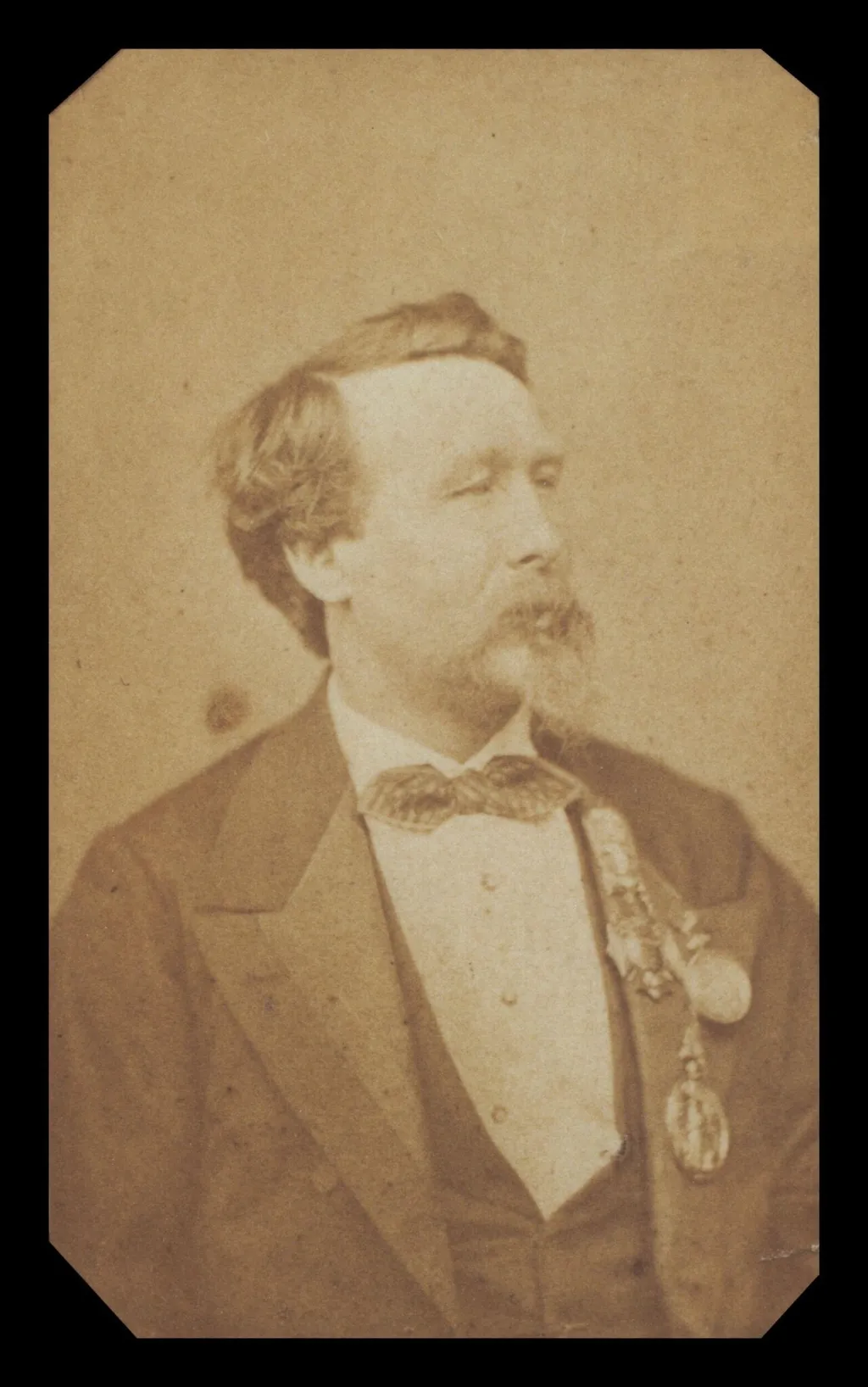
Guy Little Theatrical Photograph is a photographic photography by Haden. It dates from 1850 and is held in the collection of the Victoria and Albert Museum.
About this work
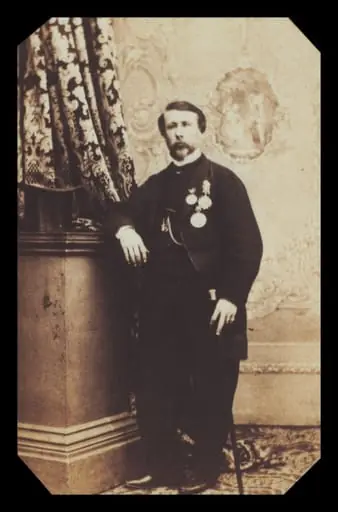
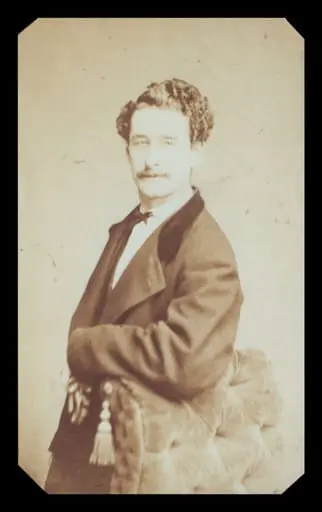
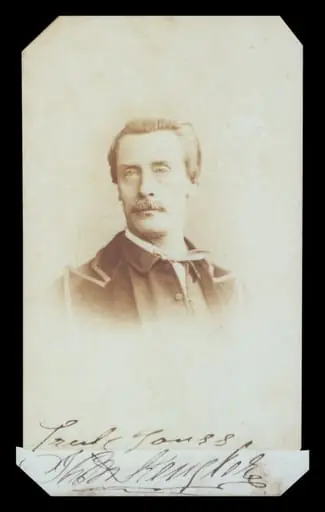
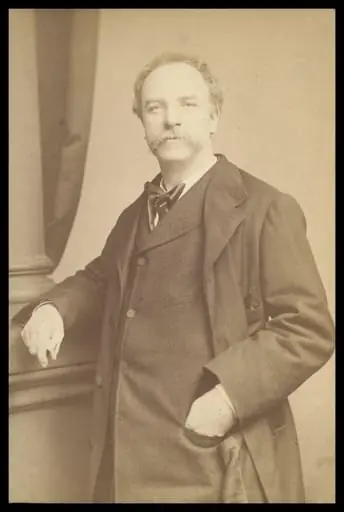
The photo shows Charles Blondin the Acrobat, and it's an example of a type of photo that was popular back then, used for 'cartes de visite' and 'cabinet cards'.
This photograph is called Guy Little Theatrical Photograph.
It was taken by Haden in the mid to late 19th century.
The photo shows Charles Blondin the Acrobat, and it's an example of a type of photo that was popular back then, used for 'cartes de visite' and 'cabinet cards'.
Photography was new and exciting during Victorian days.
People collected these photos like trading cards.
You can learn more about this type of photography by looking up the technique of sfumato.
Overview
This photograph of Charles Blondin, the famed tightrope walker, originates from a personal collection assembled by Guy Tristram Little, a solicitor and avid collector of visual ephemera. Taken by photographer Haden in the mid-to-late 19th century, it is an albumen print mounted on card, typical of the era’s popular formats: cartes de visite and cabinet cards. Little later donated his amassed holdings to the Victoria and Albert Museum, where they formed part of the foundation for its theatrical archives.
Subject & Meaning
Charles Blondin was celebrated for his daring crossings of the Niagara Gorge on a tightrope, turning physical feats into public spectacles. His image, captured in performance attire, served not merely as portraiture but as a symbol of Victorian fascination with human endurance and spectacle. Such photographs allowed the public to own a tangible connection to celebrities of the age, blurring the line between entertainment and personal collection.
Technique & Style
The image is an albumen print derived from a glass negative, printed on paper and affixed to a stiff card backing bearing the photographer’s imprint. This method, dominant from the 1850s to 1880s, produced sharp detail and a glossy surface. The format—either small carte de visite or larger cabinet card—was designed for handling, exchange, and preservation in bound albums, reflecting both technological innovation and social habit.
History & Provenance
The photograph was once part of Guy Little’s personal archive of theatrical imagery, meticulously removed from original mounts and reorganized into themed albums. Little, executor of Gabrielle Enthoven’s estate, inherited her extensive collection of theatre-related materials. Upon his death in 1953, the entire assemblage was bequeathed to the V&A, ensuring its preservation as a primary resource for the study of 19th-century performance culture.
Context
During the Victorian era, photographic portraiture became a mass phenomenon, with cartes de visite circulating widely as collectible items. Alongside celebrities, royalty, and scenic views, performers like Blondin were popular subjects. These images fulfilled a cultural need for accessible, intimate representations of public figures, functioning as both memorabilia and social currency in an increasingly visual society.
Legacy
Little’s collection, now housed at the V&A, preserves a snapshot of how Victorian audiences engaged with performance through photography. The survival of these mounted prints offers insight into the material culture of fandom and the transition from live spectacle to mediated imagery. The archive remains a vital resource for scholars studying the intersection of theatre, technology, and public memory in the 19th century.
Artist & collection
Artist
This 19th-century British artist made detailed pencil drawings of British towns and buildings.