Artwork
Ambrosius Parens
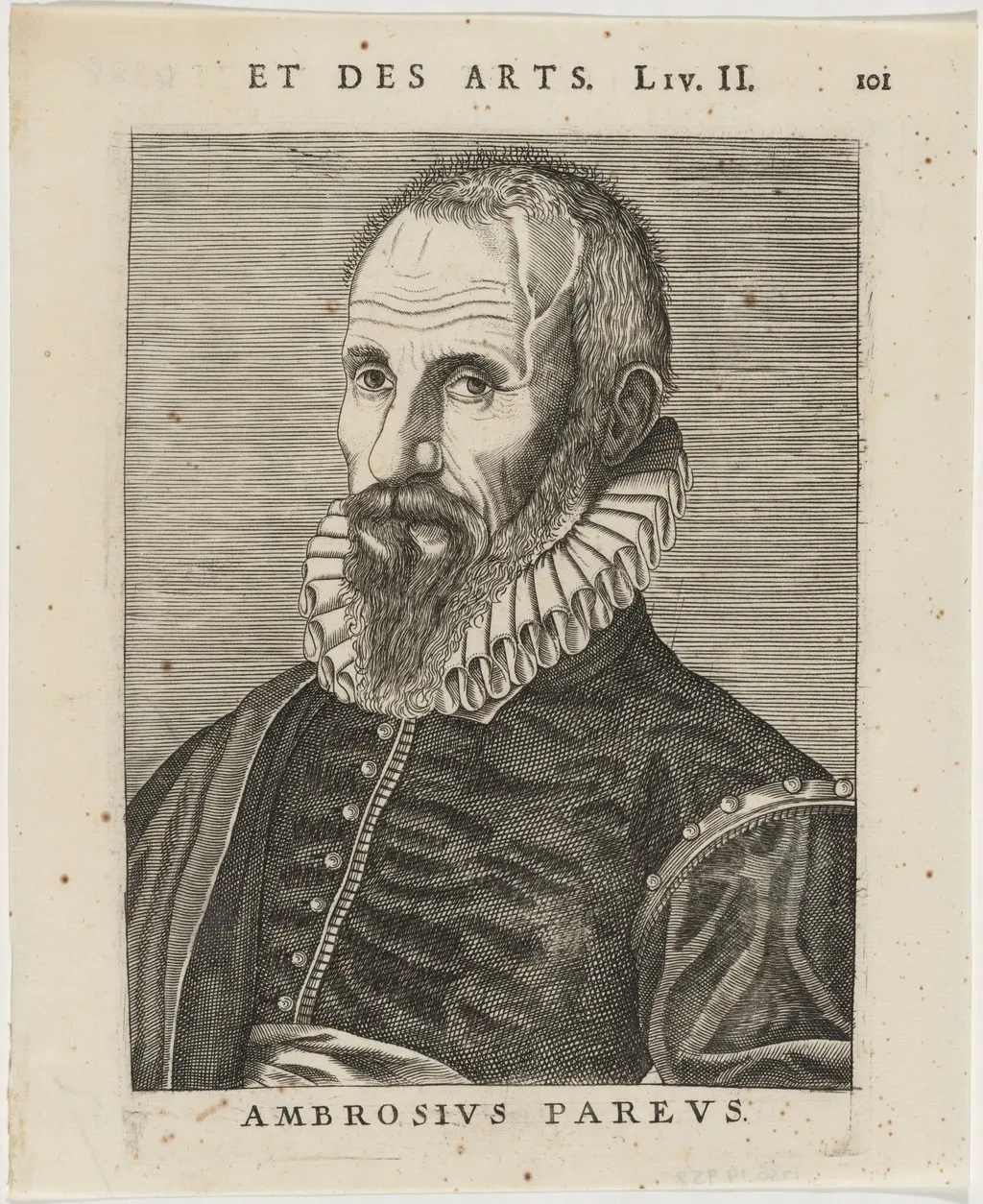
Ambrosius Parens is an ink print by the Romanticist artist Unknown 19th Century. It dates from 1850 and is held in the collection of the National Gallery of Art.
About this work
Overview
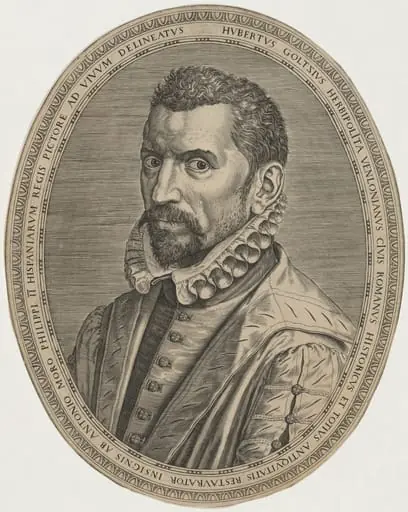
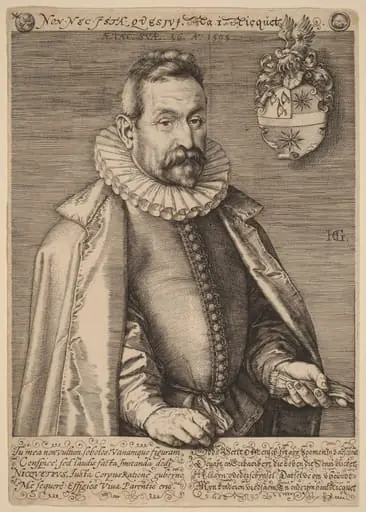
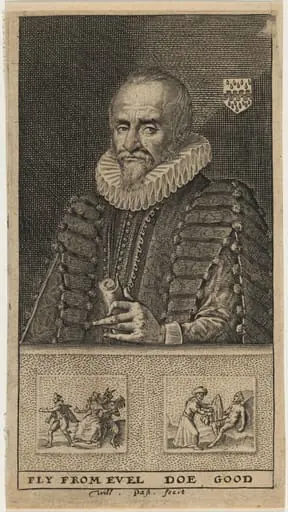
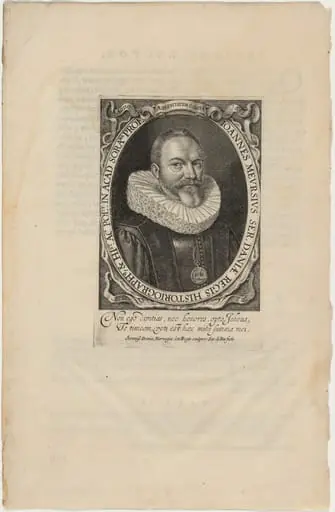
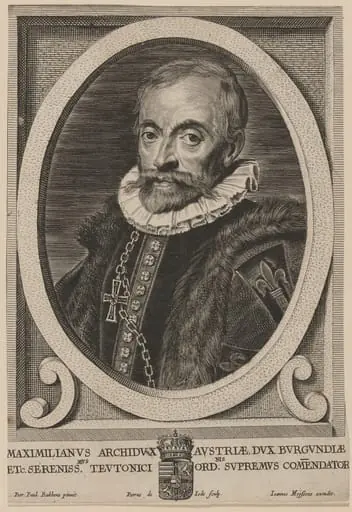
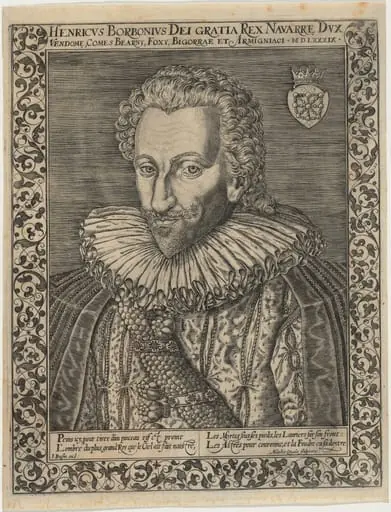
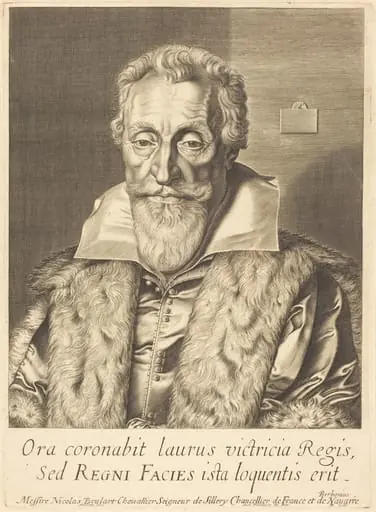
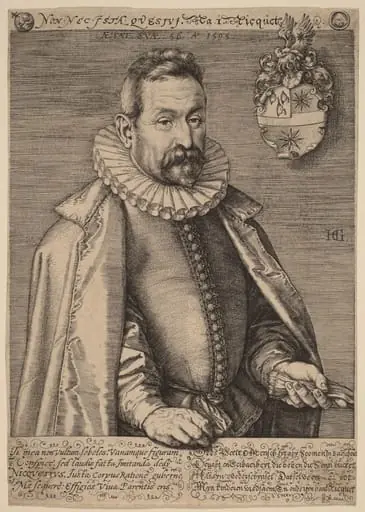
This black-and-white engraving depicts a man identified as Ambrosius Parens, rendered with fine, precise lines characteristic of 19th-century printmaking.
This black-and-white engraving depicts a man identified as Ambrosius Parens, rendered with fine, precise lines characteristic of 19th-century printmaking. The composition is minimal, with no background details to distract from the figure. His pose—chin resting on hand—suggests contemplation, while the clothing and styling reflect a formal, perhaps scholarly or clerical, identity. The work is a portrait intended for reproduction, not a unique painting.
Subject & Meaning
The figure, Ambrosius Parens, is presented with solemnity and stillness, his full beard and high collar evoking traditional depictions of learned or religious men. The gesture of supporting the chin implies introspection, possibly signaling wisdom or melancholy. No symbols or attributes clarify his specific role, leaving his identity as a named individual rather than a symbolic archetype. The portrait emphasizes dignity through restraint.
Technique & Style
Executed in the engraving technique, the image relies on incised lines on a metal plate to create tonal variation and texture. The fine, controlled strokes define the beard, collar, and folds of the robe with clarity. The absence of shading beyond line work and cross-hatching reflects a disciplined, linear aesthetic common in 19th-century reproductive prints. The plain background enhances focus on the subject’s form and expression.
History & Provenance
The engraving bears the name Ambrosius Parens, likely a historical or local figure of some note, though no further biographical records are widely documented. Its style aligns with 19th-century portraiture prints, often produced for private collections or institutional archives. No known exhibition history or collector lineage is recorded, suggesting it may have been a modest, locally circulated image rather than a widely disseminated work.
Context
In the 1800s, engraved portraits were commonly used to preserve likenesses of individuals before photography became widespread. Artists relied on detailed line work to convey texture and character, especially for figures in academia, clergy, or civic life. This piece fits within that tradition, serving as a quiet, dignified record of an individual whose public role, if any, remains unelaborated in surviving sources.
Legacy
As a specimen of 19th-century reproductive engraving, this work exemplifies the technical precision and restrained aesthetic of its time. Though Ambrosius Parens himself is not historically prominent, the print contributes to the broader archive of personal portraiture in pre-photographic media. It endures as a quiet artifact of craftsmanship and the cultural habit of preserving identity through print.
Artist & collection

Artist