Artwork
Ambrosius Parens
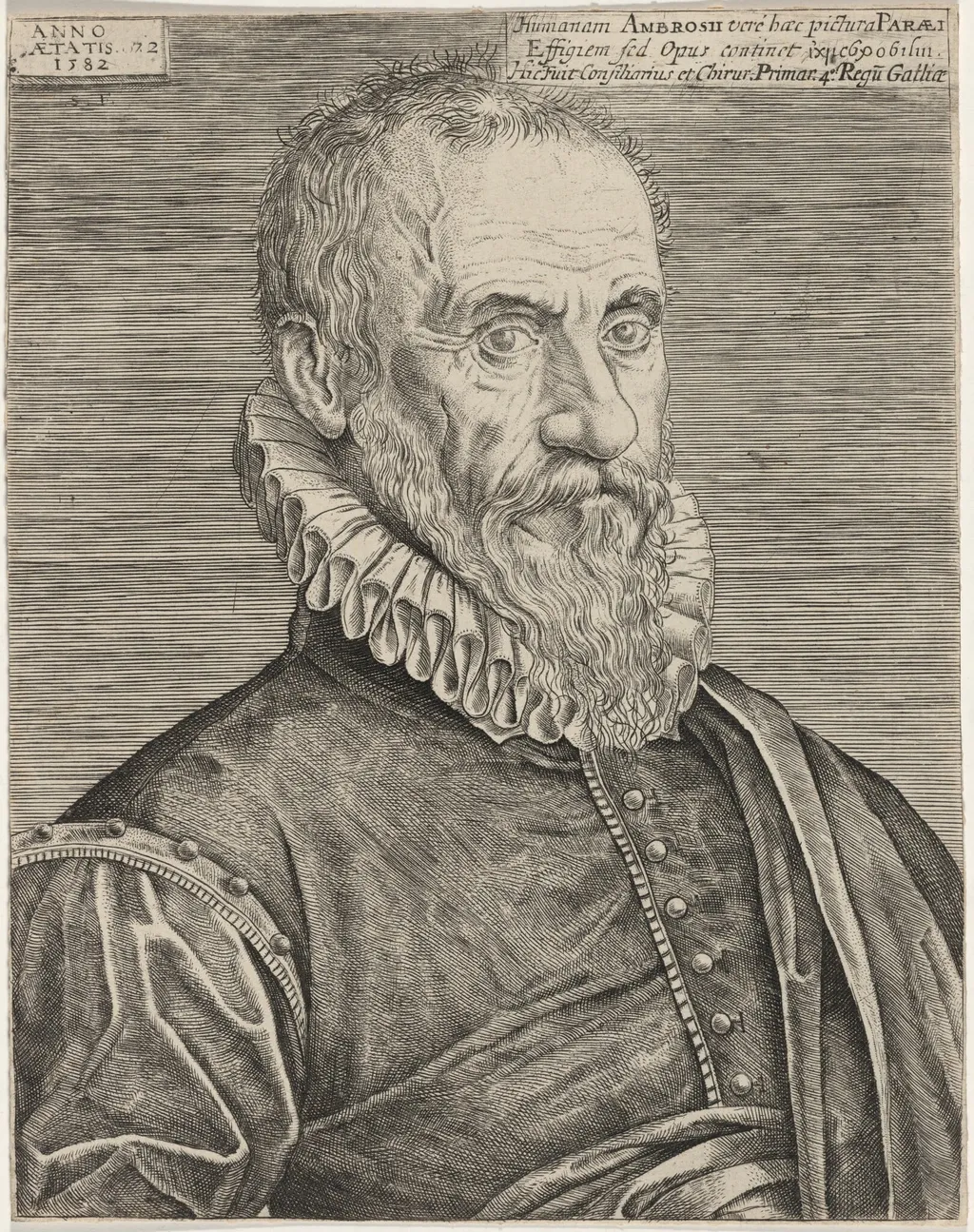
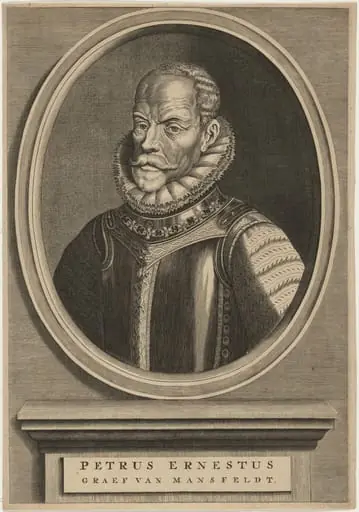
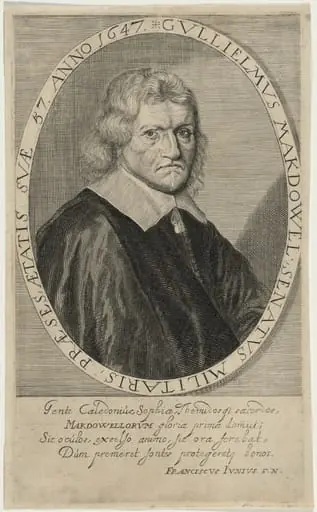
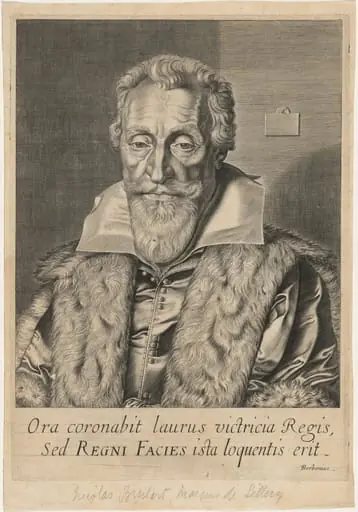
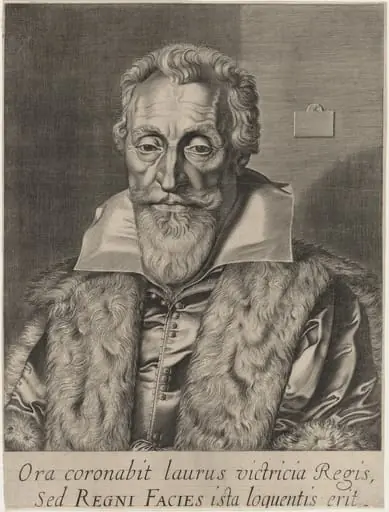
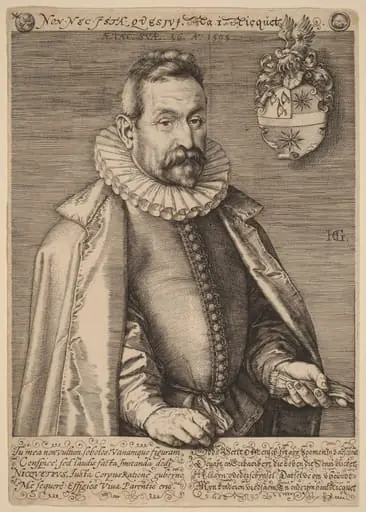
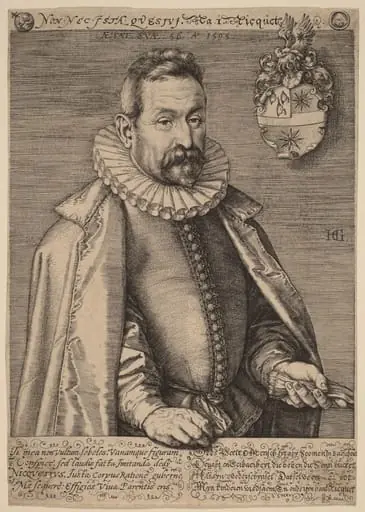
Ambrosius Parens is an ink print by the Renaissance artist Unknown 19th Century. It dates from 1582 and is held in the collection of the National Gallery of Art. This black-and-white engraving depicts a dignified elderly man, rendered with fine linear precision.
About this work
Overview
The work is a portrait, likely of a religious or scholarly figure, executed in the traditional method of metalplate engraving.
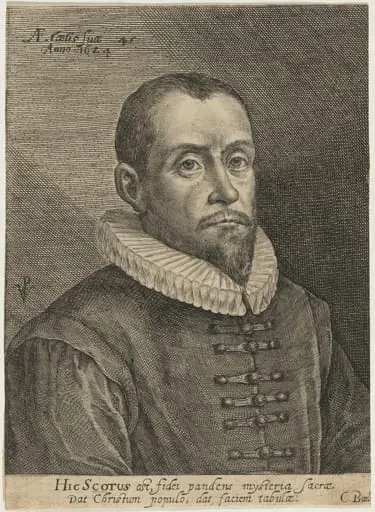
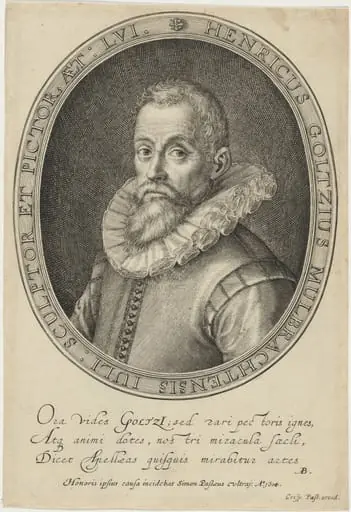
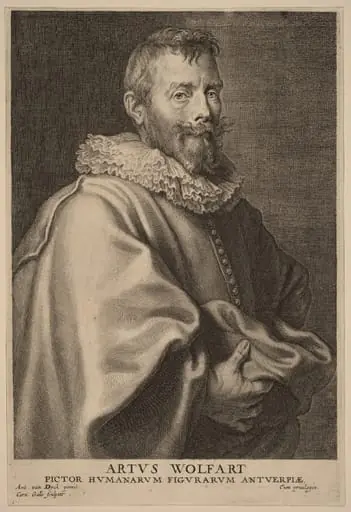
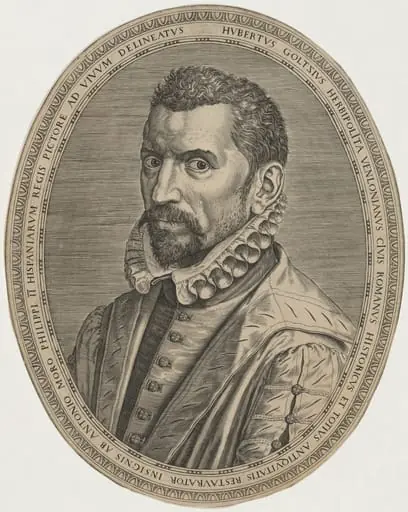
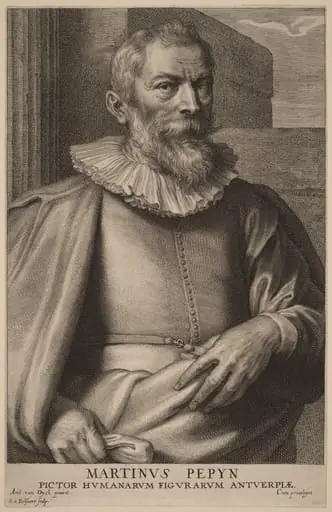
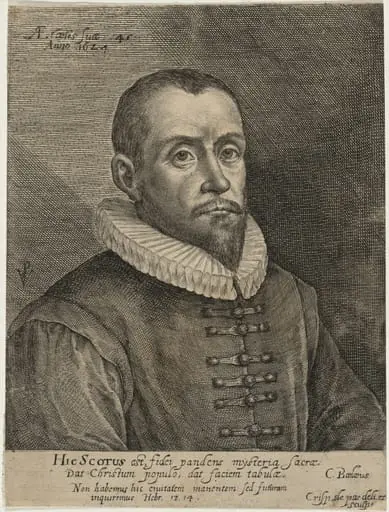
This black-and-white engraving depicts a dignified elderly man, rendered with fine linear precision. The work is a portrait, likely of a religious or scholarly figure, executed in the traditional method of metalplate engraving. The image relies entirely on incised lines to define form, light, and texture, without the use of tone or color. The composition is tightly focused on the face and upper torso, emphasizing the subject’s presence and character.
Subject & Meaning
The man’s long white beard, deep facial wrinkles, and direct gaze suggest age, wisdom, and authority. His high-collared robe and metallic chain may indicate ecclesiastical or civic status, possibly denoting a position of moral or institutional leadership. The hands resting calmly on his chest convey composure and restraint, reinforcing an image of quiet dignity rather than ostentation.
Technique & Style
The image is created through engraving—a process where lines are meticulously cut into a metal plate with a burin. Fine cross-hatching builds volume and shadow across the beard, brow, and robe, while varying line density controls contrast. The precision of the lines reflects a disciplined hand, typical of Northern European printmakers of the period, who valued clarity and detail over expressive brushwork.
History & Provenance
The engraving is attributed to Ambrosius Parens, a lesser-known printmaker active in the late 16th or early 17th century. Few works by him survive, and this portrait is among the few confirmed examples. Its origin is likely tied to a regional workshop in the Low Countries or Germany, where engraved portraits of clergy and scholars were commonly produced for private or institutional collections.
Context
During the late Renaissance, engraved portraits served as both personal mementos and markers of social standing. With the rise of literacy and print culture, such images circulated among educated elites, often replacing painted likenesses for their affordability and reproducibility. This work fits within a broader tradition of portrait engraving that emphasized intellectual and spiritual gravitas over physical idealization.
Legacy
Though Ambrosius Parens did not achieve widespread fame, his engraving exemplifies the technical rigor of his era’s printmaking. The work contributes to the historical record of how individual identity was visually constructed in pre-modern Europe. Its survival offers insight into the craftsmanship and aesthetic values of a print culture that prioritized precision, restraint, and symbolic clarity.
Artist & collection

Artist