Artwork
Nicolas Brulart
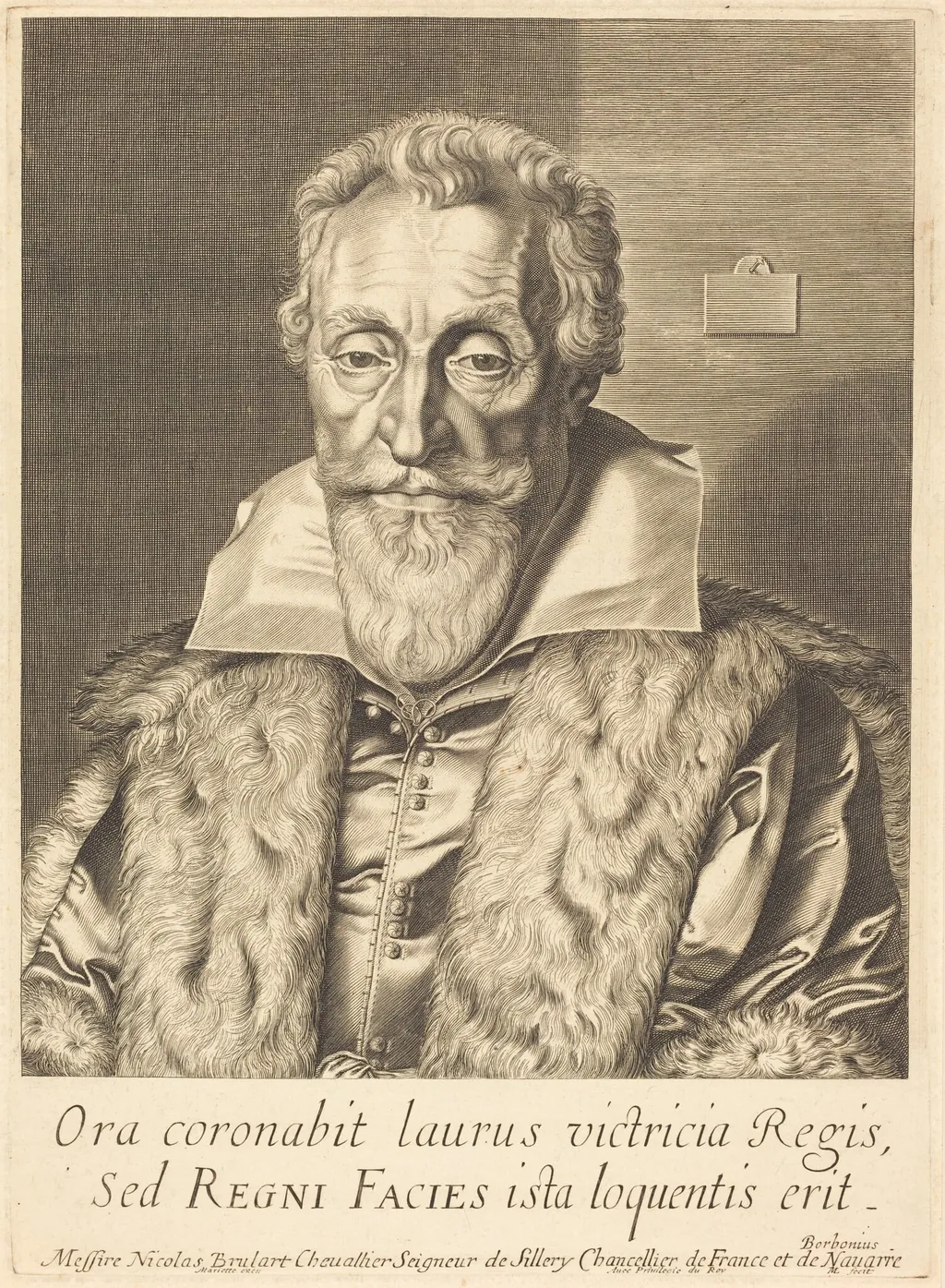
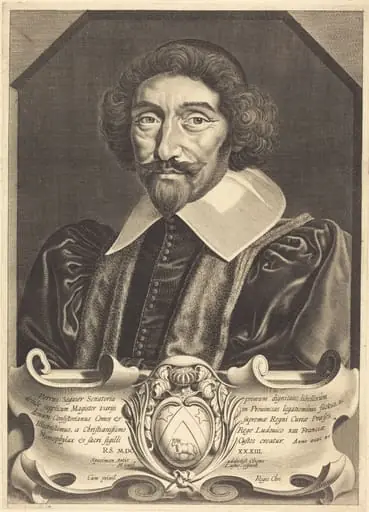
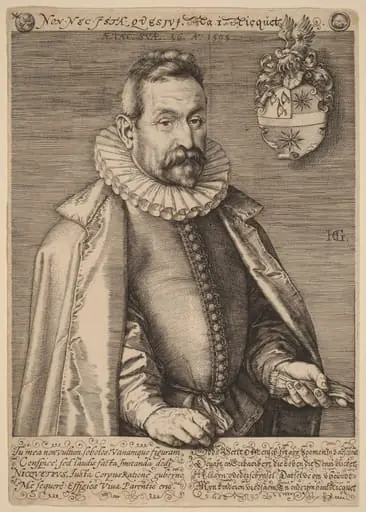
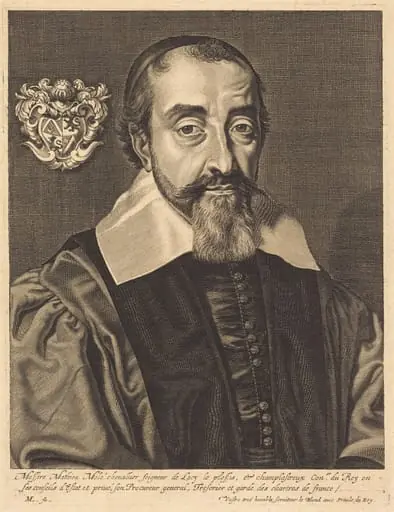
Nicolas Brulart is an ink print by the Renaissance artist Michel Lasne. It dates from 1590 and is held in the collection of the National Gallery of Art.
About this work
Overview
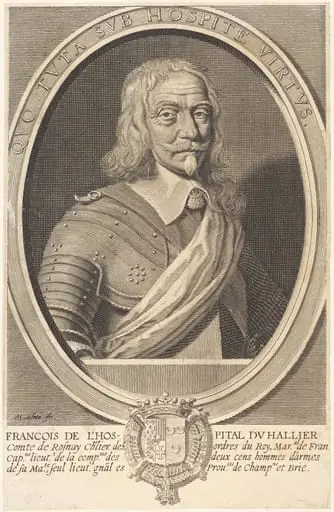
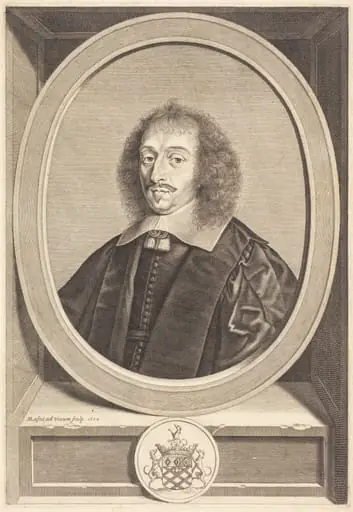
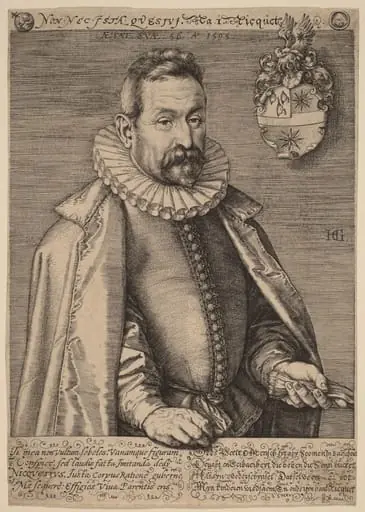
This engraving on laid paper portrays Nicolas Brulart, a French nobleman and statesman, rendered in precise linear detail.
This engraving on laid paper portrays Nicolas Brulart, a French nobleman and statesman, rendered in precise linear detail. Created by Michel Lasne, a French artist trained in the Low Countries, the work belongs to a tradition of portrait prints used to document elite figures in early 17th-century France. The medium’s capacity for fine detail made it ideal for conveying social status through costume and posture.
Subject & Meaning
Nicolas Brulart was a prominent figure in the French royal administration, serving as president of the Parlement of Paris. His stern expression and formal attire reflect the gravity of his office. The inclusion of a ruff collar and feathered hat signals his aristocratic rank and adherence to traditional courtly dress, reinforcing his role as a keeper of legal and institutional order during a period of centralized monarchical authority.
Technique & Style
Lasne employed fine, controlled lines typical of Northern European engraving traditions, emphasizing texture in fabric, hair, and the intricate folds of the ruff. The composition is tightly framed, focusing attention on the sitter’s face and upper body. Shading is achieved through cross-hatching rather than tonal gradation, a hallmark of the medium that prioritizes clarity and precision over atmospheric effect.
History & Provenance
Michel Lasne, born in Caen around 1590, trained in Antwerp under Rubens and van Dyck before settling in Paris by 1621. He became the official engraver to Louis XIII, producing portraits of court figures for distribution among the nobility. This print likely served as a formal record of Brulart’s public role, circulated among political circles to affirm his standing within the royal administration.
Context
In early 17th-century France, engraved portraits were tools of political representation, not merely artistic expressions. As the monarchy consolidated power, visual documentation of officials like Brulart reinforced hierarchy and legitimacy. Lasne’s work bridges Flemish technical rigor and French institutional needs, reflecting a broader trend of using print to stabilize and disseminate images of authority.
Legacy
Lasne’s engravings, including this portrait, contributed to the standardization of official portraiture in France. His prints preserved the likenesses of key figures during a transformative era, offering later historians a visual archive of courtly identity. Though not widely known today, his work remains a significant record of how power was visually constructed in the age of absolutism.
Artist & collection
Artist
Michel Lasne (Caen, ca. 1590–4 December 1667, Paris), was a French engraver, draughtsman and collector. Lasne was born in Caen and was the son of a goldsmith. He was a member of the Guild of Saint Luke in Antwerp for…