Artwork
Charles II
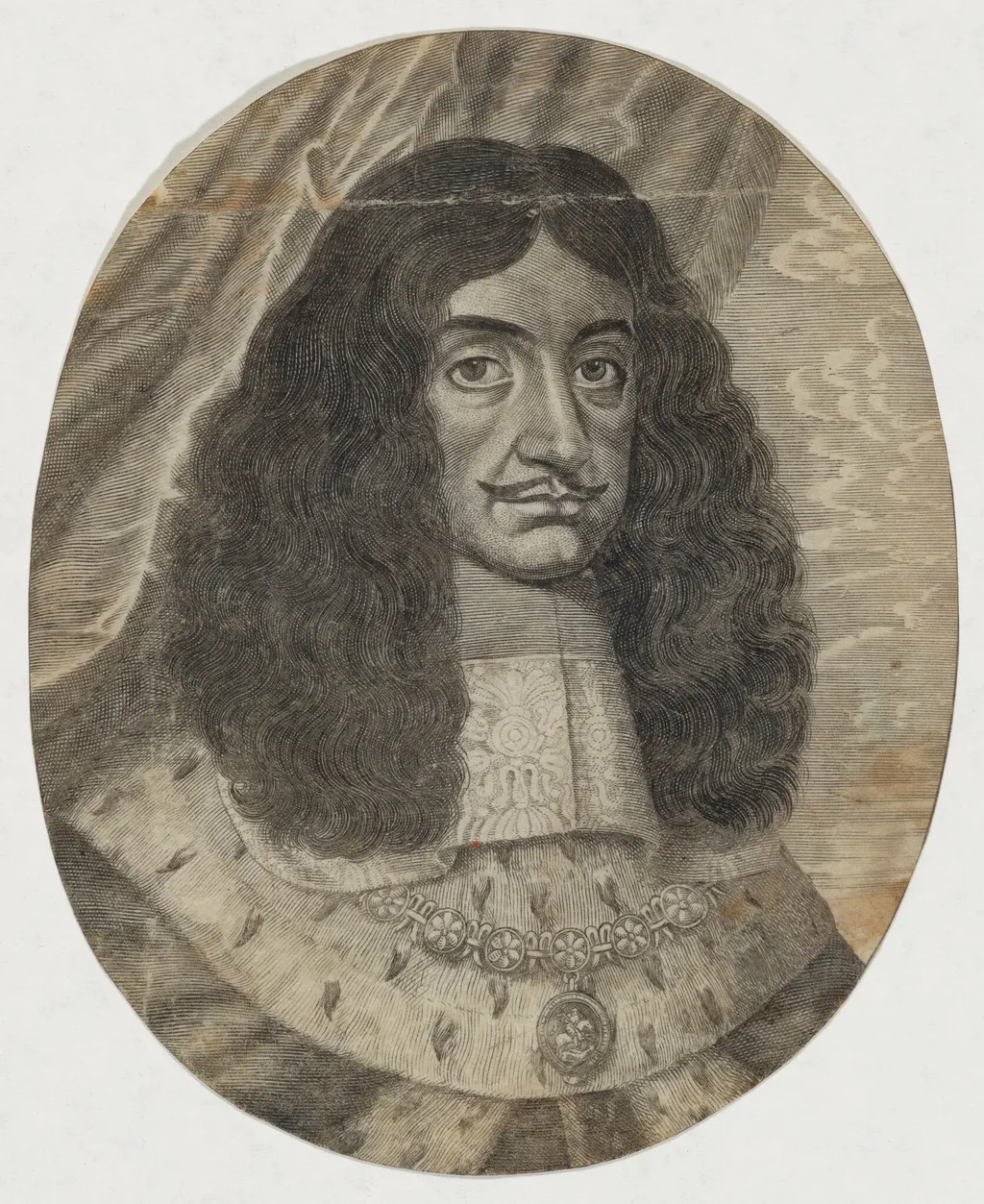
Charles II is an ink print by the Romanticist artist Unknown 19th Century. It dates from 1850 and is held in the collection of the National Gallery of Art.
About this work
Overview
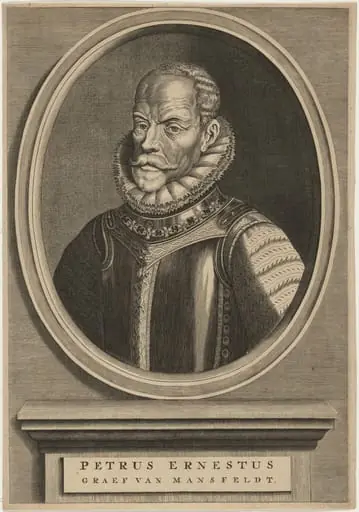
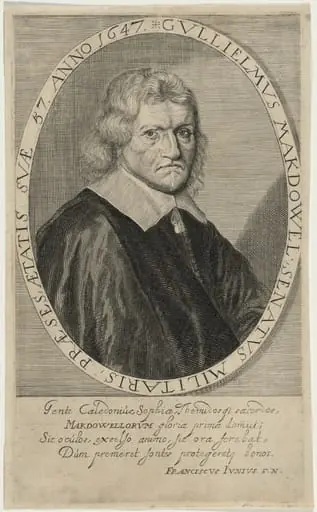
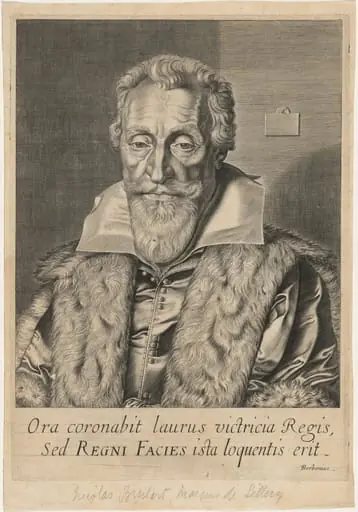
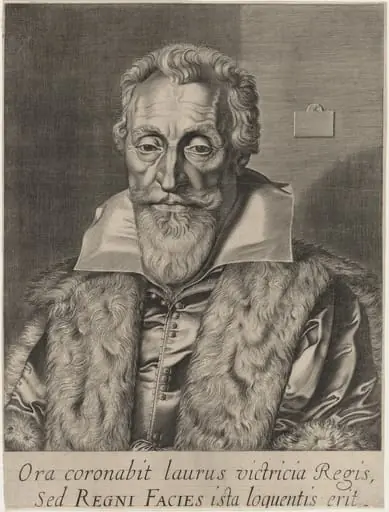
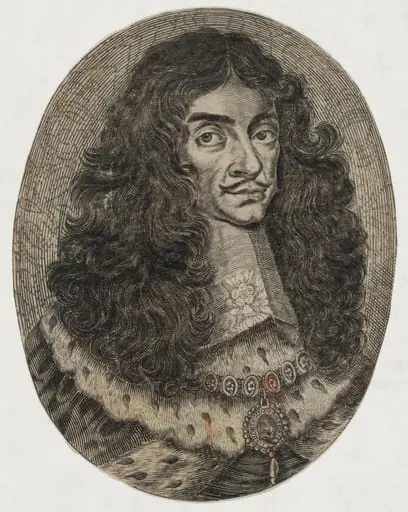
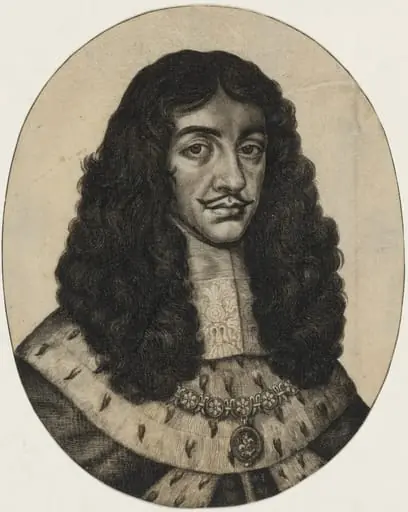
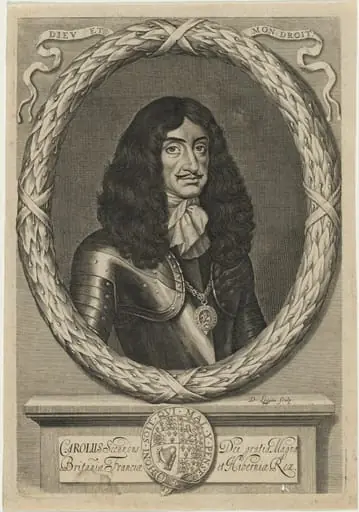
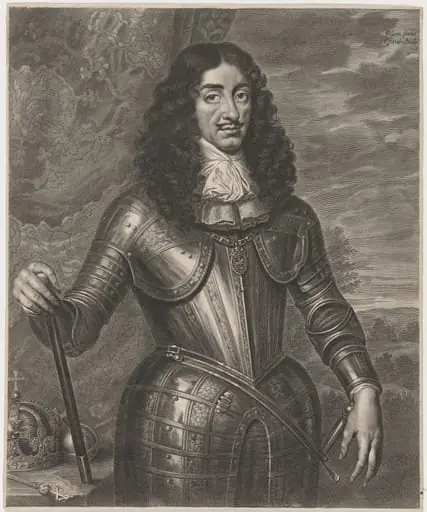
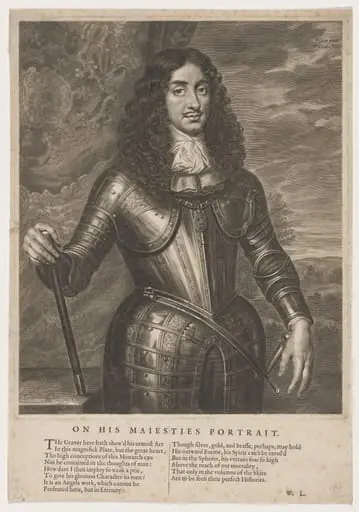
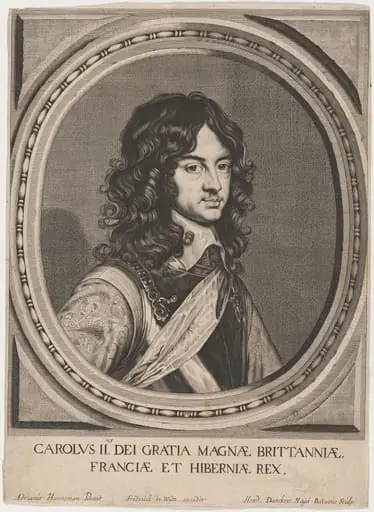
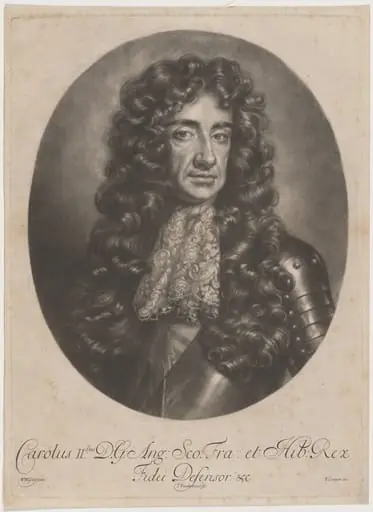
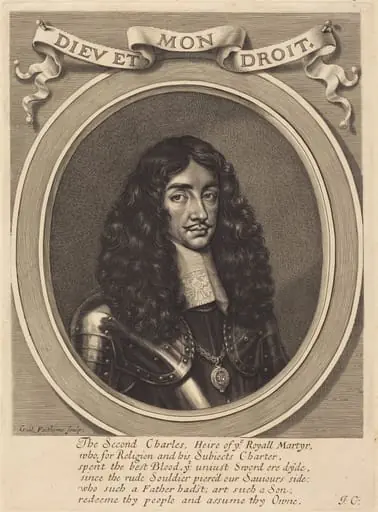
This black-and-white engraving depicts Charles II of England, produced as a printed portrait rather than a painted one.
This black-and-white engraving depicts Charles II of England, produced as a printed portrait rather than a painted one. The image relies on fine, controlled lines carved into a metal plate to render the king’s likeness. The plain background directs attention to the subject’s facial features and elaborate attire, emphasizing formality and status through precise detail rather than decorative context.
Subject & Meaning
Charles II is portrayed in royal regalia, including a lace collar and a chain bearing medals, symbols of his authority and honors. His curled hair and mustache reflect contemporary court fashion, reinforcing his identity as a restored monarch after the Interregnum. The portrait serves as a visual assertion of legitimacy and continuity, aligning his image with traditional monarchical ideals.
Technique & Style
The image was created using the engraving technique, where lines are incised into a copper plate with a burin. Shading is achieved through closely spaced parallel strokes, allowing subtle gradations of tone. The precision of the lines and the absence of brushwork distinguish it from painted portraits, highlighting the craftsmanship inherent in printmaking of the period.
History & Provenance
This engraving likely dates to the latter half of the 17th century, produced during or shortly after Charles II’s reign. It was probably made for distribution among courtiers, officials, or the public to reinforce his image across the realm. While the specific engraver is unrecorded here, such portraits were commonly circulated by royal printers to maintain political visibility.
Context
In the post-Restoration era, visual representations of the monarchy were vital tools for reestablishing royal authority. Engravings like this one were accessible, reproducible, and widely disseminated, contrasting with the exclusivity of painted portraits. They played a key role in shaping public perception of the king during a time of political and social transition.
Legacy
This engraving exemplifies the standard portraiture methods used in 17th-century Britain to project royal identity through print. Though not attributed to a famous artist, its technique and composition reflect the broader conventions of the time. Such images contributed to the enduring visual language of monarchy, influencing later generations of portrait engravers.
Artist & collection

Artist