Artwork
Charles II
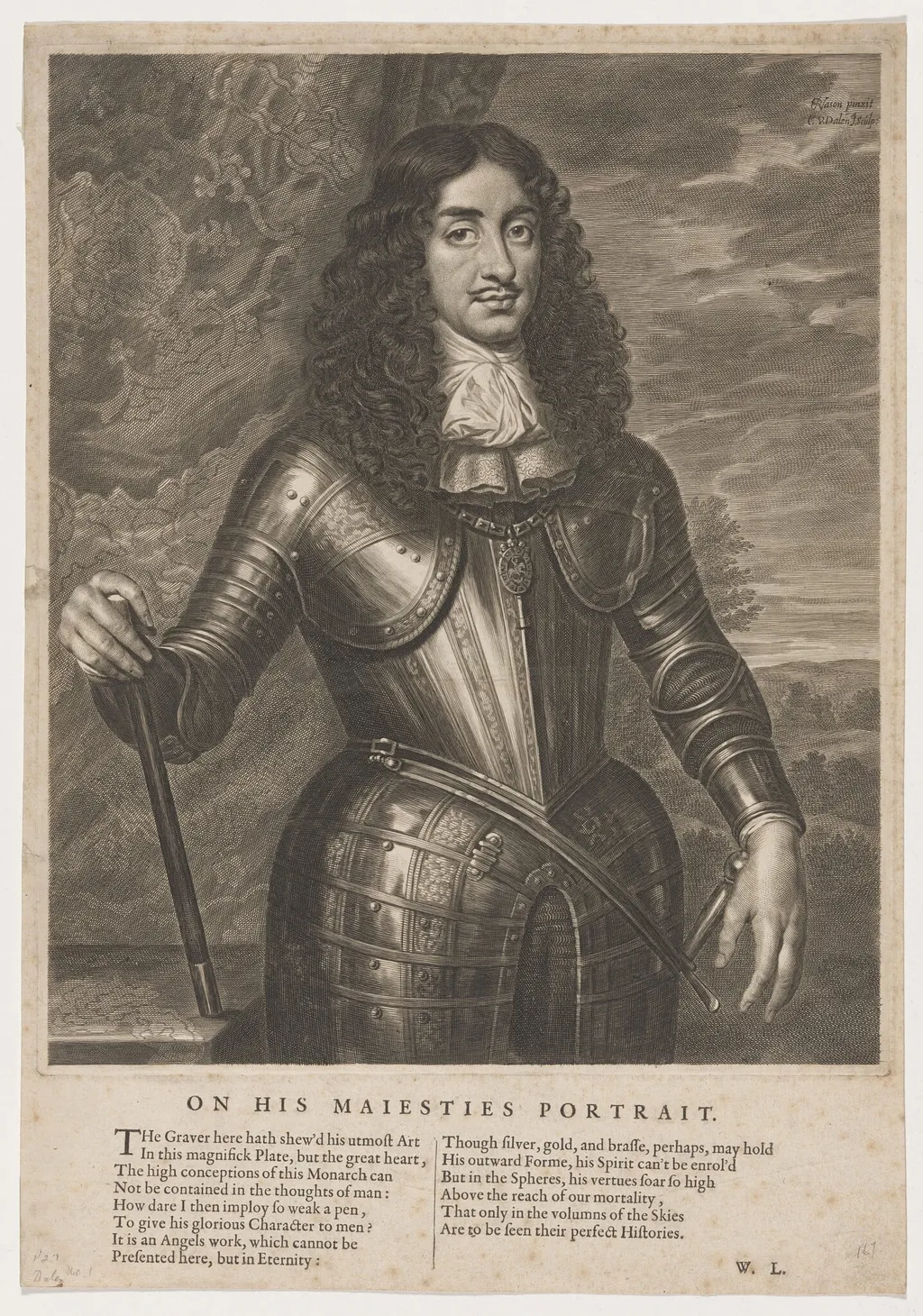
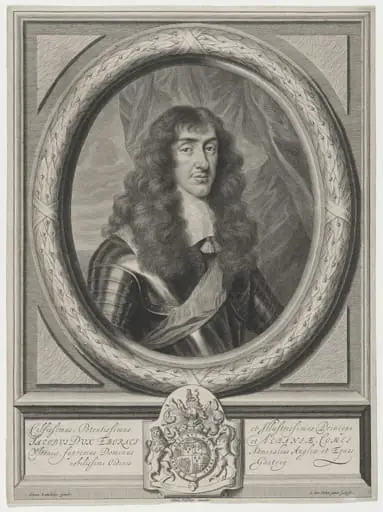
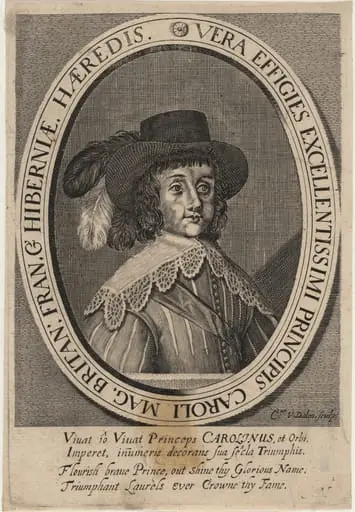
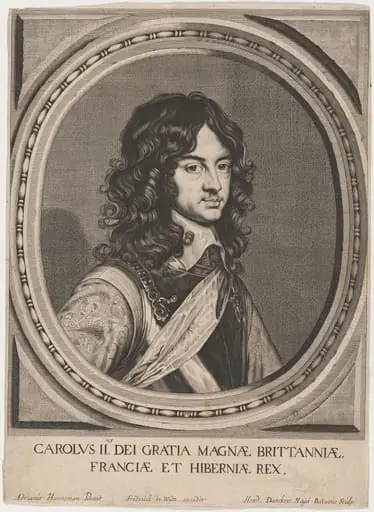
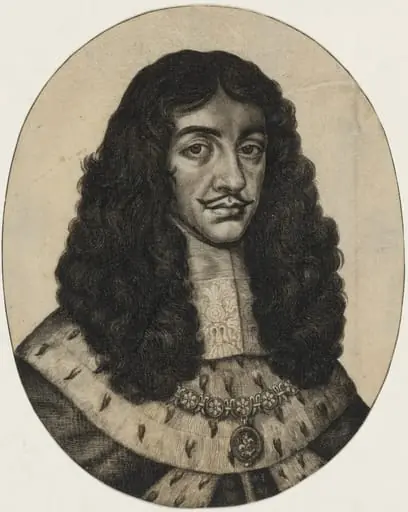
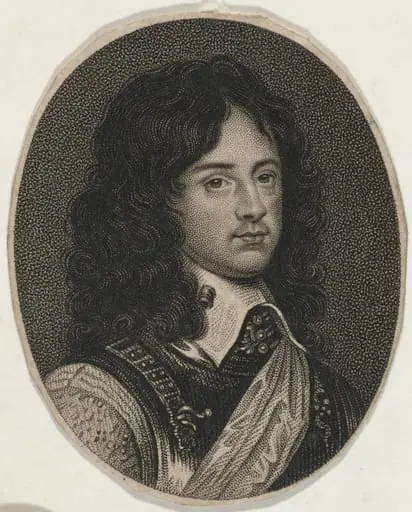
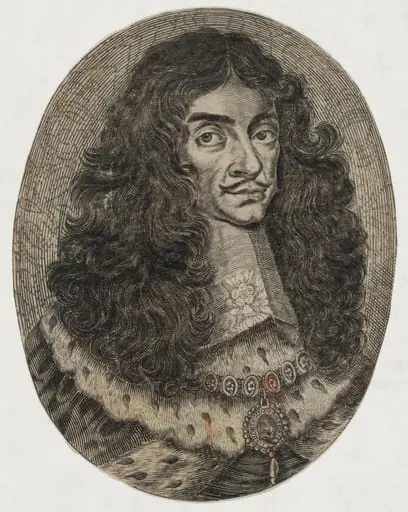
Charles II is an ink print by the Baroque artist Cornelis van Dalen I. It dates from 1634 and is held in the collection of the National Gallery of Art.
About this work
Overview
This 1634 engraving by Cornelis van Dalen I depicts the young Charles II of England, then a child, in formal court attire. Executed in black ink on paper, the print captures the prince in a static, dignified pose, typical of royal portraiture of the period. The technique relies on fine linear carving to render texture and volume, characteristic of early 17th-century reproductive printmaking.
Subject & Meaning
Charles II is shown as a boy, not yet king, dressed in a velvet robe and lace collar that signify his royal status. His expression is calm and composed, reflecting the expectation of stoic nobility even in childhood. The image functions as a propagandistic portrait, reinforcing the legitimacy and continuity of the Stuart line during a politically unstable era in Britain.
Technique & Style
The contrast between the crisp, unmarked contours of the prince’s face and the textured, ink-saturated areas around him enhances his prominence.
Van Dalen employed precise engraving tools to carve delicate lines into a metal plate, using cross-hatching to model the folds of the robe and subtle shading in the background. The contrast between the crisp, unmarked contours of the prince’s face and the textured, ink-saturated areas around him enhances his prominence. Ink pooled in the carved grooves during printing, producing rich blacks and fine gradations.
History & Provenance
Created in 1634, the engraving likely served as a diplomatic or aristocratic gift, circulating among European courts to affirm Charles’s status before his accession. Van Dalen, active in the Dutch Republic, specialized in reproductive prints of British and continental royalty. The work’s survival suggests it was valued for its accuracy and craftsmanship, though its early ownership remains undocumented.
Context
At the time of its creation, Charles II was a five-year-old heir to the English throne, living in relative safety in the Netherlands while his father, Charles I, faced growing conflict with Parliament. Portraits of royal children were used to project dynastic stability. Van Dalen’s print aligns with a broader trend of Dutch engravers producing images of foreign monarchs for international audiences.
Legacy
Though not widely reproduced today, the engraving exemplifies the role of print in early modern political imagery. Van Dalen’s technique influenced later engravers who sought to translate painted portraits into accessible, reproducible forms. The work remains a rare visual record of Charles II’s childhood, preserved in institutional collections as a document of Stuart iconography.
Artist & collection