Artwork
Frederick IV, Elector Palatine
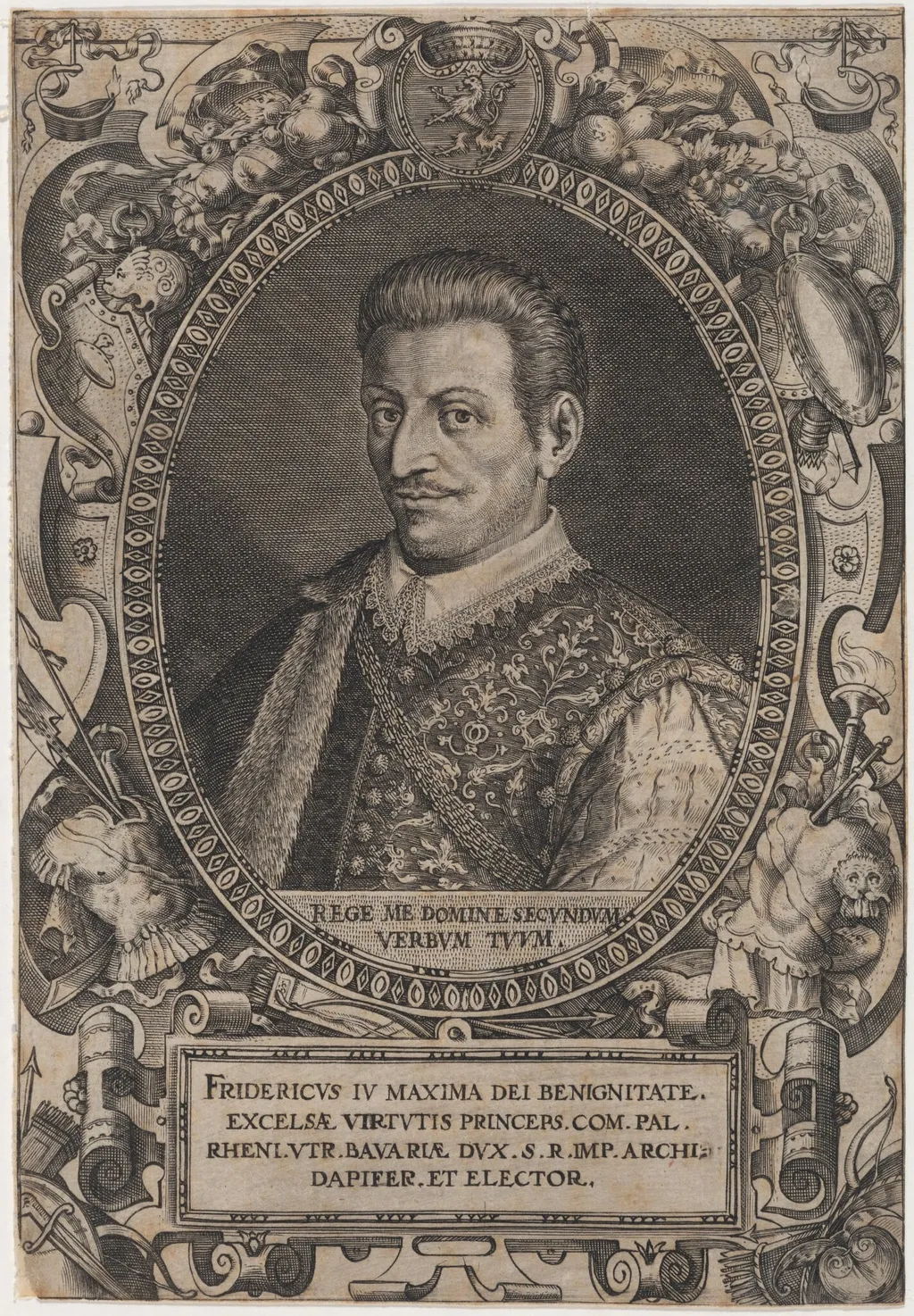
Frederick IV, Elector Palatine is an ink print by the Romanticist artist Unknown 19th Century. It dates from 1850 and is held in the collection of the National Gallery of Art.
About this work
Overview
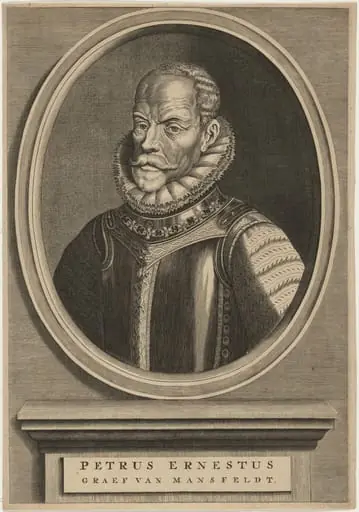
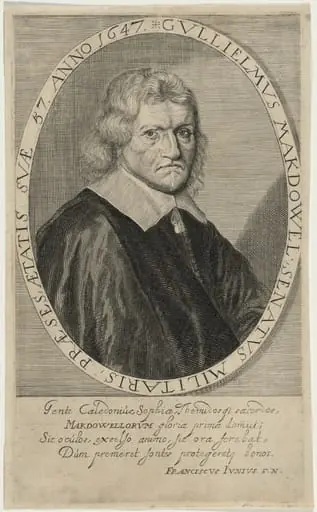
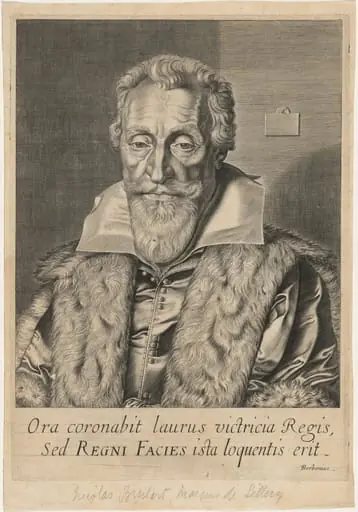
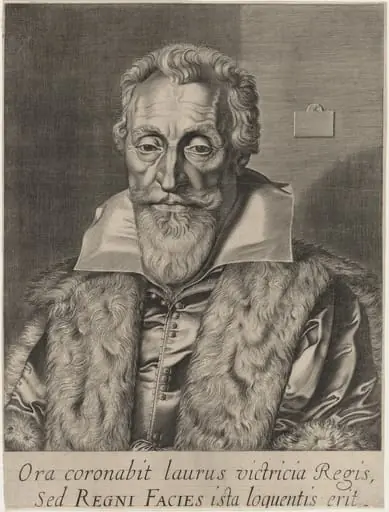
This engraving depicts Frederick IV, Elector Palatine, rendered in fine linear detail typical of early 17th-century printmaking. The portrait is enclosed within an ornate oval border adorned with intricate motifs and a partially legible inscription. The subject is shown against a dark, unobtrusive background, emphasizing his elaborate attire and the precision of the engraver’s technique.
Subject & Meaning
The lace collar and fur-trimmed jacket reflect aristocratic fashion of the period, while the decorative frame may allude to his political or dynastic ambitions.
Frederick IV, ruler of the Palatinate, is portrayed in formal court dress, signaling his status and authority. The lace collar and fur-trimmed jacket reflect aristocratic fashion of the period, while the decorative frame may allude to his political or dynastic ambitions. The inclusion of symbolic elements around the border likely conveys allegorical references to governance or lineage, though their exact meaning remains partially obscured.
Technique & Style
Executed as an engraving, the work relies on fine, controlled lines to model form and texture. The rendering of fabric, lace, and fur demonstrates meticulous attention to surface detail, characteristic of Northern European print traditions. The dark background enhances the three-dimensionality of the figure, while the ornamental frame functions both as decoration and as a structural boundary for the portrait.
History & Provenance
The print was likely produced during Frederick IV’s reign (1596–1610) or shortly after, possibly for distribution among courtiers or diplomatic recipients. Its survival suggests it was valued as a representation of Palatine authority, though its specific origin and early ownership remain undocumented in public records.
Context
Created during the late Renaissance, the portrait aligns with traditions of dynastic imagery in the Holy Roman Empire. While often associated with later Romanticism, this work predates that movement by over two centuries and instead reflects the formal portraiture practices of Protestant nobility in early Baroque Germany.
Legacy
As a documented likeness of Frederick IV, the engraving contributes to the visual record of Palatine rulers during a turbulent period preceding the Thirty Years’ War. Though not widely reproduced, it remains a reference for studies of early modern noble representation and the role of print in political identity.
Artist & collection

Artist