Artwork
Henry IV, King of France
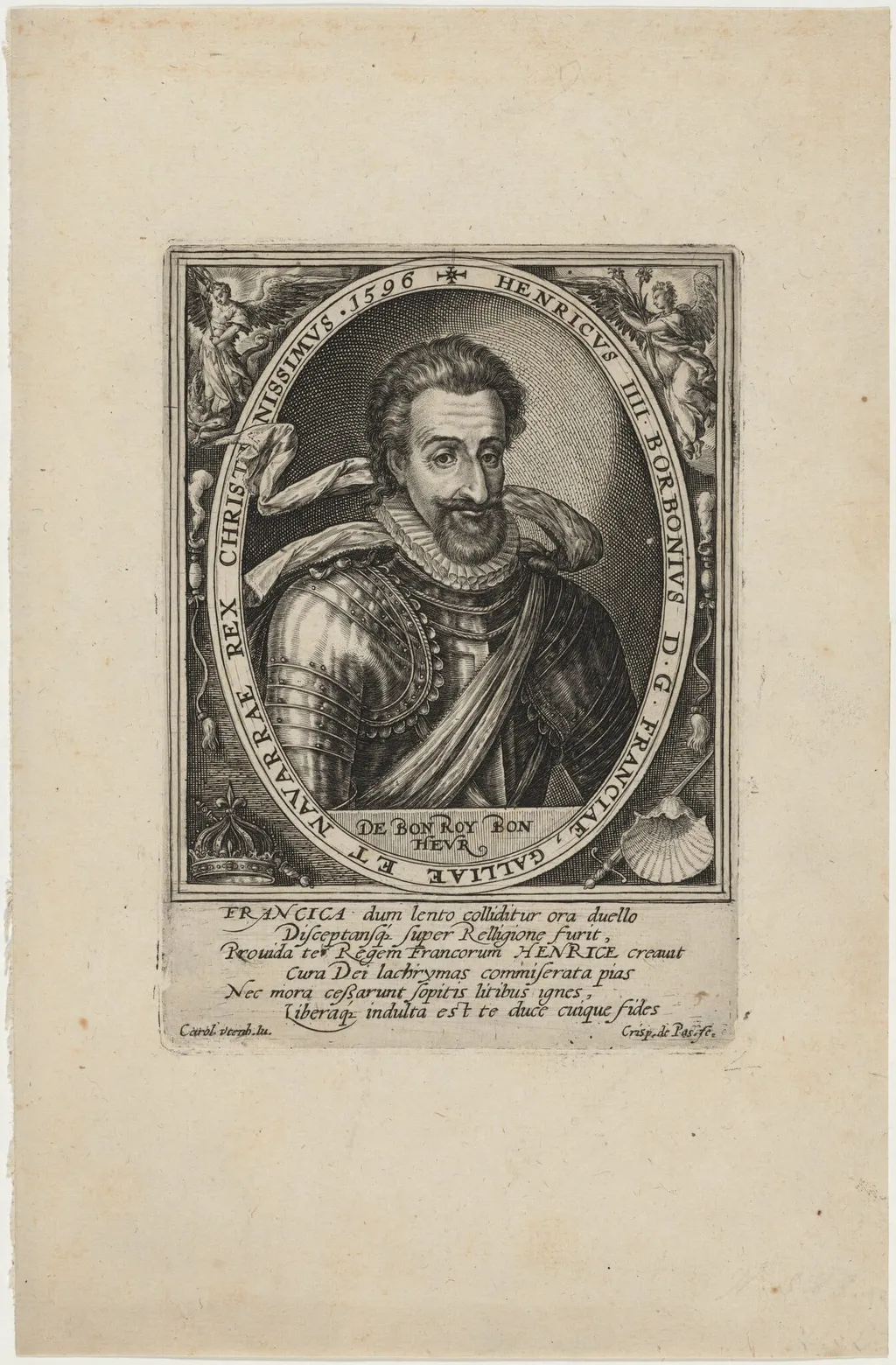
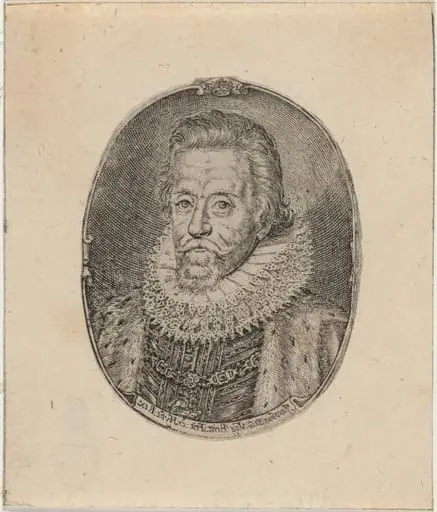
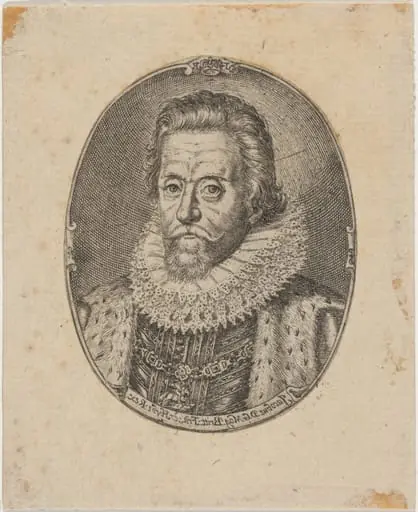
Henry IV, King of France is an ink print by the Renaissance artist Crispijn van de Passe I. It dates from 1598 and is held in the collection of the National Gallery of Art.
About this work
Overview
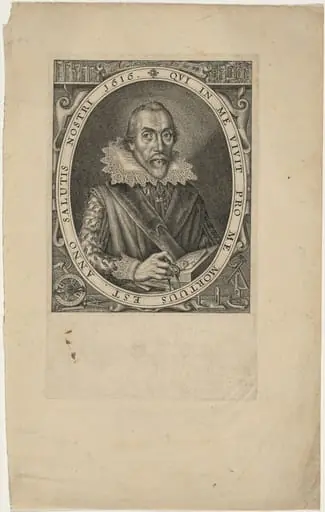
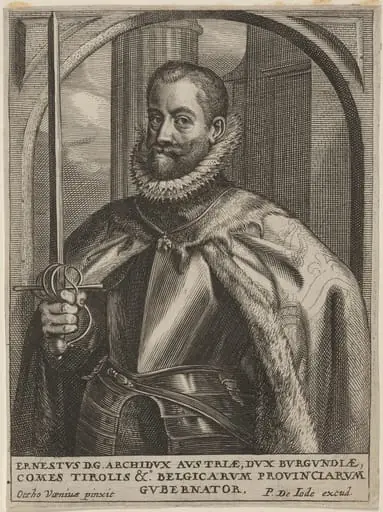
Crispijn van de Passe I produced an engraving of Henry IV, King of France, in 1598. The print presents the monarch from the chest upward, his head turned slightly to the right. Rendered against a dark, mottled background, the image emphasizes the sitter’s armor and cloak, offering a dignified yet contemplative portrait typical of late‑sixteenth‑century courtly representation.
Subject & Meaning
The figure is depicted with a full beard and mustache, his expression serious but softened by a faint smile. His eyes look downward, suggesting introspection or a moment of private thought. The combination of martial attire and subdued demeanor conveys both the king’s authority as a military leader and a personal, reflective aspect of his character.
Technique & Style
Van de Passe employed fine cross‑hatching to achieve tonal variation across the dark background and the intricate folds of the cloak and armor. The meticulous line work creates a textured surface that models the metal’s sheen and the fabric’s drapery, while the subtle gradations give depth to the portrait’s facial features and overall composition.
History & Provenance
Created in 1598, the engraving belongs to a series of portrait prints that circulated among European courts to disseminate royal imagery. As a work by a prominent Dutch engraver, it likely entered collections of diplomatic gifts and private collectors, eventually finding a place in museum holdings that document the visual culture of early modern monarchy.
Artist & collection

Artist
Crispijn van de Passe I (1564–1637) was an artist, born in Arnemuiden.