Artwork
James I, King of England
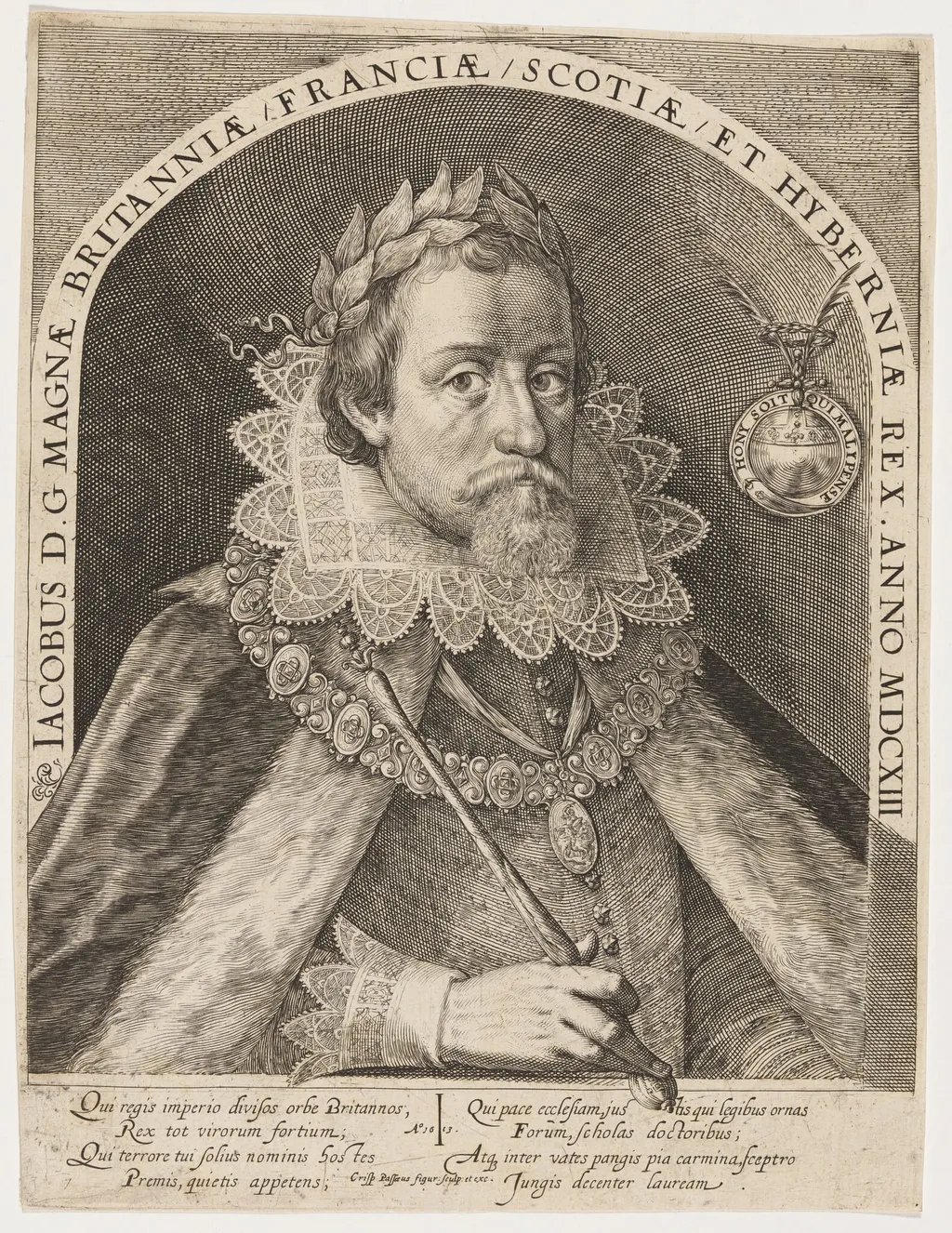
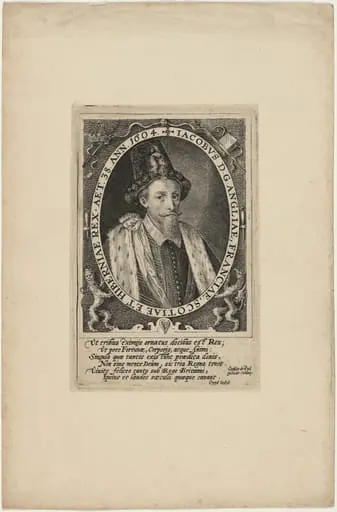
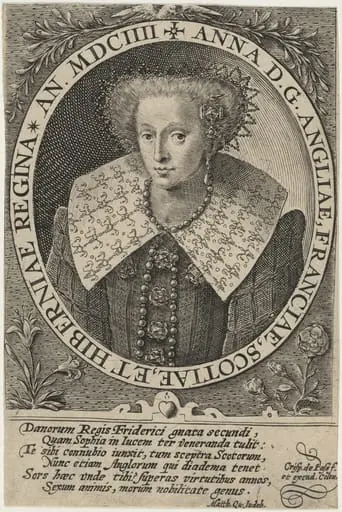
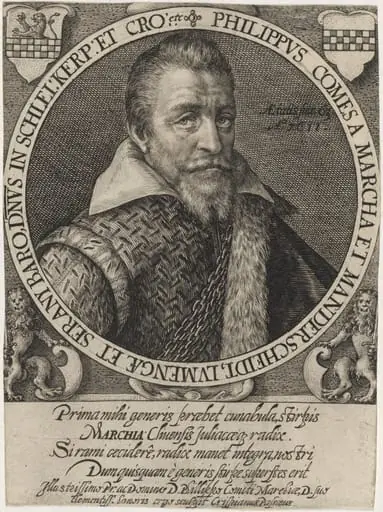
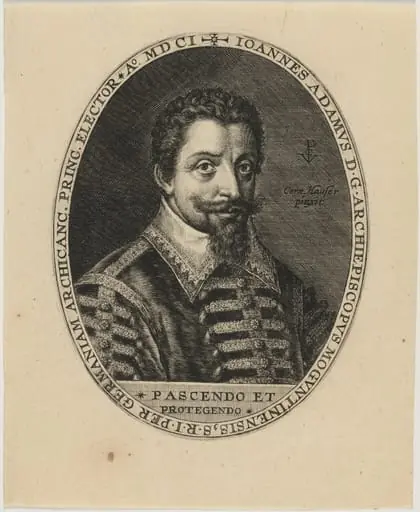
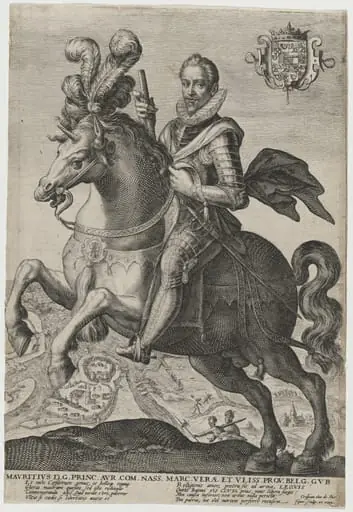
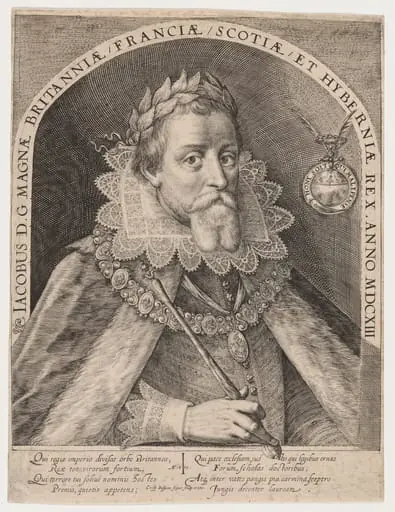
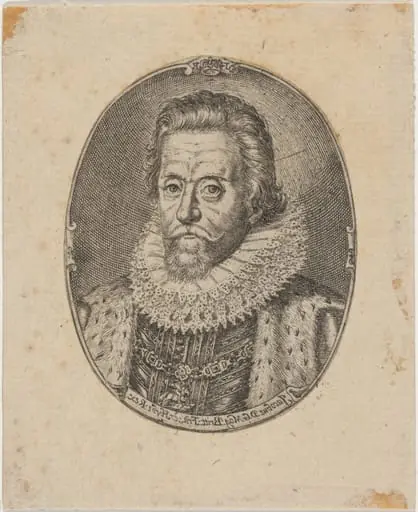
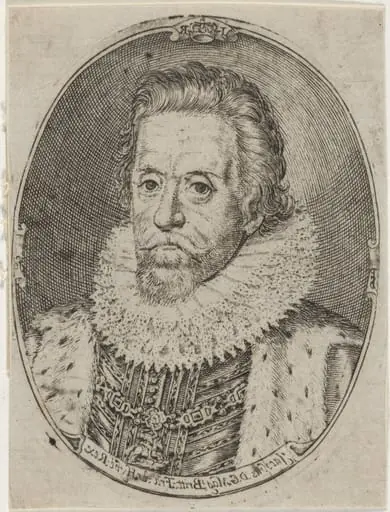
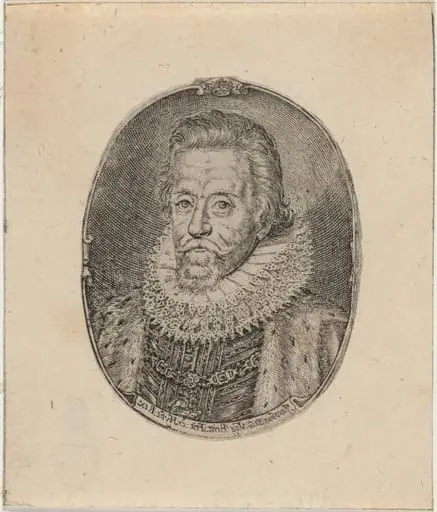
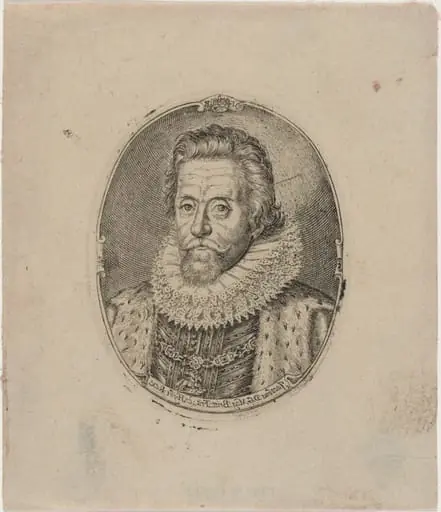
James I, King of England is an ink print by the Renaissance artist Crispijn van de Passe I. It dates from 1601 and is held in the collection of the National Gallery of Art.
About this work
Overview
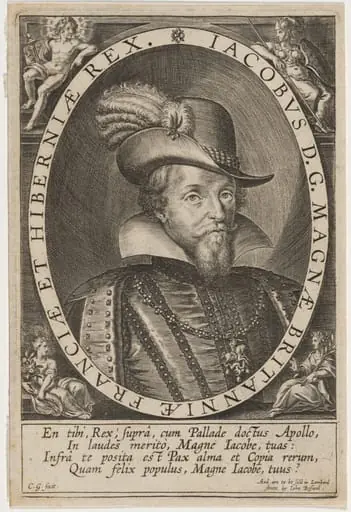
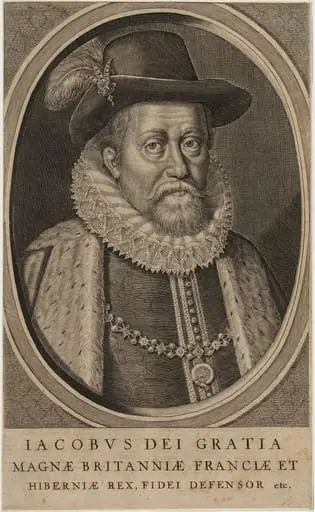
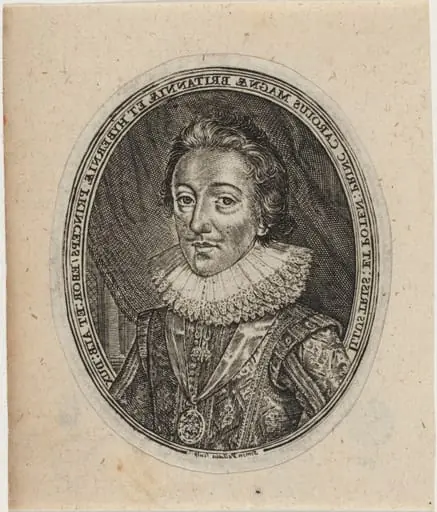
Crispijn van de Passe I produced this copperplate engraving in 1601, portraying James I of England. The portrait presents the monarch in regal attire—a crown, a high‑collared cloak, and a sword—against a stark, dark background that emphasizes his solemn expression and finely rendered facial features.
Subject & Meaning
The image conveys royal authority through symbolic elements: the crown denotes sovereignty, the sword suggests martial power, and the dignified pose reflects the king’s self‑presentation as a steadfast ruler. The serious demeanor aligns with contemporary expectations of monarchical gravitas during the early Stuart period.
Technique & Style
Executed with meticulous cross‑hatching, the engraving achieves tonal depth and texture, particularly in the rendering of the cloak’s folds and the facial details. Van de Passe’s skillful line work creates a contrast between the illuminated figure and the surrounding darkness, a hallmark of early 17th‑century printmaking.
History & Provenance
Created in the Netherlands, the print was likely intended for distribution among courtiers and collectors interested in royal portraiture. Copies circulated in England and continental Europe, contributing to James I’s visual propaganda. The work remains in several museum collections, reflecting its historical significance as an early modern royal portrait.
Artist & collection

Artist
Crispijn van de Passe I (1564–1637) was an artist, born in Arnemuiden.