Artwork
James I
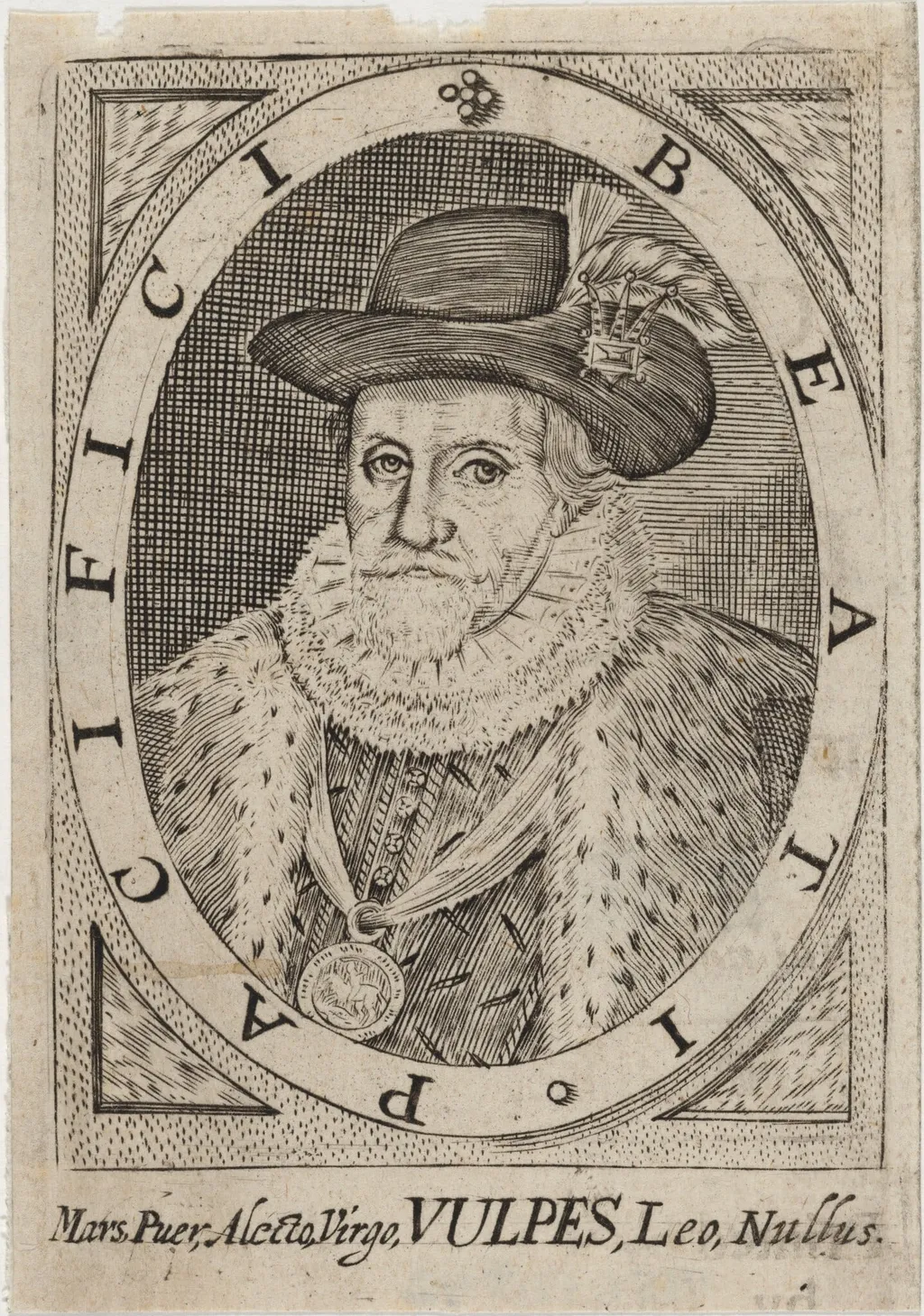
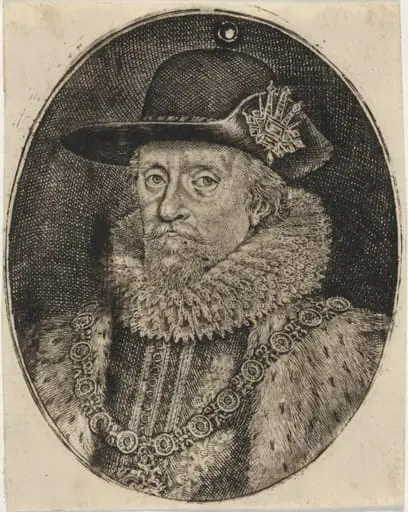
James I is an ink print by the Romanticist artist Unknown 19th Century. It dates from 1850 and is held in the collection of the National Gallery of Art.
About this work
Overview
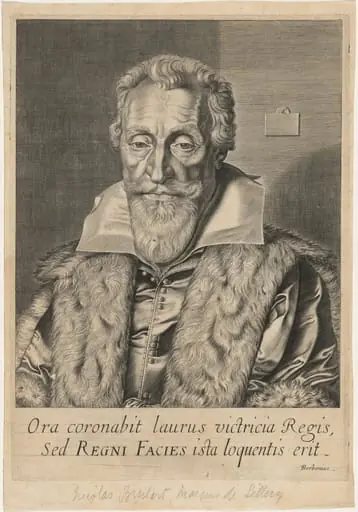
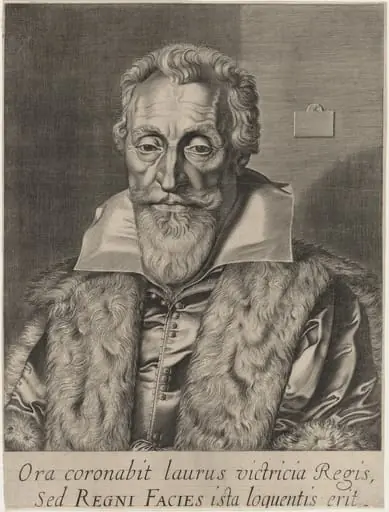
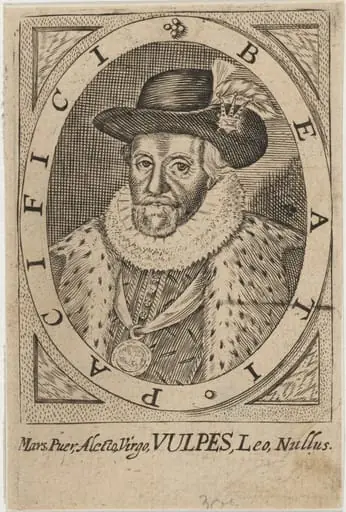
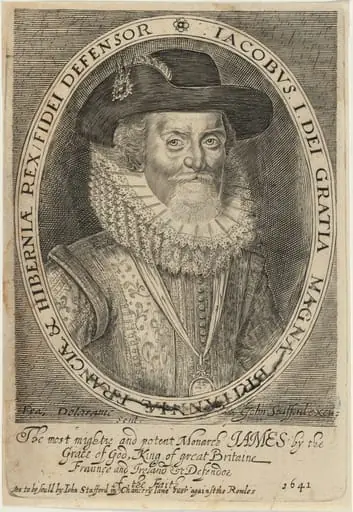
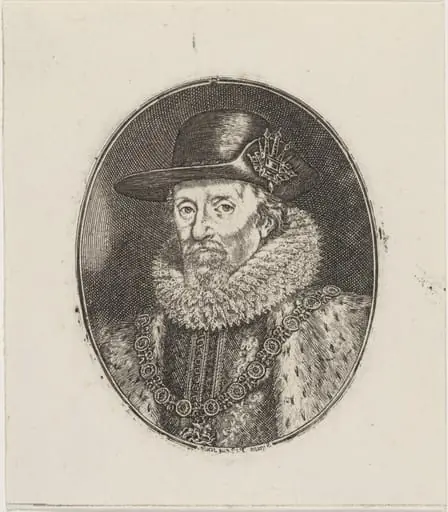
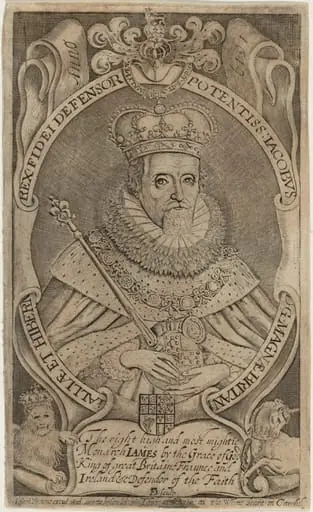
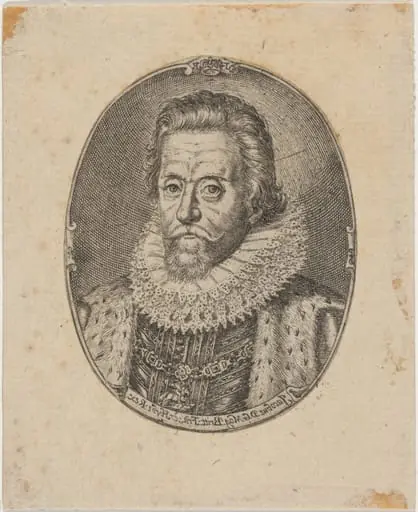
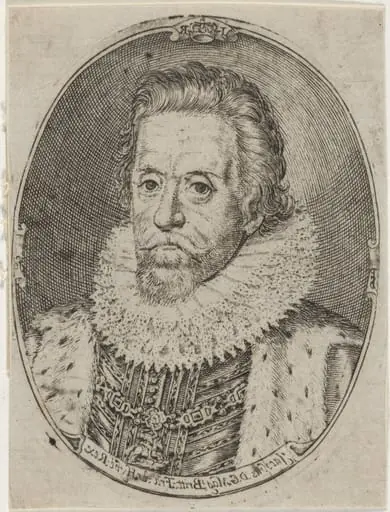
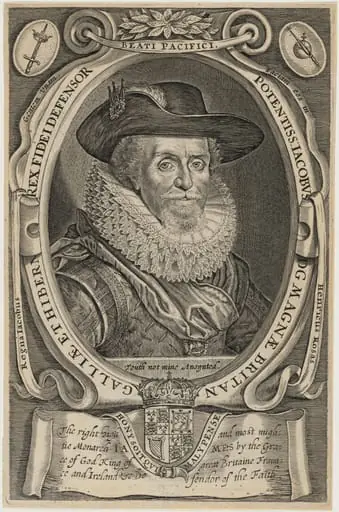
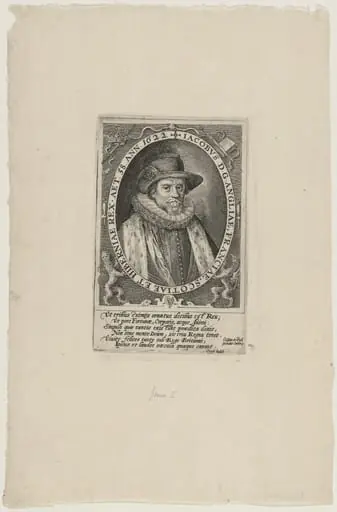
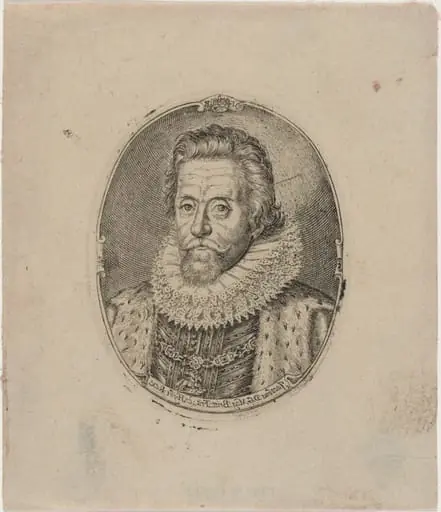
The work is a black‑and‑white engraving titled “James I.” It depicts a bearded male figure wearing a wide‑brimmed hat and a high, ruffled collar. The figure holds a small coin, and the composition is framed by the words “ETHIC” and “VIRTUE” arranged in a circular band around his head.
Subject & Meaning
The portrait presents a stylized representation of a ruler, likely referencing King James I of England. The inclusion of the terms “ethic” and “virtue” suggests an allegorical intent, linking the monarch’s authority to moral qualities.
Technique & Style
Executed entirely with fine cross‑hatching, the engraving relies on dense line work to model the texture of the fur collar, beard, and facial features. This method of building tonal variation through parallel and intersecting lines was typical of early modern printmaking, allowing depth without the use of colour.
History & Provenance
The piece is a print, meaning multiple impressions could have been produced, though no specific date or publisher is recorded in the available information. Its survival as a single documented example indicates it may have been part of a limited series or a private commission.
Context
Engravings of monarchs were common in the 16th and 17th centuries, serving both as propaganda and as decorative objects. The moral inscriptions echo contemporary humanist trends that emphasized the ruler’s responsibility to embody ethical principles.
Legacy
While the engraving itself is not widely cited in major collections, it exemplifies the period’s approach to portraiture in print form, illustrating how artists combined portraiture with didactic text to convey political and moral messages.
Artist & collection

Artist