Artwork
Jean Jacques Boissard
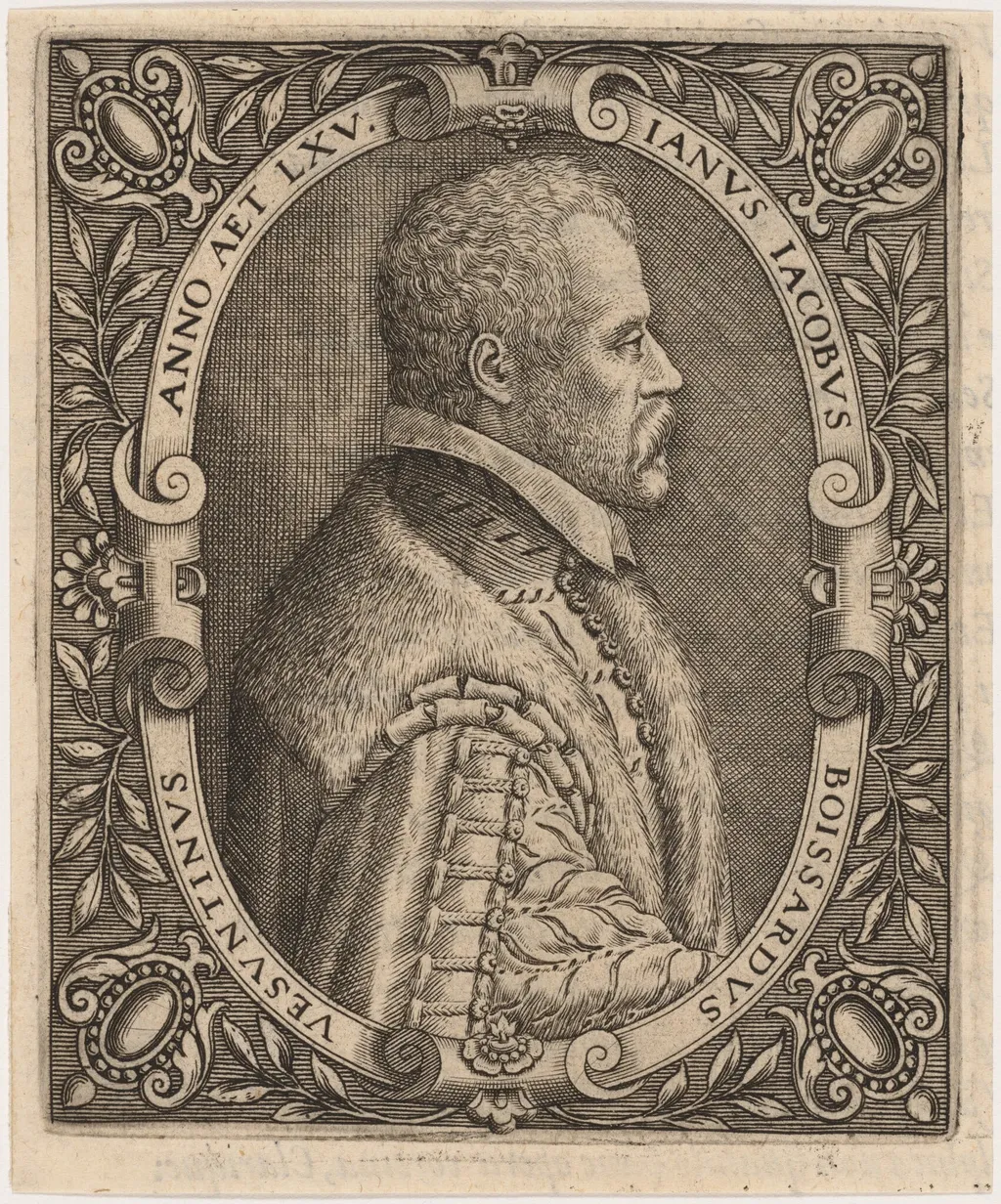
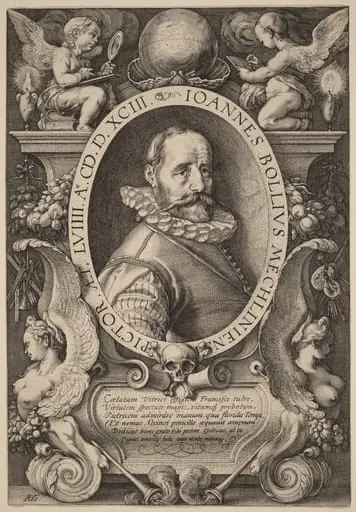
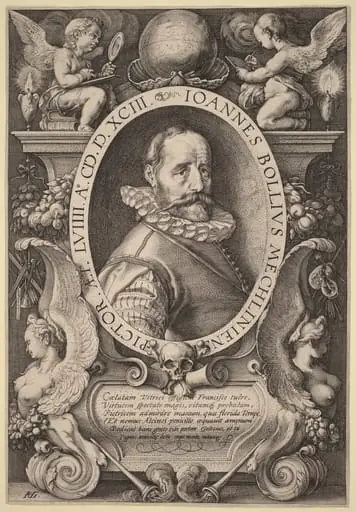
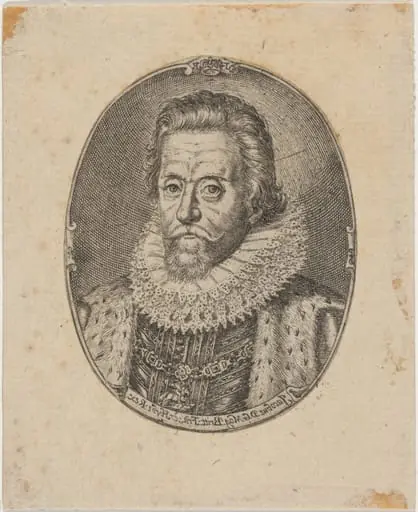
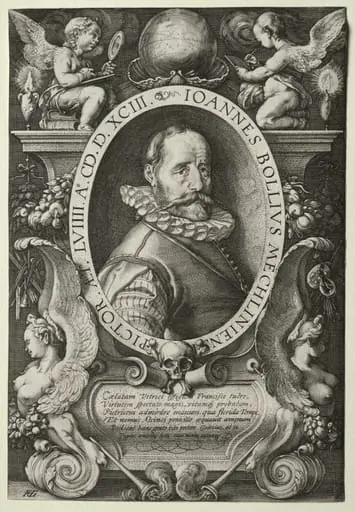
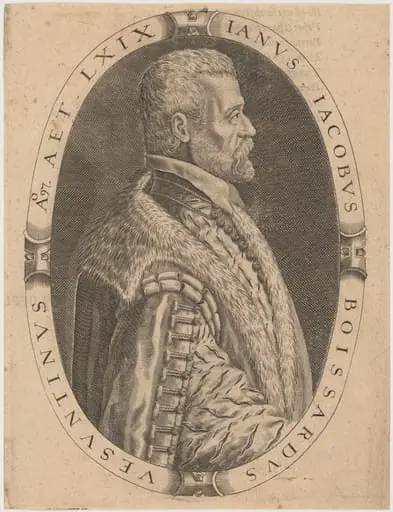
Jean Jacques Boissard is an ink print by the Romanticist artist Unknown 19th Century. It dates from 1850 and is held in the collection of the National Gallery of Art. The print is a black‑and‑white engraving depicting a dignified male figure.
About this work
Overview
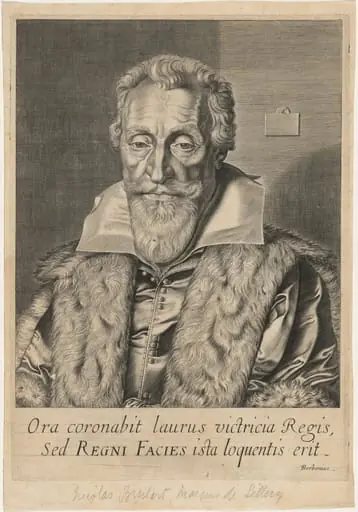
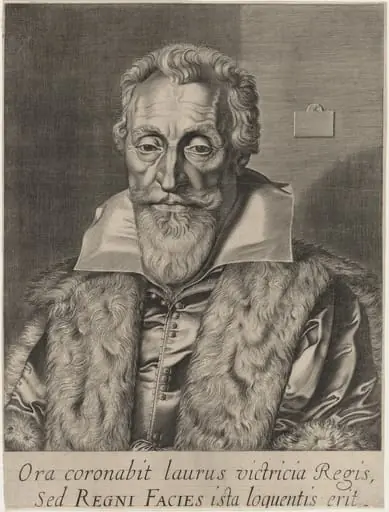
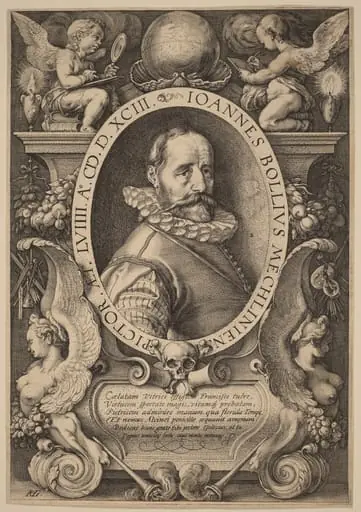
The print is a black‑and‑white engraving depicting a dignified male figure. He wears a high‑collared robe, his right hand rests on his chest, and his expression is solemn. A decorative border of swirling foliage and scrollwork frames the portrait, with the name “Jean Jacques Boissard” rendered in an ornate script along the sides.
Subject & Meaning
The sitter is identified as Jean Jacques Boissard, a noted antiquarian and scholar of the 16th century. The formal pose and the inclusion of a heraldic‑style border suggest an intention to present him as a learned gentleman of status, emphasizing his intellectual authority.
Technique & Style
Engraved with fine, closely spaced lines, the image achieves tonal variation through hatching and cross‑hatching, especially in the folds of the robe. The delicate line work creates a sense of depth and texture, while the ornamental border demonstrates the period’s taste for intricate, decorative framing.
History & Provenance
The print originates from the early modern period, when portrait engravings were commonly used to disseminate the likenesses of scholars and artists. It likely circulated among collectors of Boissard’s works and may have been included in contemporary publications that featured his writings.
Context
During the Renaissance, engravings served both as artistic expressions and as vehicles for scholarly identity. Boissard’s portrait aligns with this practice, presenting his image alongside emblematic motifs that signal his erudition and connection to the humanist tradition.
Artist & collection

Artist