Artwork
John Barclay
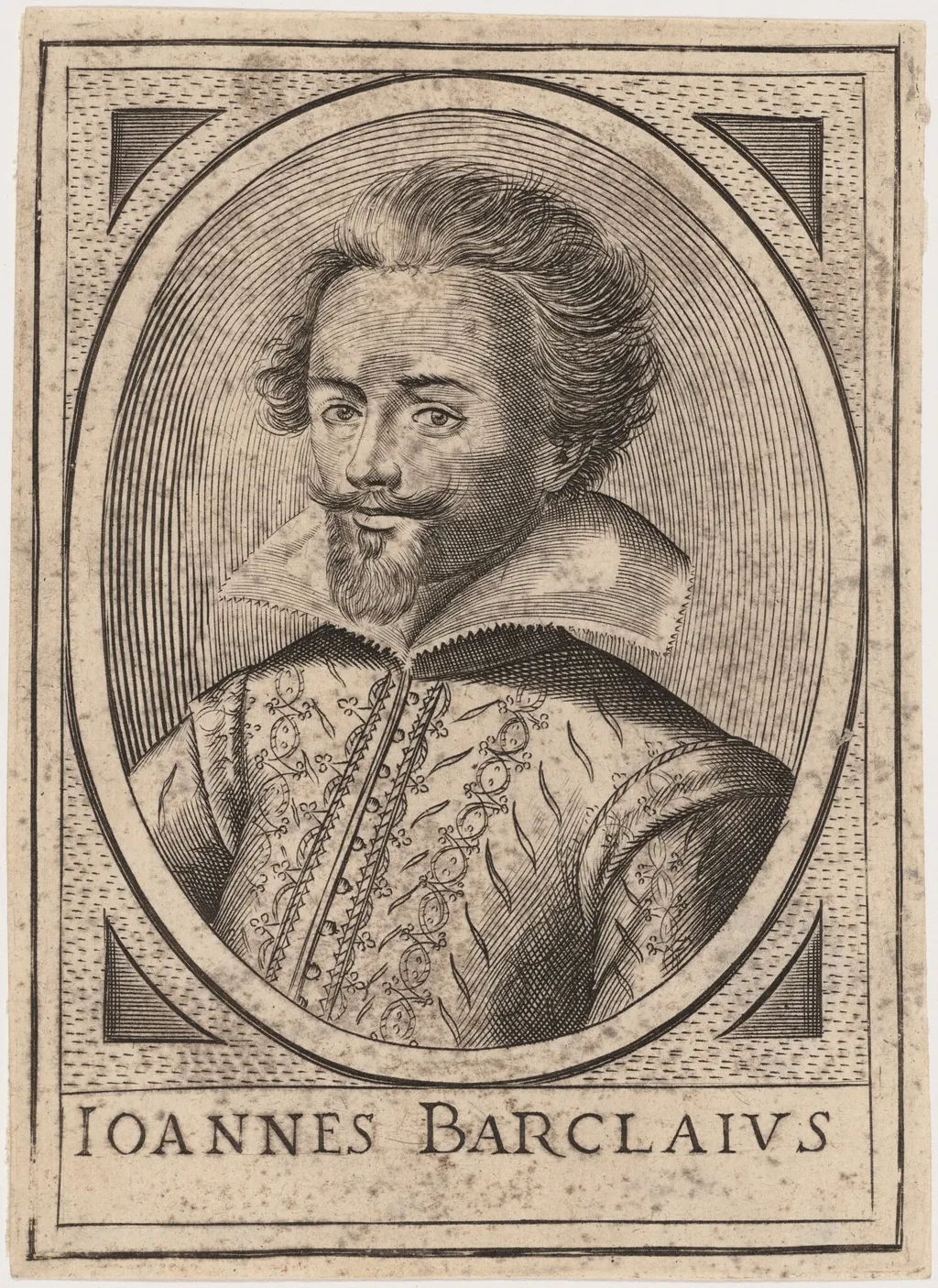
John Barclay is an ink print by the Romanticist artist Unknown 19th Century. It dates from 1850 and is held in the collection of the National Gallery of Art.
About this work
Overview
Executed with fine linear precision, the image emphasizes facial detail and textile texture against a neutral background.
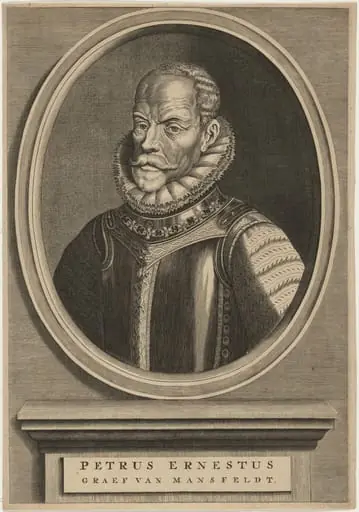
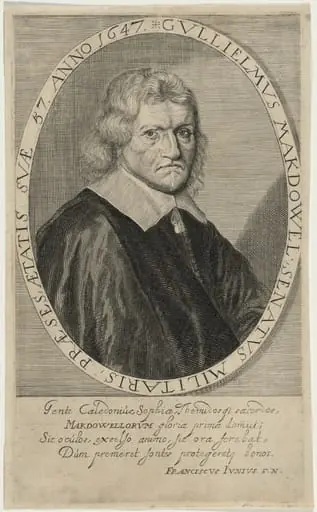
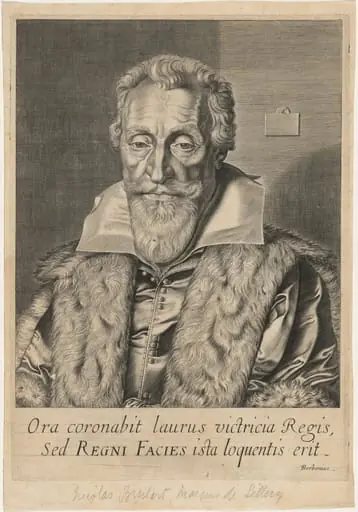
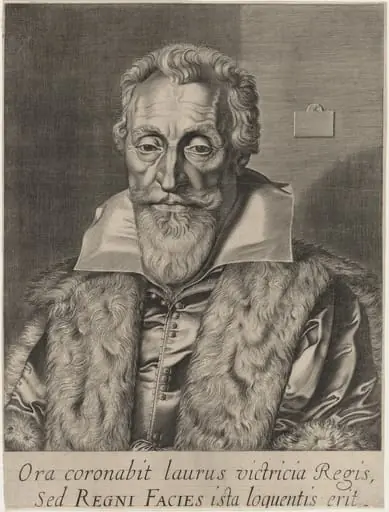
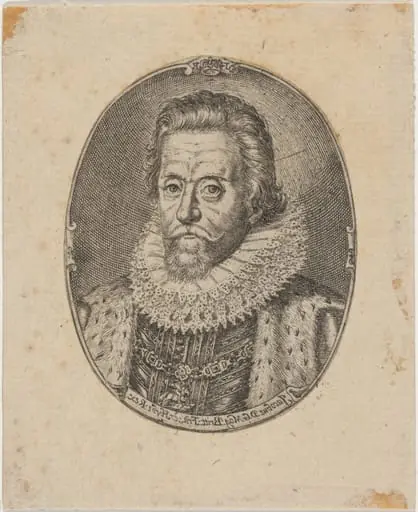
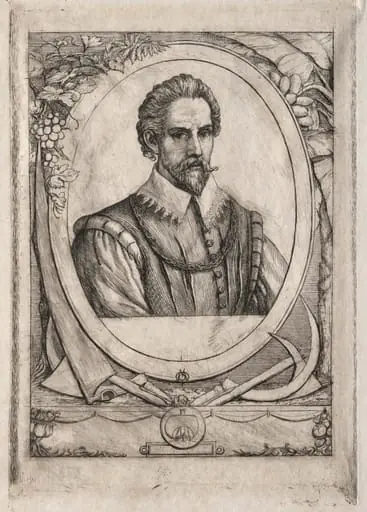
This black-and-white engraving depicts John Barclay, a figure likely of scholarly or professional standing, rendered in the formal portraiture style common in the early 19th century. Executed with fine linear precision, the image emphasizes facial detail and textile texture against a neutral background. The Latinized inscription 'Ioannes Barclayus' reflects the scholarly conventions of the period, reinforcing the subject’s educated status and the print’s intended use as a dignified likeness.
Subject & Meaning
The subject, John Barclay, is presented with solemn composure, his neatly trimmed beard and high-collared, embroidered shirt suggesting social refinement and professional identity. The absence of contextual elements focuses attention on personal dignity rather than occupation or achievement. The oval frame, a traditional device in portraiture, elevates the image to a status of quiet reverence, aligning the sitter with ideals of intellectual gravitas common in Enlightenment-era portraiture.
Technique & Style
The portrait is executed in line engraving, a technique relying on incised metal plates to produce fine, controlled strokes. Shading and texture are achieved through varying densities of parallel and cross-hatched lines, particularly evident in the fabric’s embroidery and the subtle modeling of the face. The plain background isolates the figure, enhancing clarity and emphasizing the craftsmanship of the engraver’s hand in rendering detail without color or tone.
History & Provenance
Though specific origins are unrecorded, the print likely dates to the early 1800s, when engraved portraits were commonly produced for private collections or academic circles. The Latin inscription suggests a continental European influence, possibly linked to scholarly or ecclesiastical networks. Such prints were often distributed as keepsakes or used in publications, serving as tangible markers of personal or institutional identity during a time before widespread photography.
Context
In the early 19th century, engraved portraits were a primary means of preserving likenesses among the educated classes. Without photography, such prints functioned as both personal mementos and public representations of status. The use of Latin, the oval frame, and the emphasis on textual detail reflect enduring Renaissance and Baroque traditions adapted to the emerging bourgeois culture of the time, where intellectual identity was visually codified.
Legacy
This engraving exemplifies the transition from handcrafted portraiture to mass-produced imagery, bridging pre-photographic traditions with modern documentation. While the identity of John Barclay remains obscure, the print endures as a testament to the skill of engravers and the cultural value placed on formal representation. It invites reflection on how identity was constructed visually before the age of mechanical reproduction.
Artist & collection

Artist