Artwork
Henry Julius, Duke of Brunswick, Bishop of Halberstadt
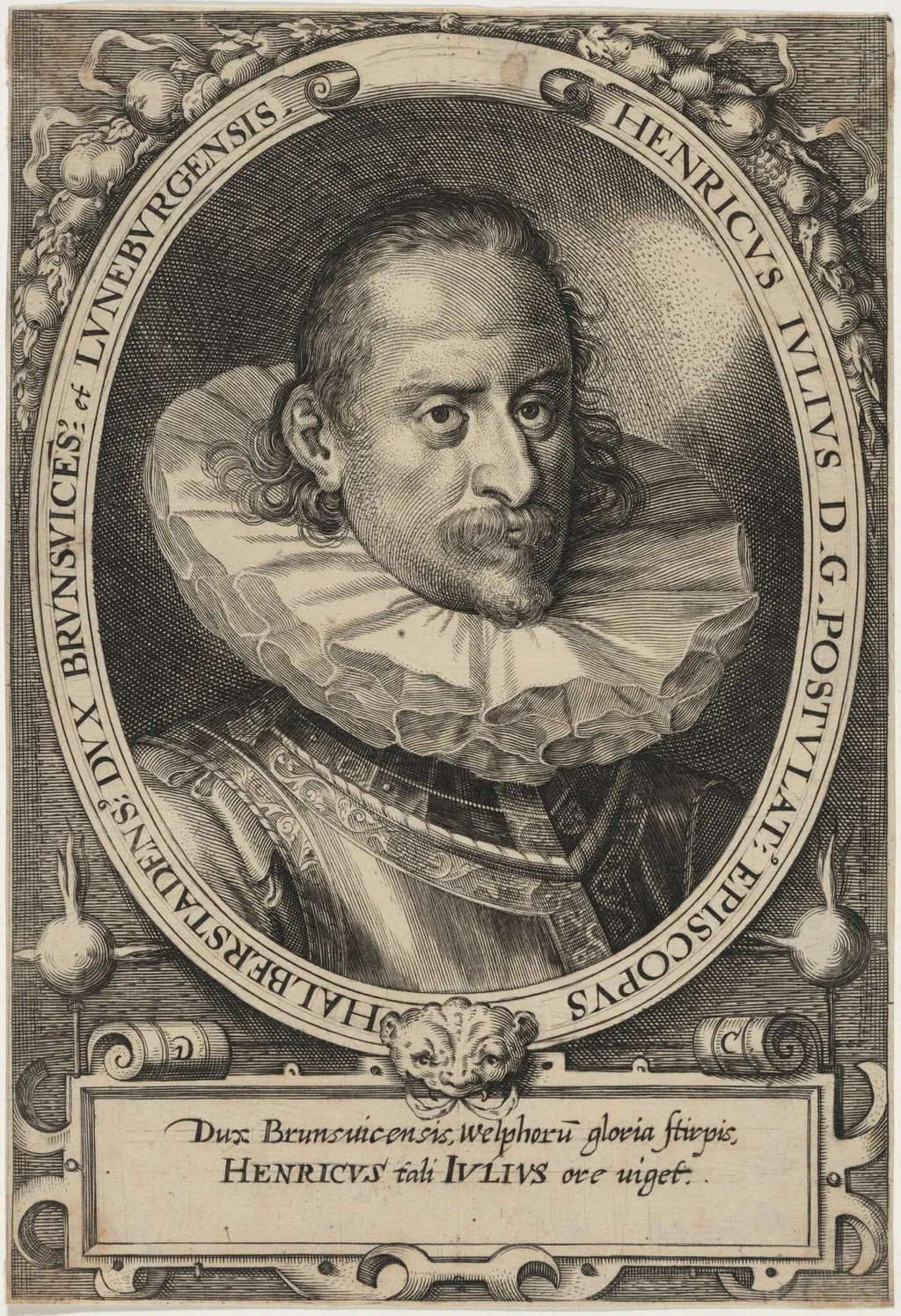
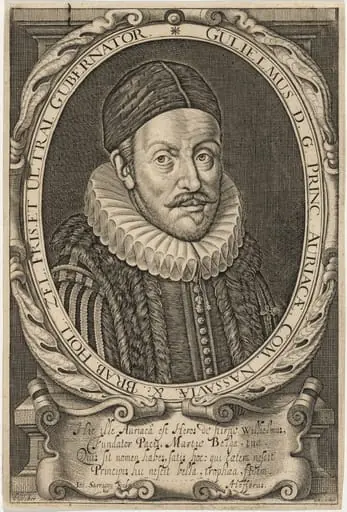
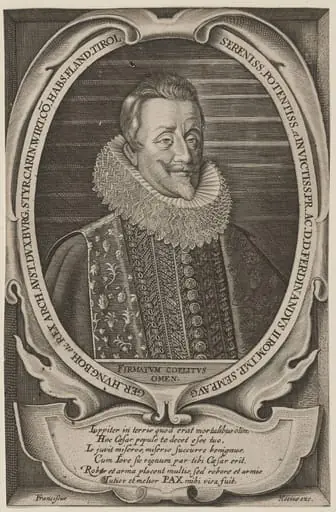
Henry Julius, Duke of Brunswick, Bishop of Halberstadt is an ink print by the Romanticist artist Unknown 19th Century. It dates from 1850 and is held in the collection of the National Gallery of Art. This black-and-white engraving depicts Henry Julius, Duke of Brunswick and Bishop of Halberstadt, rendered in fine linear detail.
About this work
Overview
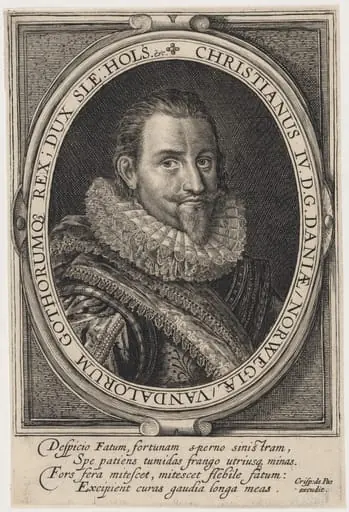
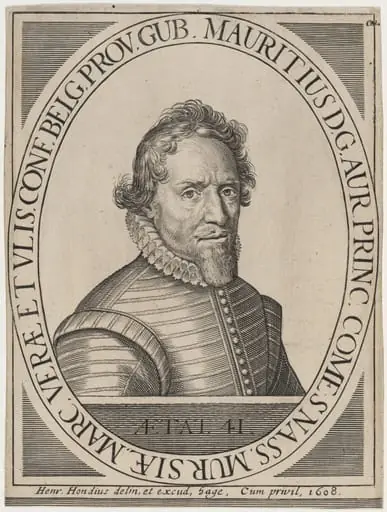
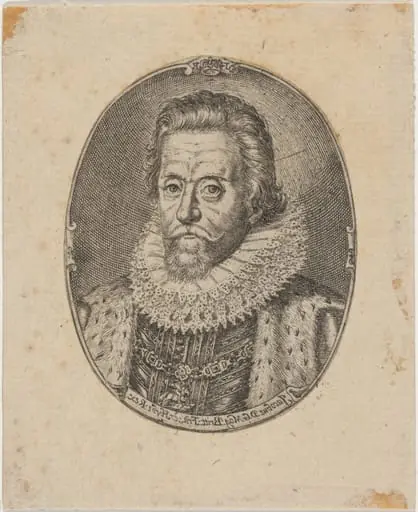
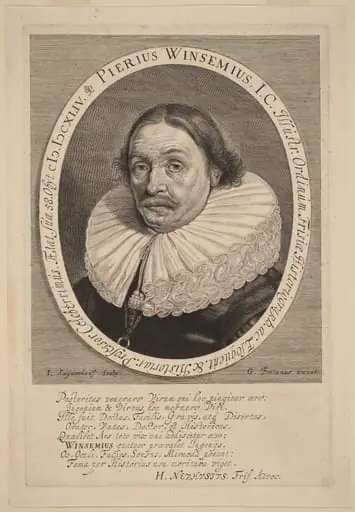
This black-and-white engraving depicts Henry Julius, Duke of Brunswick and Bishop of Halberstadt, rendered in fine linear detail. The portrait is framed by an ornate border of swirling motifs and inscribed with Latin text along its perimeter. A banner at the base provides additional inscription. The composition relies entirely on line work to convey form, with no tonal gradations or color.
Subject & Meaning
The Latin inscriptions likely denote his titles and lineage, reinforcing his authority and status within the Holy Roman Empire's political-religious hierarchy.
Henry Julius is portrayed with the dignity befitting his dual roles as secular ruler and ecclesiastical leader. His full beard, curled hair pulled back, and high ruffled collar reflect contemporary aristocratic and clerical dress of the late 16th century. The Latin inscriptions likely denote his titles and lineage, reinforcing his authority and status within the Holy Roman Empire's political-religious hierarchy.
Technique & Style
The portrait employs cross-hatching—layered sets of fine, intersecting lines—to model volume and texture, particularly on the face and collar. This method creates subtle shadows and depth without ink wash or tone. The decorative border, rich in intricate swirls, contrasts with the plain background, directing focus to the sitter’s face while elevating the image’s ceremonial character.
History & Provenance
Created during Henry Julius’s lifetime, the engraving likely served as a portrait for distribution among allies, clergy, or courtiers. Such prints were common tools for projecting power and legitimacy in early modern Europe. Its survival suggests it was preserved in ecclesiastical or noble collections, possibly in Lower Saxony or Halberstadt, where he held influence.
Context
In the late 1500s, engraved portraits were vital for disseminating the likenesses of rulers and bishops, especially where painting was inaccessible. Henry Julius’s dual authority as duke and bishop reflected the complex fusion of secular and religious power in Protestant territories of the Holy Roman Empire. This print aligns with a broader tradition of using print media to reinforce political identity.
Legacy
The engraving remains a documented example of early modern portraiture in print, illustrating how line-based techniques conveyed authority without color or lithography. It contributes to the visual record of Protestant nobility in northern Germany and reflects the role of engravers in shaping public perception of religious-political figures during the Reformation era.
Artist & collection

Artist