Artwork
John, Lord Harrington of Exton
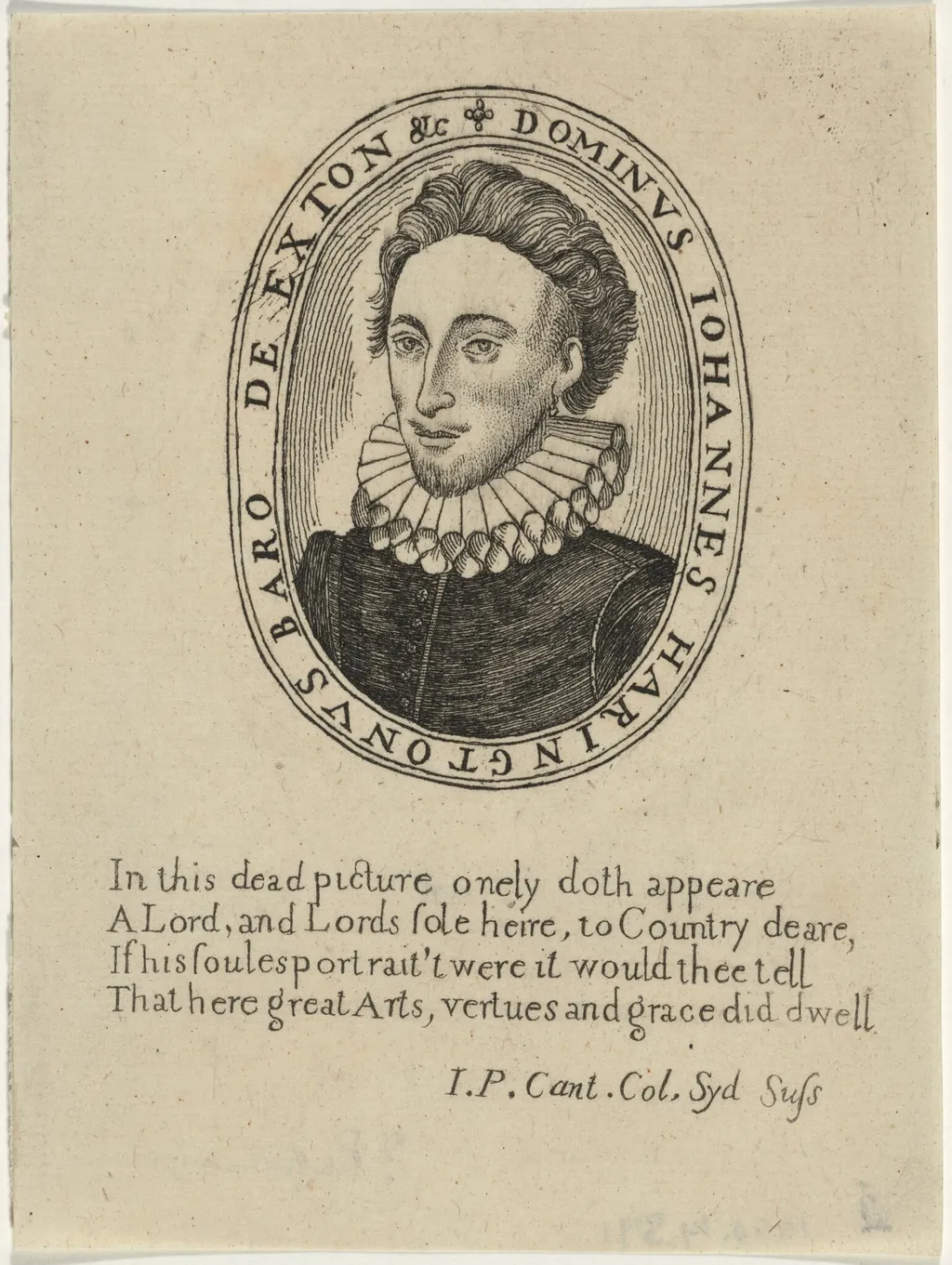
John, Lord Harrington of Exton is an ink print by the Romanticist artist Unknown 19th Century. It dates from 1850 and is held in the collection of the National Gallery of Art.
About this work
Overview
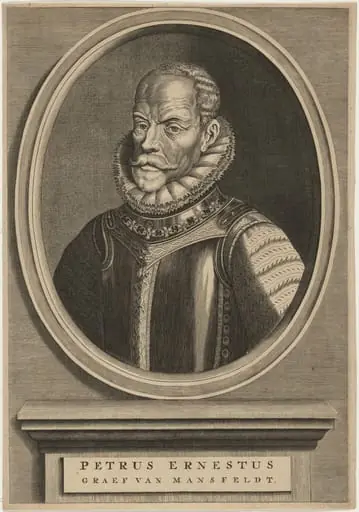
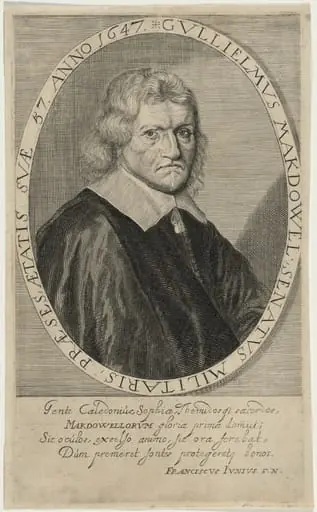
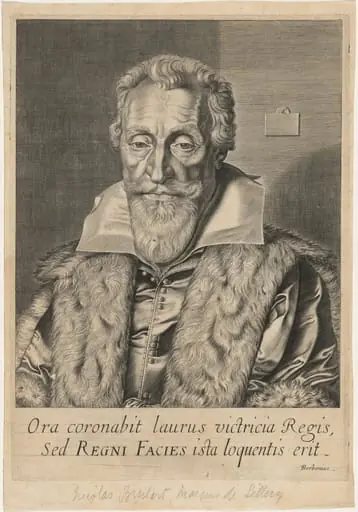
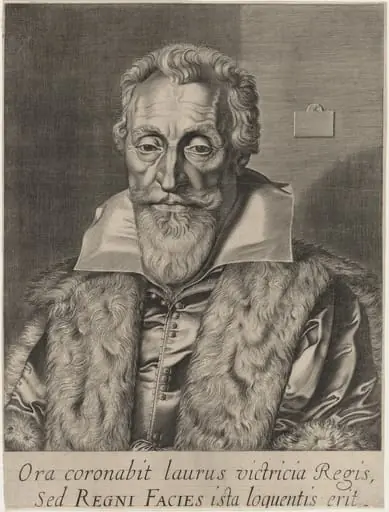
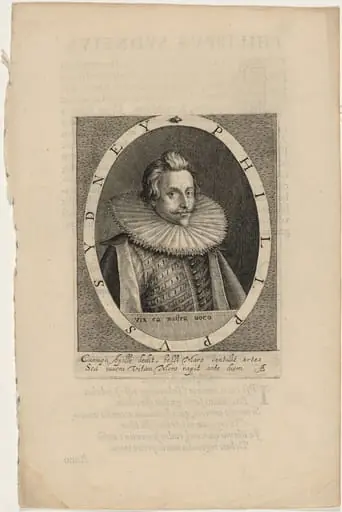
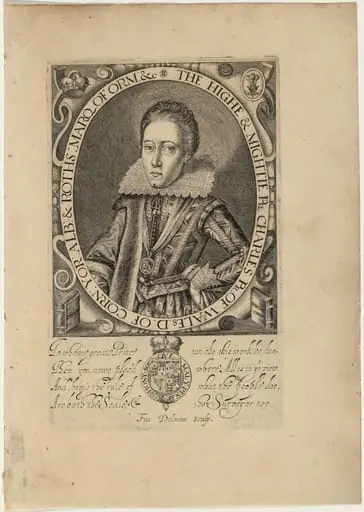
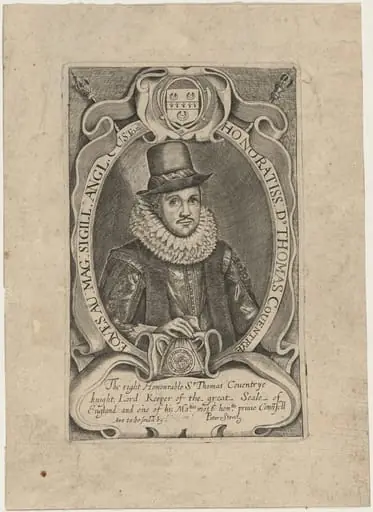
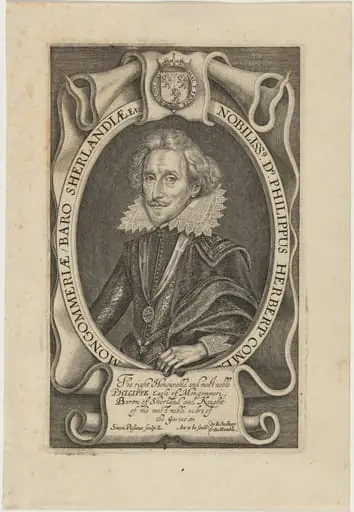
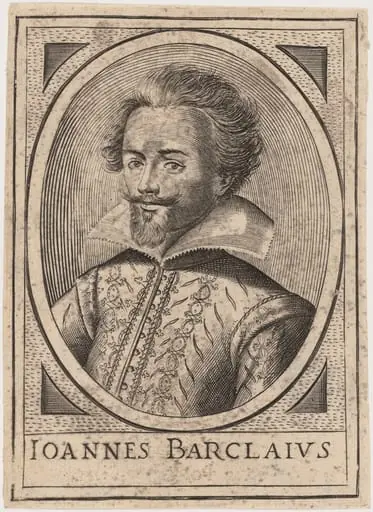
This black-and-white woodcut depicts John, Lord Harrington of Exton, a nobleman of early modern England.
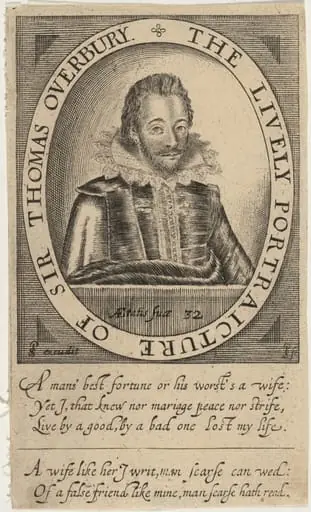
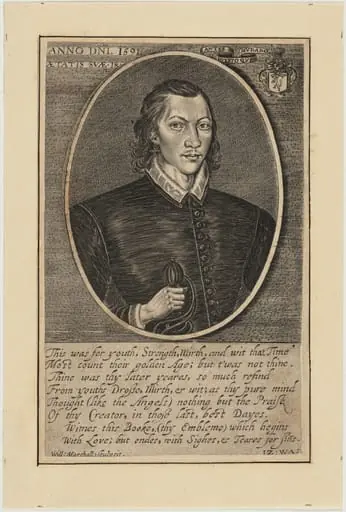
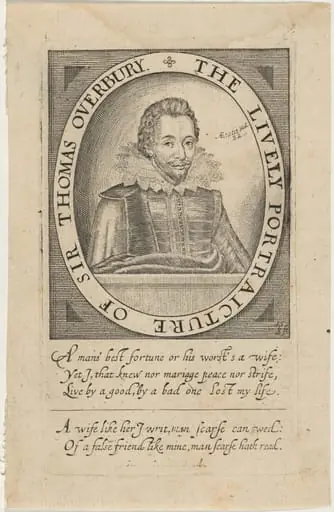
This black-and-white woodcut depicts John, Lord Harrington of Exton, a nobleman of early modern England. The portrait is framed within a circular border, with his name and title inscribed around it. Below the image, a verse extols his character and status. Produced as a printed image, it reflects the use of woodcut technology to disseminate likenesses of prominent individuals before the widespread adoption of engraving or painting.
Subject & Meaning
The portrait represents John Harrington as a man of social standing, identified by his title and the formal attire of his ruffled collar. The accompanying poem elevates him as a paragon of virtue, aligning his image with ideals of nobility and moral integrity. The inscription in Latin reinforces his identity within a learned, aristocratic context, suggesting the print served both as commemoration and as a statement of lineage and honor.
Technique & Style
Executed in woodcut, the image relies on bold, linear contrasts between inked areas and the untouched wood surface. The face and collar are rendered with fine, controlled lines, while the circular border and text are carefully integrated into the composition. The plain background focuses attention on the figure and inscription, typical of early printed portraits where clarity and legibility outweighed decorative detail.
History & Provenance
The print likely dates to the late 16th or early 17th century, coinciding with Harrington’s lifetime and the peak of woodcut portraiture in England. Such prints were often commissioned by families or associates to commemorate notable individuals. While its exact origin and early ownership are undocumented, its survival suggests it was preserved within Harrington’s circle or among collectors of printed ephemera.
Context
Woodcuts like this were common tools for visual communication among the literate elite in early modern Europe. They allowed for the reproduction of likenesses without the cost of painting, making them accessible for memorializing nobility, clergy, and scholars. The inclusion of Latin text and poetic praise reflects the humanist culture of the period, where learning and lineage were intertwined in public representation.
Legacy
This woodcut stands as an example of how print technology democratized portraiture in the pre-photographic era. Though not widely known today, such images contributed to the visual culture of English aristocracy and preserved the appearance of figures otherwise known only through written records. It remains a tangible link to the ways identity and status were visually constructed in the early modern period.
Artist & collection

Artist