Artwork
A Hornbill
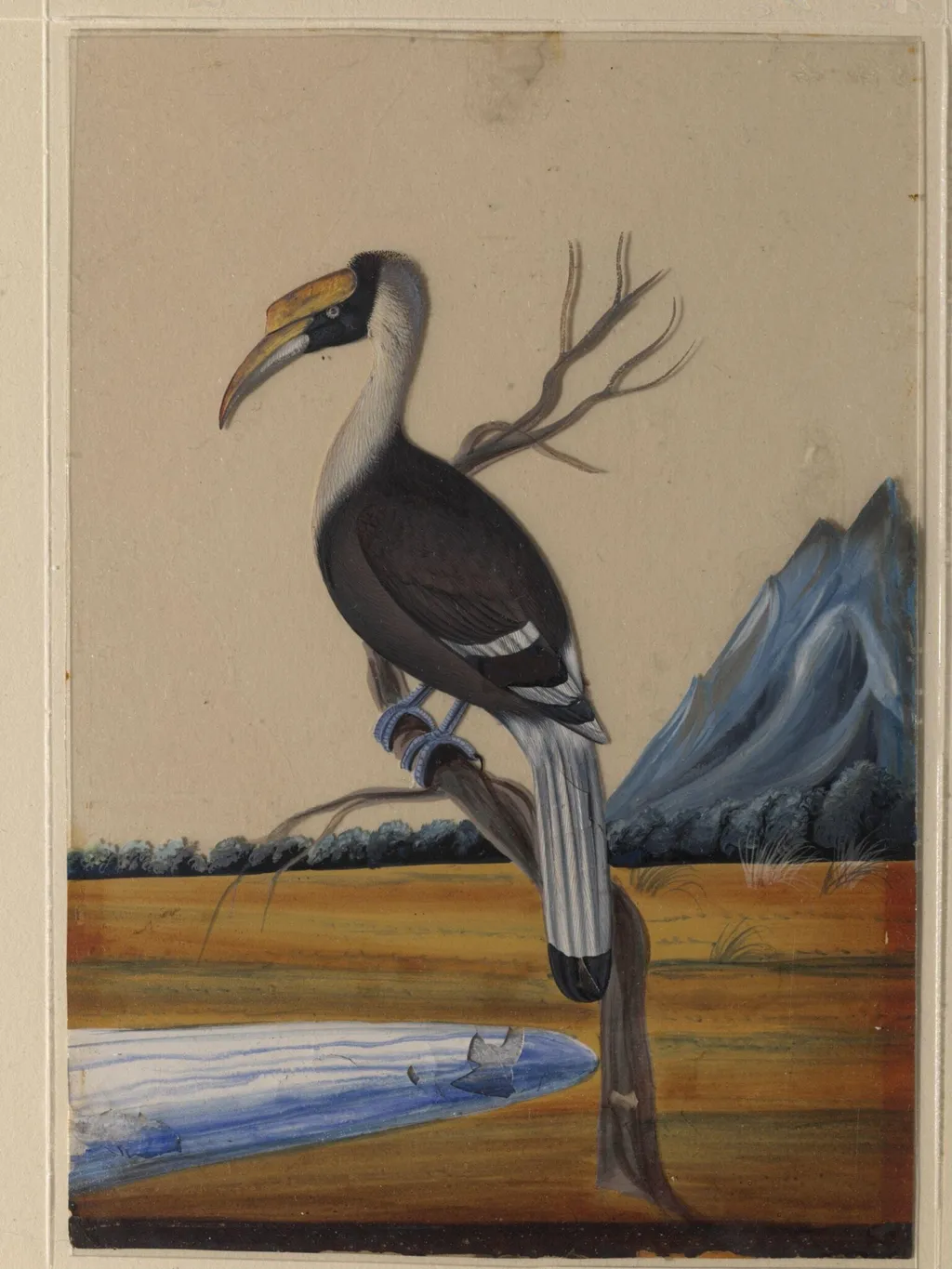
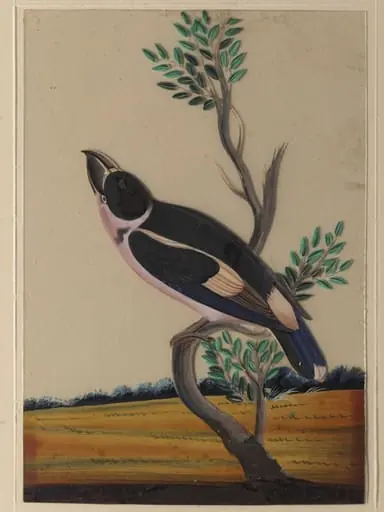
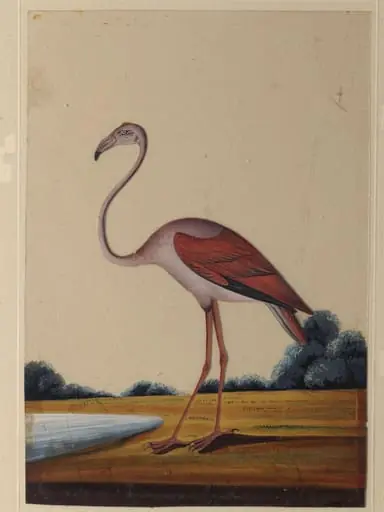
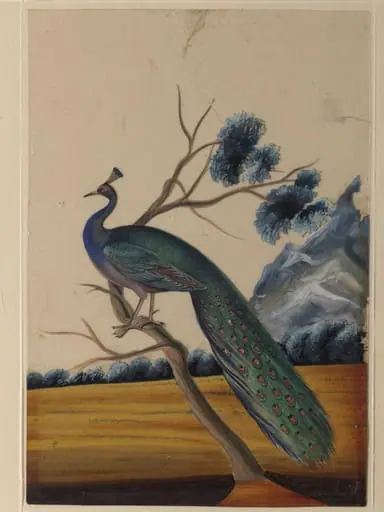
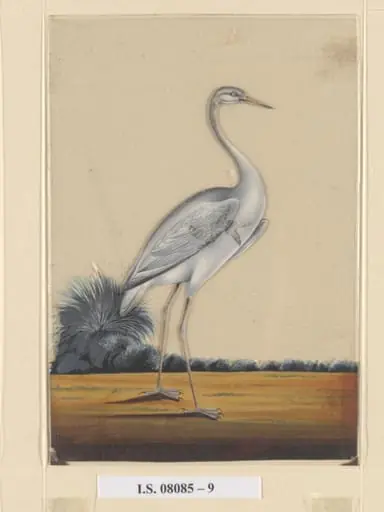
A Hornbill is a paint painting by the Impressionist artist Unknown. It dates from 1860 and is held in the collection of the Victoria and Albert Museum. This painting depicts a single hornbill standing in shallow water, rendered with quiet precision.
About this work
Overview
The composition emphasizes stillness and natural form, avoiding dramatic elements in favor of restrained observation.
This painting depicts a single hornbill standing in shallow water, rendered with quiet precision. The bird’s distinctive curved beak and textured head feathers are carefully observed, while its black-and-white plumage contrasts against a minimal landscape of soft-hued hills and grass. The composition emphasizes stillness and natural form, avoiding dramatic elements in favor of restrained observation.
Subject & Meaning
The hornbill, a real avian species native to tropical regions, is presented without symbolic embellishment. Its placement in a quiet, watery setting suggests a moment of pause in nature, not a mythic or ceremonial role. The focus remains on the animal’s physical presence, reflecting an interest in biological accuracy rather than allegory or cultural narrative.
Technique & Style
The artist employed a limited palette of muted blues, yellows, and monochrome tones to ground the bird in a subtle environment. Details like feather texture and leg structure are rendered with fine brushwork, while the background remains softly blurred. This approach prioritizes clarity and anatomical fidelity over atmospheric depth or emotional intensity.
History & Provenance
The painting’s origin and prior ownership are not documented in available records. Its style suggests a 19th- or early 20th-century interest in natural history illustration, though no known artist or exhibition history is associated with the work. It remains an isolated example of focused ornithological observation in painted form.
Context
During the period when such works were commonly produced, detailed animal studies often served scientific or educational purposes, particularly in colonial contexts where new species were being cataloged. This painting aligns with that tradition, valuing visual accuracy over artistic flourish, though it lacks the labeling or annotation typical of formal scientific records.
Legacy
Though not widely recognized in major collections, the painting contributes to a broader tradition of quiet, observational wildlife art. Its simplicity and attention to form resonate with later naturalist painters and illustrators who favored direct study over idealization. It remains a modest but deliberate record of a specific bird in a specific moment.
Artist & collection

 Domestic Scene
 Giacomo and Cardinal Marco, investing Andrea, Abbot of San Zeno, with his Benefice
 The Nymph of Fontainebleau
 Portrait of a Woman
 Madonna and Child with Saints in the Enclosed Garden
 Venus and Minerva
 Family Group of Four on Sofa
 Wall painting from Room H of the Villa of P. Fannius Synistor at Boscoreale