Artwork
A pink-breasted bird
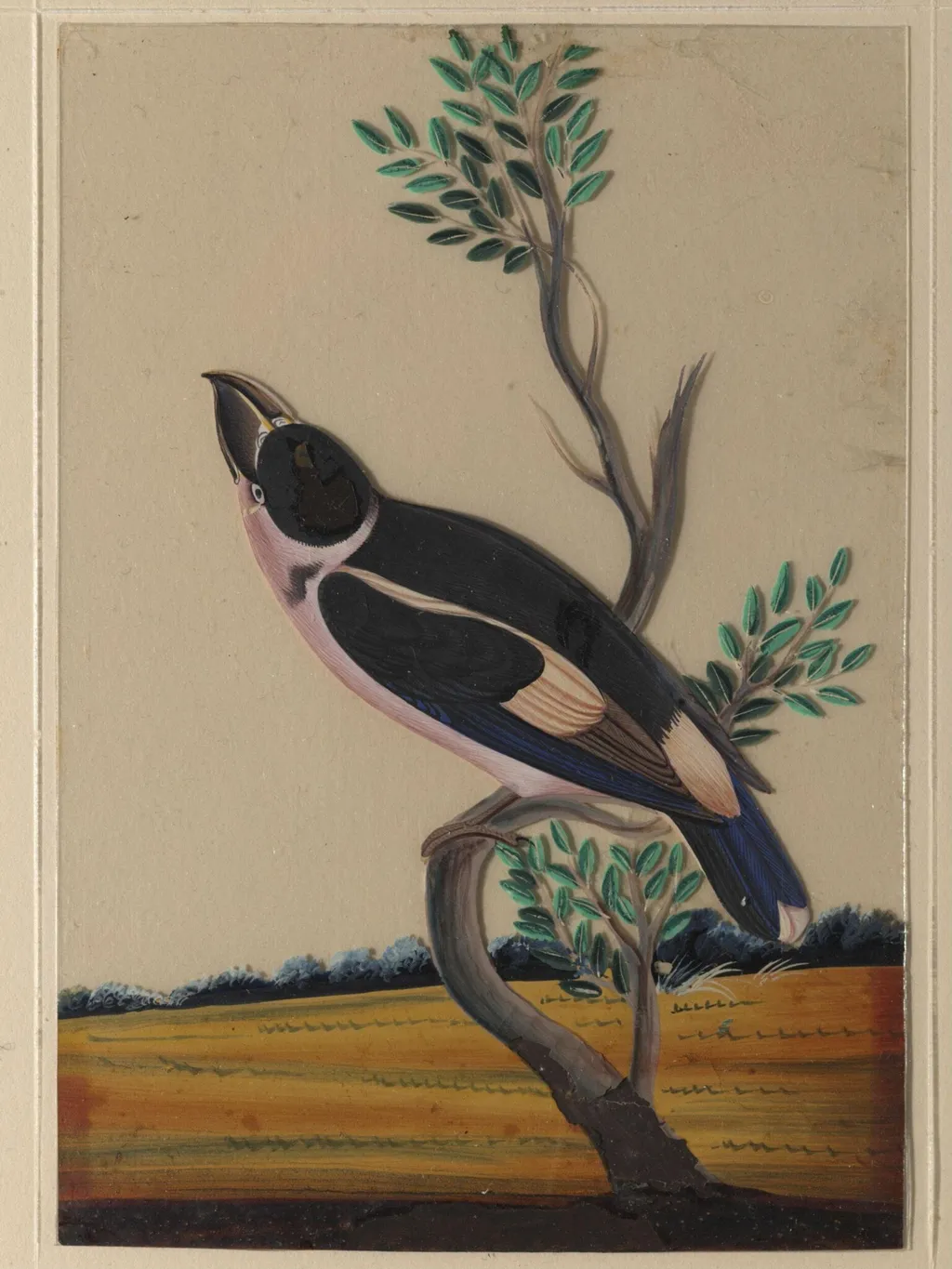
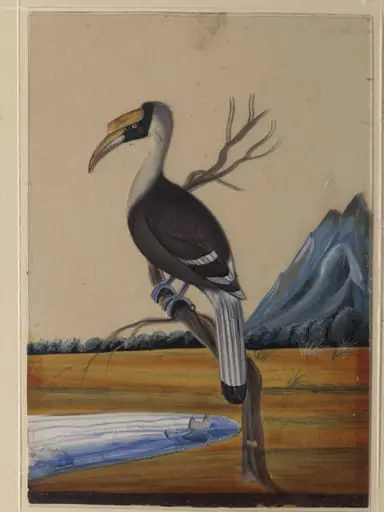
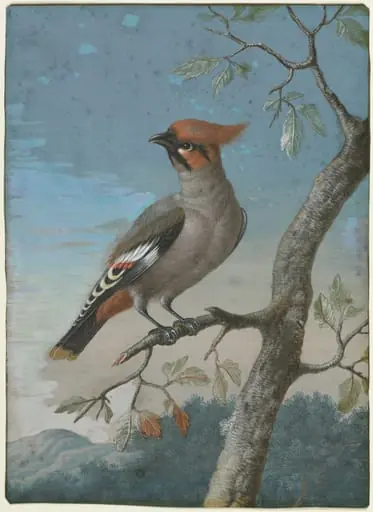
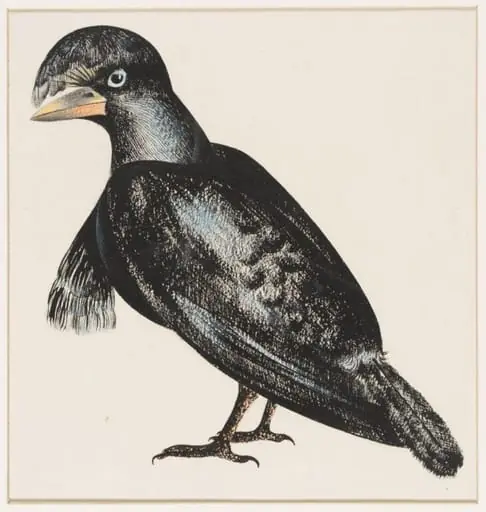
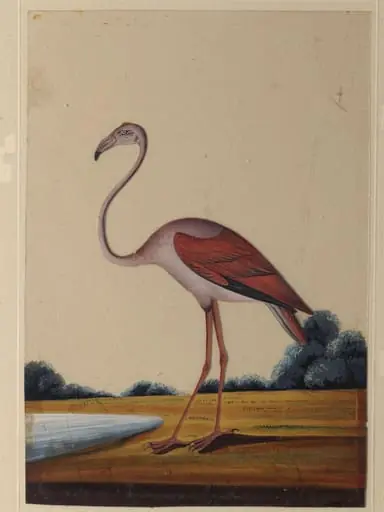
A pink-breasted bird is a paint painting by the Impressionist artist Unknown. It dates from 1860 and is held in the collection of the Victoria and Albert Museum. An unidentified artist created this painting in 1860, depicting a small bird with vividly colored plumage.
About this work
Overview
An unidentified artist created this painting in 1860, depicting a small bird with vividly colored plumage. The composition centers on the bird perched on a slender, leafless branch, set against a quiet, low-contrast landscape. The bird’s bright pink breast and contrasting black-and-white feathers draw immediate attention, while the background remains subdued, enhancing its prominence.
Subject & Meaning
The bird, likely a species native to a temperate region, is rendered with attention to natural detail rather than symbolic intent. Its open beak suggests a moment of vocalization or alertness, capturing a fleeting natural behavior. The absence of overt narrative or allegory points to an observational approach, valuing the subject’s presence over metaphorical interpretation.
Technique & Style
Brushwork is loose yet assured, emphasizing texture over precision—feathers are suggested with quick strokes, while the branch and leaves are lightly defined. The background fields and horizon are painted with broad, flat tones, creating a deliberate contrast that isolates the bird. Color is used strategically: warm hues on the bird against cool, muted earth tones.
History & Provenance
The painting’s origin remains undocumented, with no record of its commission, exhibition, or early ownership. Its survival suggests it was privately held, possibly by an amateur collector or naturalist interested in avian forms. No signatures or inscriptions are noted, leaving the artist’s identity and intent unresolved.
Context
Created during a period when natural history illustration was gaining traction among amateur artists, the work aligns with a broader trend of direct observation in art. Though not part of a formal scientific project, its focus on accurate plumage and habitat reflects contemporary interest in documenting the natural world outside academic circles.
Legacy
The painting contributes to a quiet archive of 19th-century nature studies by non-professional artists. Its value lies not in fame or influence, but in its unembellished record of a single moment in the natural world. It remains a modest example of how ordinary observers engaged with nature through visual art.
Artist & collection

 Domestic Scene
 Giacomo and Cardinal Marco, investing Andrea, Abbot of San Zeno, with his Benefice
 The Nymph of Fontainebleau
 Portrait of a Woman
 Madonna and Child with Saints in the Enclosed Garden
 Venus and Minerva
 Family Group of Four on Sofa
 Wall painting from Room H of the Villa of P. Fannius Synistor at Boscoreale