Artwork
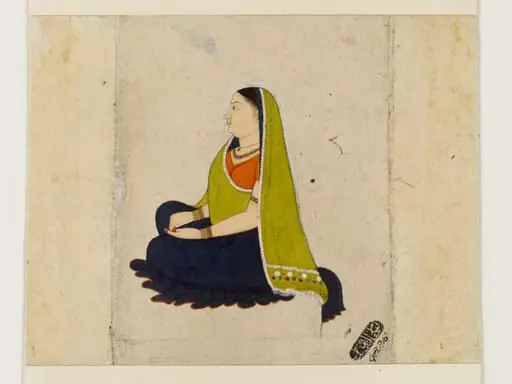
A Seated woman
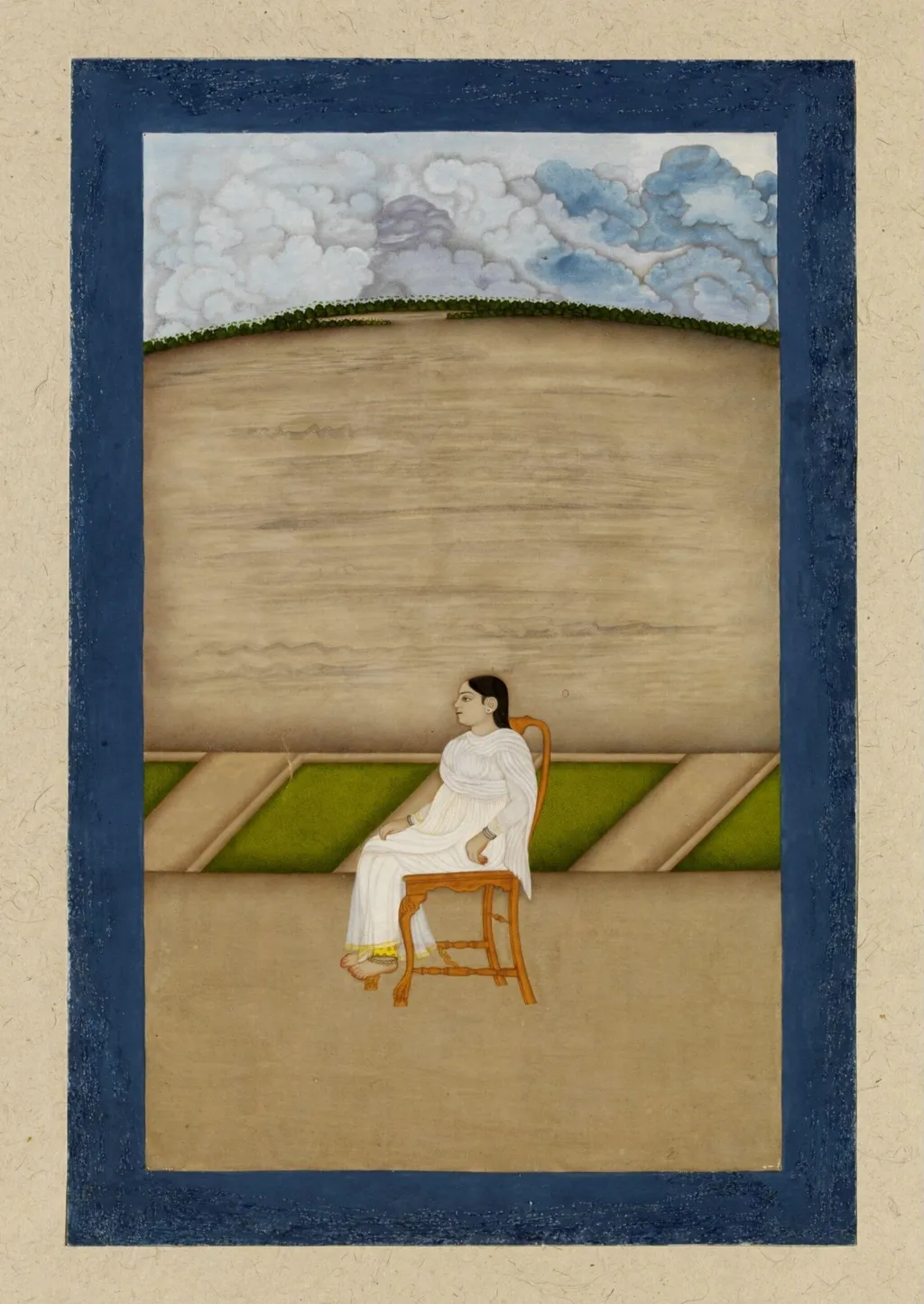
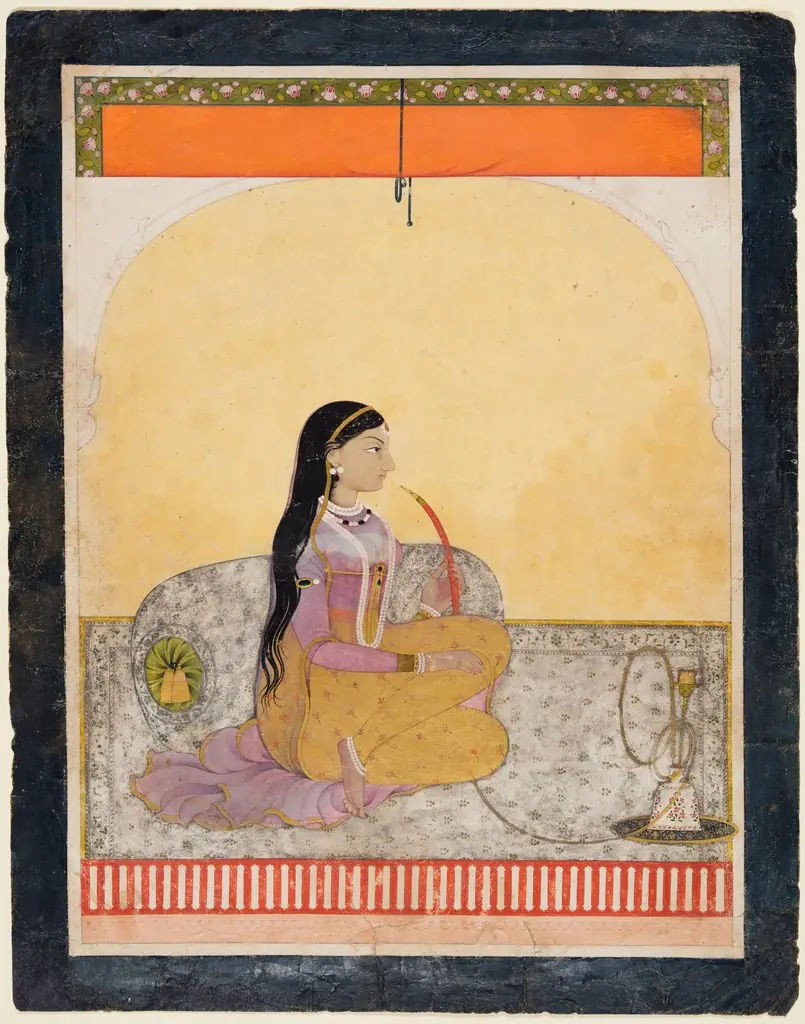
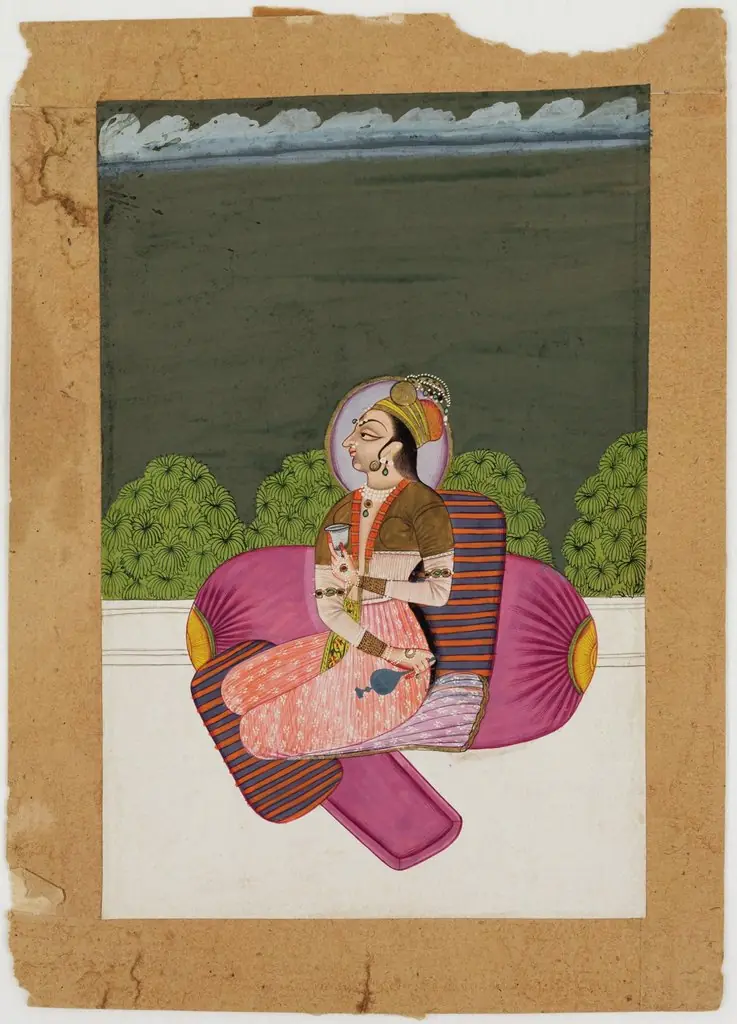
A Seated woman is a paint painting by the Rococo painting artist Unknown. It dates from 1760 and is held in the collection of the Victoria and Albert Museum.
About this work
Overview
This painting depicts a woman seated in a western-style chair, part of a group of portraits commissioned by William Fullerton, a British surgeon residing in Patna during the late 18th century. Created by the Murshidabad artist Dip Chand during a visit to the city, the work reflects the intersection of Indian artistic traditions and colonial presence in northern India.
Subject & Meaning
The woman, likely a member of Fullerton’s household, is portrayed with quiet composure, gazing directly at the viewer. Her traditional attire contrasts with the European chair, a deliberate choice signaling cultural hybridity. The setting does not reflect daily practice but instead conveys a negotiated identity shaped by cross-cultural interaction under colonial rule.
Technique & Style
Dip Chand employed delicate brushwork and muted, naturalistic tones characteristic of Murshidabad painting, adapting regional conventions to depict Western furniture and spatial depth. Subtle modeling of form suggests awareness of European chiaroscuro, though the overall approach remains rooted in Mughal-influenced portraiture, balancing realism with stylized elegance.
History & Provenance
The painting originated in Patna during the 1770s–1780s, commissioned by William Fullerton, who employed local artists to document his household. Dip Chand, based in Murshidabad, traveled to Patna to execute these works, indicating mobility among artists and the demand for hybrid portraiture among British residents seeking to record their lives in India.
Context
During this period, British officials in India increasingly commissioned local artists to create portraits that blended Indian aesthetics with European conventions. The inclusion of Western furniture in Indian portraits was not merely decorative but served as a visual marker of status and cultural negotiation, reflecting the complex dynamics of colonial society.
Legacy
The painting stands as a quiet testament to the fluid exchange between Indian and European visual cultures in late 18th-century India. It illustrates how local artists adapted their skills to meet the expectations of colonial patrons, preserving indigenous techniques while incorporating foreign elements, thus shaping a unique artistic language of the era.
Artist & collection

 Domestic Scene
 Giacomo and Cardinal Marco, investing Andrea, Abbot of San Zeno, with his Benefice
 The Nymph of Fontainebleau
 Portrait of a Woman
 Madonna and Child with Saints in the Enclosed Garden
 Venus and Minerva
 Family Group of Four on Sofa
 Wall painting from Room H of the Villa of P. Fannius Synistor at Boscoreale