Artwork
Untitled
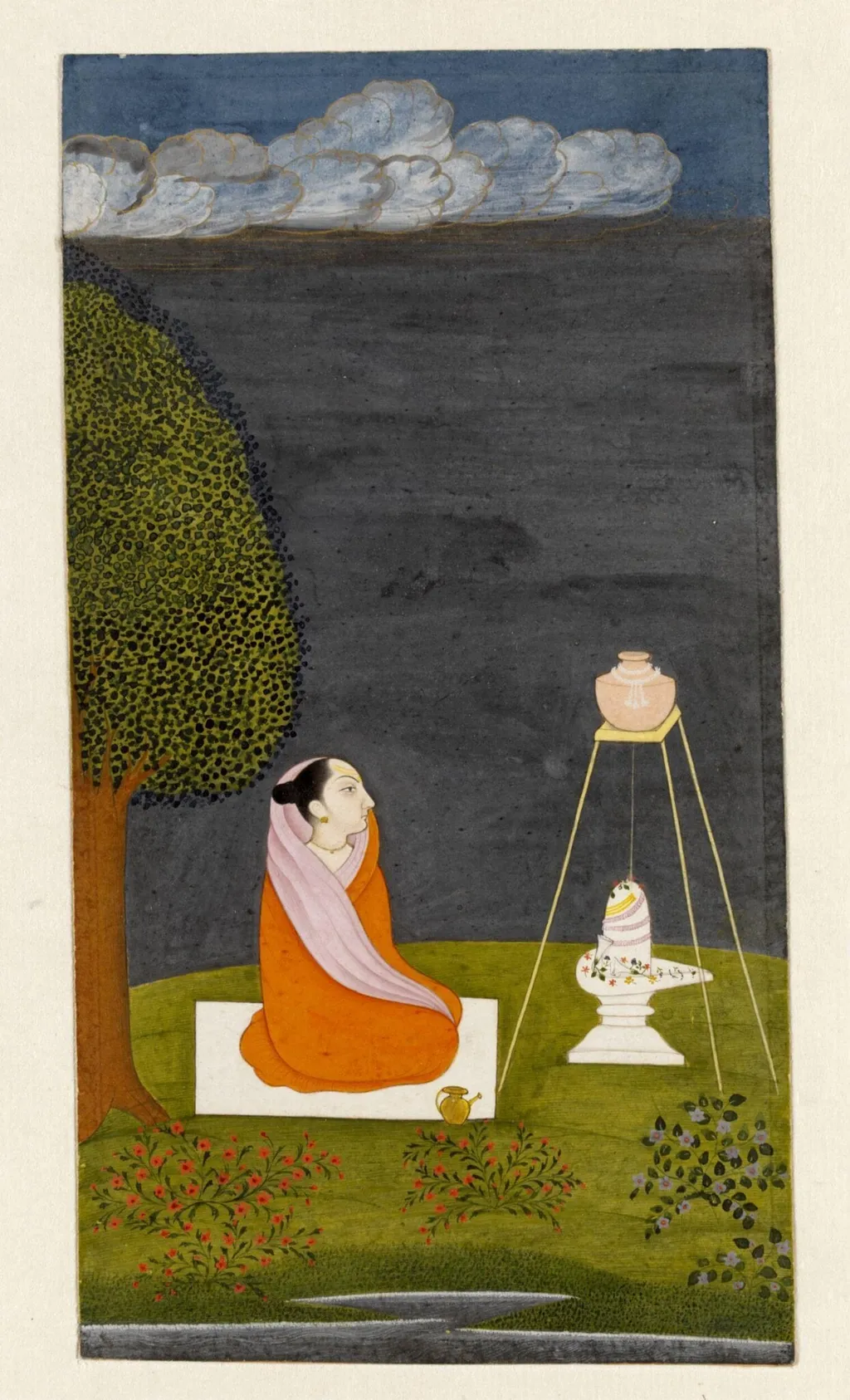
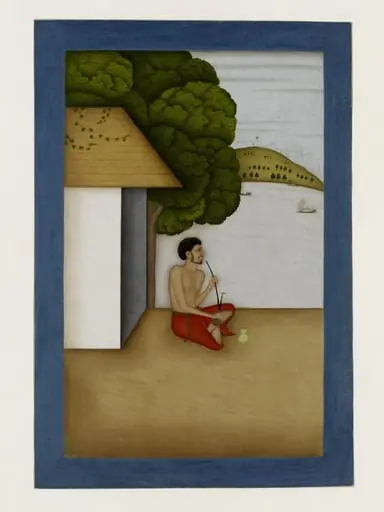
Untitled is a paint painting by the Baroque artist Unknown. It dates from 1745 and is held in the collection of the Victoria and Albert Museum. This opaque watercolour on paper depicts a yogini in a vibrant orange and pink shawl, seated in meditation beneath a tree.
About this work
Overview
The scene is set against a lush green landscape with red and purple blossoms, a blue sky dotted with clouds, and a dark, looming wall in the distance.
This opaque watercolour on paper depicts a yogini in a vibrant orange and pink shawl, seated in meditation beneath a tree. The scene is set against a lush green landscape with red and purple blossoms, a blue sky dotted with clouds, and a dark, looming wall in the distance. A small swing hangs from a pole behind her, containing a barely visible figure, while a cup rests on the grass nearby, suggesting ritual or offering.
Subject & Meaning
The figure is engaged in worship of a lingam, a symbolic representation of Shiva, indicating her spiritual devotion. The presence of the swing, with its faint figure, may imply a dual realm—earthly and divine—or a memory of another presence. The cup, likely for ritual use, reinforces the sacred context. The composition balances stillness and subtle motion, hinting at inner contemplation amid the quiet activity of the surroundings.
Technique & Style
The painting employs opaque watercolour with bold, saturated hues and strong contrasts between light and shadow. The tree’s canopy and the dark wall create a dramatic framing, drawing focus to the central figure. The rendering of flora and sky is stylized rather than naturalistic, emphasizing symbolic presence over realism. The delicate detail of the swing and cup adds narrative nuance without overwhelming the composition.
History & Provenance
The work originates from the Pahari school of painting, likely produced in the Himalayan foothills during the late 18th or early 19th century. Such images were often commissioned by patrons interested in devotional themes, particularly those centered on Shaivism. Its survival in relatively intact condition suggests it was carefully preserved, possibly within a royal or temple collection.
Context
This piece reflects the fusion of Hindu devotional practices with regional artistic traditions in northern India. While influenced by Mughal precision in detail, it retains the expressive colorism and spiritual symbolism characteristic of Pahari miniatures. The inclusion of everyday elements like the swing and cup grounds the sacred in the familiar, a common strategy in devotional art of the period.
Legacy
The painting contributes to a broader corpus of Indian miniature art that portrays ascetic and devotional figures with psychological depth. Its quiet narrative elements—such as the enigmatic swing—have inspired later interpretations of solitude and spiritual presence in South Asian visual culture. It remains a key example of how personal devotion was rendered with subtlety and symbolic richness.
Artist & collection

 Domestic Scene
 Giacomo and Cardinal Marco, investing Andrea, Abbot of San Zeno, with his Benefice
 The Nymph of Fontainebleau
 Portrait of a Woman
 Madonna and Child with Saints in the Enclosed Garden
 Venus and Minerva
 Family Group of Four on Sofa
 Wall painting from Room H of the Villa of P. Fannius Synistor at Boscoreale
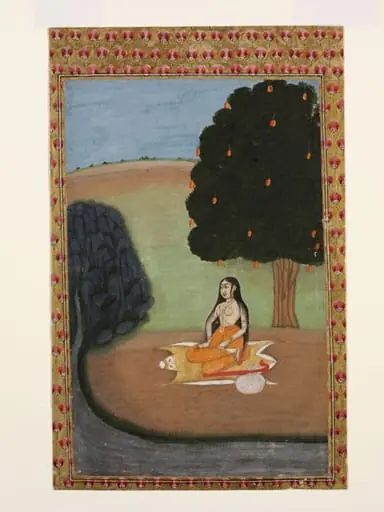 Gujari Ragini
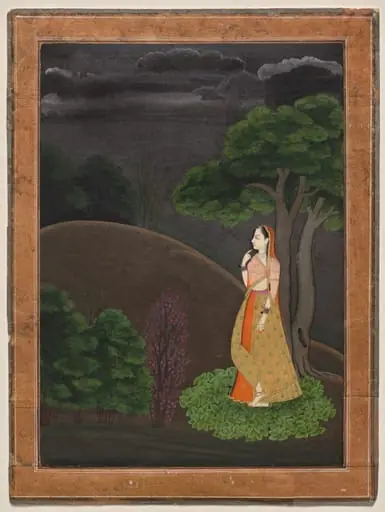 The Heroine Who Waits Anxiously for Her Absent Lover: Utka Nayika
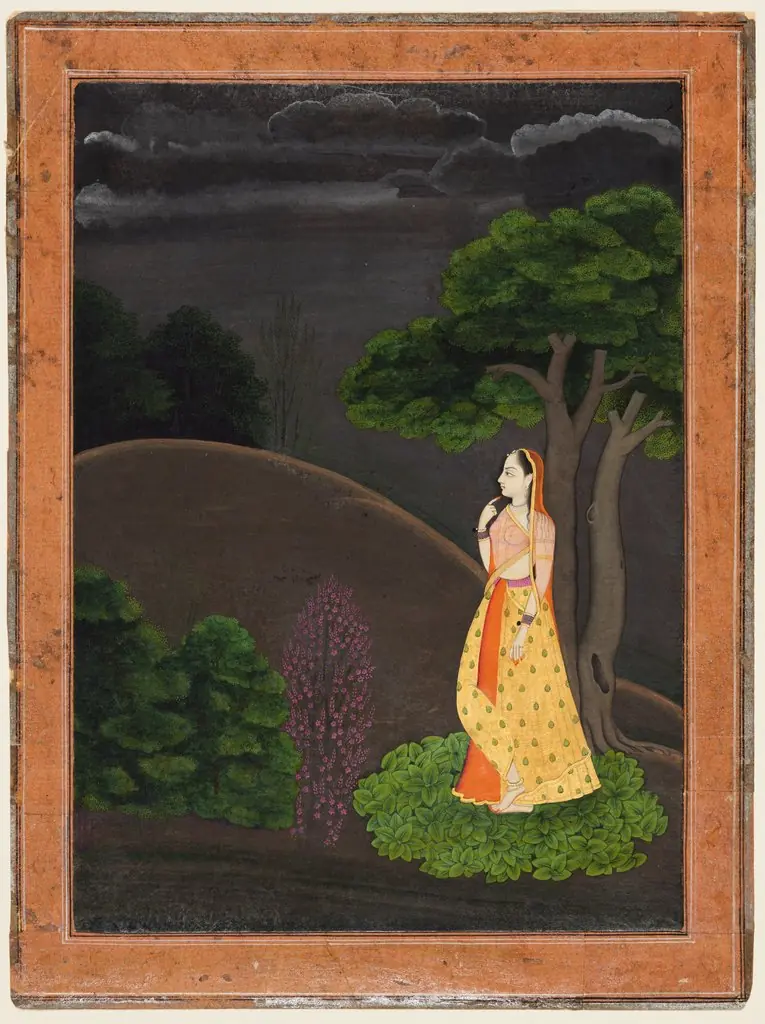 The Heroine Who Waits Anxiously for Her Absent Lover: Utka Nayika
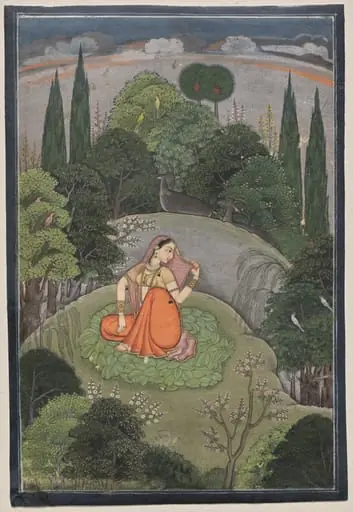 The Heroine Who Waits Anxiously for Her Absent Lover: Utka Nayika
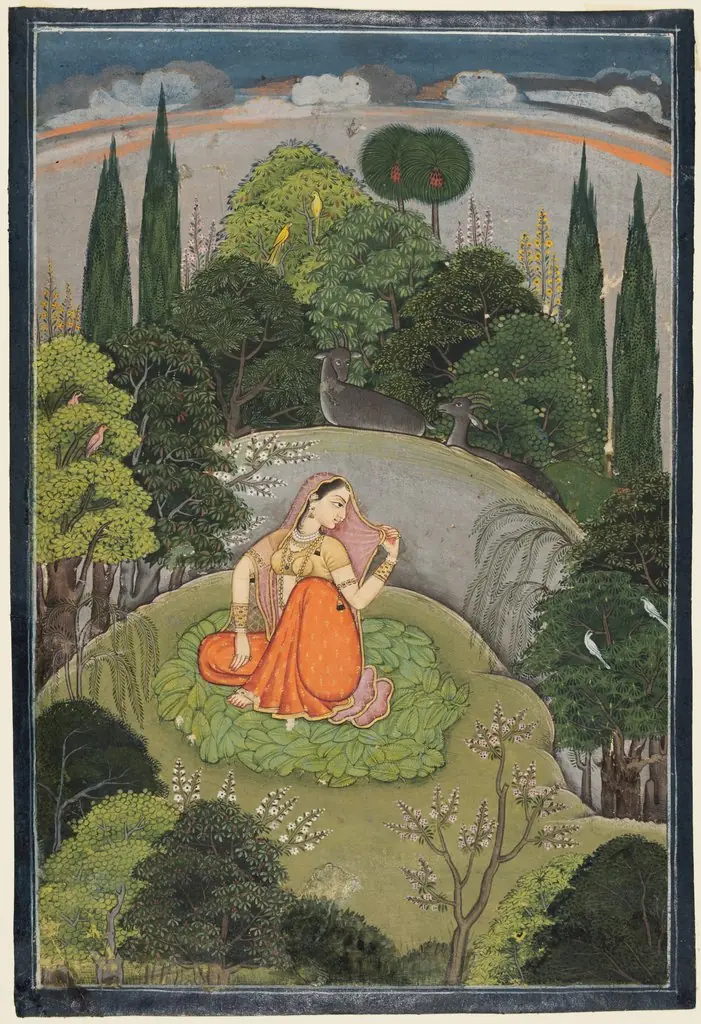 The Heroine Who Waits Anxiously for Her Absent Lover: Utka Nayika
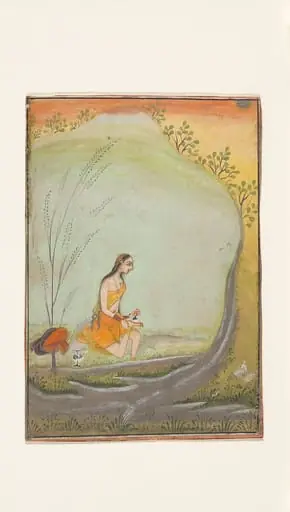 Untitled
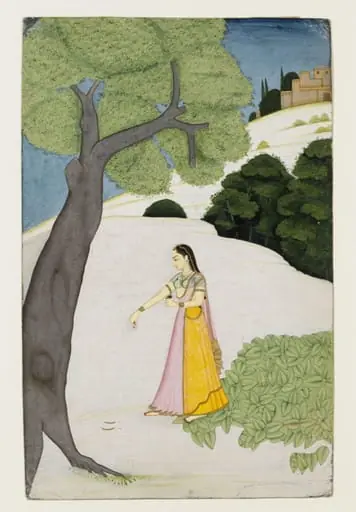 Vipralabdha Nayika
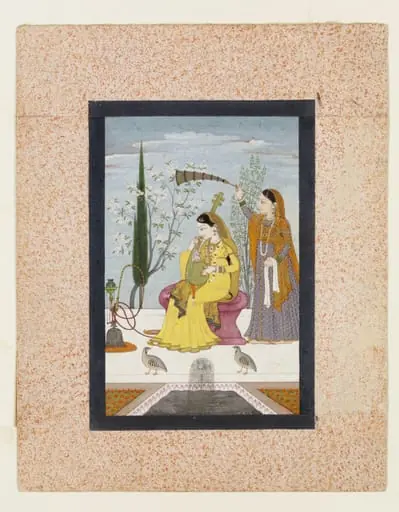 Untitled
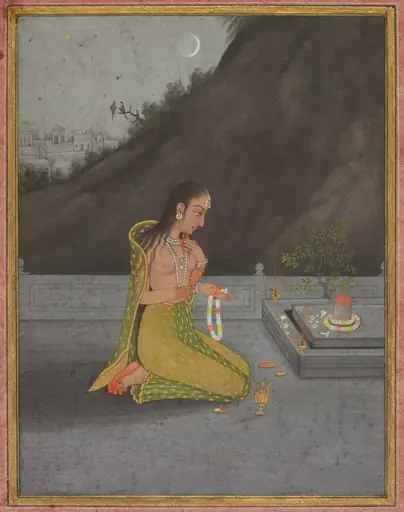 A Night Scene of Shiva Puja (recto)
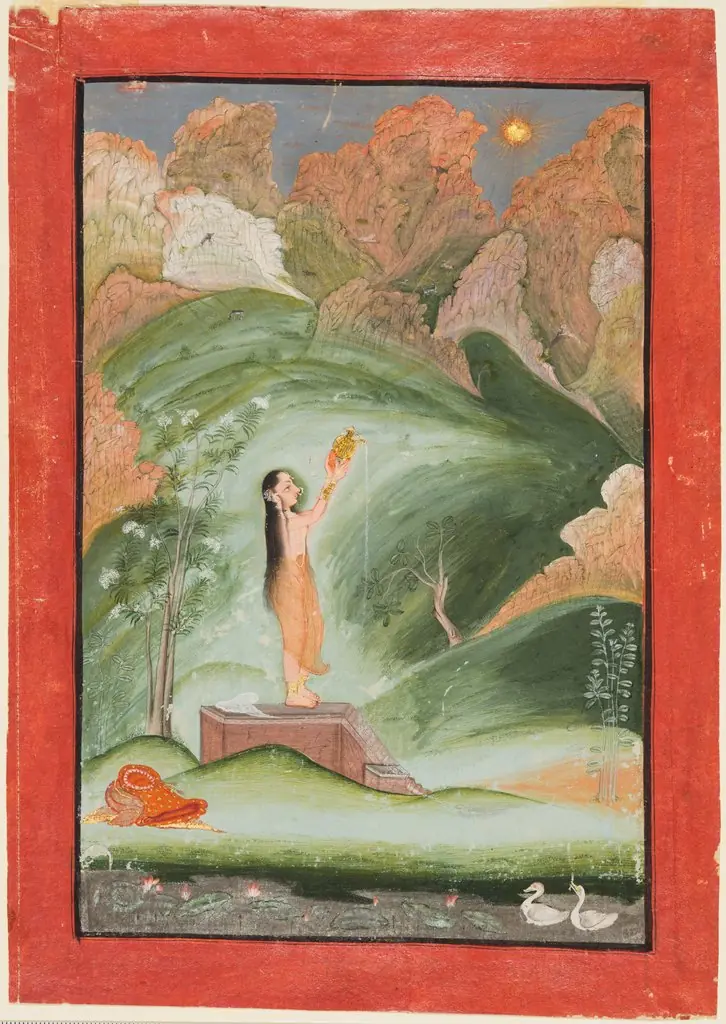 A girl worshipping the rising sun (Surya puja)
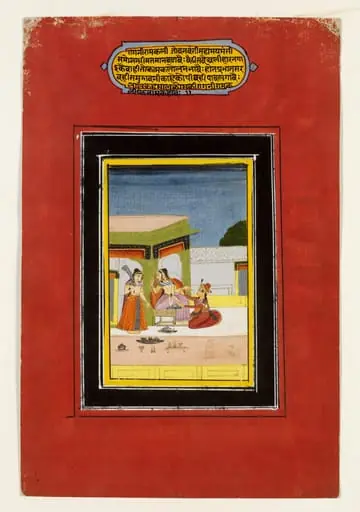 Ramakali Ragini
 A man
A man