Artwork
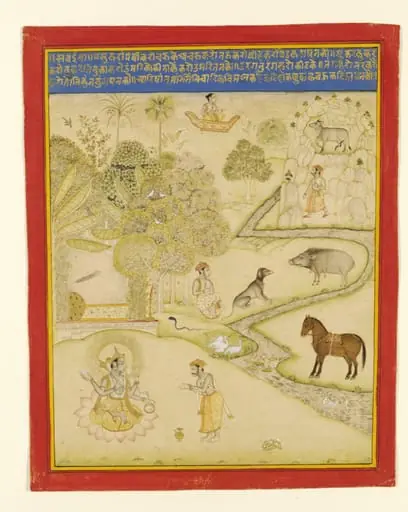
A yogi worshipping Vishnu on Garuda
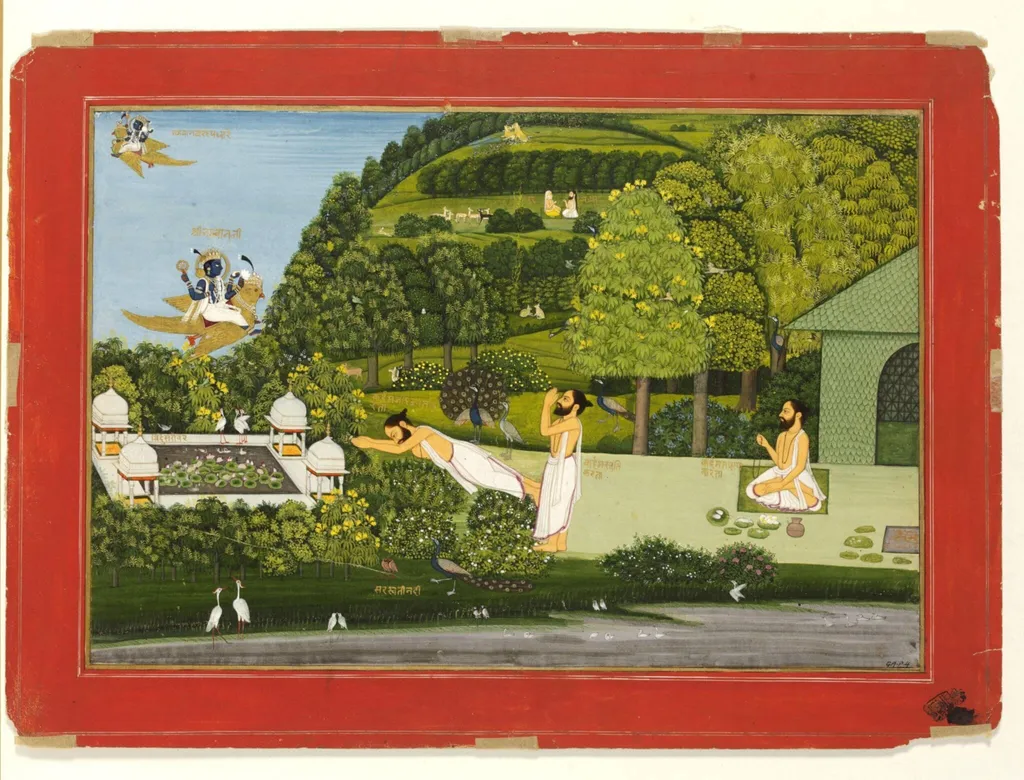
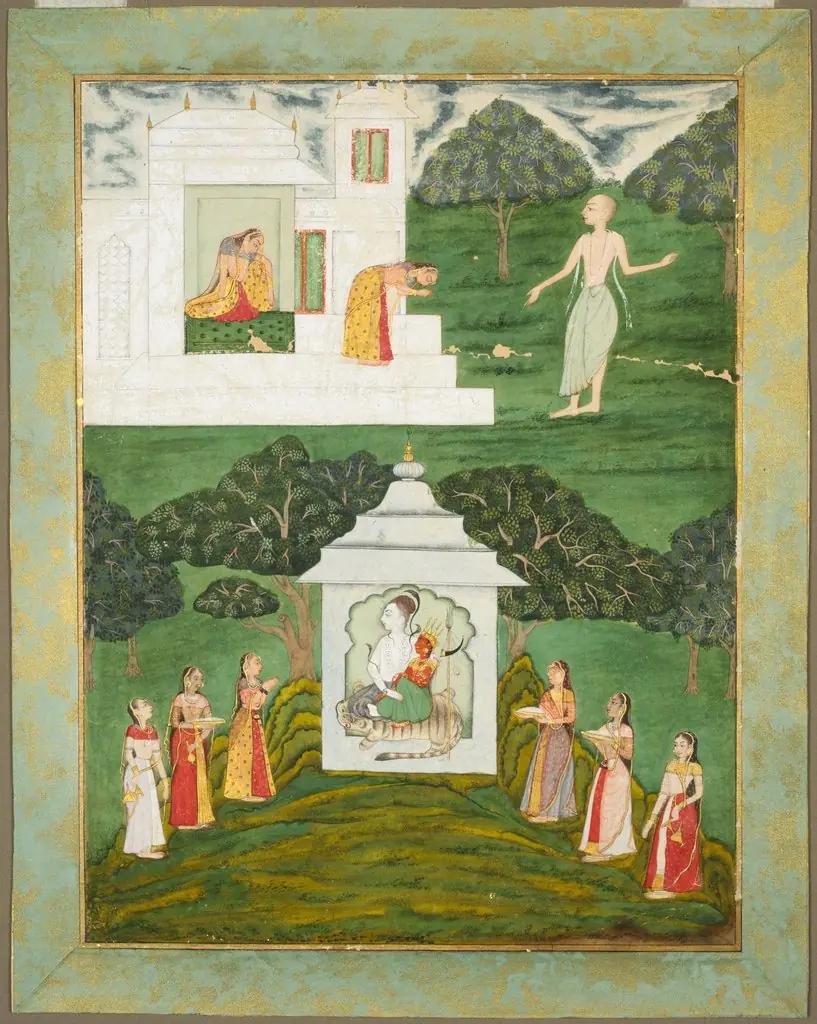
A yogi worshipping Vishnu on Garuda is a paint painting by the Romanticist artist Unknown. It dates from 1800 and is held in the collection of the Victoria and Albert Museum.
About this work
Overview
The composition integrates multiple moments of a single narrative into one continuous landscape, blending spiritual practice with natural detail.
This opaque watercolor on paper presents a devotional scene from a North Indian tradition, likely dating to the late 18th or early 19th century. The composition integrates multiple moments of a single narrative into one continuous landscape, blending spiritual practice with natural detail. The artist uses vibrant pigments and meticulous brushwork to render flora, architecture, and figures with equal precision, creating a harmonious yet layered visual field.
Subject & Meaning
The yogi is depicted in three stages of devotion: resting in contemplation, engaged in prayer, and in direct worship of Vishnu mounted on Garuda. The repetition suggests a progression of spiritual discipline—stillness, ritual, and divine encounter. Vishnu’s blue skin and golden bird signify his divine nature, while the yogi’s white garments and open posture reflect renunciation and surrender. The scene embodies the yogic path as both inner journey and outward act of devotion.
Technique & Style
The painting employs fine brushwork and layered opaque watercolors to achieve rich, saturated hues. Every leaf, petal, and feather is individually rendered, demonstrating a high degree of craftsmanship. The landscape is not merely backdrop but an active element, with winding paths and dense vegetation guiding the viewer’s eye through the narrative. Spatial depth is suggested through overlapping forms rather than linear perspective, consistent with regional pictorial conventions.
History & Provenance
The work likely originated in a Pahari or Rajasthani court atelier, where devotional themes were commonly commissioned by patrons interested in Vaishnavite traditions. Its survival in good condition suggests it was carefully preserved, possibly within a temple or royal collection. While its exact provenance before entering the Victoria and Albert Museum is undocumented, its style aligns with works produced in the hill states during the late Mughal period.
Context
During this period, Hindu devotional art flourished under regional rulers who supported religious imagery as expressions of piety and cultural identity. The depiction of a yogi venerating Vishnu reflects the growing influence of Bhakti movements, which emphasized personal devotion over ritual orthodoxy. Such paintings served both as aids to meditation and as objects of veneration, bridging the spiritual and the aesthetic in daily religious life.
Legacy
This painting exemplifies how Indian miniature traditions preserved complex theological narratives through visual storytelling. Its attention to natural detail and psychological nuance influenced later regional styles and continues to inform contemporary understandings of pre-colonial Indian art. It remains a key reference for scholars studying the intersection of yoga, devotion, and visual culture in early modern South Asia.
Artist & collection

 Domestic Scene
 Giacomo and Cardinal Marco, investing Andrea, Abbot of San Zeno, with his Benefice
 The Nymph of Fontainebleau
 Portrait of a Woman
 Madonna and Child with Saints in the Enclosed Garden
 Venus and Minerva
 Family Group of Four on Sofa
 Wall painting from Room H of the Villa of P. Fannius Synistor at Boscoreale
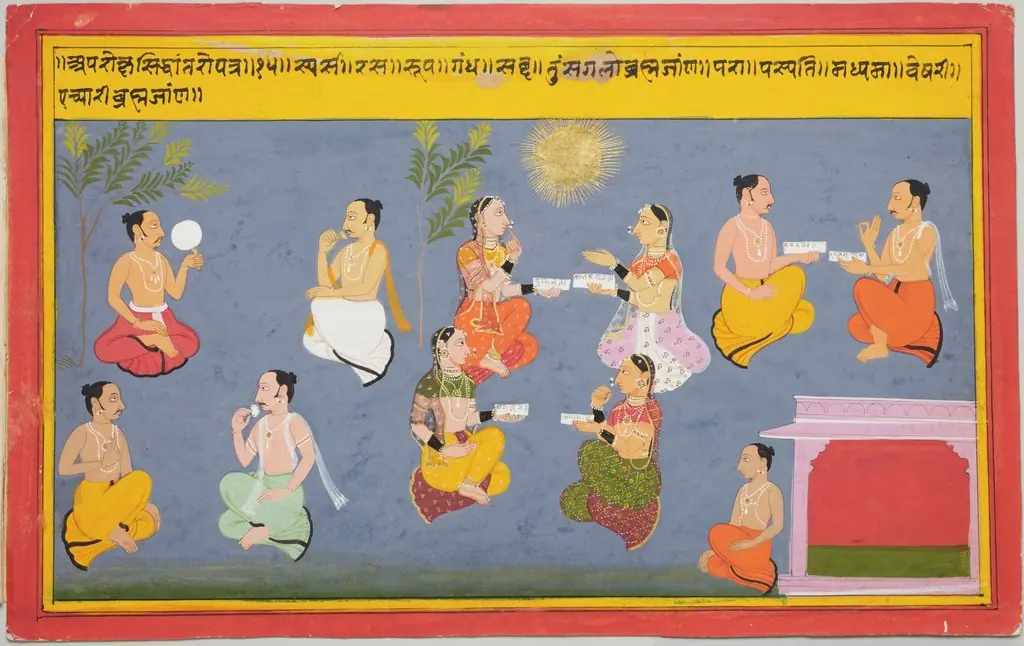 Worship of Hindu Deities (1 of 18)
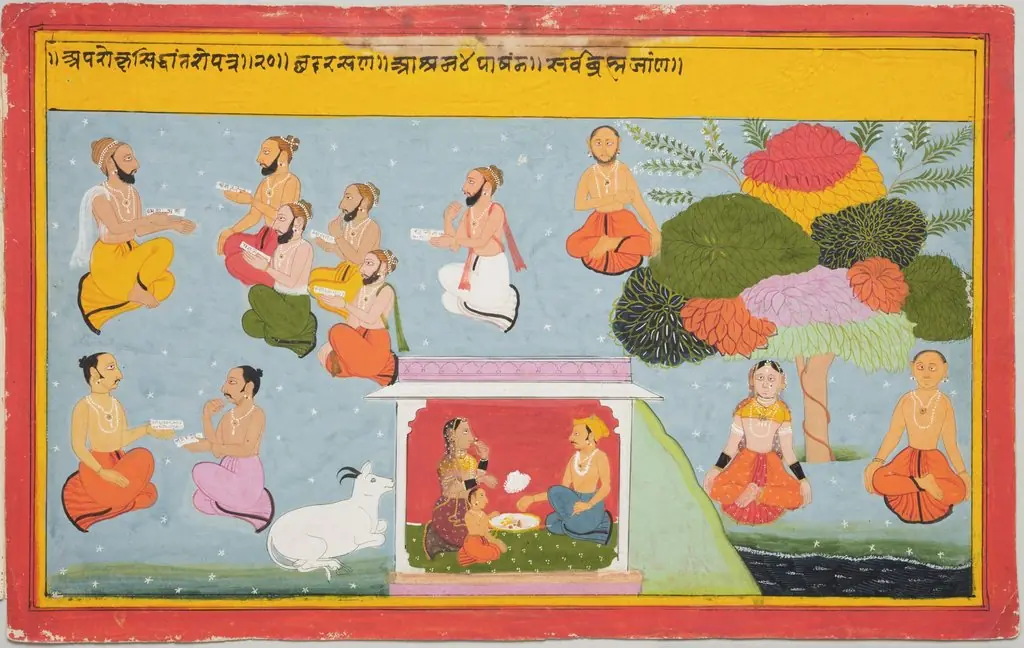 Worship of Hindu Deities (1 of 18)
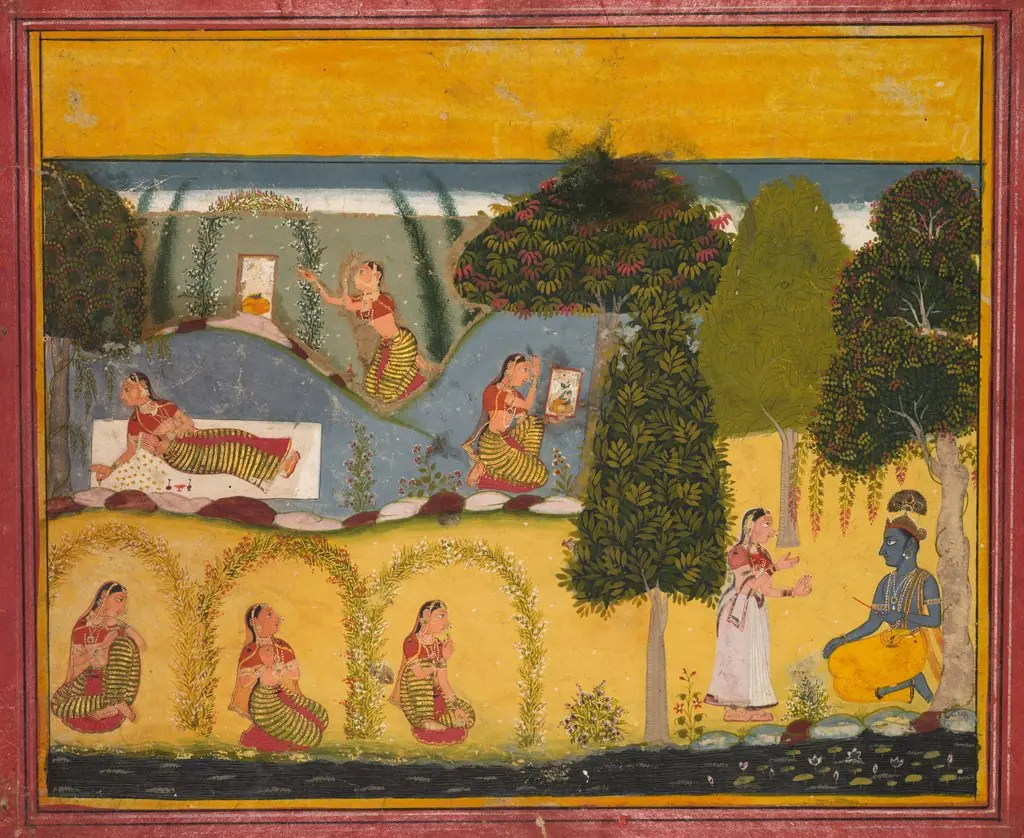 Radha Awaiting Reconciliation with Krishna, from a Gita Govinda of Jayadeva
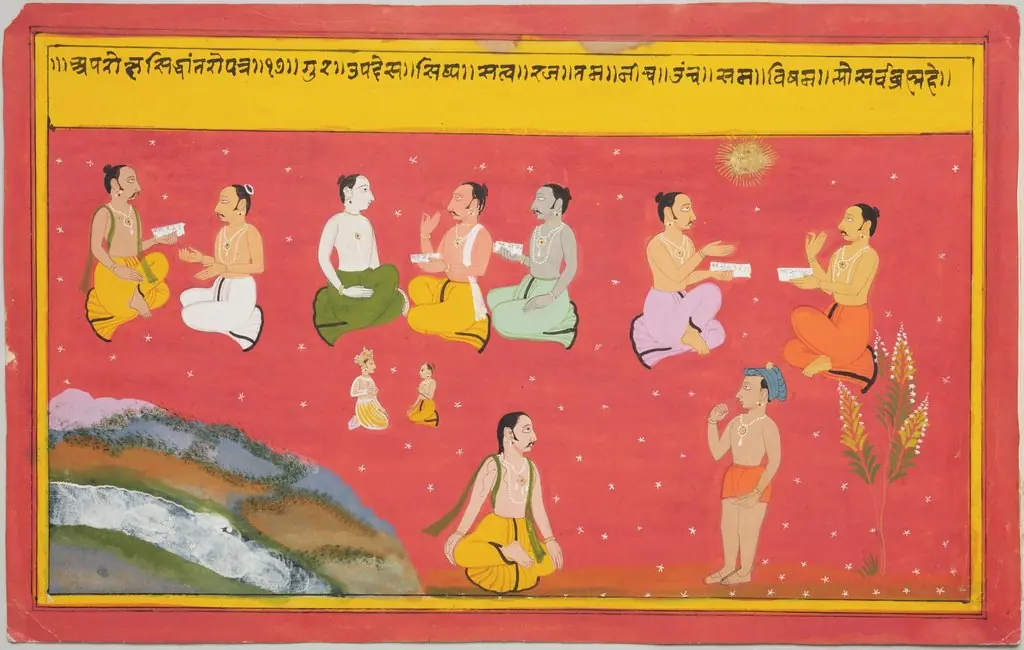 Worship of Hindu Deities (1 of 18)
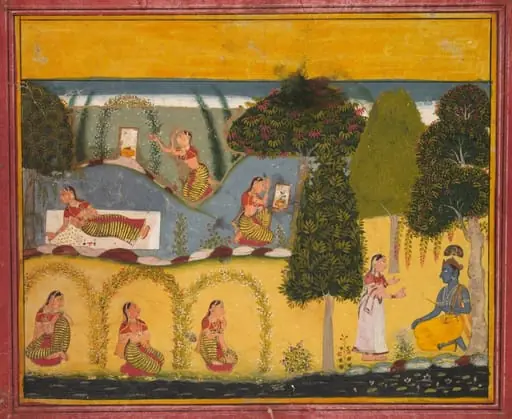 Radha Awaiting Reconciliation with Krishna, from a Gita Govinda of Jayadeva
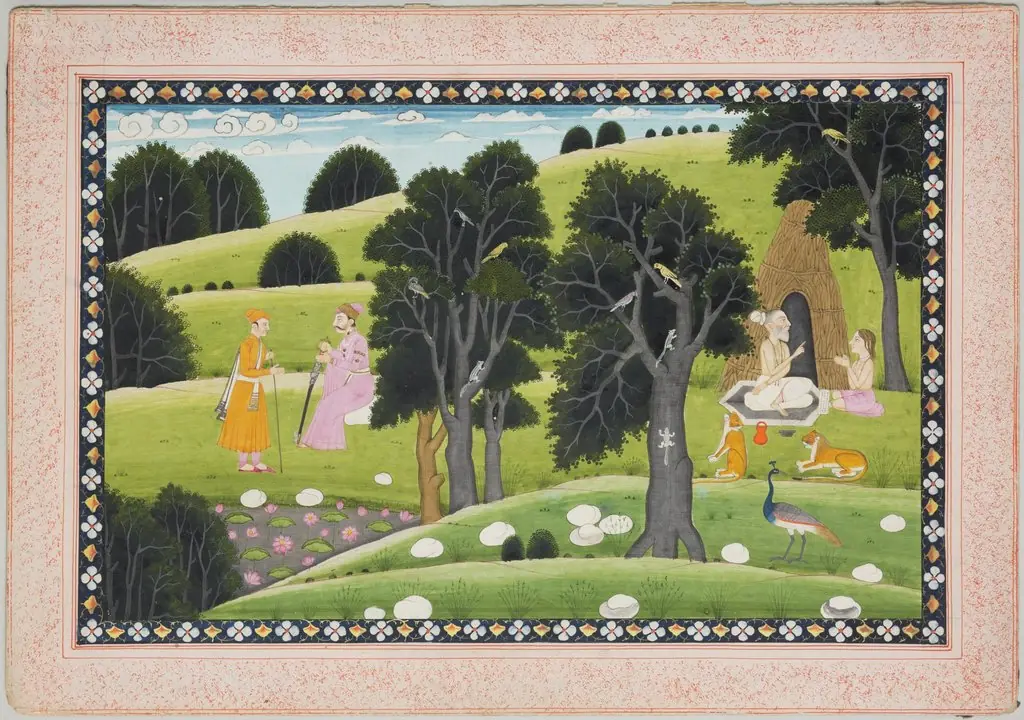 The Guru Discourses While Noblemen Wait
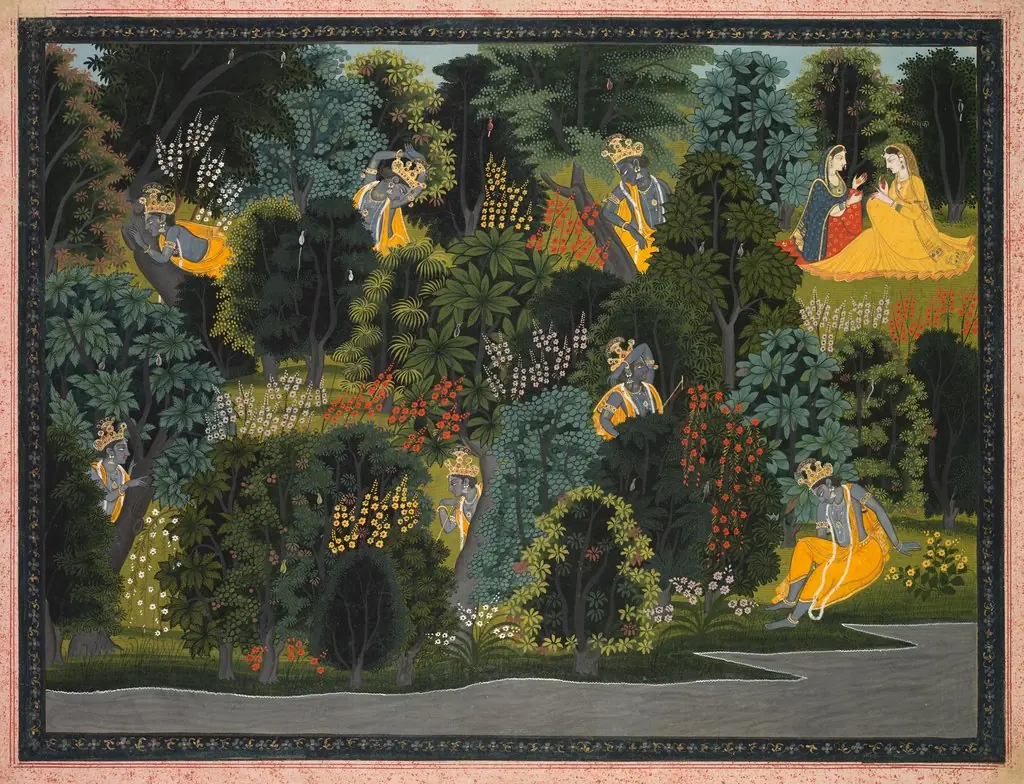 Krishna's Longing for Radha, from the Gita Govinda of Jayadeva
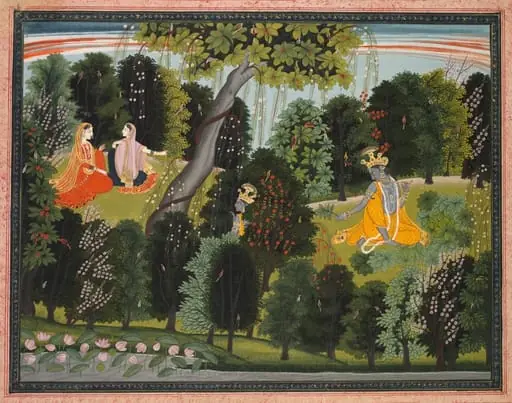 Sakhi persuades Radha to meet Krishna, from a Gita Govinda (Song of the Cowherd) of Jayadeva
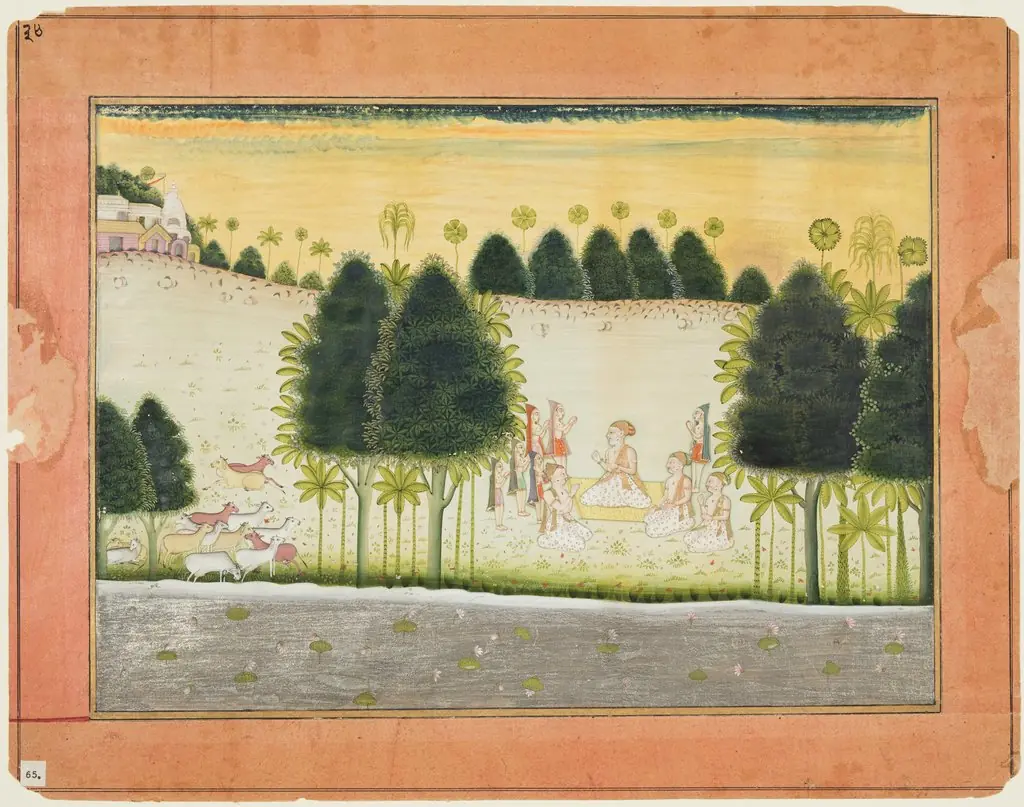 Nanda and the Elders in Council with the Cowherds, from a Bhagavata Purana
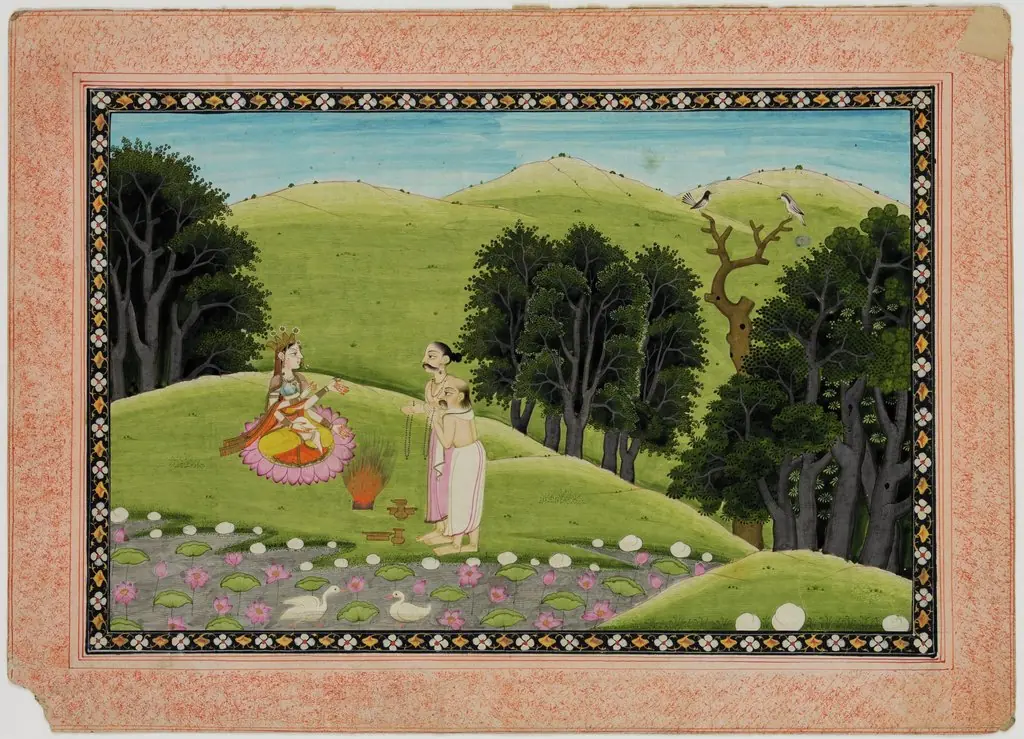 Lakshmi and Devotees
 Maharana Amar Singh of Mewar
 Worship of Shiva and Devi