Artwork
Abbildung von Chevalier d‘Éon (5)
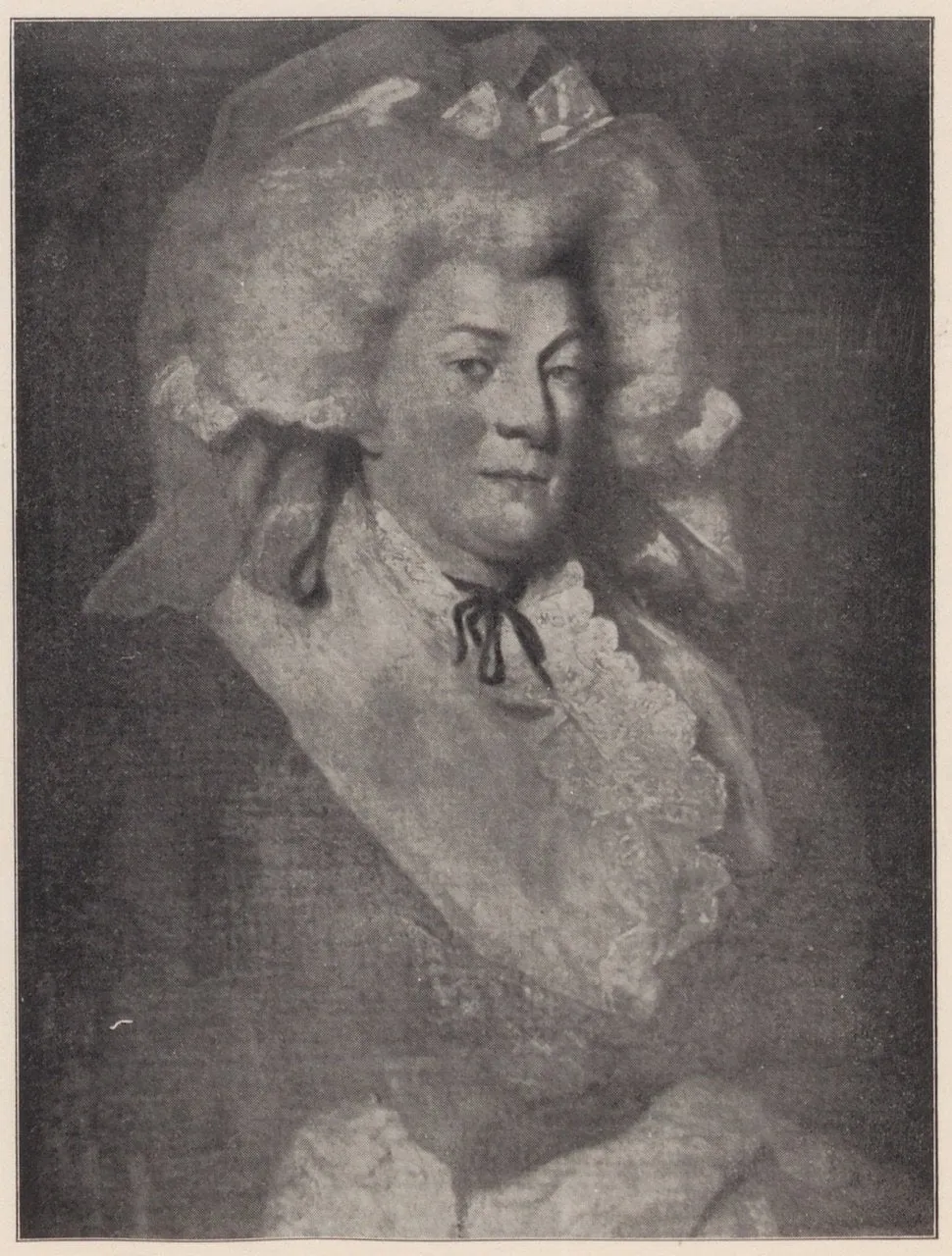
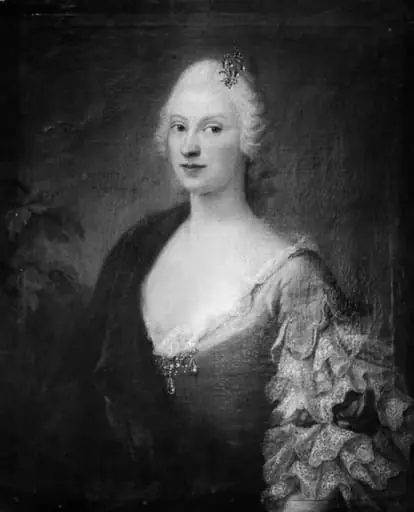
Abbildung von Chevalier d‘Éon (5) is a drawing by Unknown. It dates from 1908 and is held in the collection of the Magnus-Hirschfeld-Gesellschaft. This drawing depicts Chevalier d’Éon, an 18th-century French diplomat and soldier known for living publicly as both a man and a woman.
About this work
Overview
The composition isolates the figure to focus attention on attire and facial expression, reflecting contemporary interest in gender performance and identity.
This drawing depicts Chevalier d’Éon, an 18th-century French diplomat and soldier known for living publicly as both a man and a woman. Rendered in monochrome, the portrait emphasizes the subject’s elaborate wig and high-necked dress against a dark, unadorned background. The composition isolates the figure to focus attention on attire and facial expression, reflecting contemporary interest in gender performance and identity.
Subject & Meaning
Chevalier d’Éon’s presentation in feminine attire challenges rigid gender norms of the period. The portrait captures a moment when d’Éon was recognized by the French court as a woman, following years of service in male disguise. The detailed rendering of clothing suggests both social conformity and personal assertion, inviting viewers to consider the tension between public role and private identity.
Technique & Style
The artist employs fine cross-hatching to model the texture of lace and the volume of the powdered wig. Delicate, overlapping lines create subtle gradations of light and shadow, lending a tactile quality to the fabric and hair. The absence of color and the stark background heighten the precision of these linear techniques, emphasizing craftsmanship over decorative flourish.
History & Provenance
Created during d’Éon’s residence in London after their return from diplomatic service, the drawing likely originated from a British artist familiar with the subject’s notoriety. It may have been made as a private commission or for public circulation, given the widespread fascination with d’Éon’s life. The work survives as part of a series documenting the figure’s evolving public image.
Context
In late 18th-century Europe, d’Éon’s life became a subject of public speculation, appearing in pamphlets and caricatures. This portrait reflects a moment when gender expression was both policed and sensationalized. Unlike satirical depictions, this drawing treats the subject with formal dignity, aligning with the conventions of portraiture while subtly subverting them through attire.
Legacy
The drawing contributes to historical records of gender nonconformity in pre-modern Europe. Its technical restraint and focus on detail distinguish it from more sensational portrayals of d’Éon. Today, it serves as a visual artifact for scholars examining how identity was negotiated through appearance in an era of rigid social categories.
Artist & collection
 Domestic Scene
 Giacomo and Cardinal Marco, investing Andrea, Abbot of San Zeno, with his Benefice
 The Nymph of Fontainebleau
 Portrait of a Woman
 Madonna and Child with Saints in the Enclosed Garden
 Venus and Minerva
 Family Group of Four on Sofa
 Wall painting from Room H of the Villa of P. Fannius Synistor at Boscoreale
 H Beard Print Collection
 Mary Fleming Lewis
 Maria Amalia of Zweibrücken-Birkenfeld
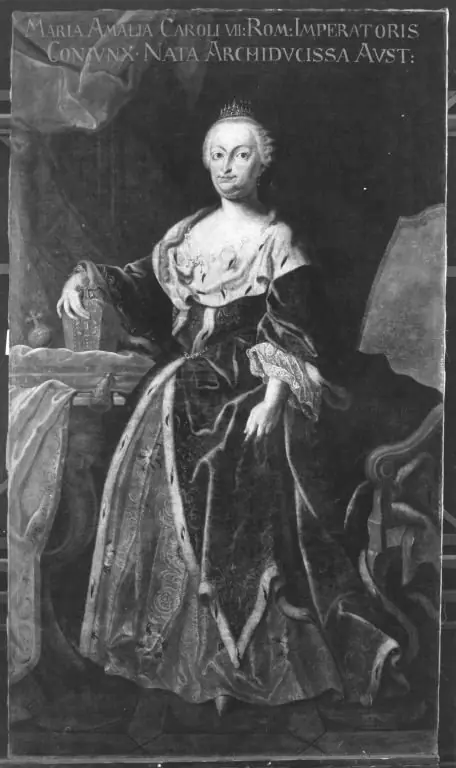 Bildnis der Maria Amalia, Tochter Kaisers Joseph I., Gemahlin Kaiser Karls VII.
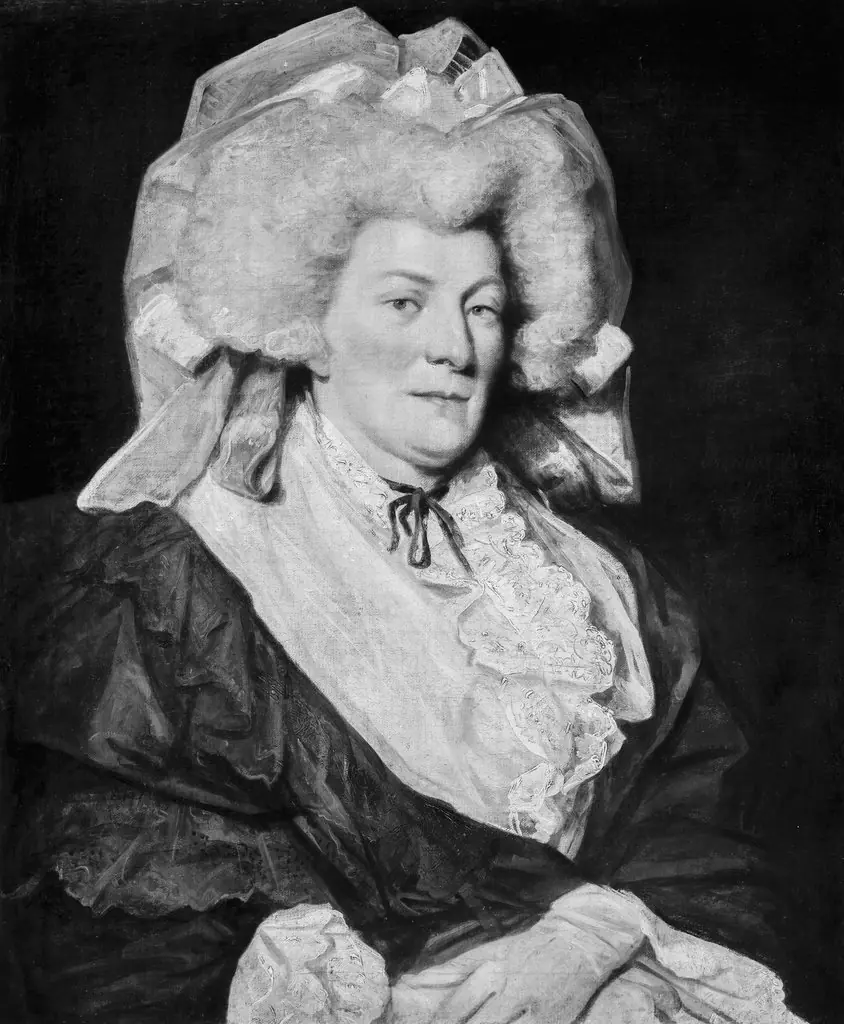 Portrait of the Chevalier dEon in female costume
 Ann Beekman
 Frances Cadwalader Erskine
 Portrait of a Lady
 Mrs. Teakes
 Mary Randolph Randolph
 Mrs. James Henderson Imlay
 Portræt af fru Adelgunde Elisabeth Amalia von Scholten