Artwork
Mrs. James Henderson Imlay
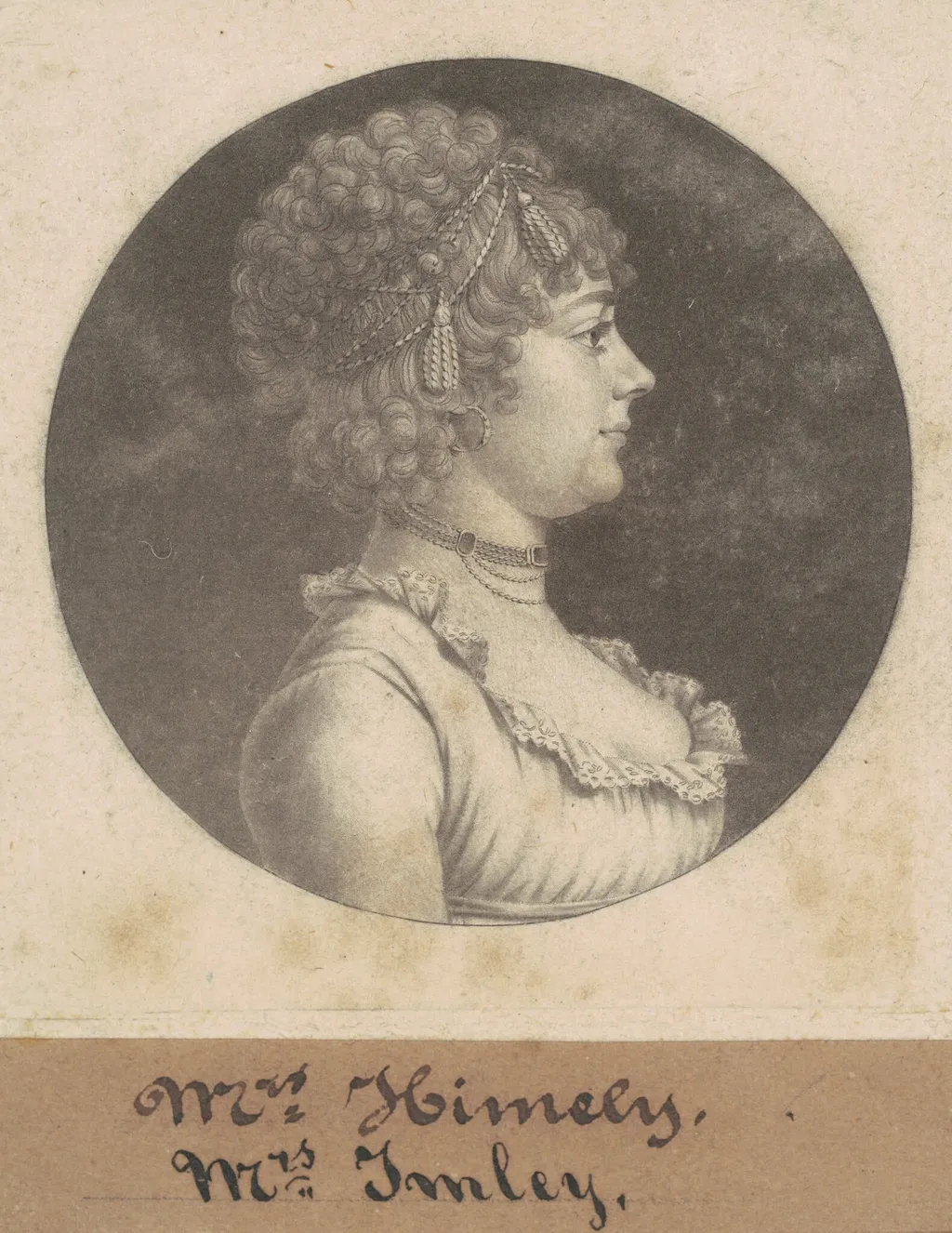
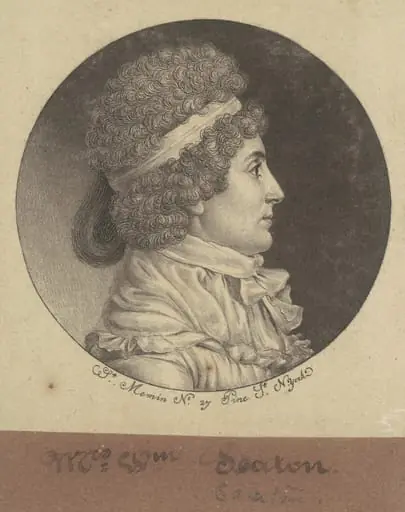
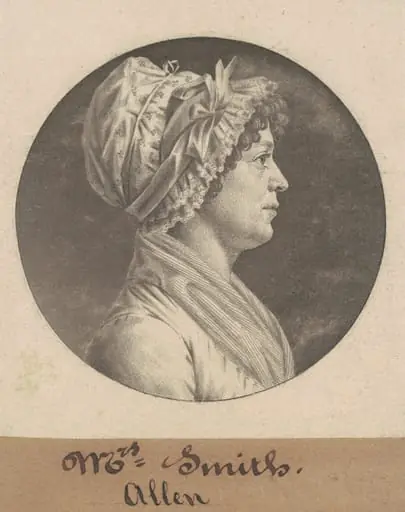
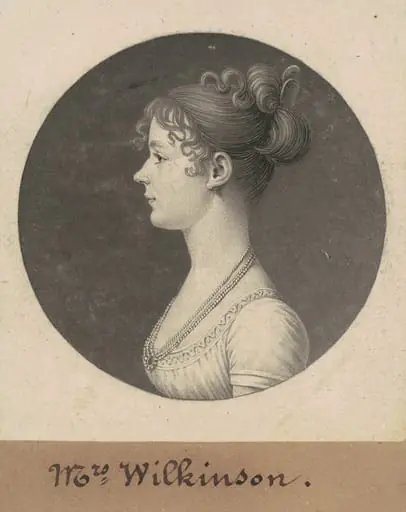
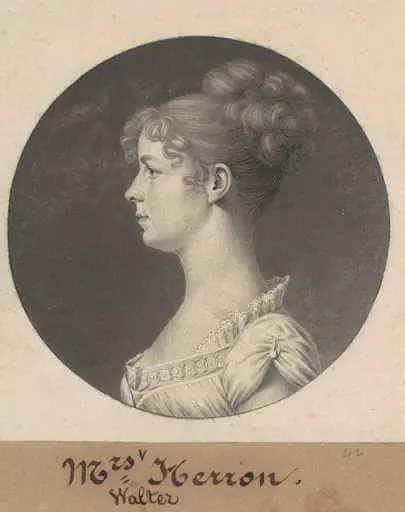
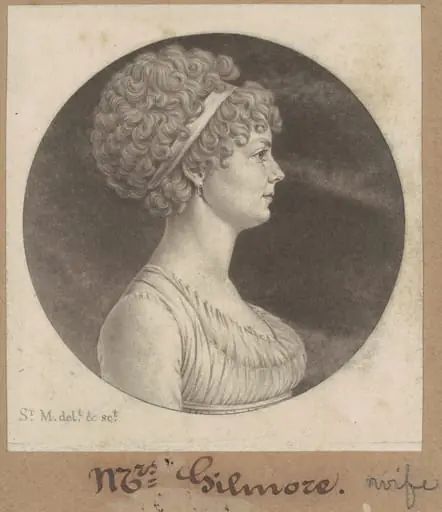
Mrs. James Henderson Imlay is an ink print by the Romanticist artist Charles Balthazar Julien Févret de Saint-Mémin. It dates from 1801 and is held in the collection of the National Gallery of Art. The work is a black-and-white print portraying a seated woman identified as Mrs.
About this work
To learn more about this kind of precise artwork, look up the technique: engraving.
This painting shows a portrait of Mrs. James Henderson Imlay.
It's made with mezzotint and engraving techniques.
The details in her face and clothes are very precise.
She looks straight at the viewer with a calm expression.
The portrait has a simple background, which makes Mrs. Imlay the focus.
Her dress and hairstyle are from the early 19th century.
To learn more about this kind of precise artwork, look up the technique: engraving.
Overview
The work is a black-and-white print portraying a seated woman identified as Mrs. James Henderson Imlay. Executed on wove paper that has been mounted to a brown‑toned sheet, the image presents a calm, forward‑looking sitter against an unadorned backdrop, allowing the figure’s attire and facial features to dominate the composition.
Subject & Meaning
Mrs. Imlay is rendered with a composed expression, her gaze meeting the viewer directly. The portrait emphasizes her social standing through the precise rendering of early‑nineteenth‑century dress and hairstyle, while the plain background suggests an intention to foreground personal identity rather than narrative context.
Technique & Style
The image combines mezzotint, a tonal printing method that yields rich gradations of dark and light, with engraving, which adds fine linear detail. This hybrid approach enables the artist to achieve both the soft modeling of the face and the crisp definition of clothing and accessories, characteristic of portrait prints of the period.
History & Provenance
Created by Charles B. J. Févret de Saint‑MÉmin, a French émigré active in early American portraiture, the print entered the Corcoran Collection before becoming part of the National Gallery of Art’s holdings. Its documented ownership traces back to the original sitter’s family, reflecting typical patterns of private portrait circulation in the early 1800s.
Context
The portrait belongs to a broader trend of transatlantic portraiture in which European-trained artists supplied American patrons with sophisticated prints. Saint‑MÉmin’s work exemplifies the adaptation of French engraving techniques to the tastes of the United States’ emerging elite during the post‑Revolutionary era.
Artist & collection

Artist
Charles Balthazar Julien Févret de Saint-Mémin
Charles Balthazar Julien Févret de Saint-Mémin (French pronunciation: ; 1770–1852) was a French portrait painter and museum director.