Artwork
Anastasie Dedulescu vel paharnic
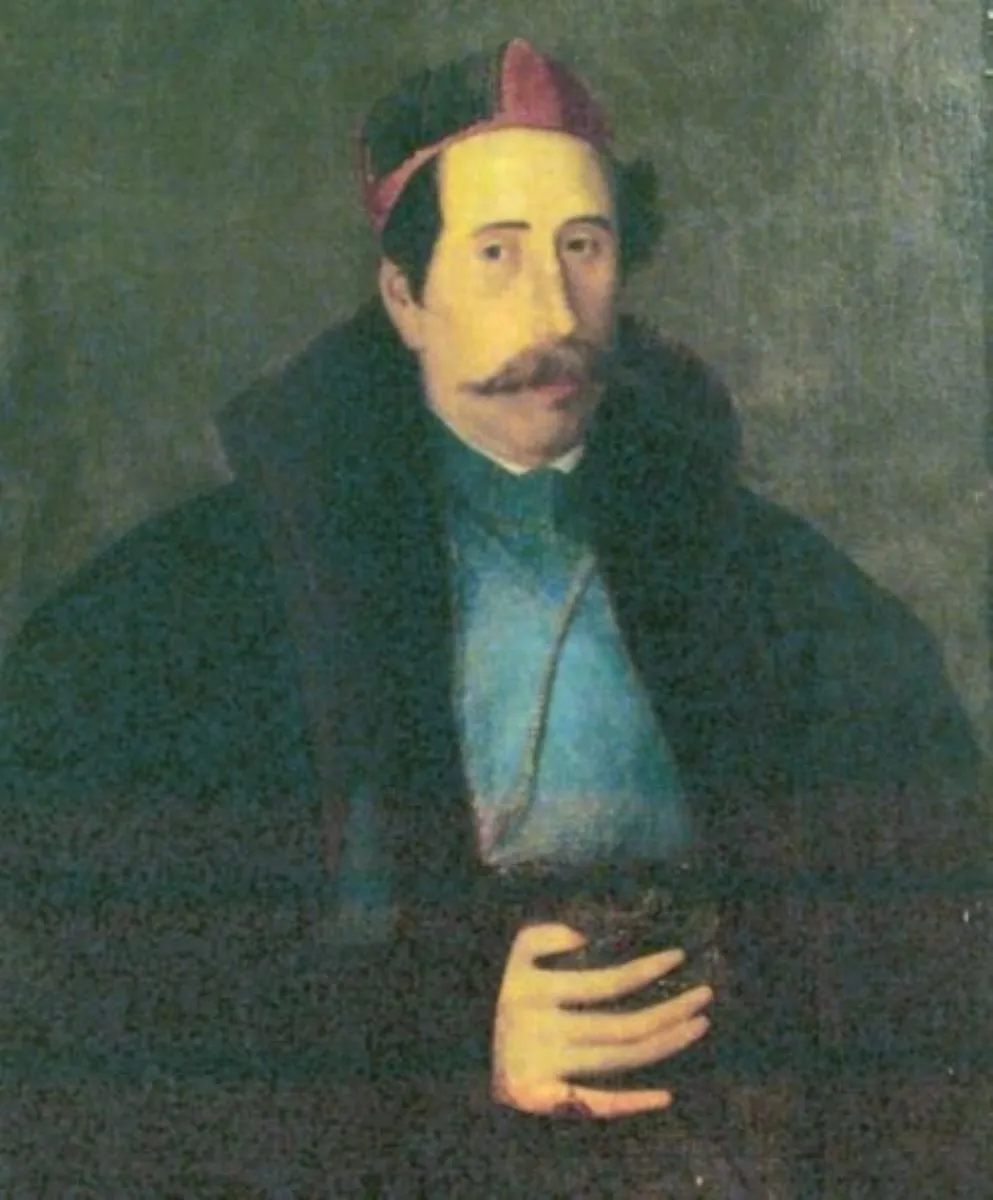
Anastasie Dedulescu vel paharnic is an unspecified painting by the Biedermeier artist Unknown. It dates from 1837 and is held in the collection of the Buzău County Museum. This portrait depicts Anastasie Dedulescu, a Romanian nobleman who held the title of paharnic, or cup-bearer to the prince.
About this work
Overview
The subject is rendered with deliberate stillness, his presence anchored by a stark, dark background that isolates him from any contextual detail.
This portrait depicts Anastasie Dedulescu, a Romanian nobleman who held the title of paharnic, or cup-bearer to the prince. Painted in the Romantic tradition, the work emphasizes individual character through restrained emotion and vivid color contrasts. The subject is rendered with deliberate stillness, his presence anchored by a stark, dark background that isolates him from any contextual detail.
Subject & Meaning
Anastasie Dedulescu is portrayed not as a hero or idealized figure, but as a man of social standing defined by his attire and composure. The ceremonial red hat with feather and the teal vest signal his official role, while his neutral expression suggests dignity rather than drama. The painting conveys status through costume and posture, reflecting the Romanian elite’s identity during the early 19th century.
Technique & Style
The artist employs flat, saturated hues—particularly the red hat and teal vest—to create visual emphasis, contrasting with the subject’s pale skin and the muted background. Brushwork is controlled, with minimal modeling of form, favoring clarity over depth. This approach aligns with Romanticism’s interest in emotional resonance through simplified, expressive elements rather than academic realism.
History & Provenance
The painting is attributed to an anonymous Romanian artist active in the early 1800s, likely commissioned by the subject’s family or court. It remained in private Romanian collections until the 20th century, when it entered a public institution. Its survival reflects the cultural value placed on portraiture among the boyar class during a period of political transition.
Context
Created during the rise of Romanian national consciousness under Ottoman and Phanariot influence, such portraits served to affirm aristocratic identity. The emphasis on distinctive clothing and calm demeanor mirrors broader trends in Eastern European portraiture, where personal dignity and social role outweighed narrative or symbolic complexity.
Legacy
The portrait stands as a modest but significant example of early Romanian Romantic portraiture. It preserves the visual language of a fading elite class and offers insight into how local artists adapted European styles to express regional identity. Its restrained aesthetic distinguishes it from more theatrical Western counterparts, highlighting a uniquely local sensibility.
Artist & collection

 Domestic Scene
 Giacomo and Cardinal Marco, investing Andrea, Abbot of San Zeno, with his Benefice
 The Nymph of Fontainebleau
 Portrait of a Woman
 Madonna and Child with Saints in the Enclosed Garden
 Venus and Minerva
 Family Group of Four on Sofa
 Wall painting from Room H of the Villa of P. Fannius Synistor at Boscoreale
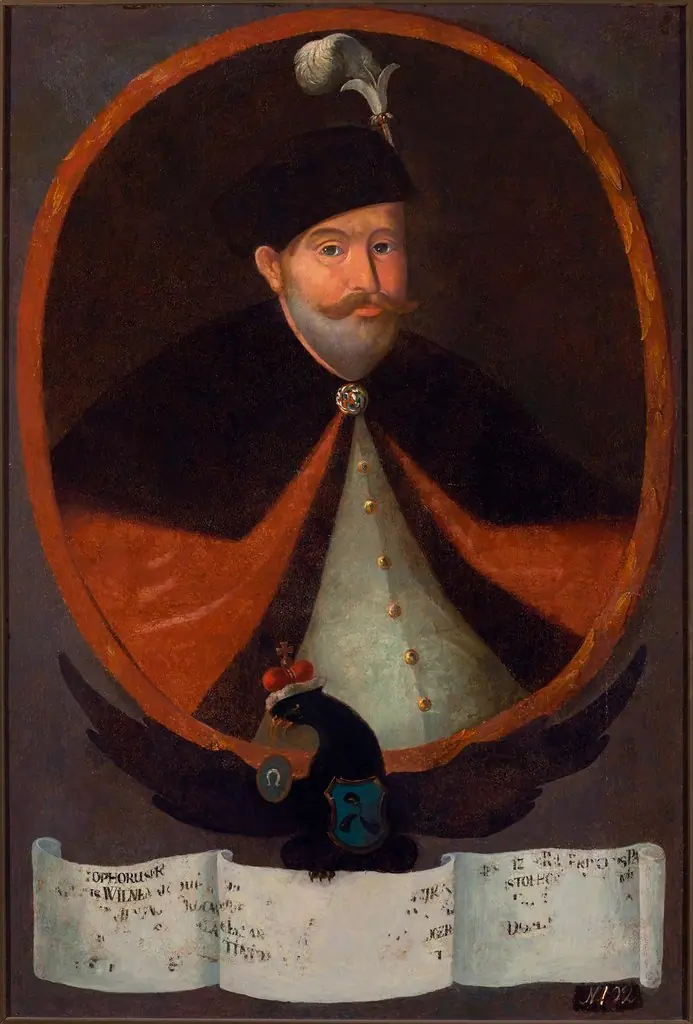 Portrait of Krzysztof II Radziwiłł (1585–1640), Great Hetman of Lithuania
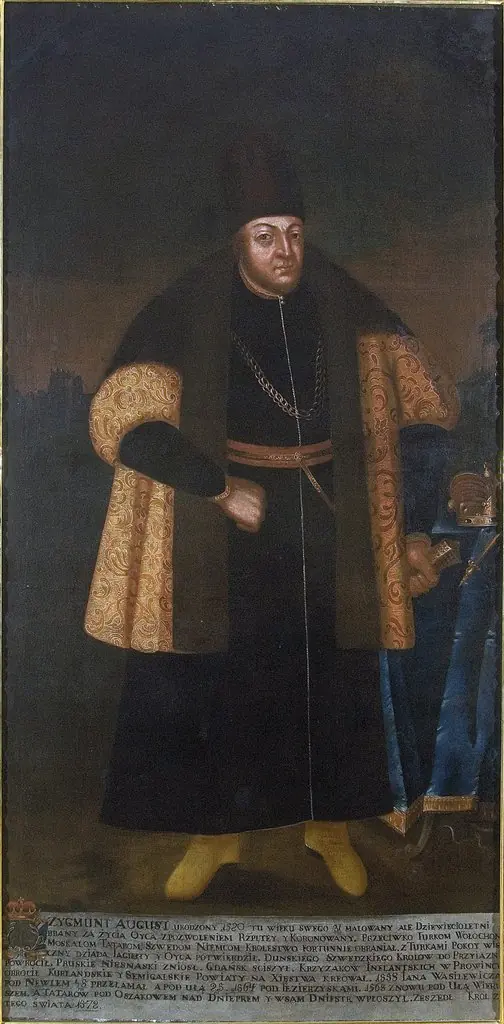 Portrait of king Sigismund II Augustus (1520–1572)
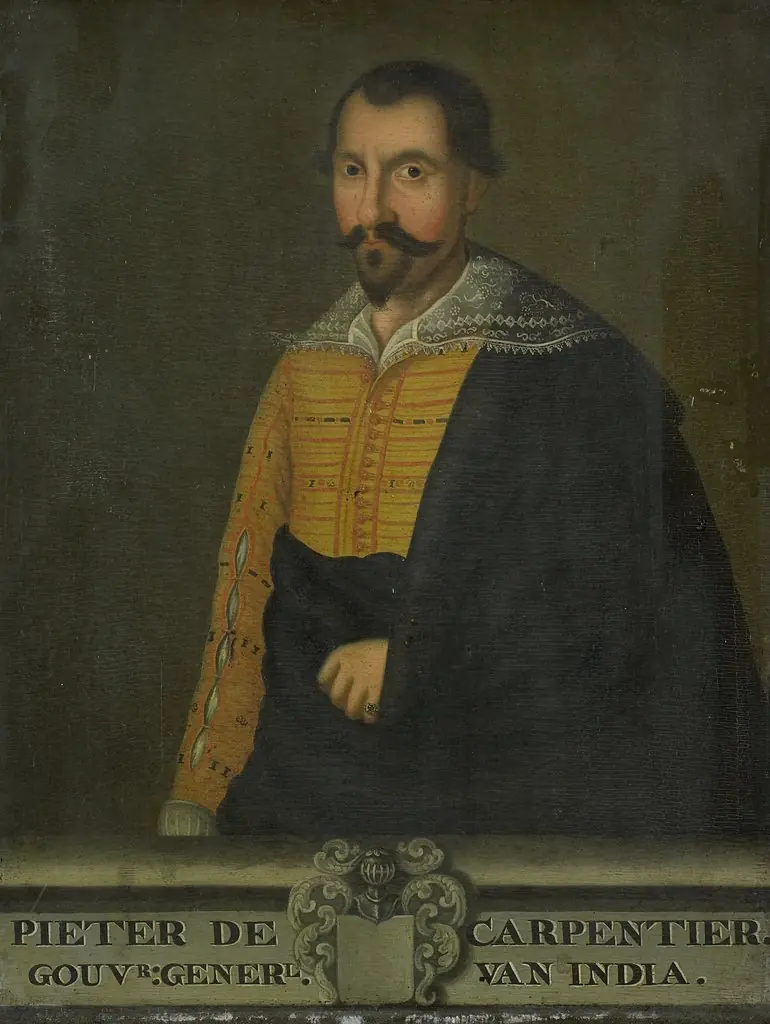 Portrait of Pieter de Carpentier (1588-1659)
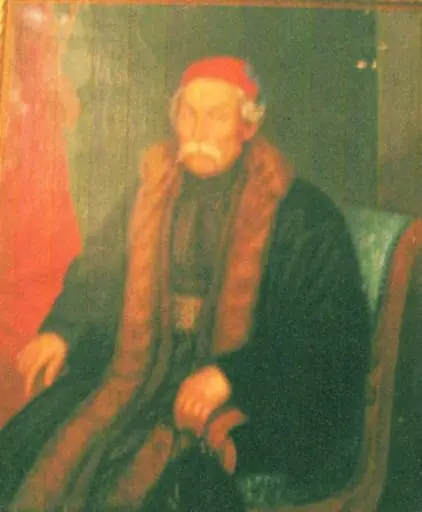 Negustorul Hagi Tudorache
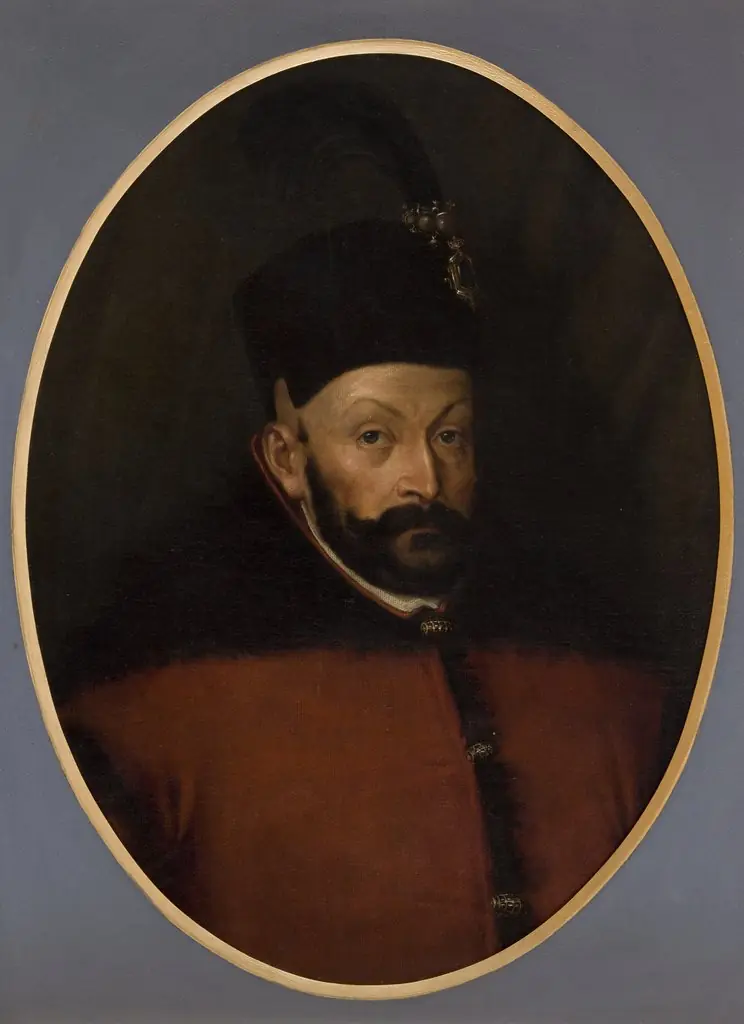 Portret Stefana Batorego (1533-1586), króla Polski
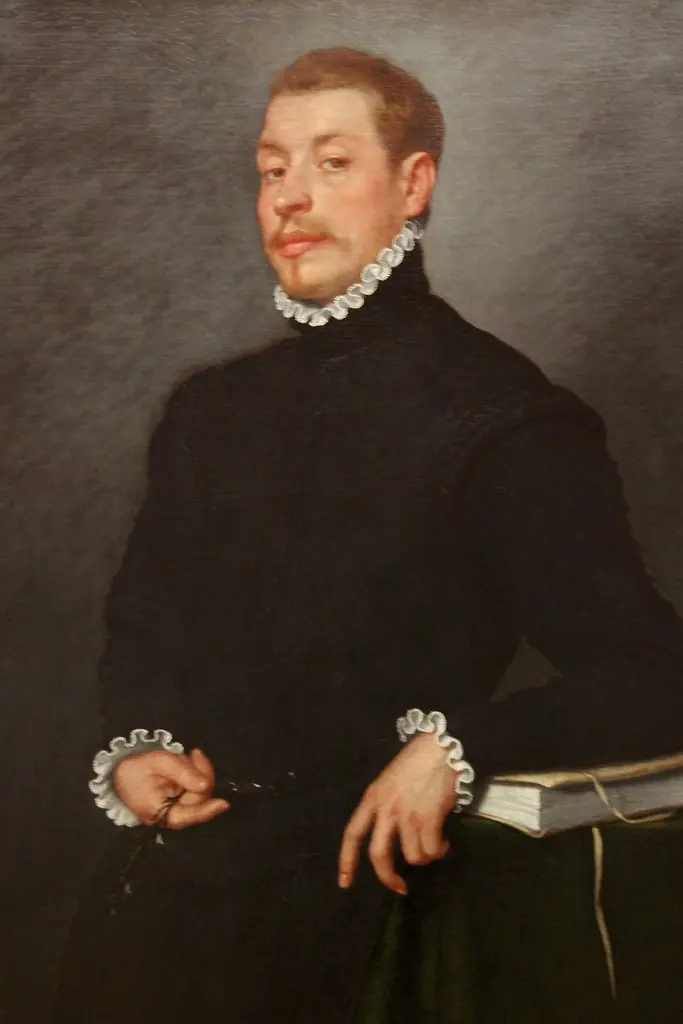 Portrait of a Scholar
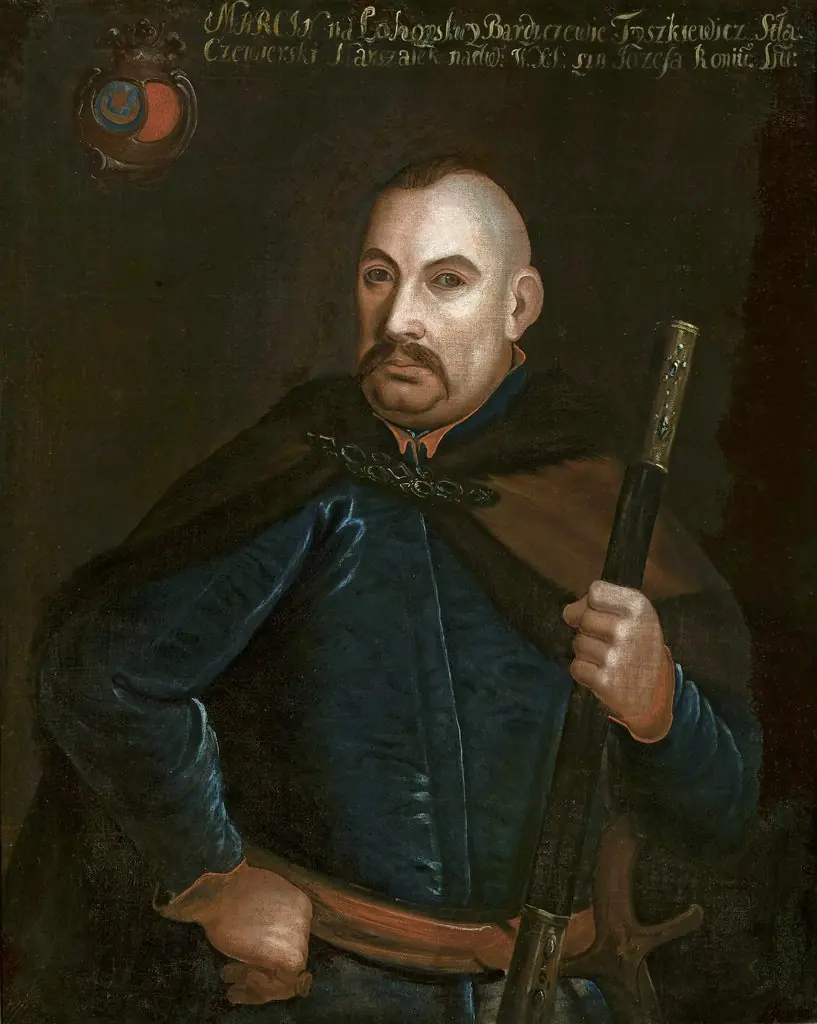 Portrait of Marcin Tyszkiewicz, Leliwa coat of arms (?–after 1631), court marshal of the Grand Duchy of Lithuania
 Portrait of a man in a tall cap
 Măcelarul sibian Georg Hinzmann
 Marele Ban Năsturel Herescu