Artwork
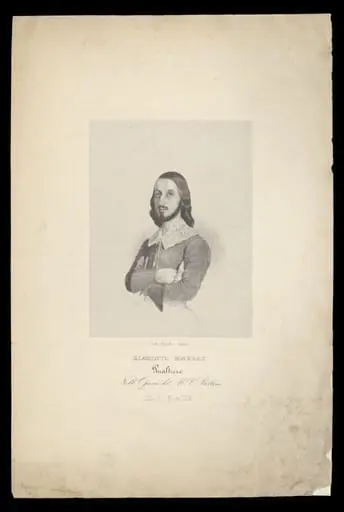
Antimo Liberati
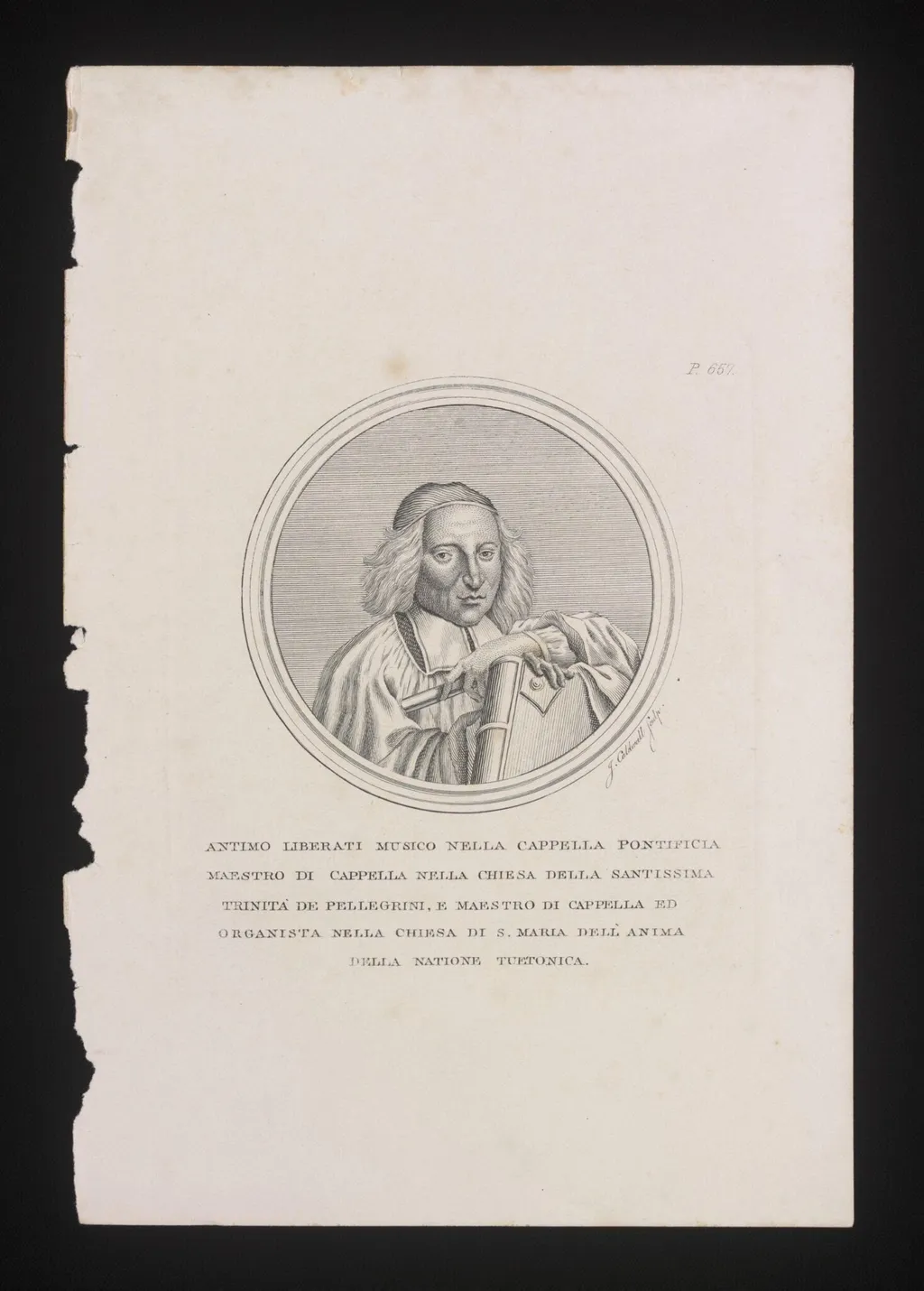
Antimo Liberati is a print by Unknown. It dates from 1750 and is held in the collection of the Victoria and Albert Museum.
About this work
This print shows a musician named Antimo Liberati.
He's dressed in old-fashioned clothes and holds a musical instrument.
The print was made in the 18th century, and it's interesting because it tells us about the person it depicts, who lived a long time before the print was made, from 1617 to 1692.
You can learn more about this kind of art by looking into the technique: sfumato.
Overview
Though created over a century after his death, the image preserves his likeness and professional identity.
This 18th-century print portrays Antimo Liberati, an Italian musician active in the early Baroque period. Though created over a century after his death, the image preserves his likeness and professional identity. It originates from the Harry Beard Collection, a repository of historical musical portraiture. The work reflects a posthumous effort to commemorate cultural figures through printed imagery.
Subject & Meaning
Antimo Liberati, born in 1617 and active until his death in 1692, was a singer and composer associated with Roman musical circles. The print captures him in period attire, holding a stringed instrument, likely a viola da gamba or lute, signaling his role as a performer. The image serves as a visual record of a musician whose contributions to sacred and secular music were recognized in his time but not widely documented visually.
Technique & Style
The print employs engraved lines to define form and texture, typical of 18th-century reproductive printmaking. Facial features and clothing are rendered with careful detail, suggesting reliance on earlier portraits or written descriptions. While the term 'sfumato' refers to a painterly technique of soft transitions, it does not apply here; the print instead uses linear precision to convey likeness and dignity.
History & Provenance
Created in the 1700s, the print was likely produced to satisfy growing interest in historical musical figures during the Enlightenment. It entered the Harry Beard Collection, assembled by a 19th-century British enthusiast of opera and theater memorabilia. The print’s survival reflects its value as a documentary artifact rather than an artistic innovation.
Context
In the 18th century, printed portraits of musicians became more common as cultural memory expanded beyond aristocratic patronage. Liberati, once a performer in papal chapels and Roman academies, was remembered through such images as part of a broader effort to preserve the legacy of early Baroque artists. This print aligns with a trend of compiling visual histories of musical professions.
Legacy
The print remains a key visual reference for scholars studying Liberati’s life and the visual culture of early modern musicians. Though not widely reproduced, it contributes to the understanding of how performers were memorialized long after their deaths. Its presence in the Beard Collection underscores its role in the institutional preservation of musical heritage.
Artist & collection

 Domestic Scene
 Giacomo and Cardinal Marco, investing Andrea, Abbot of San Zeno, with his Benefice
 The Nymph of Fontainebleau
 Portrait of a Woman
 Madonna and Child with Saints in the Enclosed Garden
 Venus and Minerva
 Family Group of Four on Sofa
 Wall painting from Room H of the Villa of P. Fannius Synistor at Boscoreale
 H Beard Print Collection
 Johannes Christophorus Pepusch
 Johannes Christophorus Pepusch
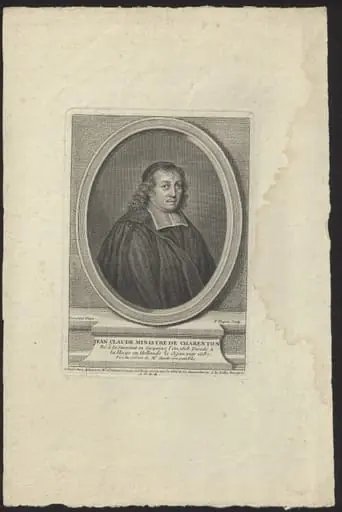 Portrait of Jean Claude, Ministre de Charenton
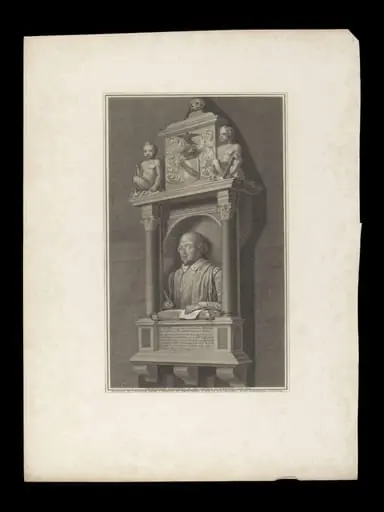 H Beard Print Collection
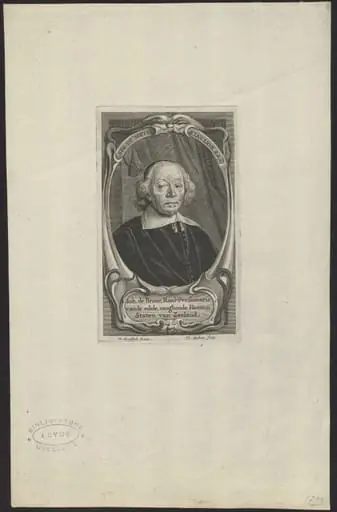 Portrait of Johan de Brune, Raedpensionaris van Zeeland
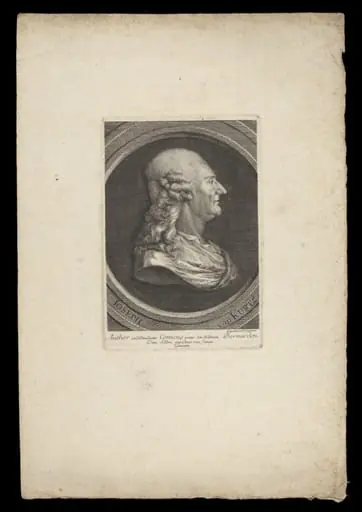 H Beard Print Collection
 H Beard Print Collection
 Virgil
 The Merchant (from the Tarocchi, series E: Conditions of Man, #4)
 H Beard Print Collection
 H Beard Print Collection