Artwork
H Beard Print Collection
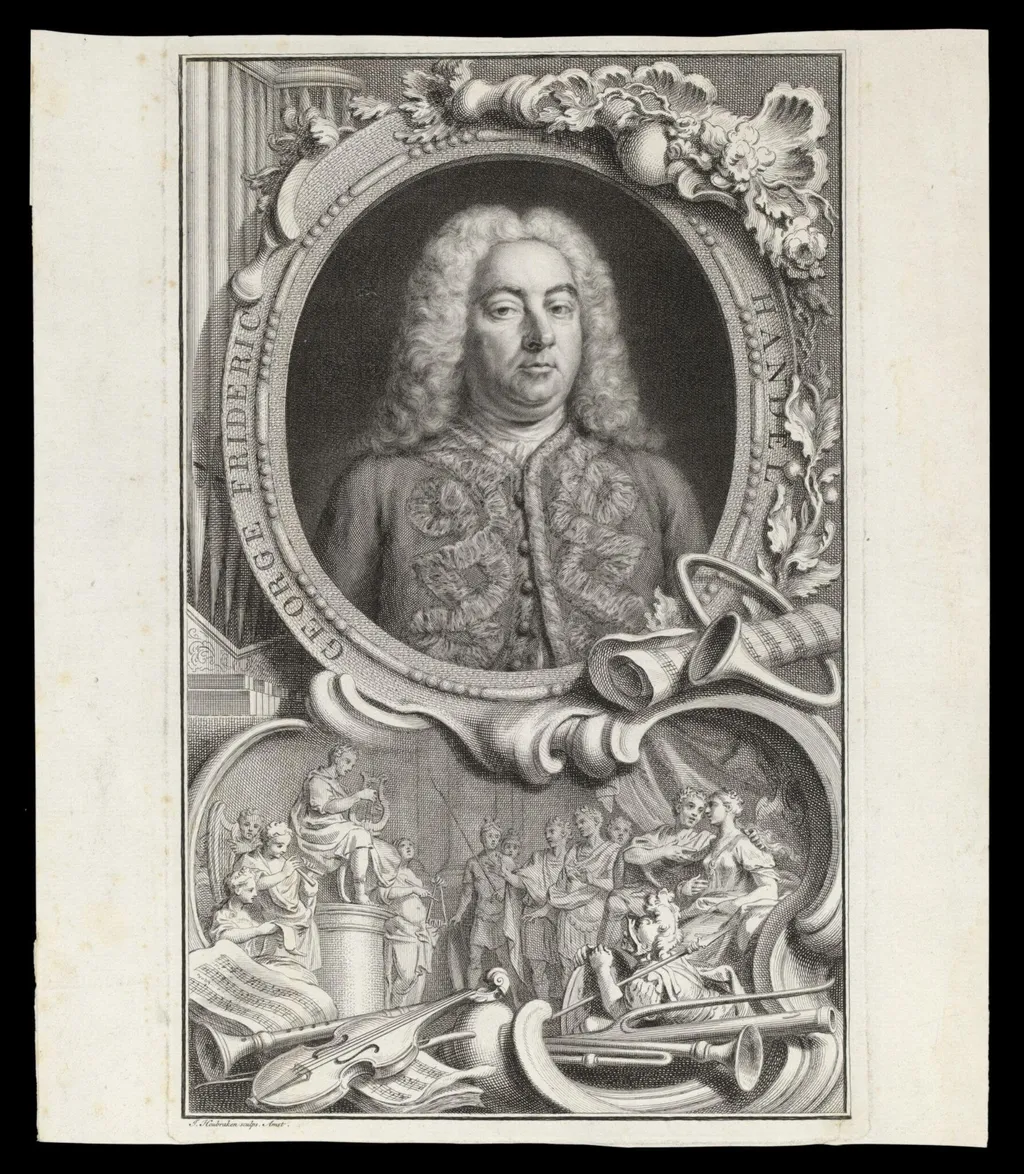
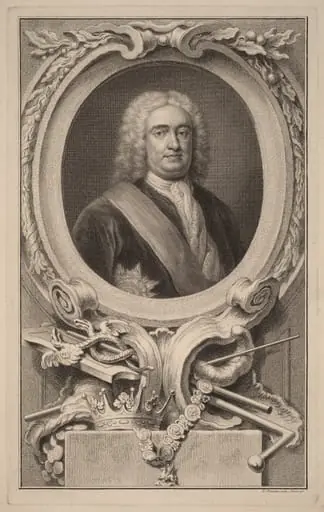
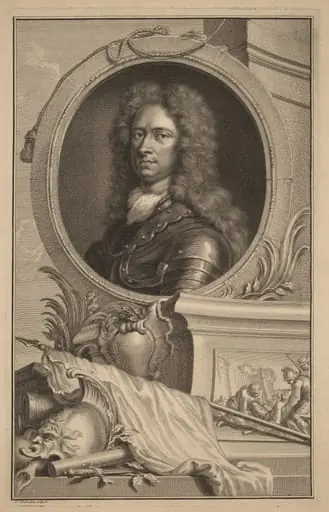
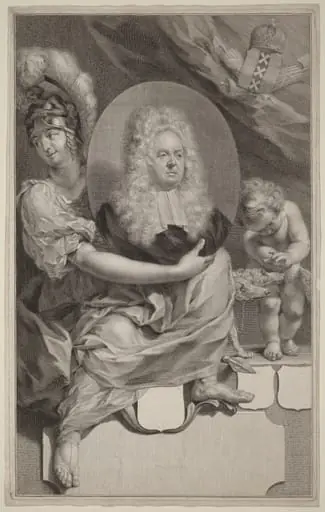
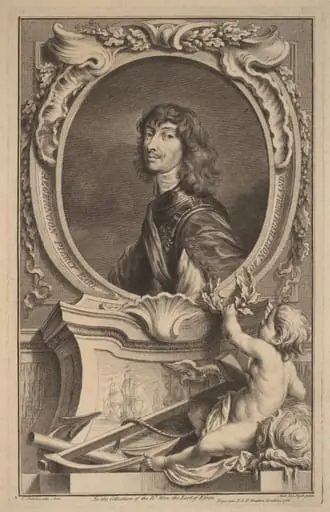
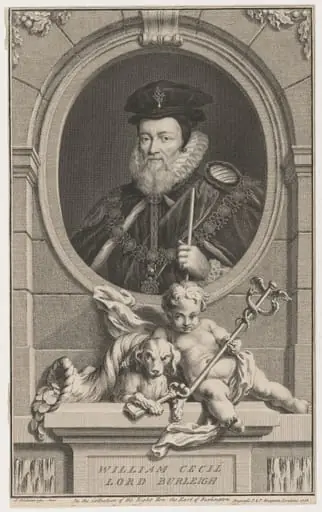
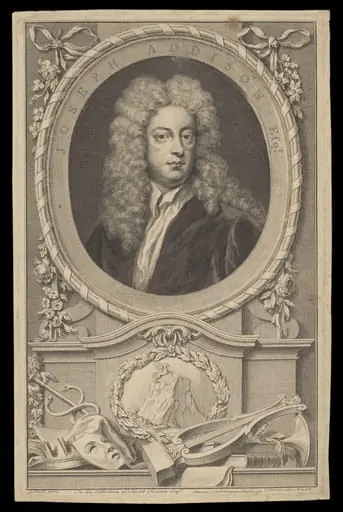
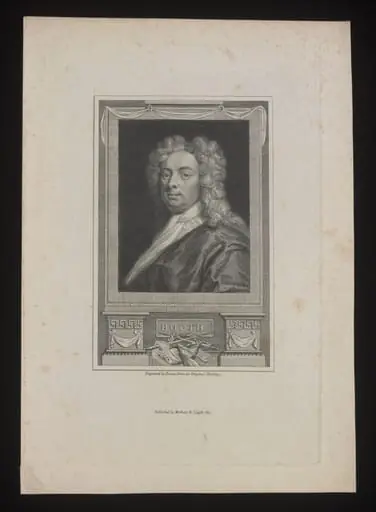
H Beard Print Collection is a print by Jacobus Houbraken. It dates from 1750 and is held in the collection of the Victoria and Albert Museum. This print is part of the Harry Beard Collection and depicts the composer George Frideric Handel.
About this work
Overview
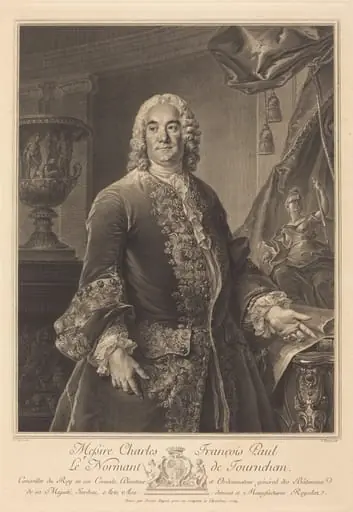
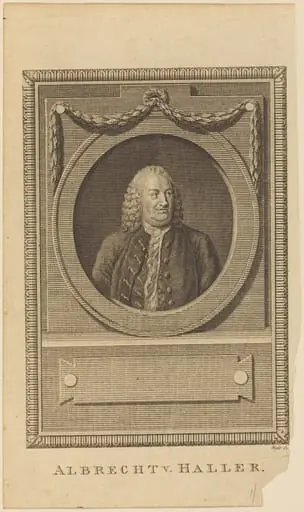
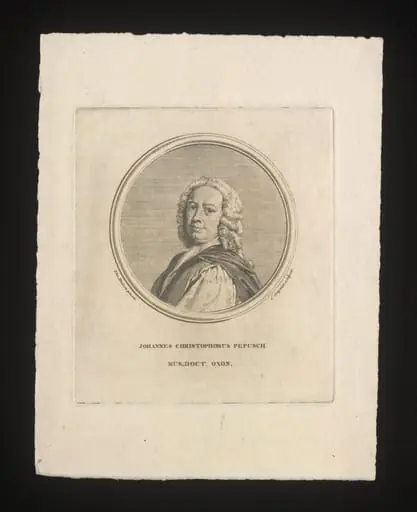
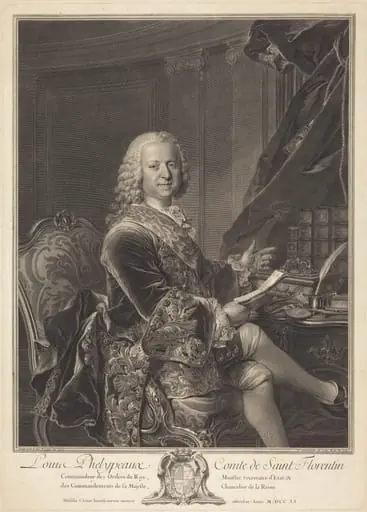
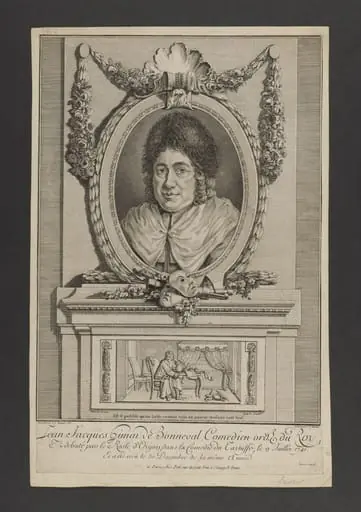
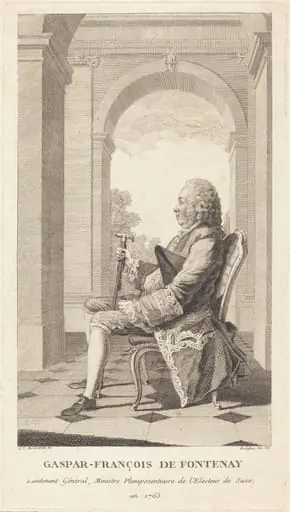
This print is part of the Harry Beard Collection and depicts the composer George Frideric Handel. Executed by Jacobus Houbraken, it is an etching derived from an earlier painted portrait. The work exemplifies 18th-century reproductive printmaking, where engraved images were used to disseminate likenesses of notable figures beyond the reach of original paintings.
Subject & Meaning
Handel is portrayed with a powdered wig and a composed, introspective expression, reflecting his status as a respected musical figure. The emphasis on his facial lines and solemn gaze conveys gravitas rather than flamboyance, aligning with contemporary ideals of intellectual dignity. The image serves less as a personal likeness and more as a formal representation of cultural authority.
Technique & Style
Houbraken employed fine, precise etching lines to render texture and depth, particularly in the folds of fabric and the contours of Handel’s face. Shading is achieved through controlled hatching, maintaining clarity even in the darkest areas. The print’s sharpness and tonal consistency highlight the engraver’s technical discipline and fidelity to the source painting.
History & Provenance
The print originates from a painting now lost or unverified, with Houbraken translating it into print form as part of a broader effort to document prominent individuals of his time. It entered the Harry Beard Collection, later absorbed by the Victoria and Albert Museum, where it remains accessible as part of a significant archive of British portraiture.
Context
In the early 1700s, engraved portraits like this one were vital for circulating images of public figures among the educated middle class. Houbraken, part of a Dutch family of engravers, specialized in reproducing portraits of artists and musicians, contributing to the visual record of Enlightenment-era cultural life across Europe.
Legacy
This print survives as a documented example of how portraiture was reproduced and preserved before photography. While not an original composition, it reflects the value placed on preserving the likenesses of influential composers. Its presence in a major museum collection underscores its role in historical visual documentation.
Artist & collection