Artwork
Blid de formă tronconică, smălțuit cu decor amplasat pe toată suprafața. Blidul este ornamentat cu motive florale și geometrice punctiforme. Cromatică: fond: bej; decor: verde; albastru; galben.
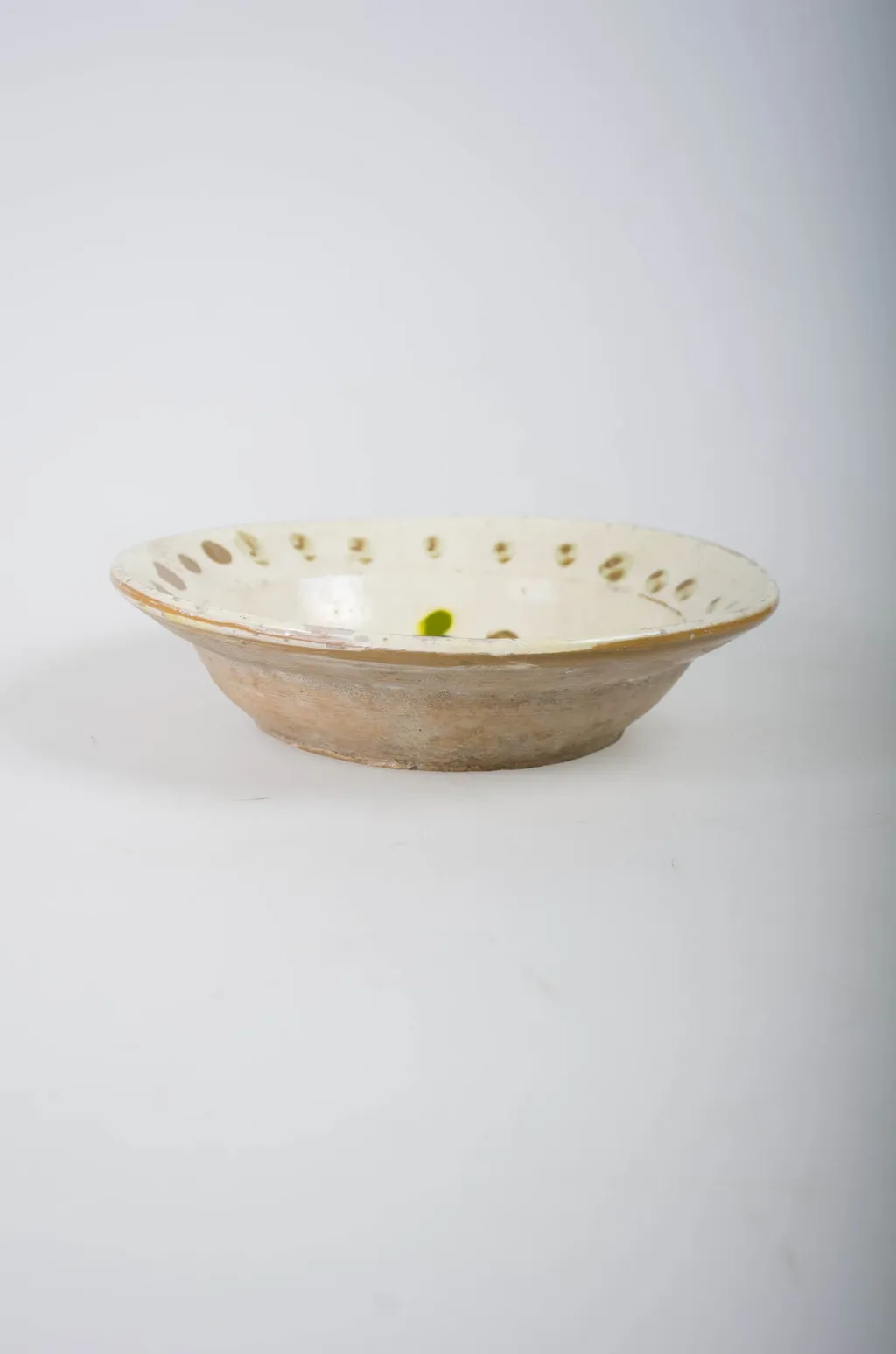
Blid de formă tronconică, smălțuit cu decor amplasat pe toată suprafața. Blidul este ornamentat cu motive florale și geometrice punctiforme. Cromatică: fond: bej; decor: verde; albastru; galben. is a print by Unknown. It dates from 1850 and is held in the collection of the ASTRA National Museum Complex. This is a hand-formed ceramic bowl with a broad, shallow profile and a slightly irregular rim, suggesting manual craftsmanship.
About this work
Overview
This is a hand-formed ceramic bowl with a broad, shallow profile and a slightly irregular rim, suggesting manual craftsmanship. Its surface is covered in a light beige slip, with minimal interior decoration. The exterior features a dense arrangement of small, evenly spaced dots, organized into geometric patterns that extend across the entire outer surface.
Subject & Meaning
The decoration consists of abstract, punctiform motifs in green, blue, and yellow, arranged without clear figural reference. While the patterns may serve purely ornamental purposes, their repetition and uniformity hint at symbolic or cultural significance, possibly tied to communal identity, ritual use, or cosmological beliefs, though no definitive interpretation is recorded.
Technique & Style
The vessel was likely shaped on a slow wheel or by hand, then fired to produce a porous clay body. The dot decoration was applied with a fine tool or stylus before glazing, creating a subtle texture. The limited palette and precise placement of colored dots reflect a deliberate, restrained aesthetic, contrasting with the otherwise unadorned interior and rough exterior surface.
History & Provenance
The object’s origin is not documented, but its form and decorative method align with early ceramic traditions from regions where punctate ornamentation was common in domestic or ceremonial wares. Its preservation suggests it was not heavily used or deliberately buried, though its exact archaeological context remains unknown.
Context
Similar vessels with dot-decorated exteriors appear in archaeological collections from Neolithic and early Bronze Age settlements in Southeastern Europe and Anatolia. These objects often belonged to domestic contexts, used for storage or serving. The use of limited pigments and repetitive patterns reflects a shared visual language among contemporary communities.
Legacy
Though not widely exhibited, this type of pottery contributes to understanding early ceramic practices in the region. Its simplicity and craftsmanship offer insight into prehistoric aesthetic choices and the role of repetitive mark-making in non-literate societies. Comparable examples are held in ethnographic collections focused on early material culture.
Artist & collection

 Domestic Scene
 Giacomo and Cardinal Marco, investing Andrea, Abbot of San Zeno, with his Benefice
 The Nymph of Fontainebleau
 Portrait of a Woman
 Madonna and Child with Saints in the Enclosed Garden
 Venus and Minerva
 Family Group of Four on Sofa
 Wall painting from Room H of the Villa of P. Fannius Synistor at Boscoreale
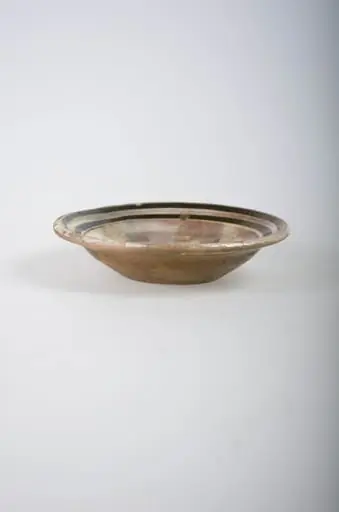 Blid de formă tronconică, smălțuit cu decor amplasat pe toată suprafața. Decor cu motive geometrice, circulare, în zona buzei și motive florale, plasate pe fundul vasului. Cromatică: fond: crem; decor: maro; verde; albastru.
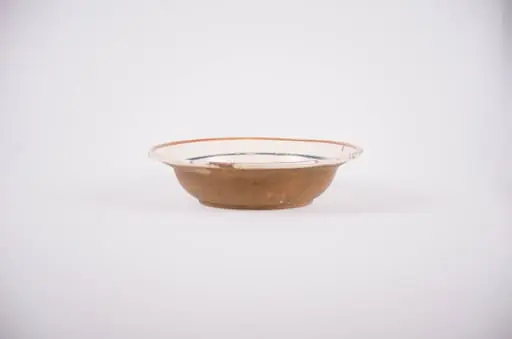 Farfurie de formă tronconică cu smalț in interior, Decorul este plasat astfel: central - floral; pe buză două linii circulare; decor geometric: cercuri. Cromatică: fond alb; motive: maro; verde; albastru.
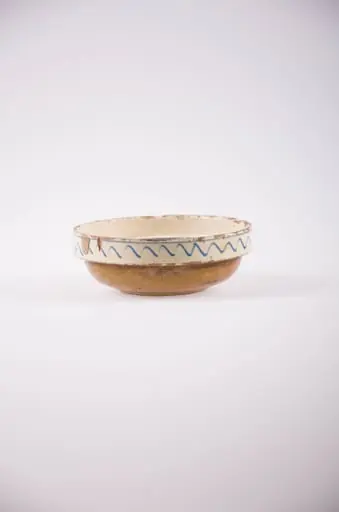 Vas de formă tronconică cu fundul ușor profilat, buza dreaptă și evazată. Smălțuit în interior și în exterior. Motiv ornamental central este floral. În exteriorul buzei avem motiv geometric în formă de val. Cromatică: fond: alb; motive: alb; verde; albastru; maro.
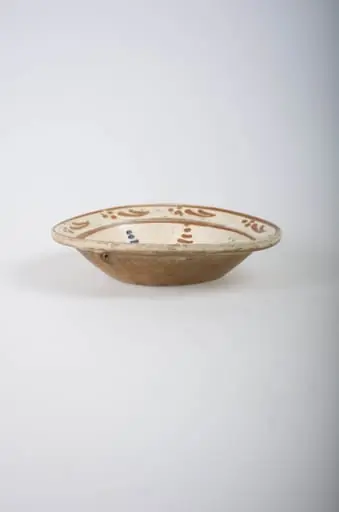 Blid de formă tronconică, smălțuit cu decor amplasat pe toată suprafața, format din motive astrale: stea și motive vegetale. Cromatica: fond: crem; decor: cărămiziu, albastru, verde.
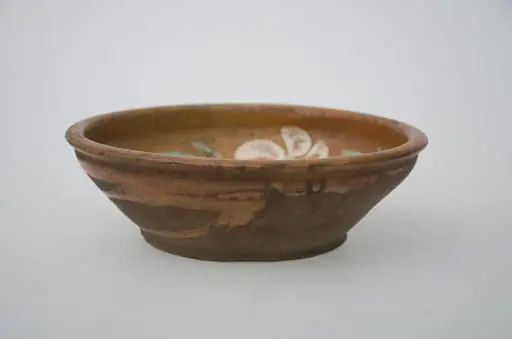 Blid de formă tronconică, smălțuit în interior cu buza larg rasfrântă. Prezintă decor floral fundul șu corpul vasului. Cromatică: fond: maro; motive: alb; verde; albastru.
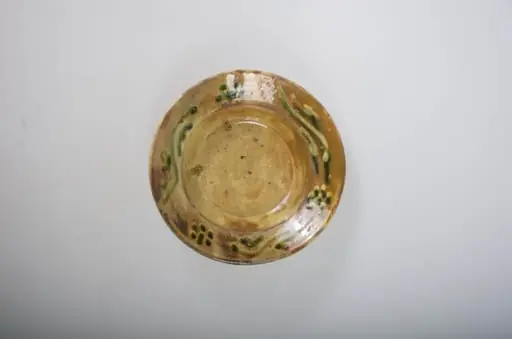 Blid de formă tronconică, adâncit cu margini puțin ridicate. Decorul este format din ornamente florale și vegetale stilizate, amplasate pe margini, buză. Blidul este smălțuit la interior și la exterior. Cromatică: maro; galben; verde.
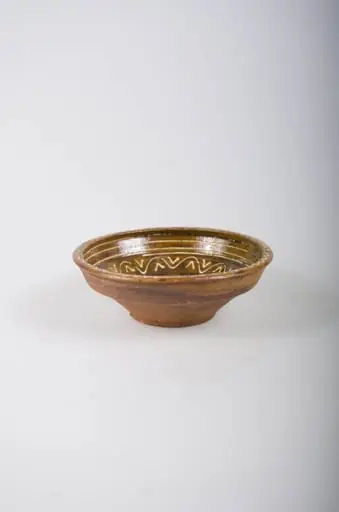 Recipient tronconic, cu gura mai largă decât baza, cu buza dreaptă și înaltă. Acesta este smălțuit doar la interior. Vasul este decorat prin pictare cu cornul, cu ornamente geometrice: spirală pe fund, linii circulare, linii vălurite și ”V”-uri înscrise pe pereți și decorații de tip val pe margine. Din punct de vedere al cromaticii, se observă un fond ocru la interior, cărămiziu la exterior, motivele fiind pictate cu alb.
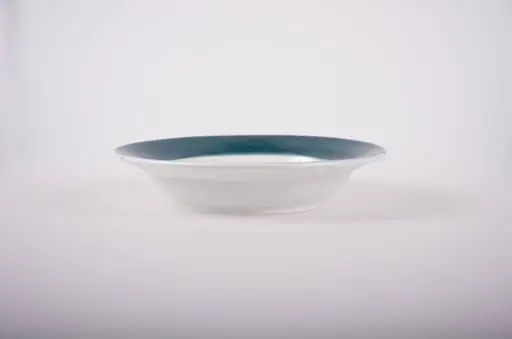 Farfurie de formă tronconică, adâncită; pe fund are găuri pentru agățare. În centru este decorată cu motive florale; marginea este pictată verde; pe fund are trei cercuri concentrice. Cromatică: fond: alb; motive: verde; vișiniu; albastru; galben.
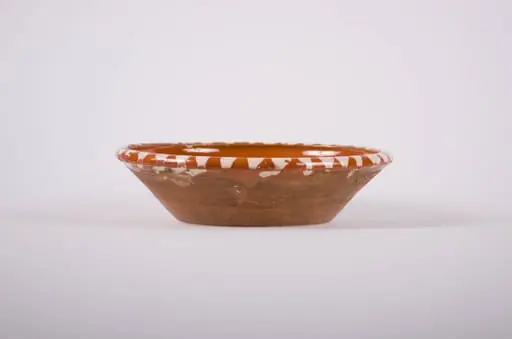 Vas de formă tronconică, adâncit; pe fund are găuri pentru agățare, Este smălțuit interior și exterior (buza). Decorat cu motive geometrice: linie, punct; motive avimorfe: păun. Cromatică: fond: maro; motive: alb; negru; verde.
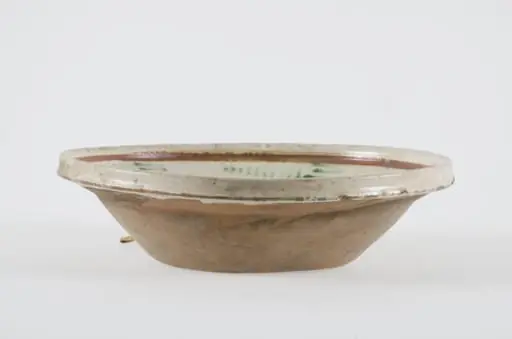 Blid de formă tronconică, adâncit, lucrat la roata rapidă și smălțuit la interior. Smalțul interior este alb iar pe exterior se identifică scurgeri de smalț alb și maroniu. Farfuria este decorată cu motive vegetale și florale stilizate dispuse în zona centrală a vasului dar și într-un registru geometric pe buza interioară a vasului. Cromatică: alb; motive: verde; maro.
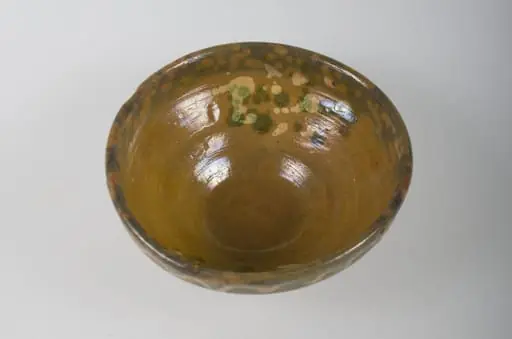 Vas de formă tronconică, cu pereții oblici și buza înaltă, lucrat neîngrijit. Este smălțuit în interior și exterior (parțial). Este decorat pe interior cu un mănunchi de puncte albe și verzi. Buza este decorată în exterior cu motive geometrice: linie în val. Cromatică: motive: fond: maro; motive: alb; verde.