Artwork
Vas de formă tronconică, cu pereții oblici și buza înaltă, lucrat neîngrijit. Este smălțuit în interior și exterior (parțial). Este decorat pe interior cu un mănunchi de puncte albe și verzi. Buza este decorată în exterior cu motive geometrice: linie în val. Cromatică: motive: fond: maro; motive: alb; verde.
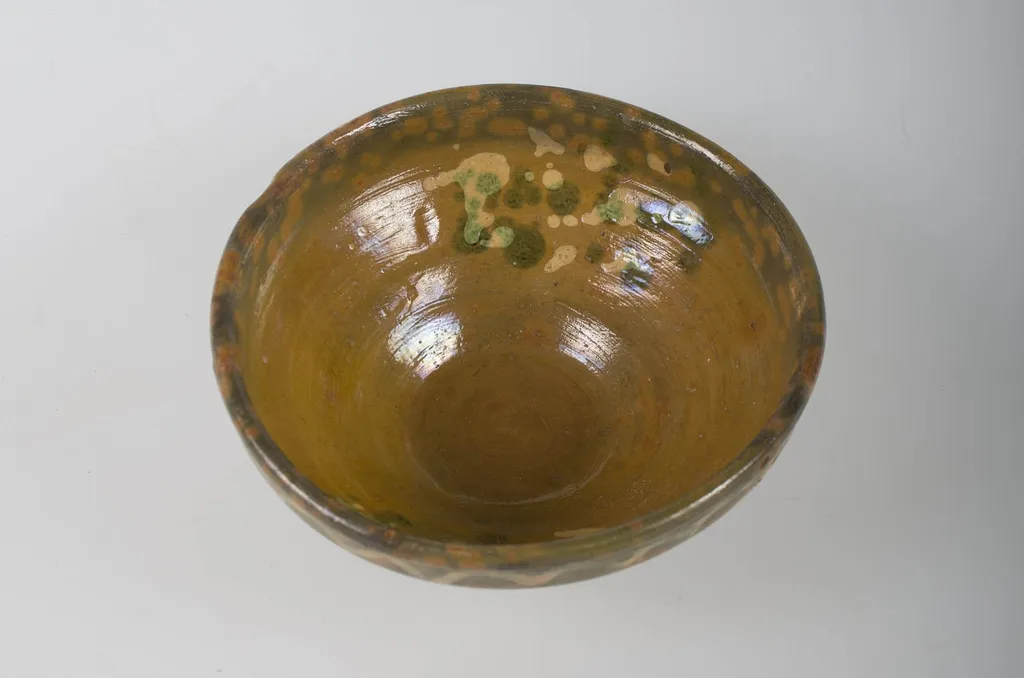
Vas de formă tronconică, cu pereții oblici și buza înaltă, lucrat neîngrijit. Este smălțuit în interior și exterior (parțial). Este decorat pe interior cu un mănunchi de puncte albe și verzi. Buza este decorată în exterior cu motive geometrice: linie în val. Cromatică: motive: fond: maro; motive: alb; verde. is a photography by Unknown. It dates from 1850 and is held in the collection of the ASTRA National Museum Complex. This conical vessel is a hand-formed ceramic bowl with irregular, thickened lips and uneven walls.
About this work
Overview
The overall appearance suggests utilitarian use and minimal finishing, typical of locally produced pottery with limited access to refined techniques.
This conical vessel is a hand-formed ceramic bowl with irregular, thickened lips and uneven walls. Its surface shows signs of rudimentary craftsmanship—rough exterior texture, partial glazing, and asymmetrical form. The interior is glazed, while the exterior remains mostly unglazed, revealing the natural clay beneath. The overall appearance suggests utilitarian use and minimal finishing, typical of locally produced pottery with limited access to refined techniques.
Subject & Meaning
The decoration consists of sparse white and green dots arranged in a central cluster inside the vessel, alongside a single wavy line encircling the outer rim. These motifs lack clear symbolic narrative, but their placement implies decorative intent rather than ritual or narrative function. The simplicity of the design may reflect everyday aesthetics or limited access to pigments, pointing to a domestic context rather than ceremonial use.
Technique & Style
The vessel was shaped by hand, resulting in uneven contours and a thick, irregular lip. Glaze was applied inconsistently—present inside and partially on the outside—suggesting a single dipping or brushing process. The white and green dots, likely applied post-glaze, were made with a fine tool or brush. The geometric wavy band on the rim is incised or painted in a single continuous line, indicating a restrained, repetitive decorative method common in utilitarian ceramics.
History & Provenance
The object’s crude construction and limited decoration align with regional, non-industrial ceramic traditions, likely from a rural or modestly resourced community. Its lack of distinctive markers makes precise dating or origin difficult, but similar forms appear in 19th- to early 20th-century folk pottery across Eastern Europe. The Museum of Ethnography holds comparable pieces, suggesting it was collected as an example of vernacular material culture.
Context
This bowl likely served everyday domestic purposes—storage, serving, or cooking—rather than ceremonial roles. Its rough exterior and uneven glaze indicate limited resources or time for refinement, consistent with household production. The minimal decoration suggests aesthetic preference was secondary to function, reflecting a broader tradition of unadorned, practical ceramics in agrarian or small-scale communities.
Legacy
As a representative of vernacular pottery, this vessel contributes to the understanding of non-elite material culture in historical contexts. Its preservation in ethnographic collections highlights efforts to document everyday objects often overlooked in art-historical narratives. It stands as evidence of local craftsmanship, where utility shaped form more than ornamentation or technical precision.
Artist & collection

 Domestic Scene
 Giacomo and Cardinal Marco, investing Andrea, Abbot of San Zeno, with his Benefice
 The Nymph of Fontainebleau
 Portrait of a Woman
 Madonna and Child with Saints in the Enclosed Garden
 Venus and Minerva
 Family Group of Four on Sofa
 Wall painting from Room H of the Villa of P. Fannius Synistor at Boscoreale
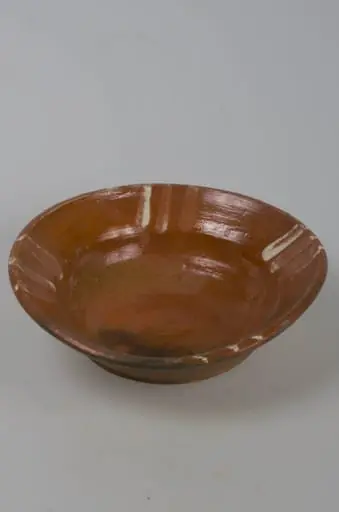 Farfurie de formă tronconică, cu fundul adânc, rotunjit în interior, iar în exterior plat. Buza farfuriei lată și răsfrântă oblic. Decorată cu motive geometrice, pe margine sunt patru grupuri de câte trei linii de culoare albă ca ornament. Interiorul farfuriei este smălțuit. Cromatică: fond: cărămiziu; motive: alb.
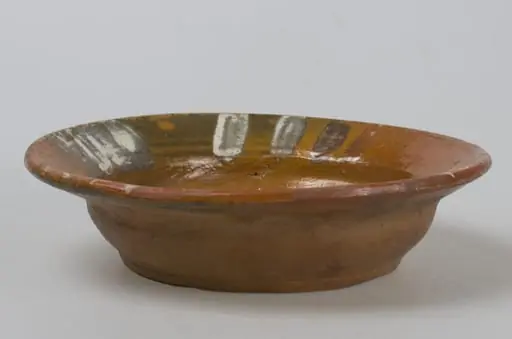 Blid de formă tronconică, adâncită, cu buza evazată, smălțuit în interior și la exterior (buza). Decorul este prezent în zona buzei și este compus din motive geometrice dispuse în patru registre, două a câte trei linii albe, iar celelalte două au câte patru linii. Cromatică: cărămiziu, verde, alb.
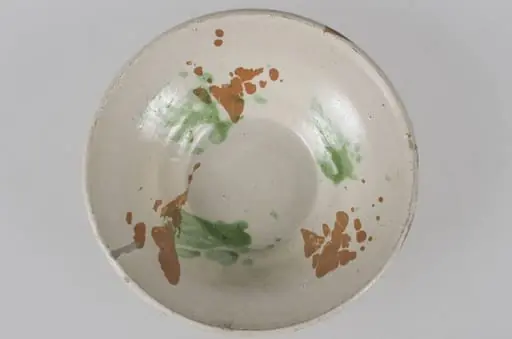 Vasul din lut de formă tronconică cu fundul adâncit prezintă marginea superioară dreapta. Obiectul este smălțuit în exterior brun iar în interior prezintă un fond alb pe care sunt dispuse ornamente prin stropire, cu pete de diferite dimensiuni de culoare maro și verde. Cromatică: fond exterior: cărămiziu; fond interior: alb; motive: maro; verde.
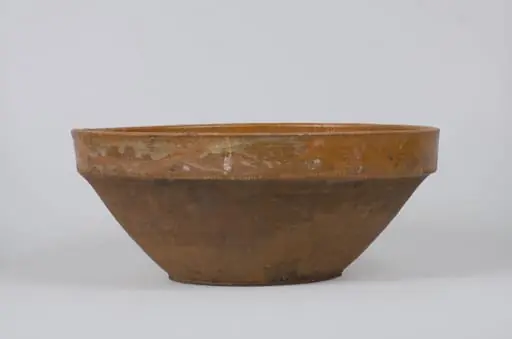 Vas de formă tronconică, foarte adâncită, cu buza înălțată. Este smălțuit în interior și exterior. În zona mediană interioară a vasului se identifică un registru decorativ alcătuit din motive florale și vegetale stilizate, geometrice (punctul și cercul) iar pe fundul vasului se identifică un cerc realizat din puncte. Motivele decorative sunt realizate prin pictare, foarte șterse. Cromatică: fond cărămiziu; verde; galben.
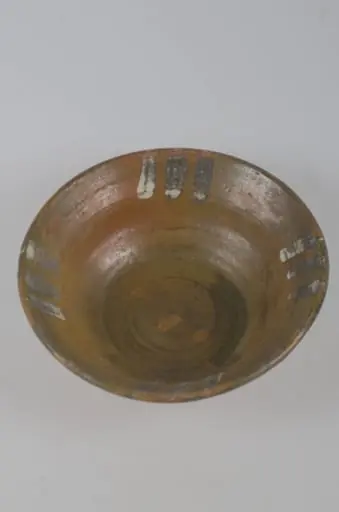 Farfurie de formă tronconică, adâncită, cu buza lată și evazată. Este smălțuit în interior și în exterior (buza). Prezintă decor pe buză cu motive geometrice dispuse în patru registre a câte trei linii albe cu negru; smalț verzui. Cromatică: fond: cărămiziu; motive: verzui; alb; gri.
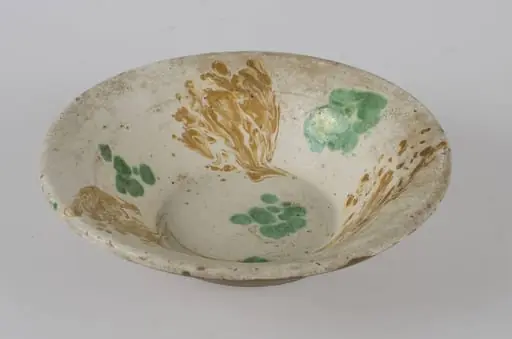 Vas adânc din lut, de formă tronconică, cu marginea evazată. Pe fundalul de culoare crem, sunt pictate în șapte registre pete de diferite forme și dimensiuni de culoare maro și verde. Blidul este smălțuit la interior și pe buză, la exterior.
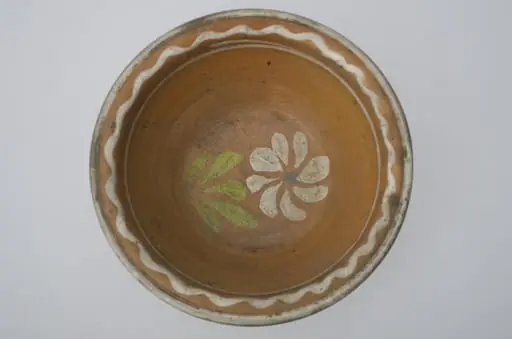 Farfurie adânca, de formă tronconică, smălțuită în interior. Pe margine prezintă decor geometric: linia vălurită; central o floare. Cromatică: fond: cărămiziu; motive: alb; verde; albastru.
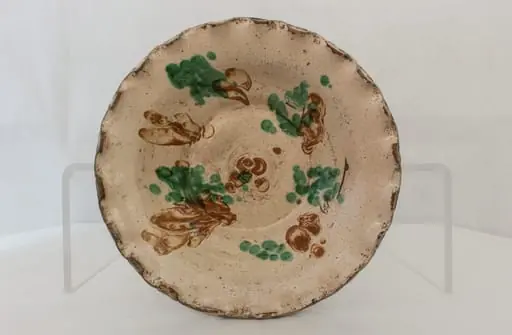 Vas de formă rotundă, cu pereții ușor evazați, smălțuit în interior, cu marginea vălurită, decorat (în mod unic) pe suprafața interioară cu motive punctiforme și neregulate, dispuse aleatoriu, realizate cu pensula. Cromatică: verde, maro, bej.
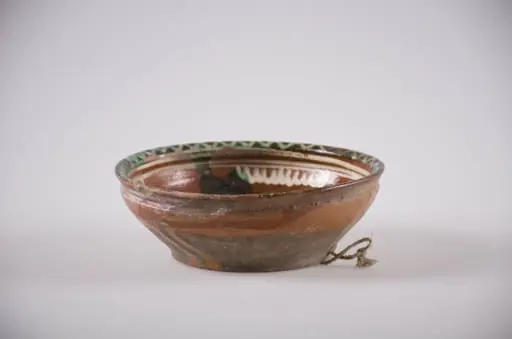 Blid de formă tronconică, adânc cu pereți ușor evazați și buza dreaptă, Decor cu motive geometrice: linie ondulată pe buză; cercuri concentrice pe trei câmpuri pe fundul blidului. În centru avem o floare stilizată; pete stropite pe vas. Smălțuit maro. Cromatică: fond: maro; motive: verde; alb. Prezintă două găuri pe fundul vasului pentru atârnare.