Artwork
Blidul de formă tronconică este adânc, smălțuit la interior. Acesta este ornamentat cu motive florale, având cu buza înaltă. Totuși, este neornamentat la exterior, fiind smălțuit (la exterior) doar pe buză. Pe exteriorul buzei este incizată o linie. Fundul obiectului are formă circulară, fiind prevăzut cu două orificii pentru prindere. Cromatică: fond: cărămiziu (exterior); alb (interior); decor: verde; albastru; cărămiziu.
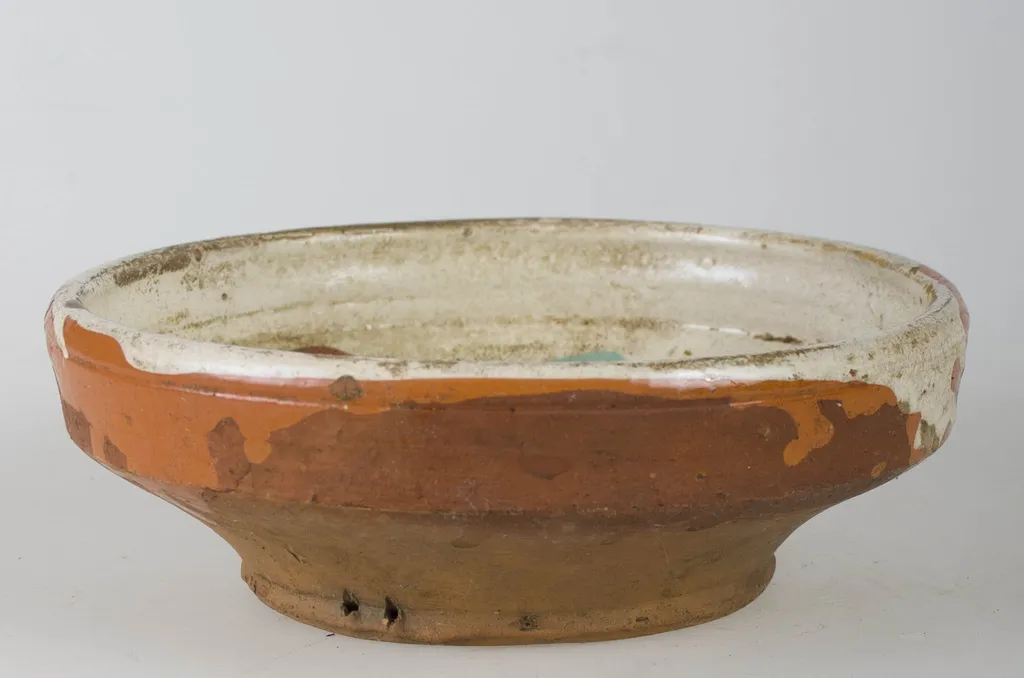
Blidul de formă tronconică este adânc, smălțuit la interior. Acesta este ornamentat cu motive florale, având cu buza înaltă. Totuși, este neornamentat la exterior, fiind smălțuit (la exterior) doar pe buză. Pe exteriorul buzei este incizată o linie. Fundul obiectului are formă circulară, fiind prevăzut cu două orificii pentru prindere. Cromatică: fond: cărămiziu (exterior); alb (interior); decor: verde; albastru; cărămiziu. is a photography by Unknown. It dates from 1850 and is held in the collection of the ASTRA National Museum Complex. This ceramic bowl features a conical form with a deep interior and a high rim.
About this work
Overview
This ceramic bowl features a conical form with a deep interior and a high rim.
This ceramic bowl features a conical form with a deep interior and a high rim. Its interior surface is glazed and decorated with floral motifs in green, blue, and brick-red hues, while the exterior remains largely unadorned, with glaze applied only along the rim. Two small perforations at the base suggest it was designed to be suspended. The overall appearance is worn, with muted colors indicating prolonged use.
Subject & Meaning
The floral patterns inside the bowl likely reflect a decorative tradition tied to domestic or ritual use, though no symbolic meaning is explicitly documented. The contrast between the ornate interior and plain exterior may indicate the object was meant to be viewed primarily from within, perhaps during communal meals or ceremonies. The absence of decoration outside suggests functionality over display in its original context.
Technique & Style
The vessel was formed using wheel-thrown techniques, with a glazed interior and a minimally treated exterior. Decoration was applied beneath the glaze using pigments in green, blue, and brick-red, likely derived from mineral oxides. A single incised line encircles the rim, adding subtle definition. The glaze on the exterior is limited to the lip, preserving the natural clay tone beneath, which has weathered to a soft brown-orange over time.
History & Provenance
The bowl’s wear patterns and faded pigments suggest extended use before being archived. Its construction and decoration align with regional ceramic traditions from the Balkans or Eastern Europe, though its exact origin remains unconfirmed. The presence of suspension holes implies it may have been stored or displayed vertically, possibly in a domestic or religious setting. No documented provenance exists beyond its current classification as utilitarian pottery.
Context
This piece belongs to a broader category of everyday ceramics produced for household use in pre-industrial communities. Its design—ornate inside, plain outside—mirrors a common aesthetic where decoration served functional or social purposes visible only during use. Similar vessels have been found in rural dwellings and monastic sites, often associated with food preparation or ritual offerings, reflecting a culture that valued craftsmanship within private spheres.
Legacy
Though not attributed to a named artisan or region, the bowl exemplifies the quiet durability of vernacular ceramics. Its preservation highlights how ordinary objects can convey cultural habits through form and wear. Collections such as the Museum of Ethnography hold comparable pieces, offering insight into the material lives of communities that prioritized utility, repetition, and subtle beauty over monumental display.
Artist & collection

 Domestic Scene
 Giacomo and Cardinal Marco, investing Andrea, Abbot of San Zeno, with his Benefice
 The Nymph of Fontainebleau
 Portrait of a Woman
 Madonna and Child with Saints in the Enclosed Garden
 Venus and Minerva
 Family Group of Four on Sofa
 Wall painting from Room H of the Villa of P. Fannius Synistor at Boscoreale
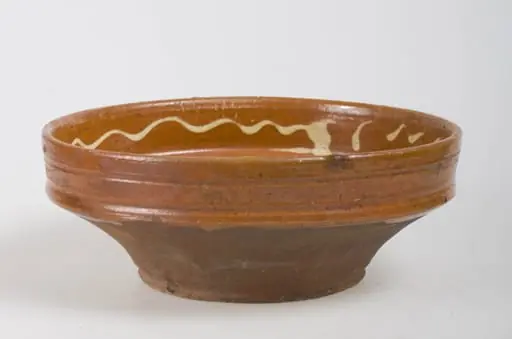 Blidul de formă tronconică, adânc, cu buza înaltă; ornamentat cu motive florale, liniare și curbilinii. Motivele floral vegetale sunt dispuse într-un registru continuu pe fundul vasului și pe diameterul maxim. Acesta prezintă și motive geometrice reprezentate prin linia vălurită dispusă pe interiorul buzei. Obiectul este smălțuit la exterior doar pe buză. Pe exteriorul buzei sunt incizate două linii. Fundul este inelar și prevăzut cu două orificii pentru agățare. Cromatică: fond: cărămiziu; decor: alb; verde; albastru; maro.
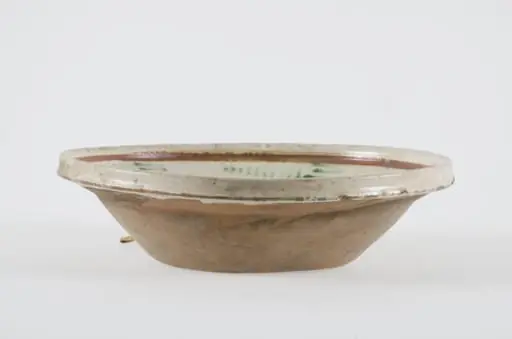 Blid de formă tronconică, adâncit, lucrat la roata rapidă și smălțuit la interior. Smalțul interior este alb iar pe exterior se identifică scurgeri de smalț alb și maroniu. Farfuria este decorată cu motive vegetale și florale stilizate dispuse în zona centrală a vasului dar și într-un registru geometric pe buza interioară a vasului. Cromatică: alb; motive: verde; maro.
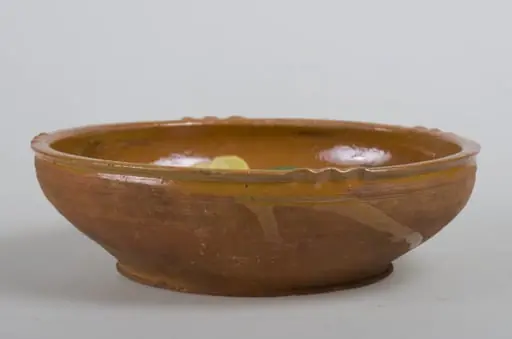 Blidul de formă tronconică este adânc, smălțuit pe interior, ornamentat cu motive florale si aviforme, neornamentat la exterior. Obiectul este smălțuit, la exterior, doar pe buză. Tot la exterior, sub buză, este incizată o linie circulară. Vasul prezintă pe buză decor alveolat. Fundul este circular și prevăzut cu două orificii pentru agățare. Cromatică: fond: cărămiziu; decor: verde; galben; maro.
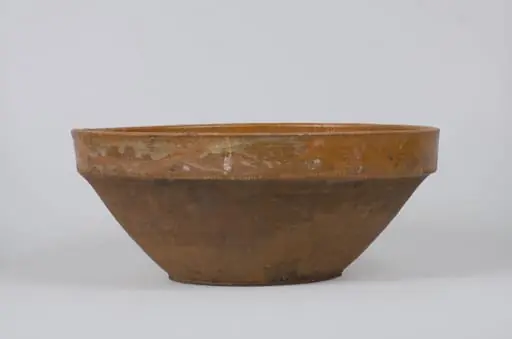 Vas de formă tronconică, foarte adâncită, cu buza înălțată. Este smălțuit în interior și exterior. În zona mediană interioară a vasului se identifică un registru decorativ alcătuit din motive florale și vegetale stilizate, geometrice (punctul și cercul) iar pe fundul vasului se identifică un cerc realizat din puncte. Motivele decorative sunt realizate prin pictare, foarte șterse. Cromatică: fond cărămiziu; verde; galben.
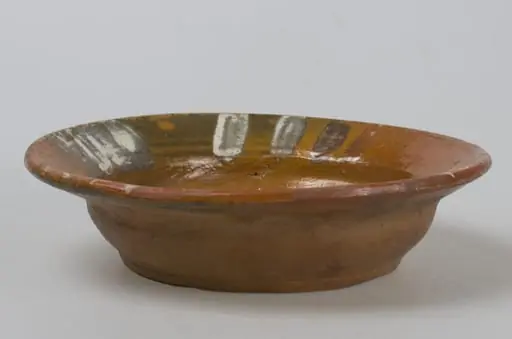 Blid de formă tronconică, adâncită, cu buza evazată, smălțuit în interior și la exterior (buza). Decorul este prezent în zona buzei și este compus din motive geometrice dispuse în patru registre, două a câte trei linii albe, iar celelalte două au câte patru linii. Cromatică: cărămiziu, verde, alb.
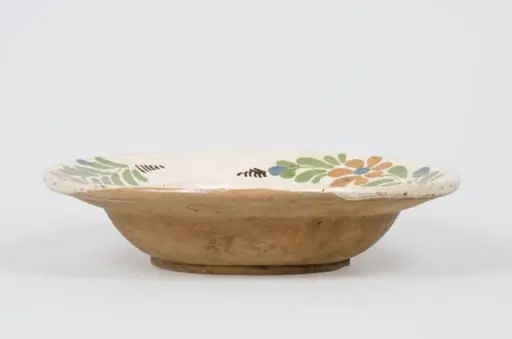 Vas de formă tronconică, adâncit smălțuit în interior. Acesta este decorat pe margine cu motive vegetale și florale pe un registru dispus în zona diametrului maxim. Cromatică: fond cărămiziu (exterior); fond alb (interior); verde; maro; albastru.
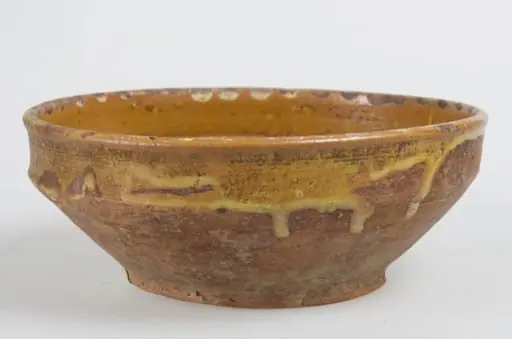 Blidul de formă tronconică este adânc, smălțuit pe interior. Obiectul prezintă ornamente cu motive florale, având buza înaltă. La exterior obiectul nu prezintă ornamente. Vasul este smălțuit la exterior doar pe buză. Acesta prezintă puncte pictate cu pensula pe buză, la interior. Fundul vasului este circular și este prevăzut cu două orificii pentru agățare. Cromatică: fond: cărămiziu; decor: verde; alb; ocru; maro.