Artwork
Vas de formă tronconică, adâncit smălțuit în interior. Acesta este decorat pe margine cu motive vegetale și florale pe un registru dispus în zona diametrului maxim. Cromatică: fond cărămiziu (exterior); fond alb (interior); verde; maro; albastru.
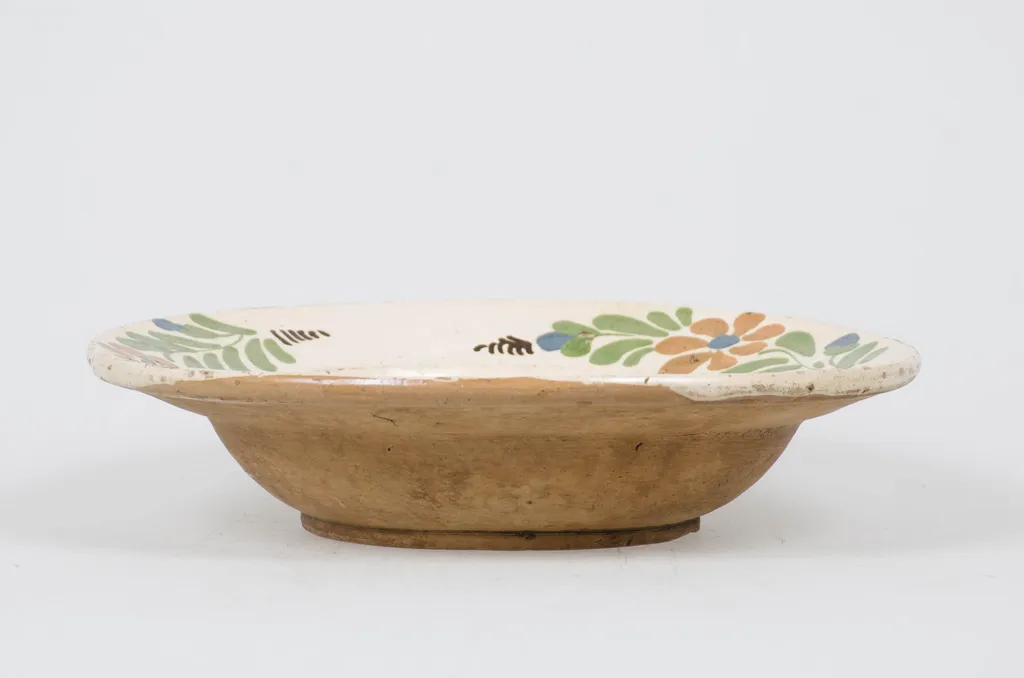
Vas de formă tronconică, adâncit smălțuit în interior. Acesta este decorat pe margine cu motive vegetale și florale pe un registru dispus în zona diametrului maxim. Cromatică: fond cărămiziu (exterior); fond alb (interior); verde; maro; albastru. is a photography by Unknown. It dates from 1850 and is held in the collection of the ASTRA National Museum Complex. This is a shallow, conical ceramic vessel with a wide, flat rim.
About this work
Overview
This is a shallow, conical ceramic vessel with a wide, flat rim. The exterior surface is unadorned and exhibits a reddish-brown hue, showing signs of wear consistent with use. The interior features a narrow white band along the upper edge, serving as a canvas for a continuous decorative motif that encircles the vessel just below the rim.
Subject & Meaning
The decoration consists of stylized vegetal elements—simple leaves, rounded flowers in orange, and small blue dots—arranged in a single, unbroken band. These motifs suggest a connection to natural forms, possibly reflecting local botanical knowledge or symbolic associations with growth and fertility, though no explicit narrative or ritual function is evident from the design alone.
Technique & Style
The vessel was hand-formed and coated with slip and glaze, with the interior rim glazed white to contrast with the unglazed exterior.
The vessel was hand-formed and coated with slip and glaze, with the interior rim glazed white to contrast with the unglazed exterior. Pigments in green, orange, and blue were applied with precision along the rim’s edge, using a restrained, linear style. The composition is tightly bounded, emphasizing the vessel’s form rather than extending outward, typical of utilitarian ceramics with decorative emphasis on the lip.
History & Provenance
The object lacks documented excavation or collection history. Its material and decorative style align with regional pottery traditions from areas where earthenware was commonly produced for domestic use. The wear on the exterior and the simplicity of the design suggest everyday function, possibly for storage or serving, rather than ceremonial purposes.
Context
Similar vessels appear in ethnographic collections from Southeastern Europe and the Balkans, where hand-thrown ceramics often featured minimal, rim-focused ornamentation. The use of limited pigments and localized glazing techniques reflects accessible materials and craft practices common in rural communities during the late 19th to early 20th centuries.
Legacy
This piece contributes to the understanding of vernacular ceramic traditions, illustrating how functional objects carried subtle aesthetic choices. It remains part of broader studies on regional craftsmanship, preserved in institutional collections as an example of non-elite material culture rather than as a work of fine art.
Artist & collection

 Domestic Scene
 Giacomo and Cardinal Marco, investing Andrea, Abbot of San Zeno, with his Benefice
 The Nymph of Fontainebleau
 Portrait of a Woman
 Madonna and Child with Saints in the Enclosed Garden
 Venus and Minerva
 Family Group of Four on Sofa
 Wall painting from Room H of the Villa of P. Fannius Synistor at Boscoreale
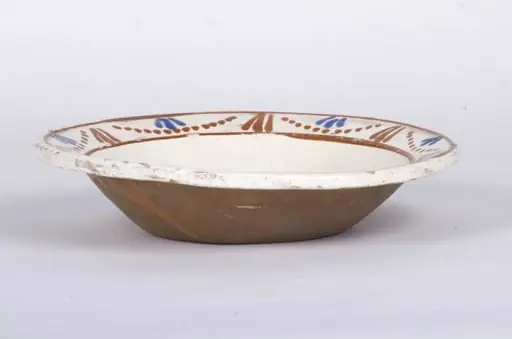 Vas de formă tronconică, adâncit, cu buza lată și evazată. Smălțuit în interior. Este decorat în centru cu motive florale: 8 lalele încercuiesc o floare dispusă central. Pe margini este decorată cu motive geometrice: șiruri arcuite de puncte și grupuri de câte trei linii încadrate de două cercuri concentrice. Cromatică: fond alb în interior; cărămiziu în exterior; motive: maro; albastru; verde.
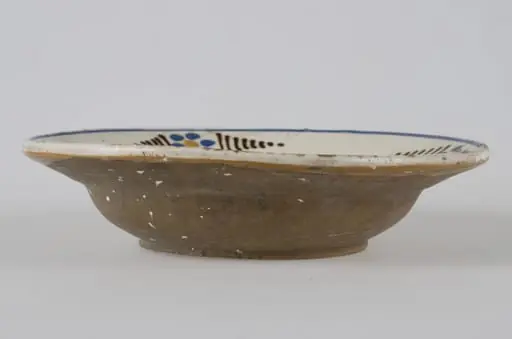 Vas adânc din lut, de formă tronconică, cu marginea evazată. Pe fundalul de culoare albă este decorat cu motive geometrice: linie circulară, linii curbe, puncte pe buza vasului; motive vegetale și florale, pe centrul vasului. Cromatică: fond: alb; motive: albastru; verde; maro; cărămiziu.
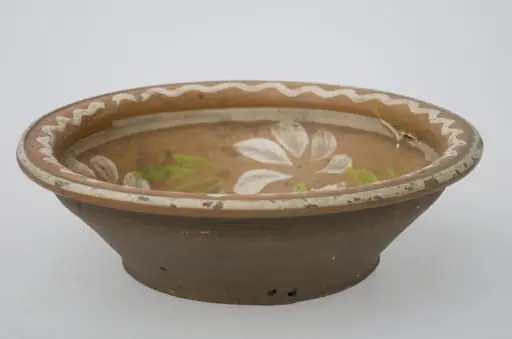 Vas adânc de formă tronconică, cu marginea bombată și evazată marcată de o linie în relief. Smălțuit numai în interior. Prezintă decor floral, iar pe margine două cercuri încadrează o linie frântâ. Cromatică: fond: cărămiziu; motive: alb, verde.
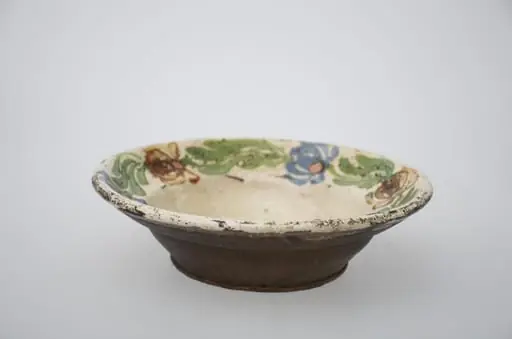 Farfurie de formă tronconică adâncă cu buza largă și decor pe fund, spre margini. Ornamentat cu motive florale. Cromatică: fond: alb; motive: maro; verde; albastru.
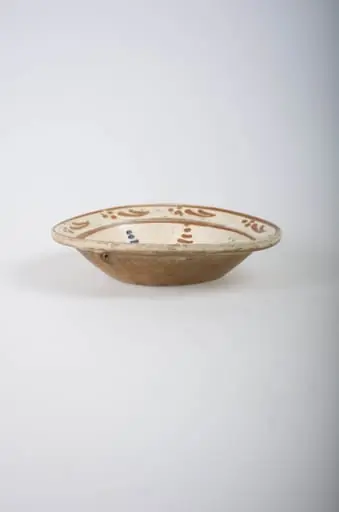 Blid de formă tronconică, smălțuit cu decor amplasat pe toată suprafața, format din motive astrale: stea și motive vegetale. Cromatica: fond: crem; decor: cărămiziu, albastru, verde.
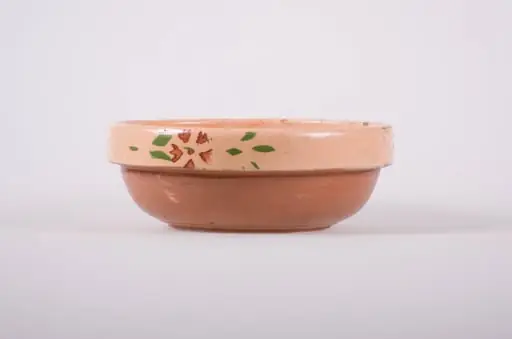 Vas de formă tronconică, adâncit, cu buza foarte înaltă; pe fund are găuri pentru agățare. Este smălțuit interior și exterior. Decorat cu motive geometrice: linie; motive florale. Cromatică: fond; crem; motive: maron; verde.
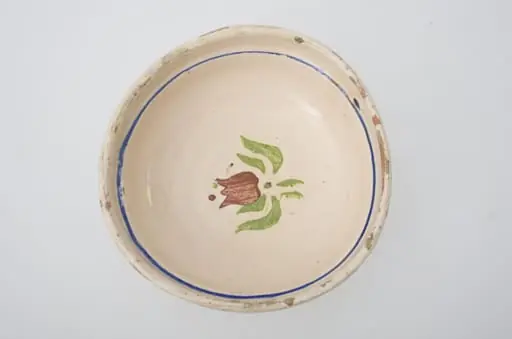 Blid de formă tronconică, adâncită; este smălțuit interior și exterior (doar buza); este decorat cu motive geometrice pe margine: linie; în centru este decorat cu motive florale: lalea. Cromatică: fond crem, maro, verde, albastru.
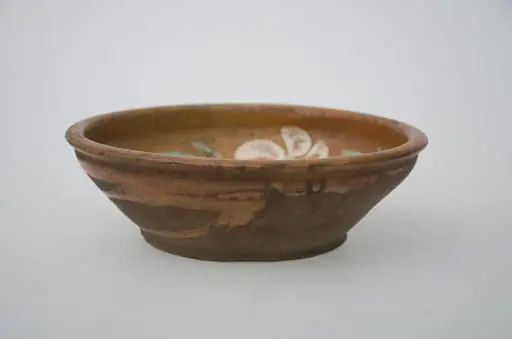 Blid de formă tronconică, smălțuit în interior cu buza larg rasfrântă. Prezintă decor floral fundul șu corpul vasului. Cromatică: fond: maro; motive: alb; verde; albastru.
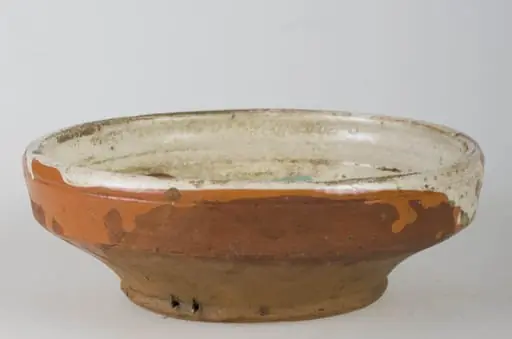 Blidul de formă tronconică este adânc, smălțuit la interior. Acesta este ornamentat cu motive florale, având cu buza înaltă. Totuși, este neornamentat la exterior, fiind smălțuit (la exterior) doar pe buză. Pe exteriorul buzei este incizată o linie. Fundul obiectului are formă circulară, fiind prevăzut cu două orificii pentru prindere. Cromatică: fond: cărămiziu (exterior); alb (interior); decor: verde; albastru; cărămiziu.
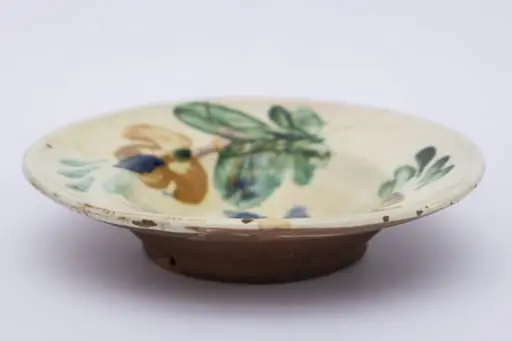 Farfurie de formă tronconică cu fundul adâncit și marginea evazată; smălțuită în interior. Ornament prin pictare ilustrând în plan central, pe fundul vasului, o floare albastră; pe margine chenar floral, reprezentat de două flori cărămizii cu frunze verzi. Pentru atârnare baza este perforată. Cromatică: fond: alb; motive: cărămiziu; verde; albastru; brun.
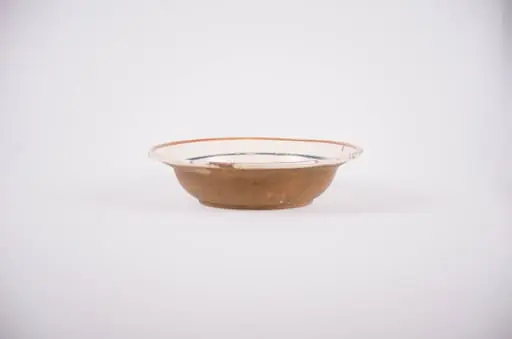 Farfurie de formă tronconică cu smalț in interior, Decorul este plasat astfel: central - floral; pe buză două linii circulare; decor geometric: cercuri. Cromatică: fond alb; motive: maro; verde; albastru.