Artwork
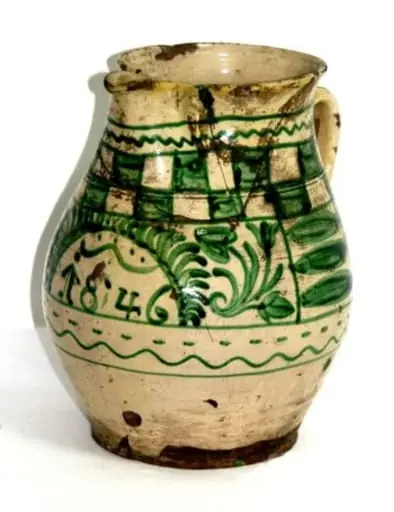
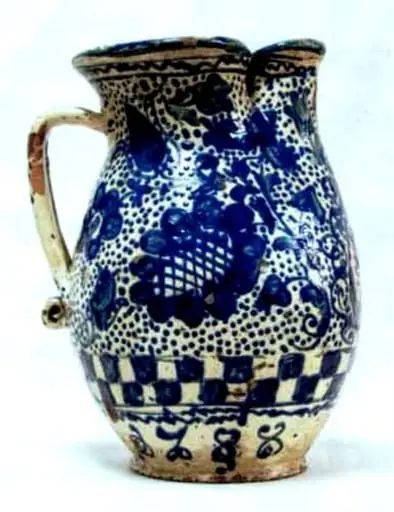
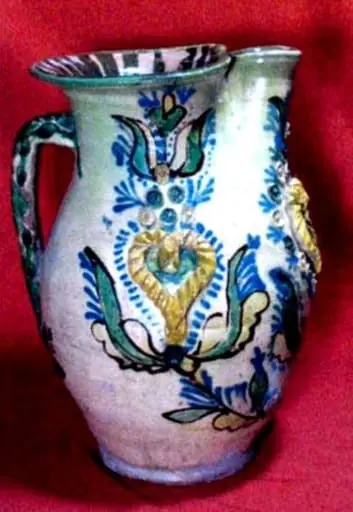
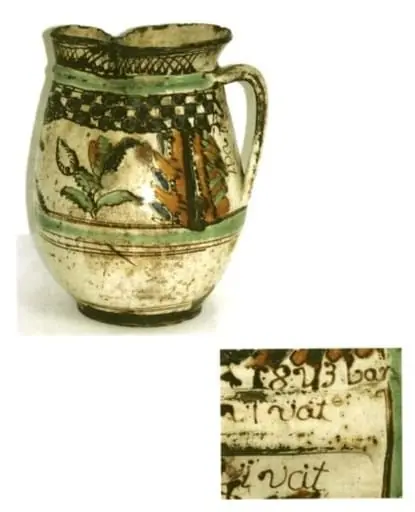
cană de vin
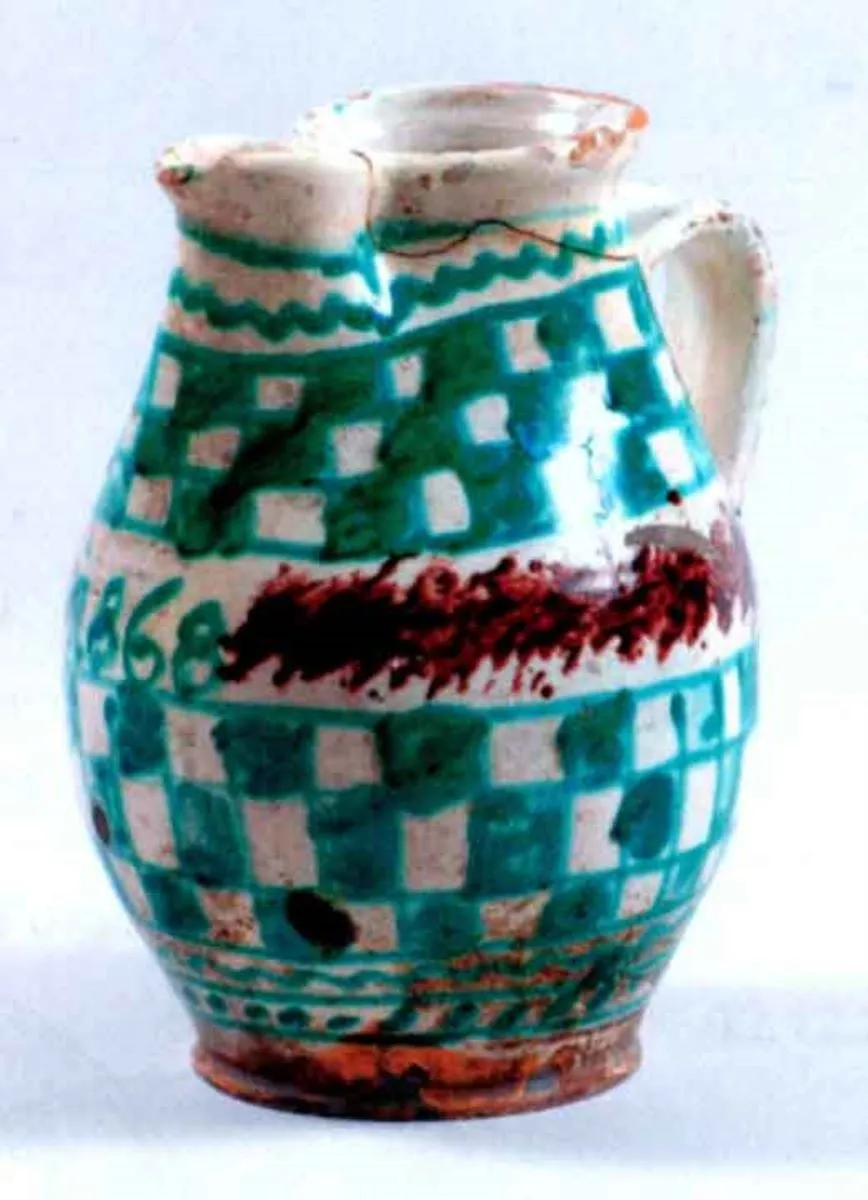
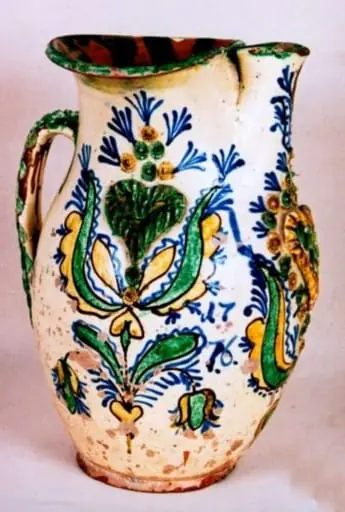
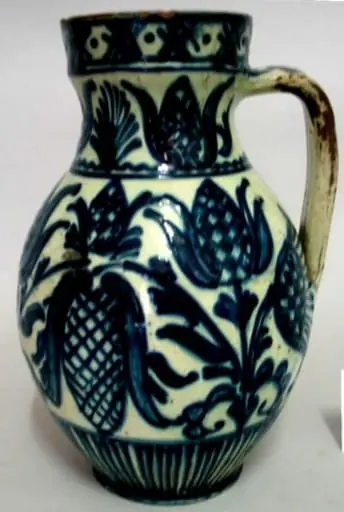
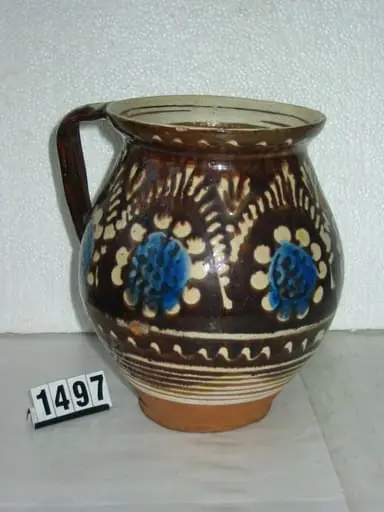
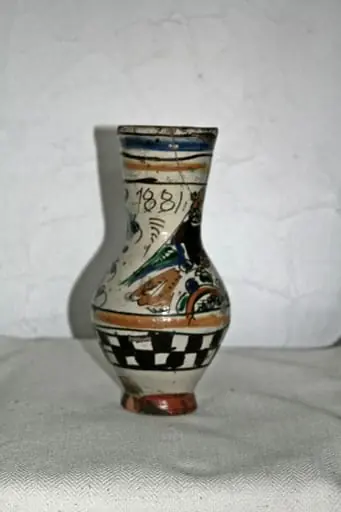
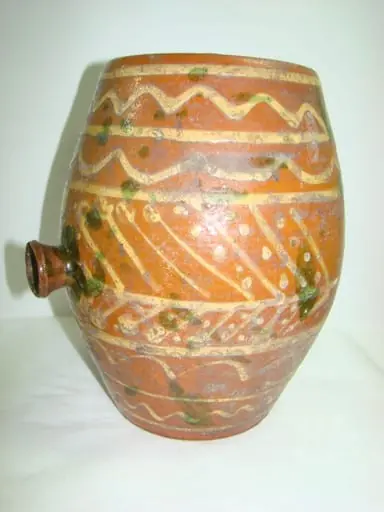
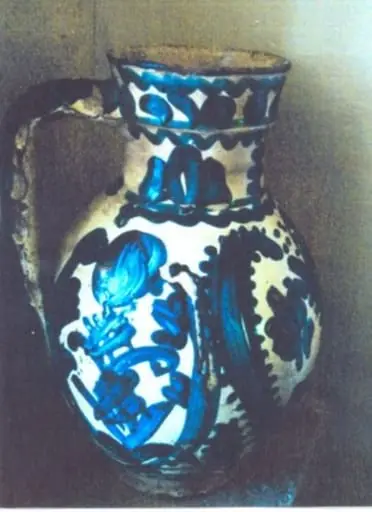
cană de vin is a photography by the Impressionist artist Unknown. It dates from 1868 and is held in the collection of the Ploiești Museum of History and Archeology. This image, dated 1868, captures a simple ceramic wine cup filled with liquid.
About this work
This photo shows a ceramic cup with wine in it.
The picture is simple, but it's interesting because it was taken a long time ago, in 1868. This was a time when photography was still a new technology, and it's cool to see how people used it to take pictures of everyday objects.
You can learn more about the technique used to take this picture by looking up "chiaroscuro".
Overview
This image, dated 1868, captures a simple ceramic wine cup filled with liquid. Taken during the early decades of photographic practice, it reflects an interest in documenting ordinary domestic items through a new visual medium. The composition is unadorned, emphasizing form and light rather than narrative, suggesting a study in stillness and material presence.
Subject & Meaning
The subject—a wine cup—points to everyday life in the 19th century, where tableware held both functional and cultural significance. The presence of wine may imply ritual, conviviality, or quiet contemplation. The image does not seek grandeur but instead invites attention to the quiet dignity of common objects through the lens of early photography.
Technique & Style
The photograph employs chiaroscuro, a technique using strong contrasts between light and shadow to model form. This approach, borrowed from painting, lends depth and volume to the ceramic vessel, transforming a mundane object into a study of texture and silhouette. The limited palette and focused illumination reflect technical constraints and deliberate aesthetic choices of the era.
History & Provenance
Created in 1868, the image emerges from a period when photography was transitioning from novelty to documented practice. While the photographer and original context remain unidentified, the image likely belonged to a private collection or academic study, reflecting growing interest in using the camera to record material culture beyond portraiture or landscape.
Context
In the late 1860s, photography was increasingly used to preserve and analyze everyday artifacts, especially as museums and collectors began cataloging domestic items. This image aligns with broader efforts to document material life with scientific precision, even as artistic photographers experimented with lighting and composition to elevate the ordinary.
Legacy
Though not widely known, the image contributes to a quiet archive of early photographic still lifes. It exemplifies how emerging photographic technology was repurposed to observe the mundane with new attention, laying groundwork for later movements that valued simplicity, materiality, and the poetic potential of everyday objects.
Artist & collection
Museum
Ploiești Museum of History and Archeology
Continue through works from the same source collection.
 Domestic Scene
 Giacomo and Cardinal Marco, investing Andrea, Abbot of San Zeno, with his Benefice
 The Nymph of Fontainebleau
 Portrait of a Woman
 Madonna and Child with Saints in the Enclosed Garden
 Venus and Minerva
 Family Group of Four on Sofa
 Wall painting from Room H of the Villa of P. Fannius Synistor at Boscoreale