Artwork
Cartoon for Textile Design
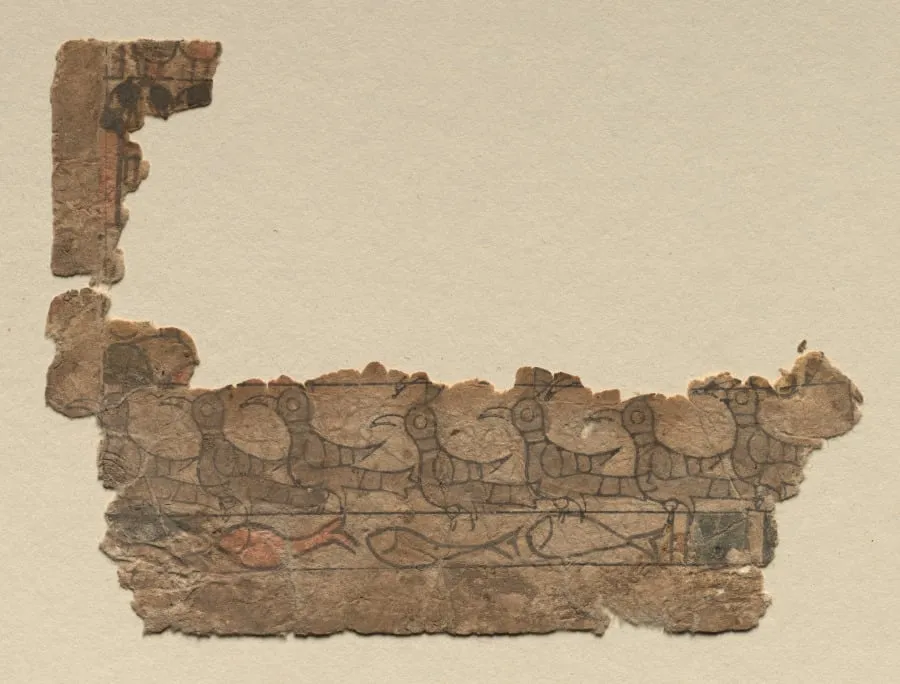
Cartoon for Textile Design is a drawing by Unknown. It dates from 950 and is held in the collection of the Cleveland Museum of Art. A fragment of textile design, this drawn panel once served as a template for woven or printed fabric.
About this work
Overview
Its irregular edges suggest it was cut from a larger composition, likely used in domestic or decorative textiles.
A fragment of textile design, this drawn panel once served as a template for woven or printed fabric. Its irregular edges suggest it was cut from a larger composition, likely used in domestic or decorative textiles. The surviving elements include a horizontal row of small, uniform creatures and a below-line motif of stylized foliage, rendered in muted red, green, and brown pigments that have softened with time.
Subject & Meaning
The repeated, identically oriented figures—possibly birds or small quadrupeds—suggest a rhythmic, non-narrative motif common in textile patterns. Below them, abstracted leaves and vines form a continuous, undulating border. Together, they imply a naturalistic theme adapted for repetition, prioritizing visual harmony over symbolic depth, typical of functional design rather than fine art.
Technique & Style
Executed in a simple, linear hand, the drawing uses minimal detail to define forms. The creatures are rendered as compact ovals with slight variations, while the foliage consists of flat, geometric shapes. The palette is restrained, relying on earth tones that would have held up well under dyeing and wear. The composition is modular, designed for seamless repetition across fabric surfaces.
History & Provenance
The fragment’s condition indicates prolonged use and eventual discard, likely from a household textile such as a tapestry, curtain, or upholstery. Its survival is accidental; most such designs were consumed by wear or discarded after use. It entered the Cleveland Museum of Art’s collection as part of a broader effort to preserve textile design studies from historical production.
Context
In the period when such designs were common, artists created templates for weavers and printers, translating artistic ideas into functional patterns. This fragment reflects a tradition where design was collaborative and utilitarian, bridging craft and visual culture. Similar fragments appear in European and Middle Eastern collections, underscoring widespread practices in pre-industrial textile manufacturing.
Legacy
Though incomplete, this piece illustrates how artistic intent was adapted for mass production. It contributes to the understanding of how pattern, rhythm, and repetition shaped everyday visual environments. Today, it serves as a tangible link to the often-overlooked labor and design systems behind historical textiles.
Artist & collection

 Domestic Scene
 Giacomo and Cardinal Marco, investing Andrea, Abbot of San Zeno, with his Benefice
 The Nymph of Fontainebleau
 Portrait of a Woman
 Madonna and Child with Saints in the Enclosed Garden
 Venus and Minerva
 Family Group of Four on Sofa
 Wall painting from Room H of the Villa of P. Fannius Synistor at Boscoreale
 Gifts from Western Asia, Tomb of Rekhmire
 Mural Fragment with Elite Male and Maguey Cactus Leaves
 Statue of Deified Amenhotep I
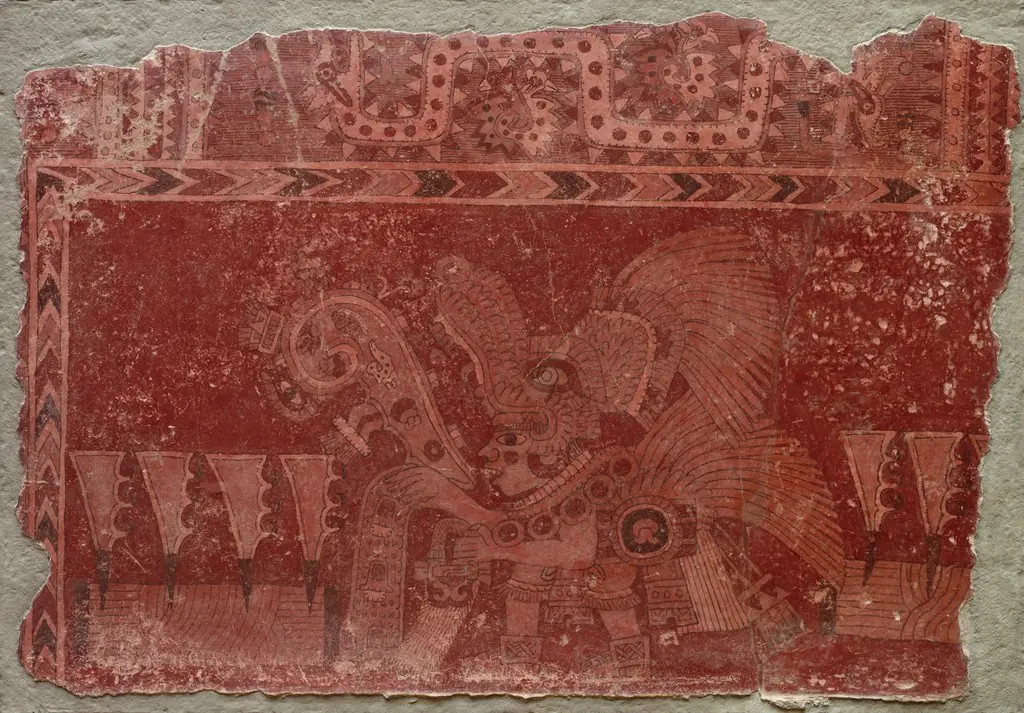 Mural Fragment with Elite Male and Maguey Cactus Leaves
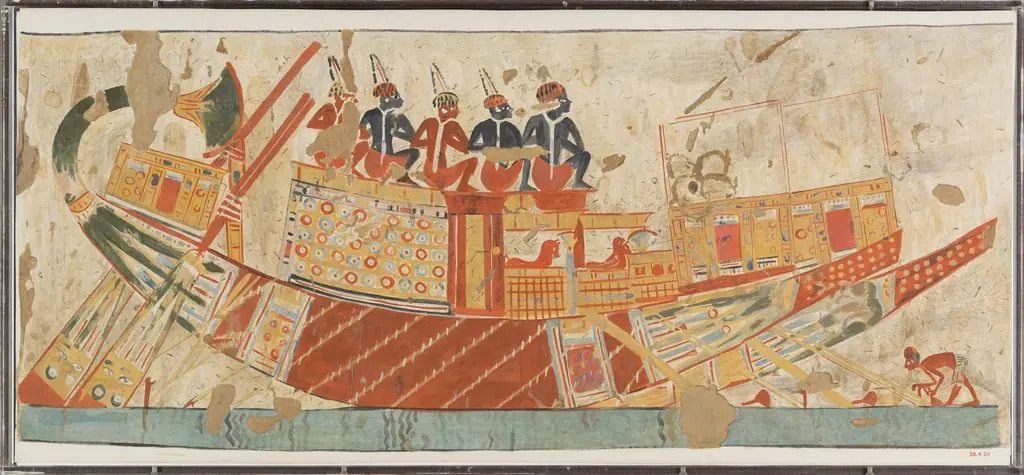 Boat Carrying Captives from Nubia, Tomb of Huy
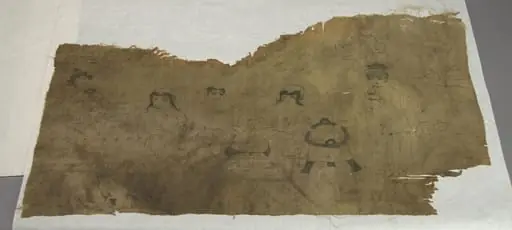 遼 宴飲圖(殘片)|Banquet Scene
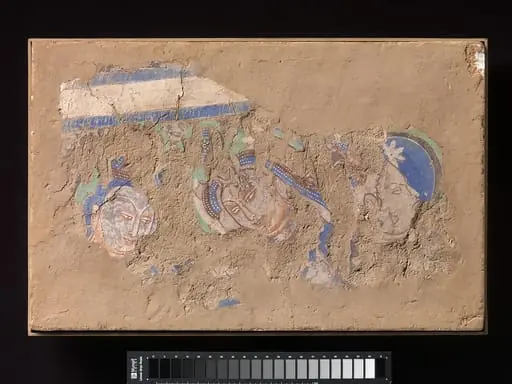 Untitled
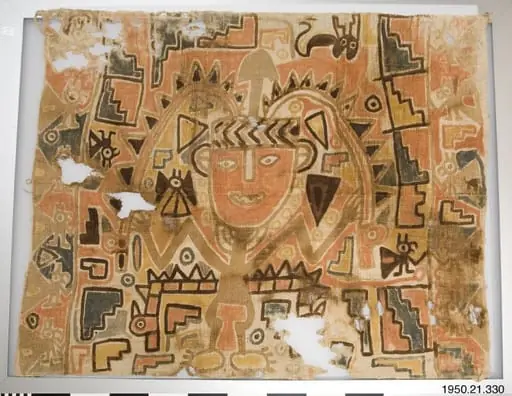 Painting, Archaeological Fruit,
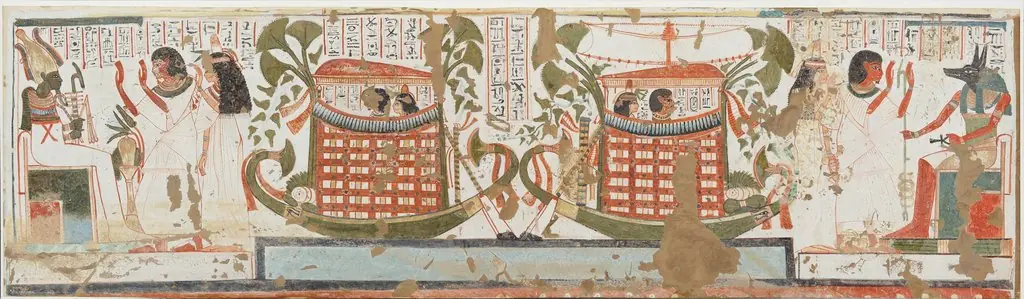 Userhat and Wife Visit Abydos, Tomb of Userhat
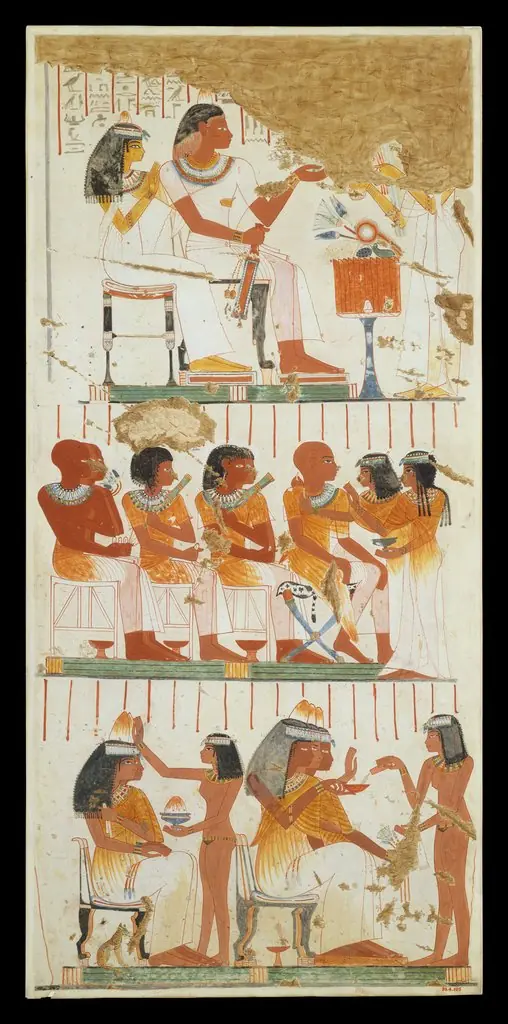 Guests at a Banquet
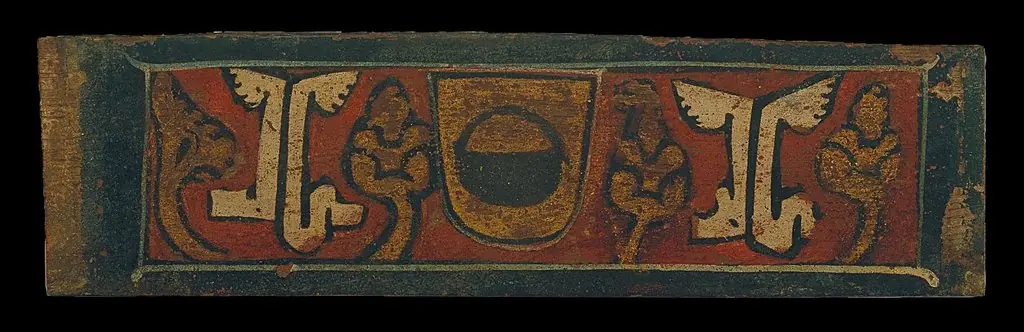 Small coffered ceiling panel with the coat of arms of the Caldes family
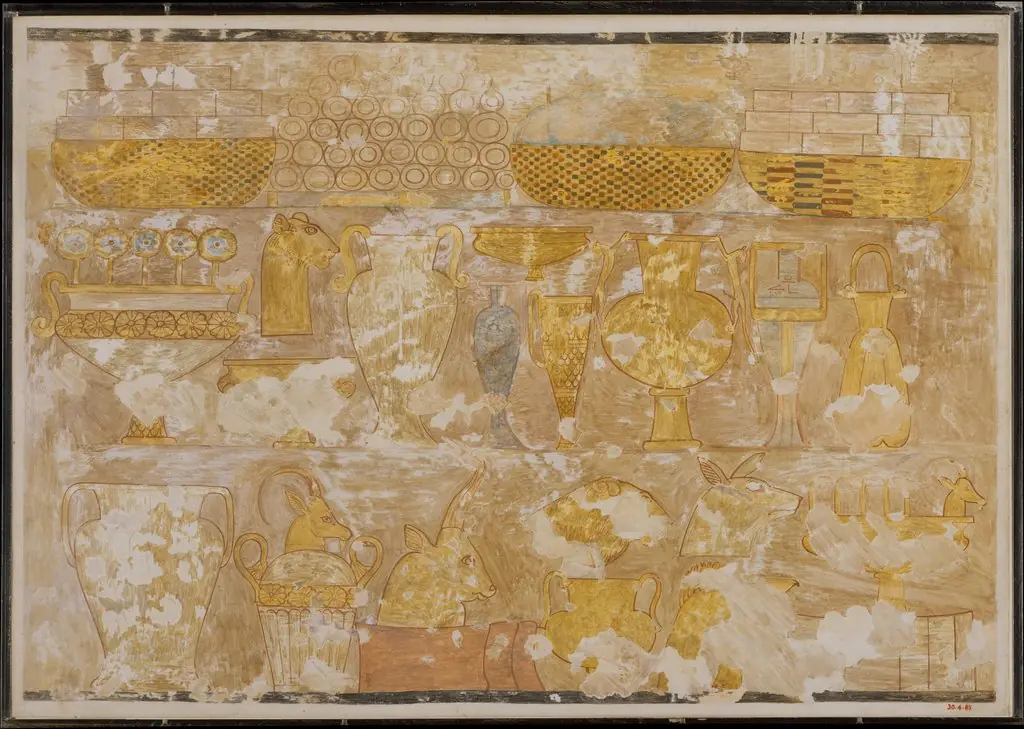 Gifts from the Keftiu, Tomb of Rekhmire