Artwork
Sugar Apples
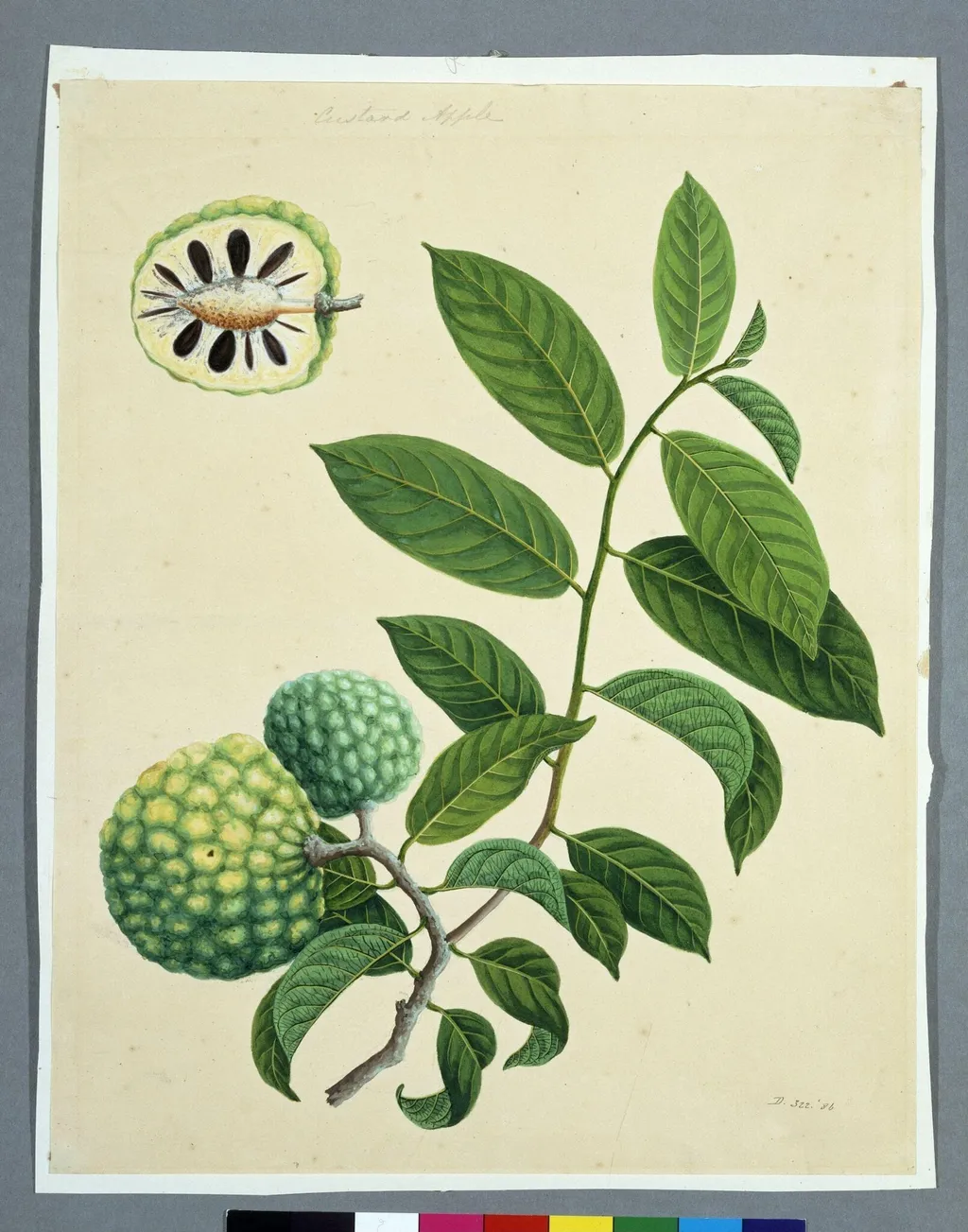
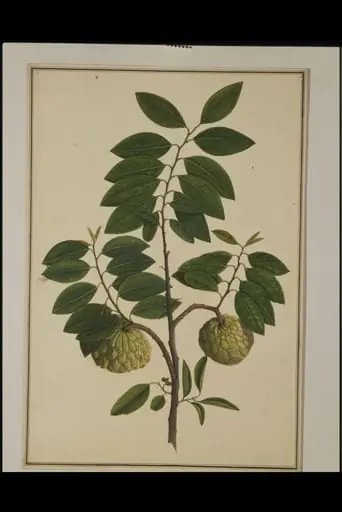
Sugar Apples is a paint painting by the Patna School of Painting artist Unknown. It dates from 1831 and is held in the collection of the Victoria and Albert Museum.
About this work
Overview
The choice of material reflects a cross-cultural exchange in which Chinese artists adapted European materials to meet the demands of foreign patrons.
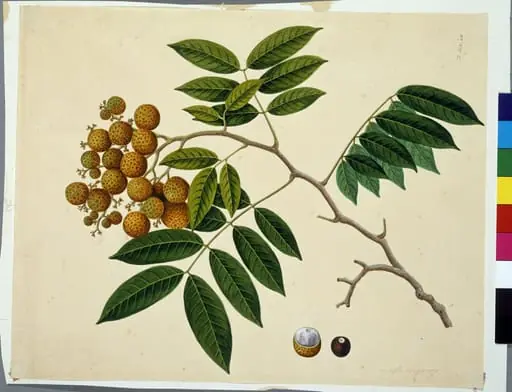
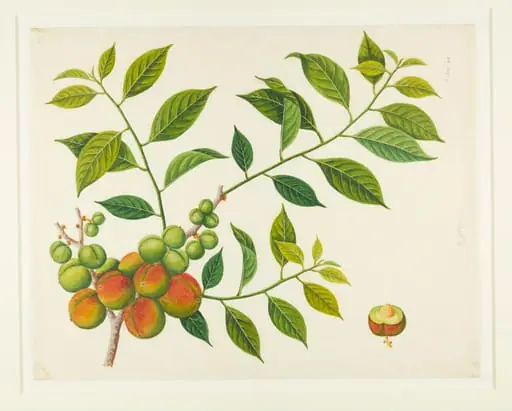
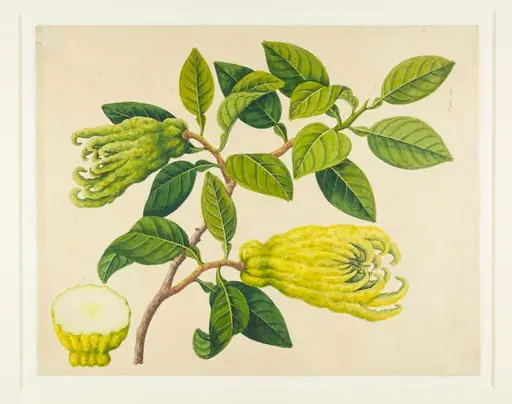
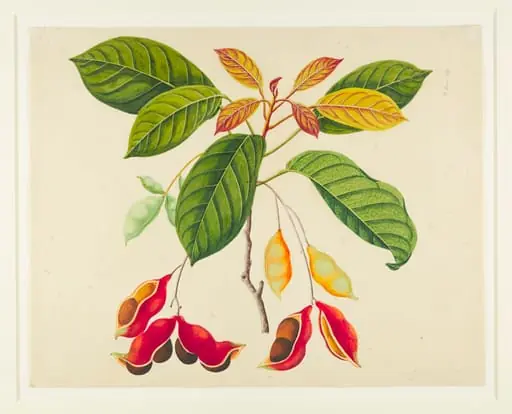
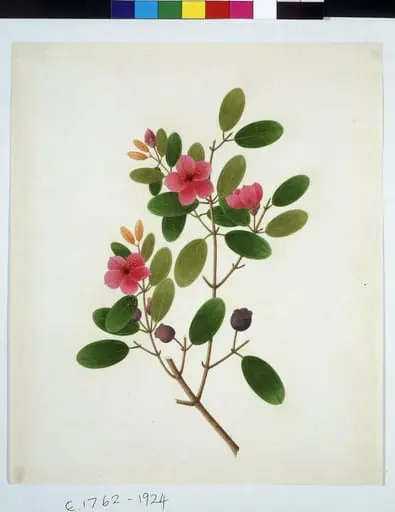
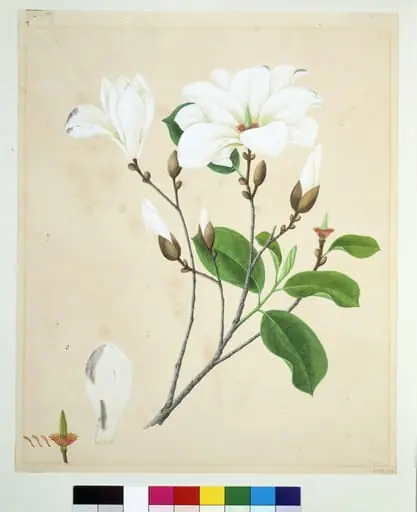
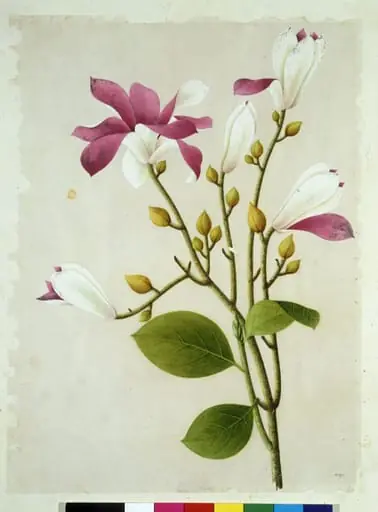
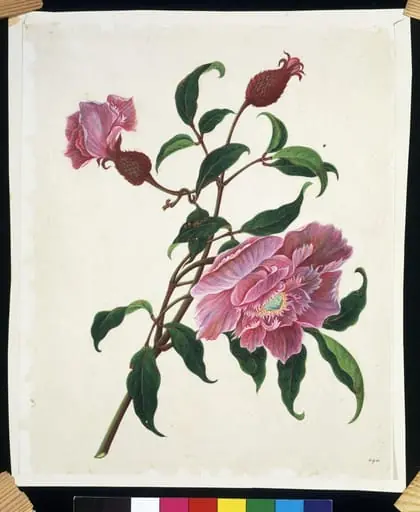
This painting depicts a still life of sugar apples, rendered in detailed brushwork on high-quality Western paper imported to China. The choice of material reflects a cross-cultural exchange in which Chinese artists adapted European materials to meet the demands of foreign patrons. The subject matter aligns with a broader 18th- and 19th-century fascination in Britain with tropical flora, driven by botanical curiosity and colonial trade networks.
Subject & Meaning
The sugar apple, a fruit native to the Americas, appears here as an object of scientific and aesthetic interest rather than symbolic meaning. Its inclusion signals the global movement of plant species during the colonial era. For British viewers, such images served as visual records of distant ecosystems, bridging the gap between natural history and domestic decoration in an age of expanding imperial knowledge.
Technique & Style
The work employs precise, delicate brushwork characteristic of Chinese academic painting, applied to a Western paper substrate known for its durability and smooth surface. This fusion of technique and material allowed artists to achieve fine detail and subtle tonal gradations, enhancing the realism of the fruit’s texture and form. The composition is restrained, focusing attention on the fruit without background distraction.
History & Provenance
The painting likely originated in a Chinese studio catering to foreign clients, possibly in Guangzhou, a major port for trade with Europe. Western paper was imported specifically for such commissions, valued for its superior quality over local alternatives. These works were often collected by British travelers and botanists, who brought them back as souvenirs or scientific documentation, embedding them in private and institutional collections abroad.
Context
During the 18th and 19th centuries, European interest in exotic plants surged alongside botanical exploration and colonial expansion. Chinese artists, particularly in export-oriented workshops, responded by producing detailed depictions of unfamiliar flora for Western markets. This painting is part of a larger visual archive created to satisfy curiosity about the natural world beyond Europe’s borders.
Legacy
Works like this contributed to the formation of botanical illustration as a hybrid discipline, blending scientific accuracy with artistic tradition. They remain valuable as material evidence of cultural exchange, illustrating how artistic practices adapted to global demand. Today, such paintings are studied not only for their aesthetic qualities but also for their role in the history of science and cross-cultural commerce.
Artist & collection

 Domestic Scene
 Giacomo and Cardinal Marco, investing Andrea, Abbot of San Zeno, with his Benefice
 The Nymph of Fontainebleau
 Portrait of a Woman
 Madonna and Child with Saints in the Enclosed Garden
 Venus and Minerva
 Family Group of Four on Sofa
 Wall painting from Room H of the Villa of P. Fannius Synistor at Boscoreale