Artwork
Christ Appearing to Mary Magdalen as a Gardener (Noli me Tangere)
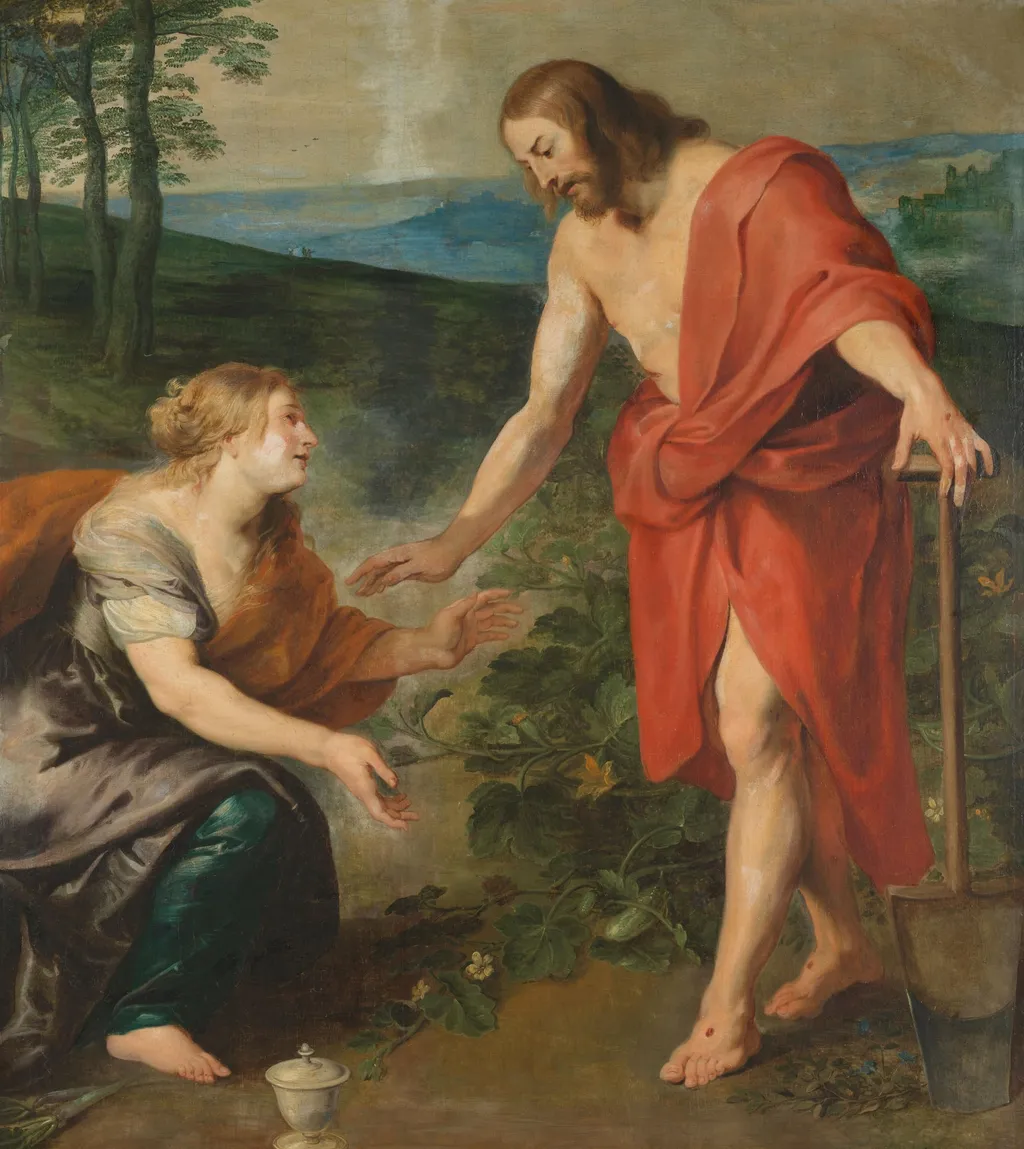
Christ Appearing to Mary Magdalen as a Gardener (Noli me Tangere) is an unspecified painting by the Early Baroque Italian artist Unknown. It dates from 1616 and is held in the collection of the Rijksmuseum. This painting captures the moment after Christ’s resurrection when Mary Magdalena, in a garden at dawn, mistakes him for a gardener.
About this work
Overview
This painting captures the moment after Christ’s resurrection when Mary Magdalena, in a garden at dawn, mistakes him for a gardener.
This painting captures the moment after Christ’s resurrection when Mary Magdalena, in a garden at dawn, mistakes him for a gardener. The scene is rendered without overt religious symbolism—no halos, no divine radiance—emphasizing quiet realism. The title, Noli me tangere, reflects Christ’s words to her, urging restraint as he prepares to ascend. The composition focuses on a subtle, intimate exchange between two figures, grounded in ordinary surroundings.
Subject & Meaning
Mary Magdalena kneels before the risen Christ, reaching out in recognition, while he gently holds a shovel and turns away, signaling she must not touch him. Her posture and the presence of a vessel for ointment suggest her intent to anoint his body, a gesture rooted in mourning. The moment conveys spiritual transition: recognition dawning through voice, not sight, and the boundary between earthly and divine becoming clear.
Technique & Style
The artist employs chiaroscuro to model forms with soft, naturalistic light, enhancing the early morning atmosphere. Figures are rendered with restrained detail, their clothing plain and unadorned, reinforcing the scene’s humility. The cucumber vine climbing a wooden stake adds subtle texture and depth, anchoring the divine encounter in a tangible, cultivated space without distracting from the emotional core.
History & Provenance
The painting originates from the early 17th century, likely within a Northern European tradition that favored intimate biblical narratives. Its survival suggests it was commissioned or collected by a private patron interested in contemplative religious imagery. No documented royal or ecclesiastical ownership is recorded, indicating its role in personal devotion rather than public worship.
Context
During this period, devotional art increasingly emphasized personal connection over grand spectacle. The choice to depict Christ as a laborer, and Mary as a grieving woman, aligns with Reformation-era tendencies toward accessible, humanized sacred stories. The absence of traditional iconography reflects a broader shift toward psychological realism in religious scenes across Protestant and Catholic regions.
Legacy
This work contributes to a quiet lineage of resurrection imagery that prioritizes emotional nuance over spectacle. Its understated approach influenced later artists seeking to portray sacred moments through everyday gestures and lighting. Though not widely exhibited, its quiet power endures in collections focused on early modern devotional painting and the evolution of narrative realism.
Artist & collection

 Domestic Scene
 Giacomo and Cardinal Marco, investing Andrea, Abbot of San Zeno, with his Benefice
 The Nymph of Fontainebleau
 Portrait of a Woman
 Madonna and Child with Saints in the Enclosed Garden
 Venus and Minerva
 Family Group of Four on Sofa
 Wall painting from Room H of the Villa of P. Fannius Synistor at Boscoreale
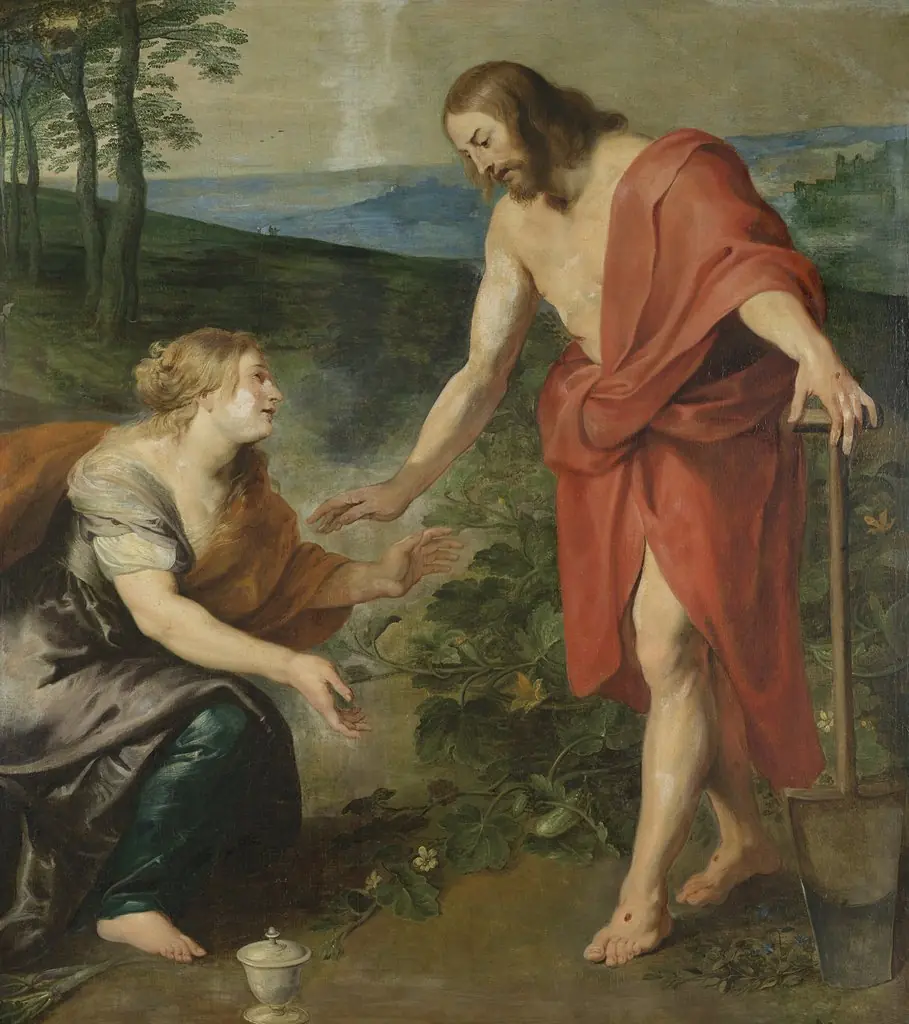 'Noli me tangere': the meeting of Christ and Mary Magdalene
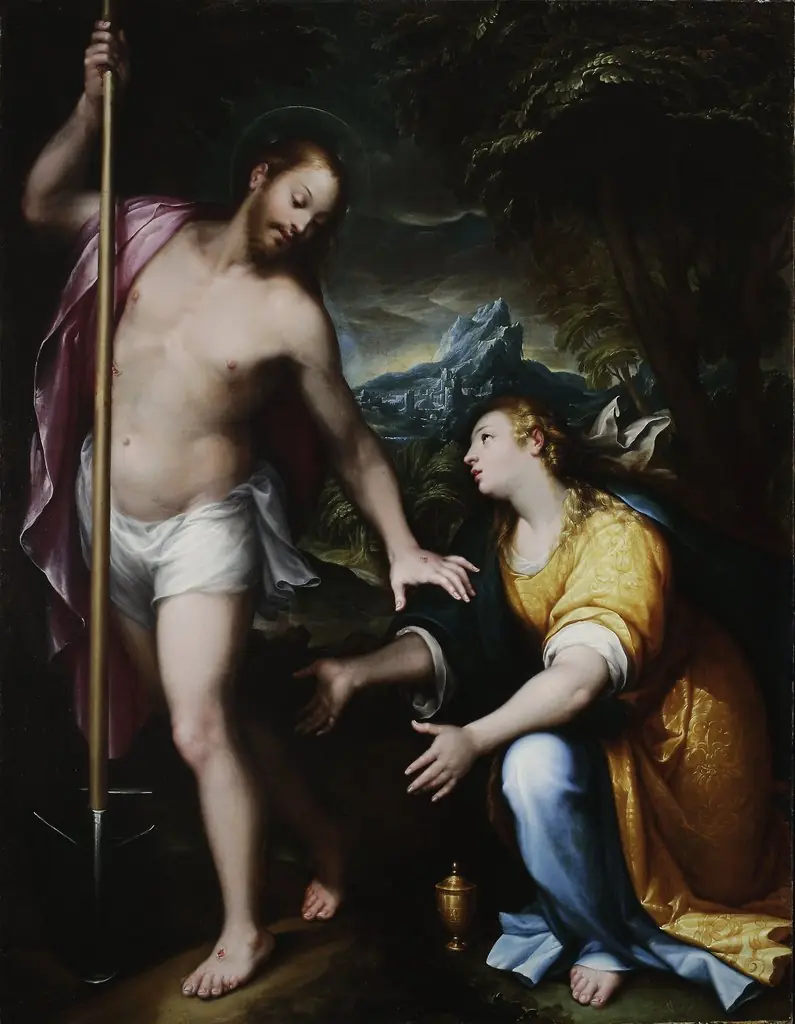 “Noli me tangere” – Resurrected Christ appearing to Mary Magdalene (John 20:14-17)
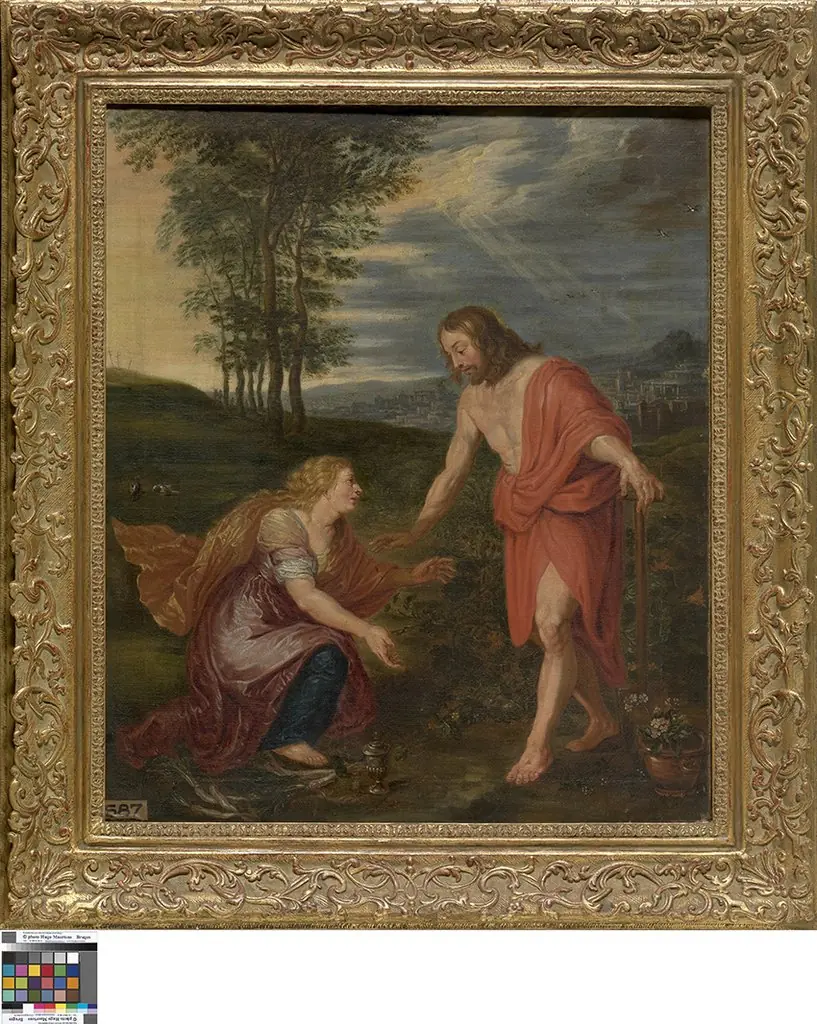 Noli me tangere
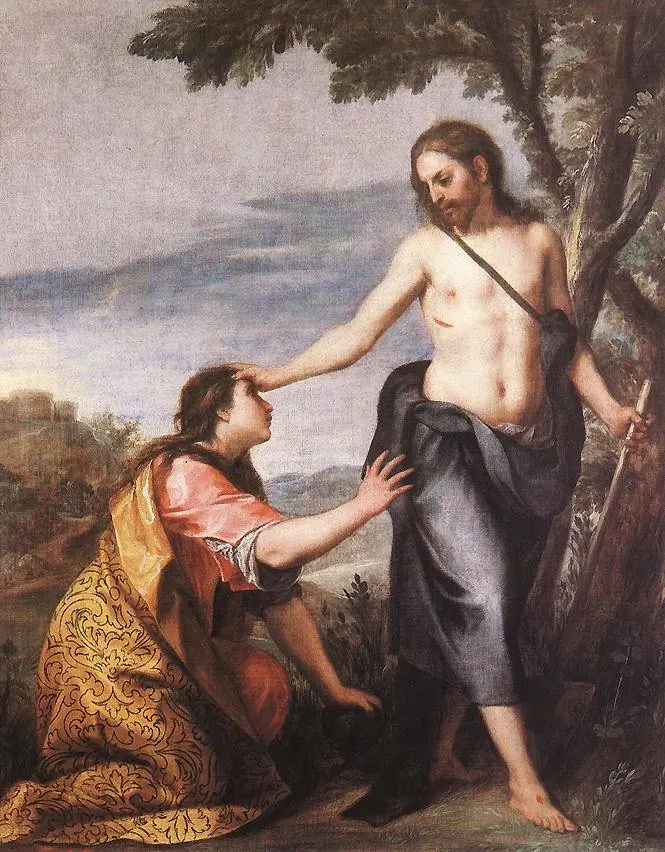 Noli me Tangere (Christ Appearing as a Gardener to Mary Magdalene)
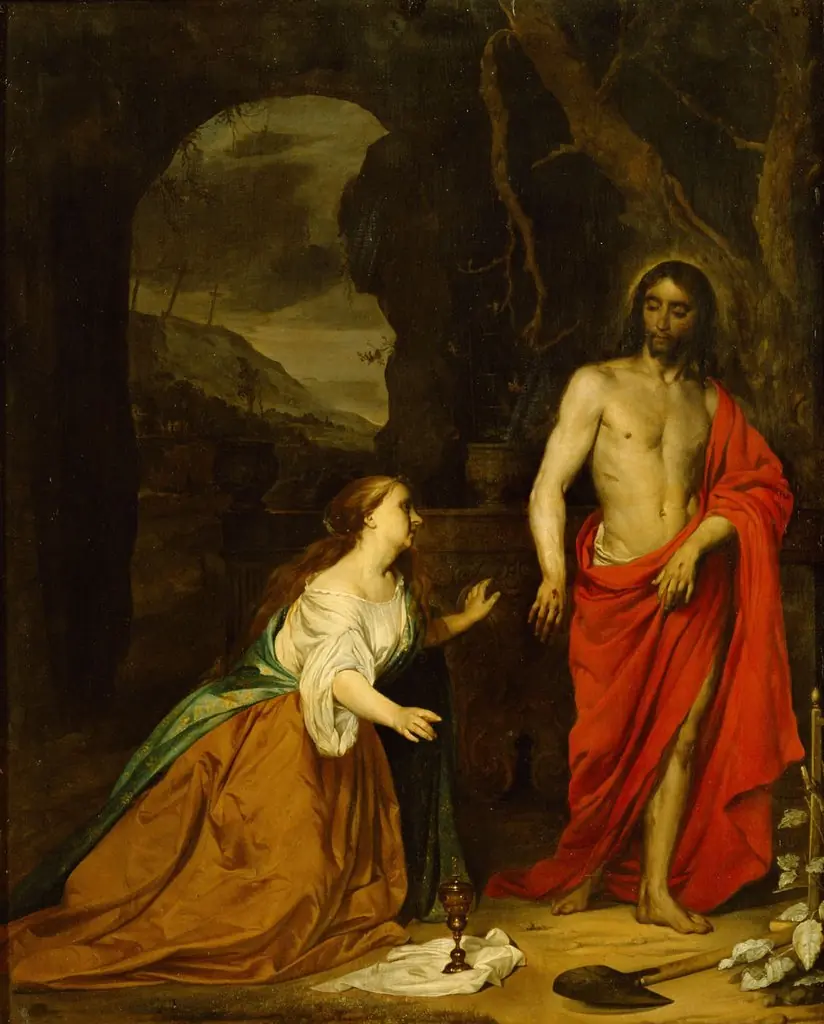 Noli me tangere
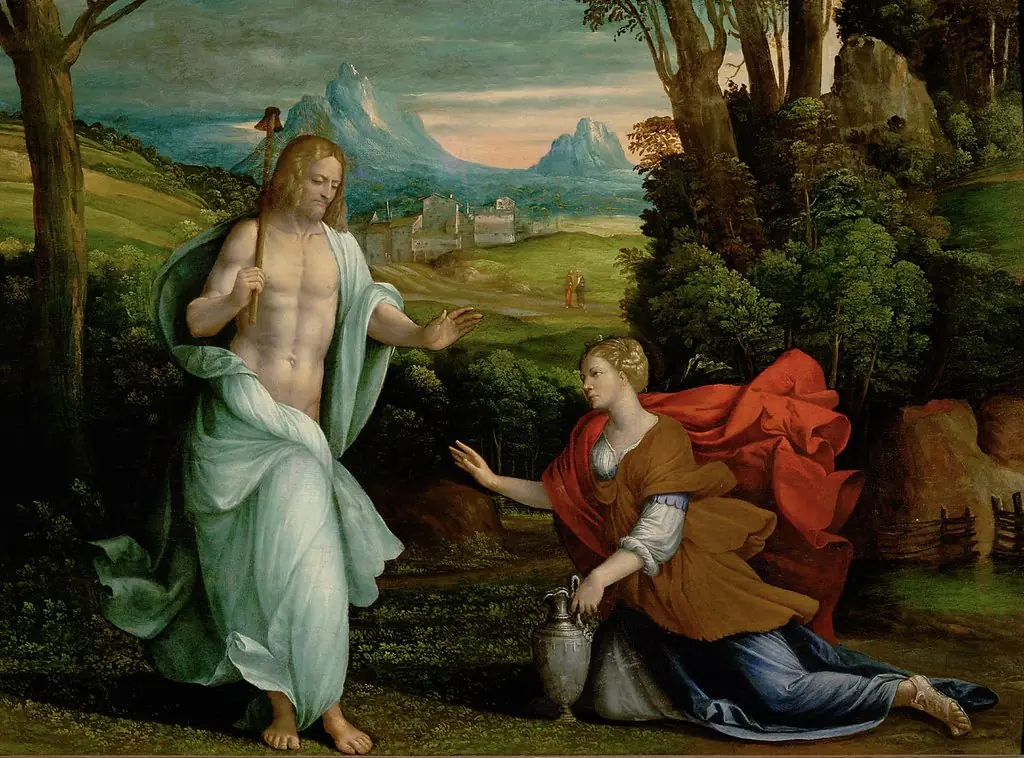 Noli me tangere
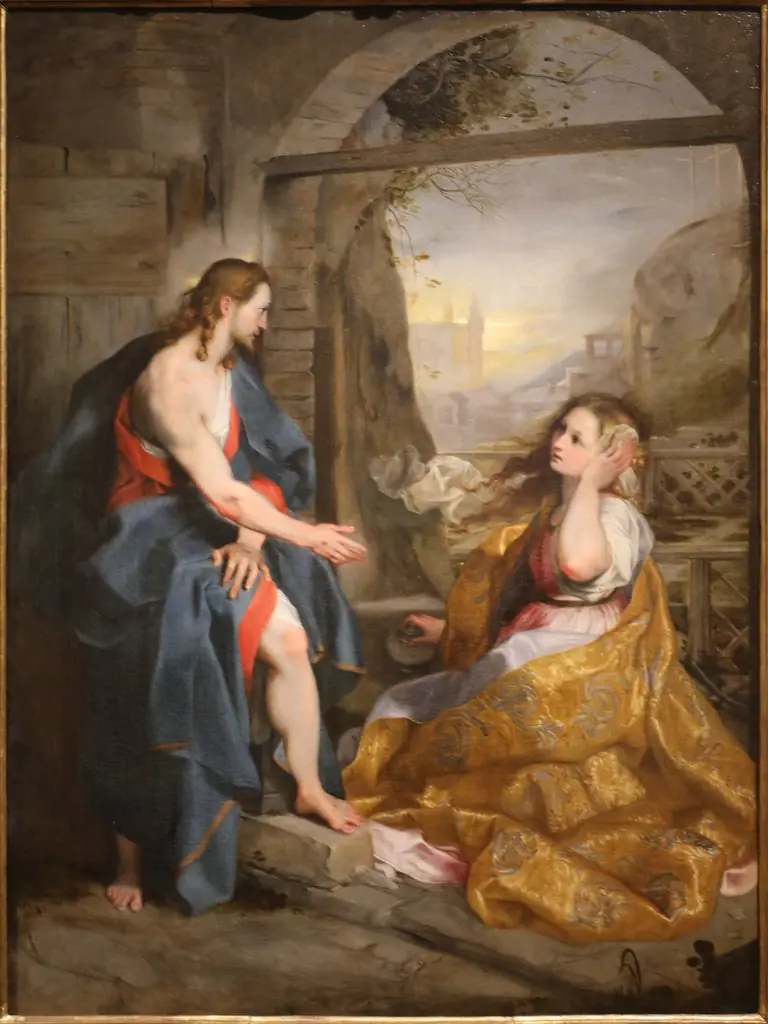 Noli me tangere
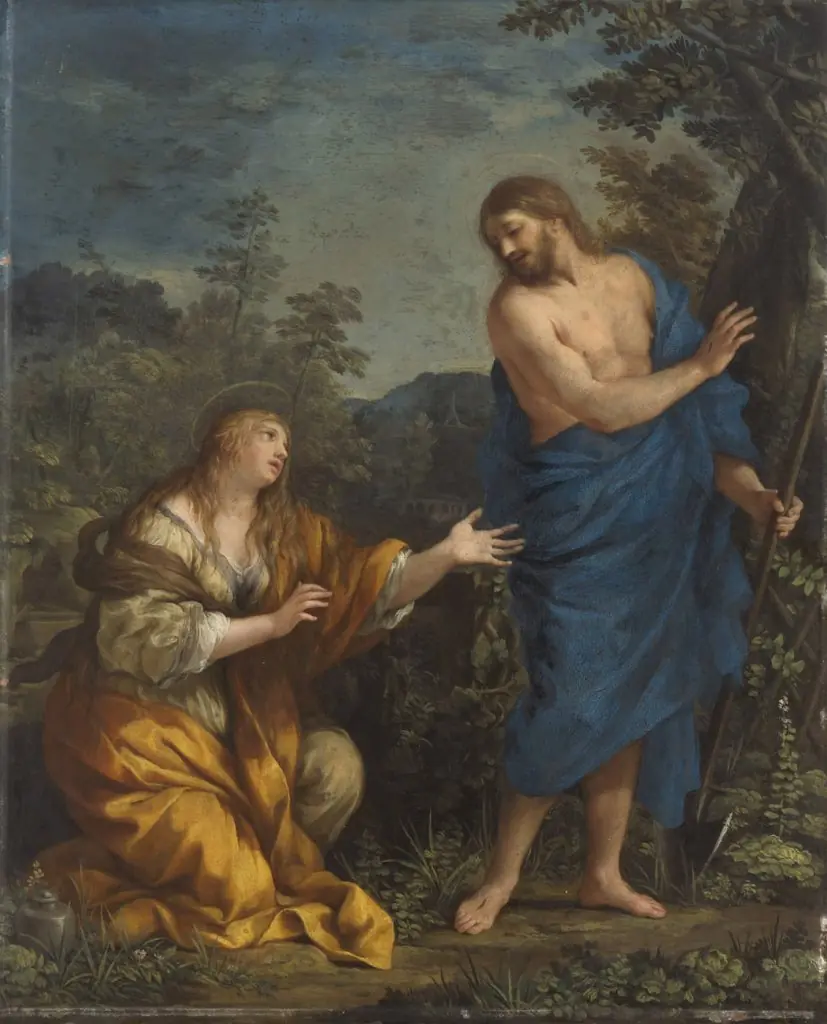 Noli me tangere
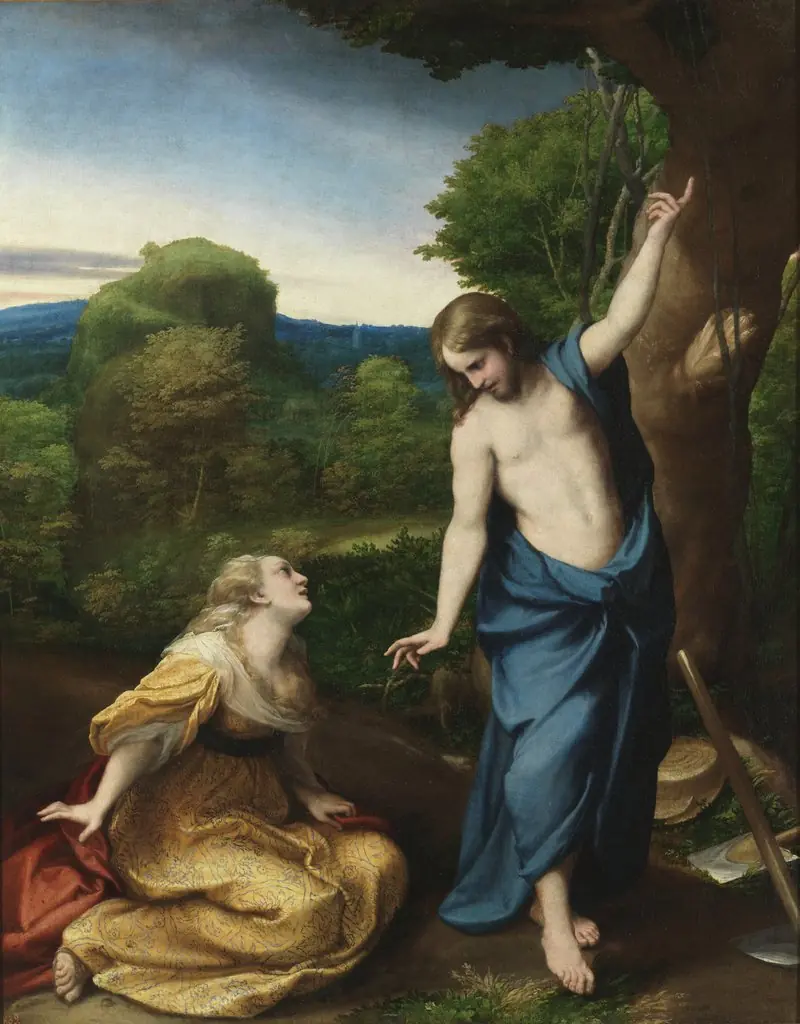 Noli me tangere
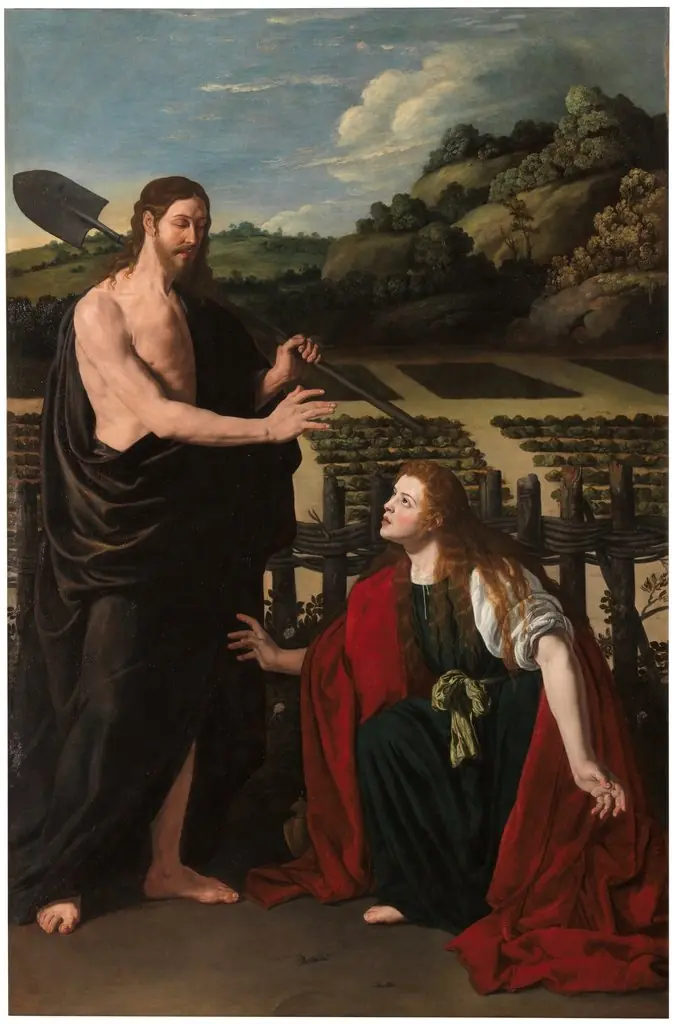 Noli me Tangere
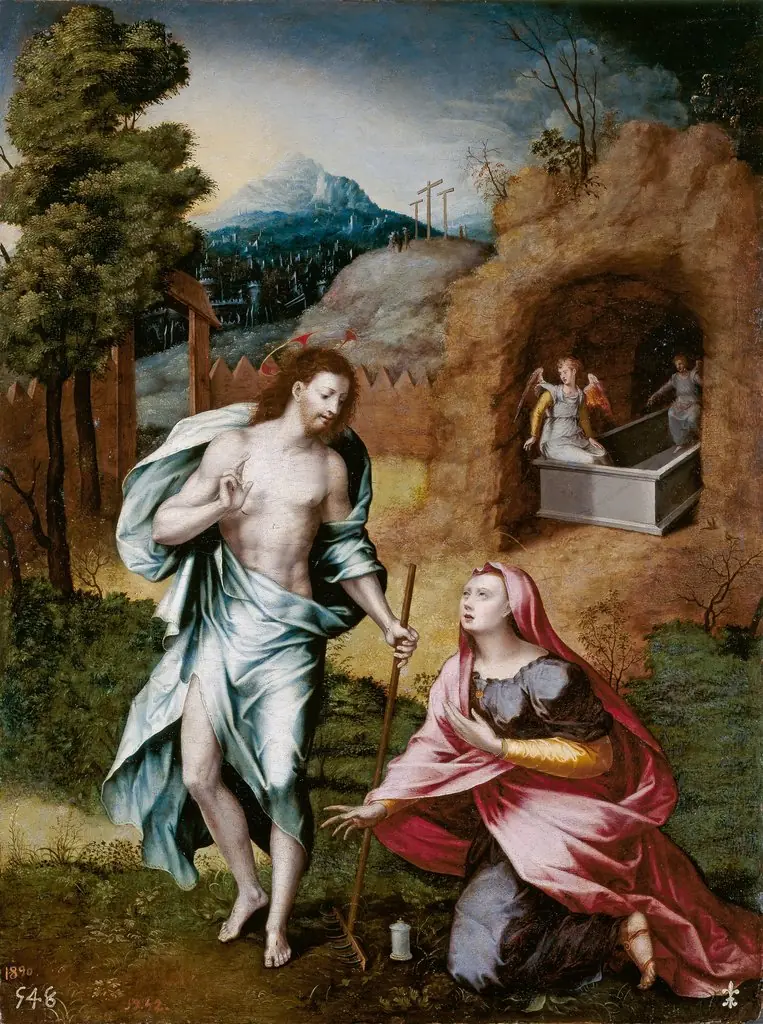 Noli Me Tangere