Artwork
Noli me tangere
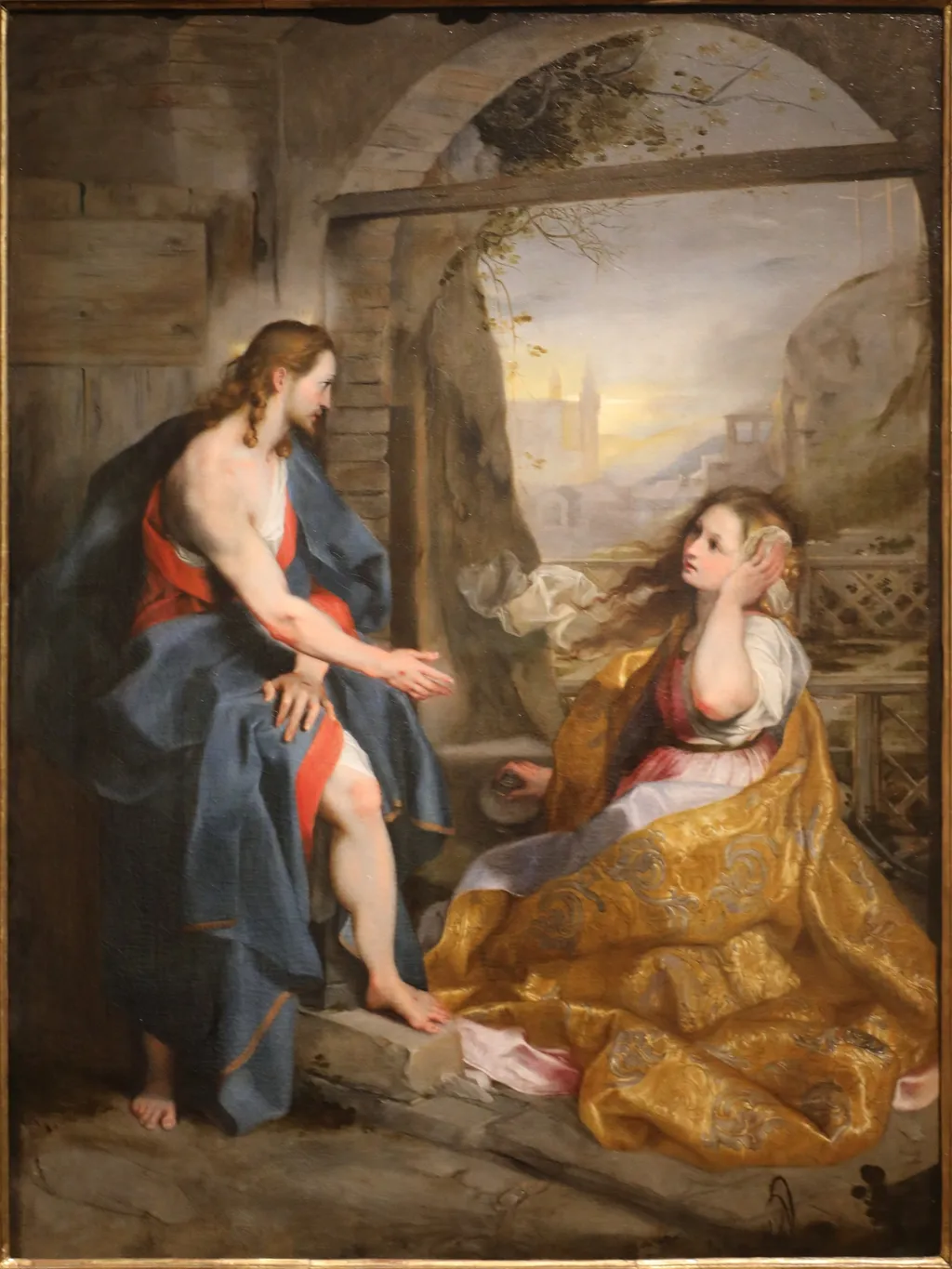
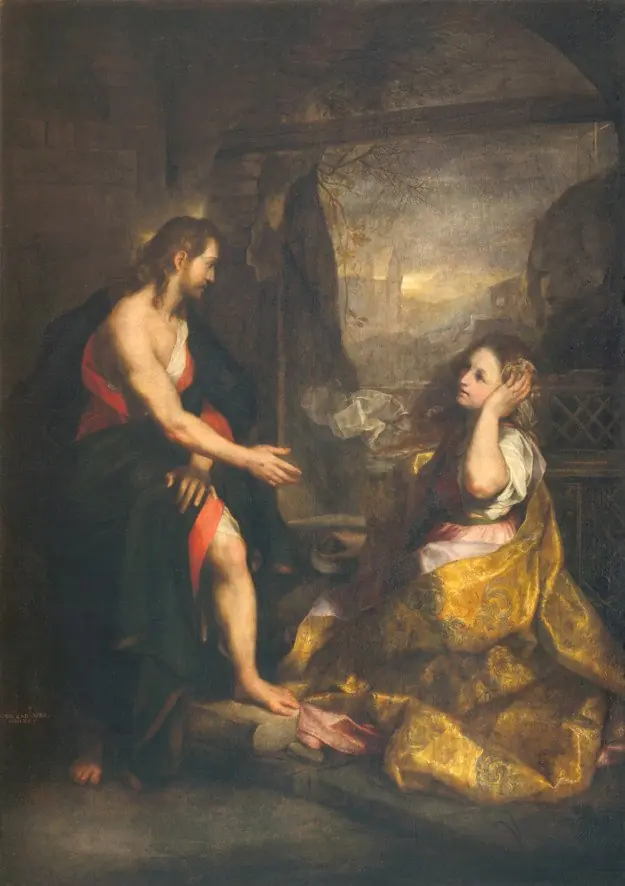
Noli me tangere is an oil painting by the Mannerist artist Federico Barocci. It dates from 1596 and is held in the collection of the Uffizi Gallery.
About this work
Overview
Created in 1596, *Noli me tangere* is an oil painting by the Italian artist Federico Barocci, often called Il Baroccio. The work belongs to the late Renaissance Mannerist style and is part of the collection of the Uffizi Gallery in Florence.
Subject & Meaning
The composition portrays the biblical encounter between the resurrected Christ and Mary Magdalene. Christ, rendered with long hair and a red‑blue mantle, extends his hand toward the kneeling Magdalene, who is dressed in gold and white garments, gently touching her hair while holding a cloth.
Technique & Style
Barocci employs a subtle chiaroscuro that models the figures with soft shadows, giving them a three‑dimensional presence. The setting—a stone interior with an arched doorway opening onto a distant landscape—provides spatial depth, while the delicate coloration and graceful poses reflect Mannerist elegance.
History & Provenance
After its completion, the painting entered the Uffizi's holdings, where it remains on display. Barocci’s reputation for refined, emotive compositions grew during his lifetime, and this work exemplifies the qualities that later artists, notably those of the Baroque, admired.
Legacy
*Noli me tangere* illustrates Barocci’s influence on the transition from Mannerism to Baroque sensibilities. The painting’s balanced drama and nuanced lighting informed the approaches of subsequent masters such as Peter Paul Rubens, who drew upon Barocci’s expressive handling of religious subjects.
Artist & collection

Artist
Federico Barocci (also written Barozzi) (c. 1535 – 30 September 1612) was an Italian Renaissance painter and printmaker. His original name was Federico Fiori, and he was nicknamed Il Baroccio. His work was highly…


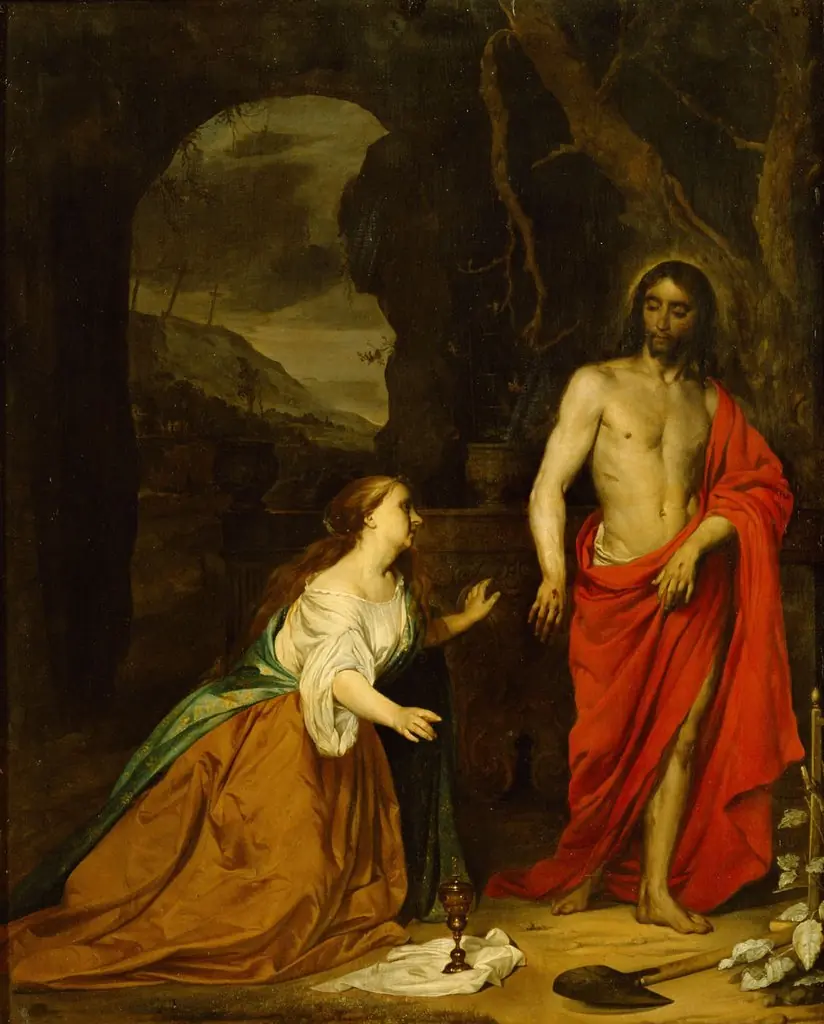 Noli me tangere
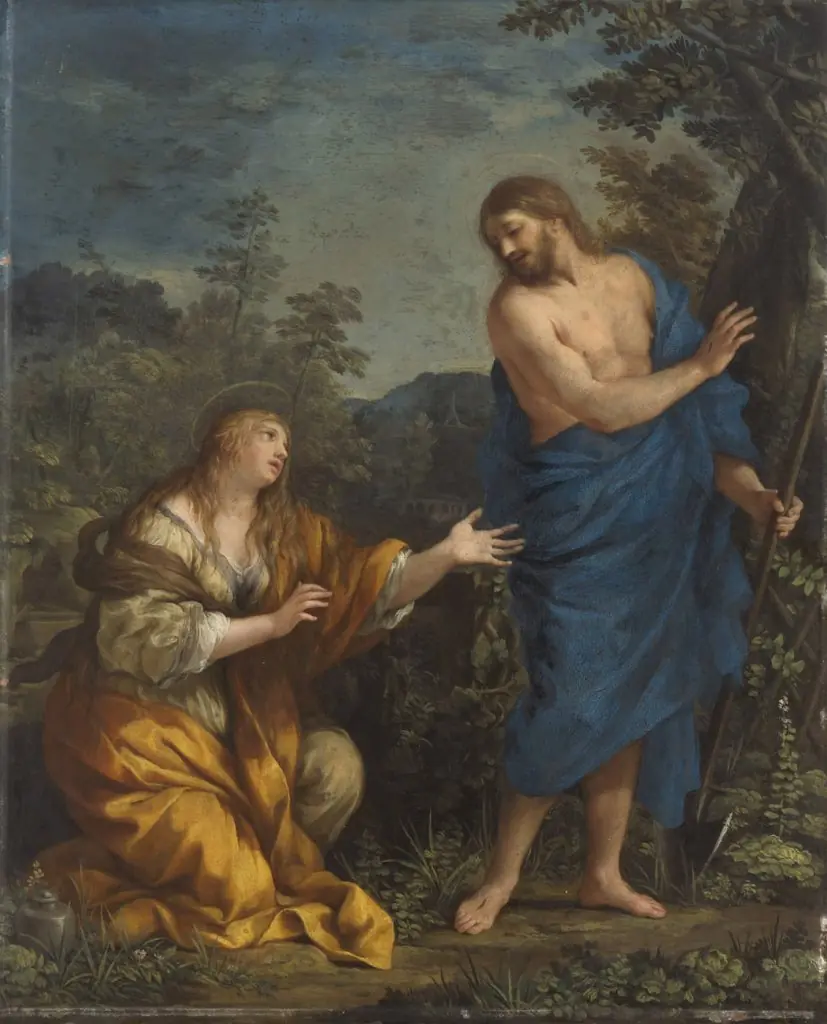 Noli me tangere
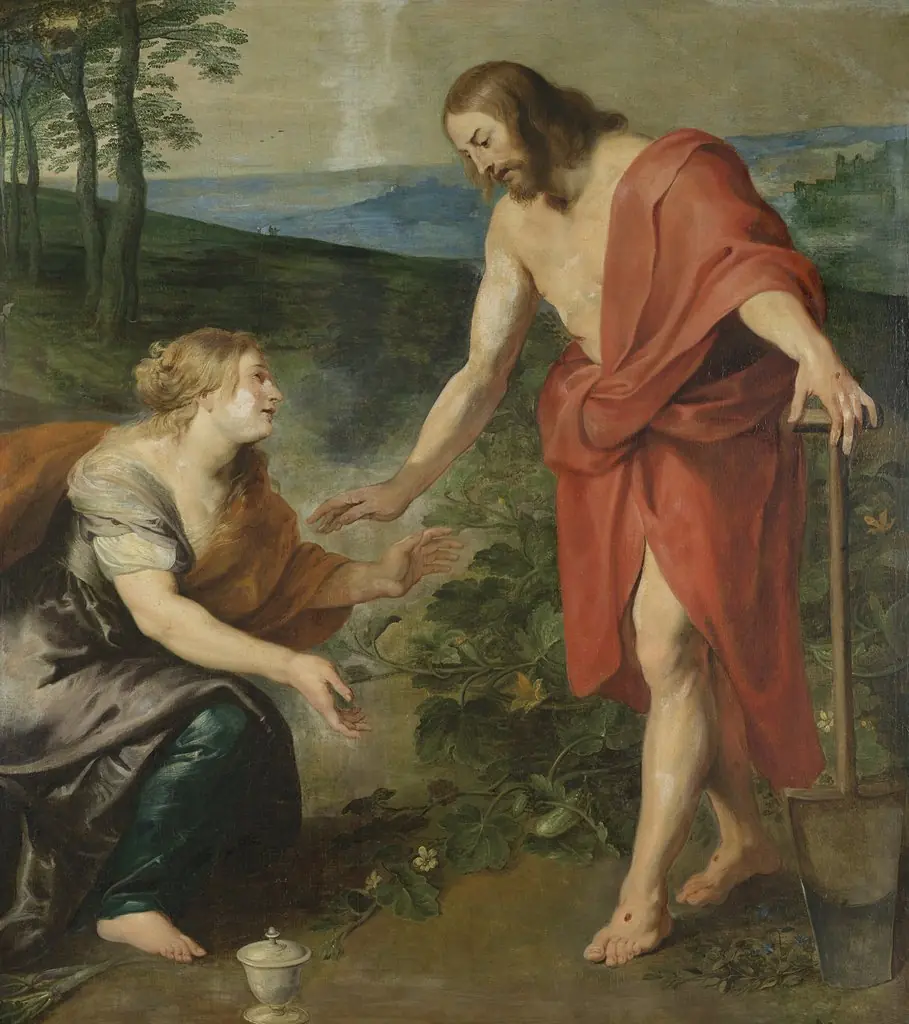 'Noli me tangere': the meeting of Christ and Mary Magdalene
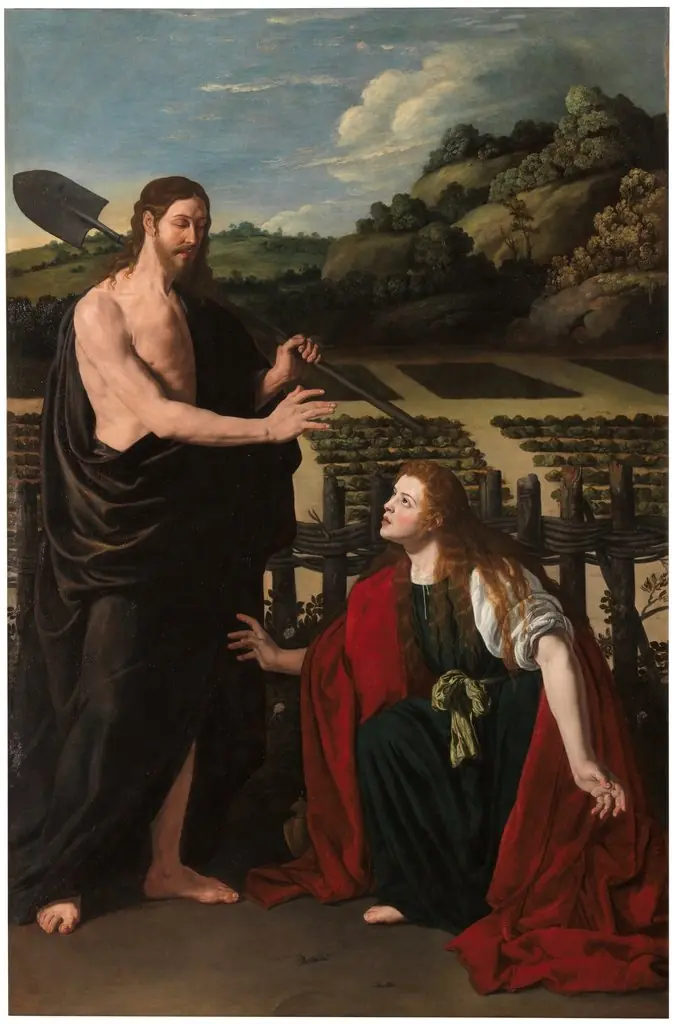 Noli me Tangere
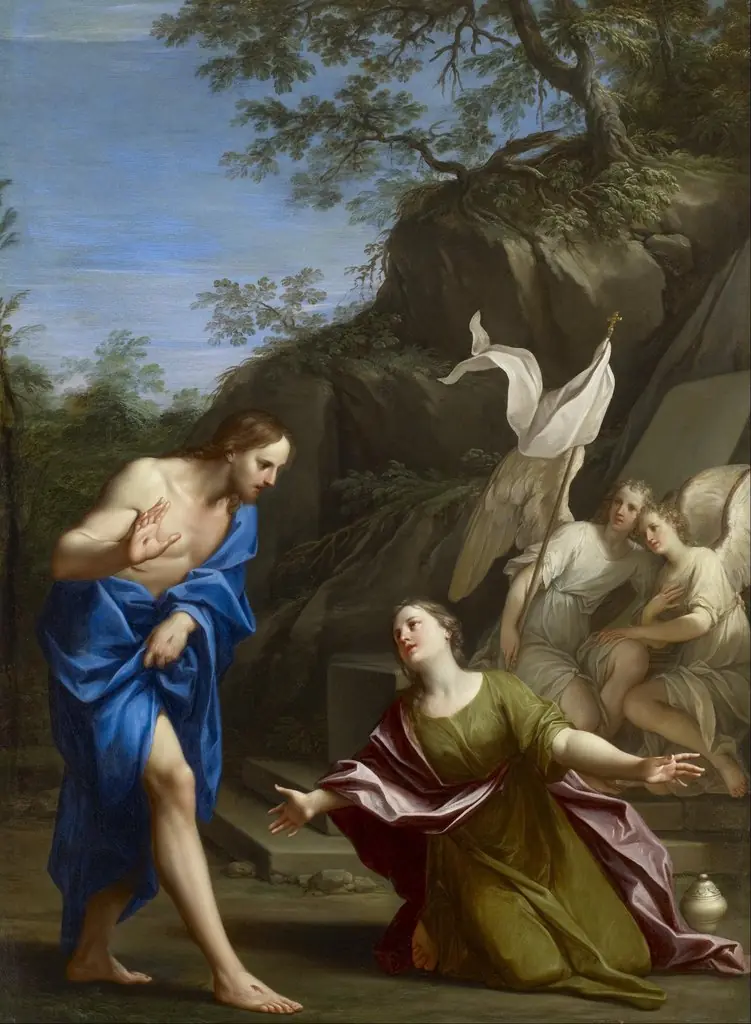 Noli Me Tangere ("Touch me not")
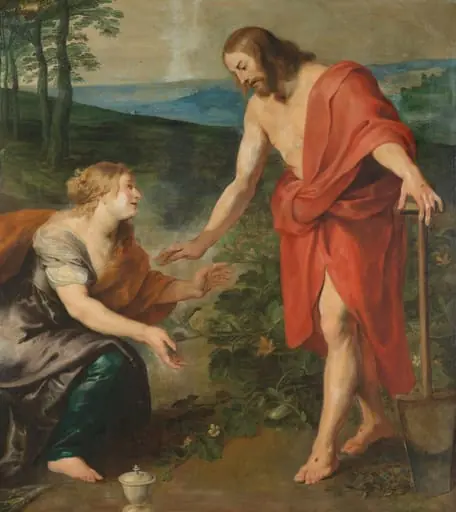 Christ Appearing to Mary Magdalen as a Gardener (Noli me Tangere)
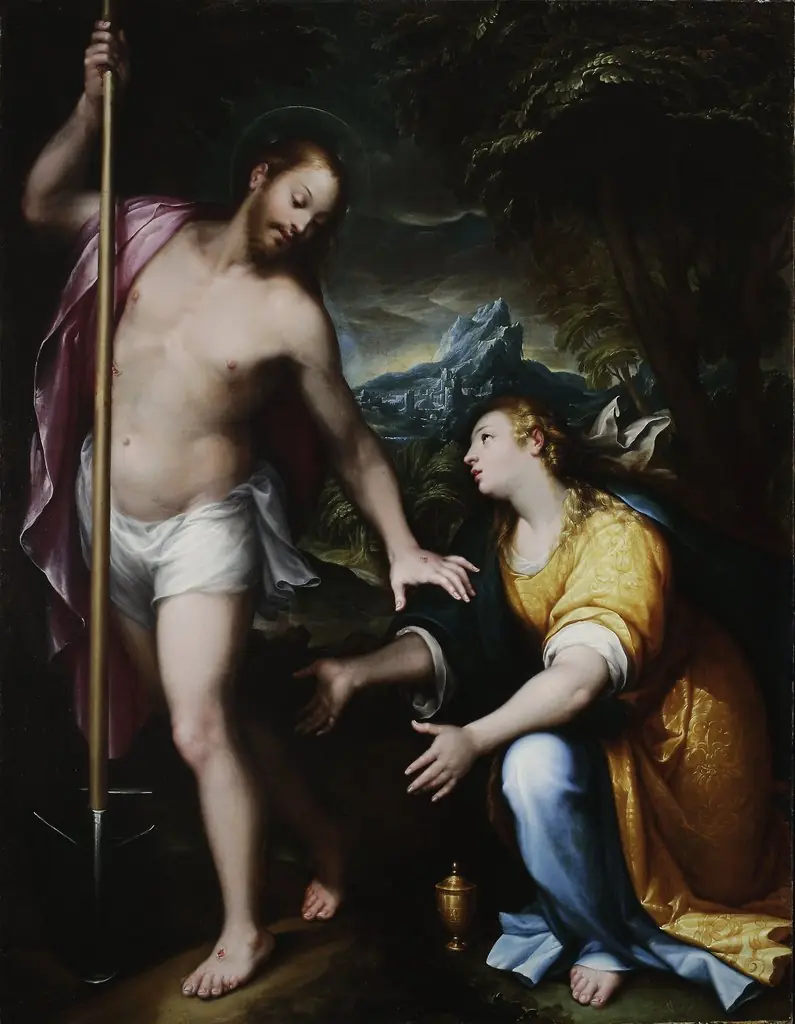 “Noli me tangere” – Resurrected Christ appearing to Mary Magdalene (John 20:14-17)
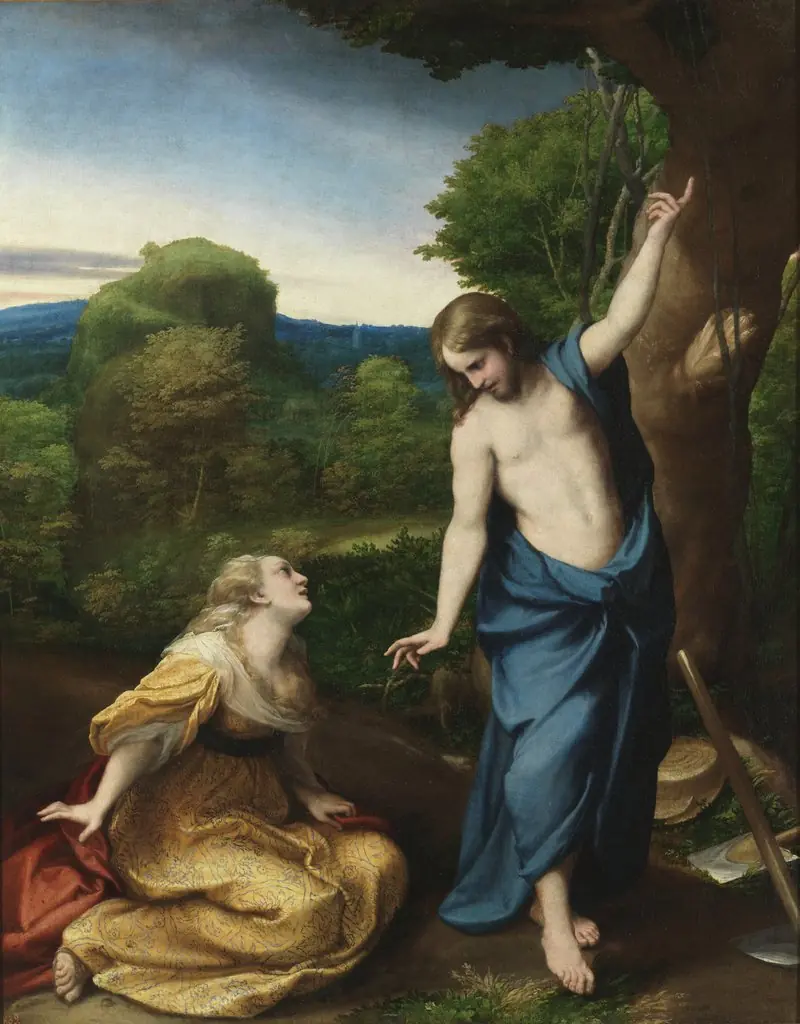 Noli me tangere
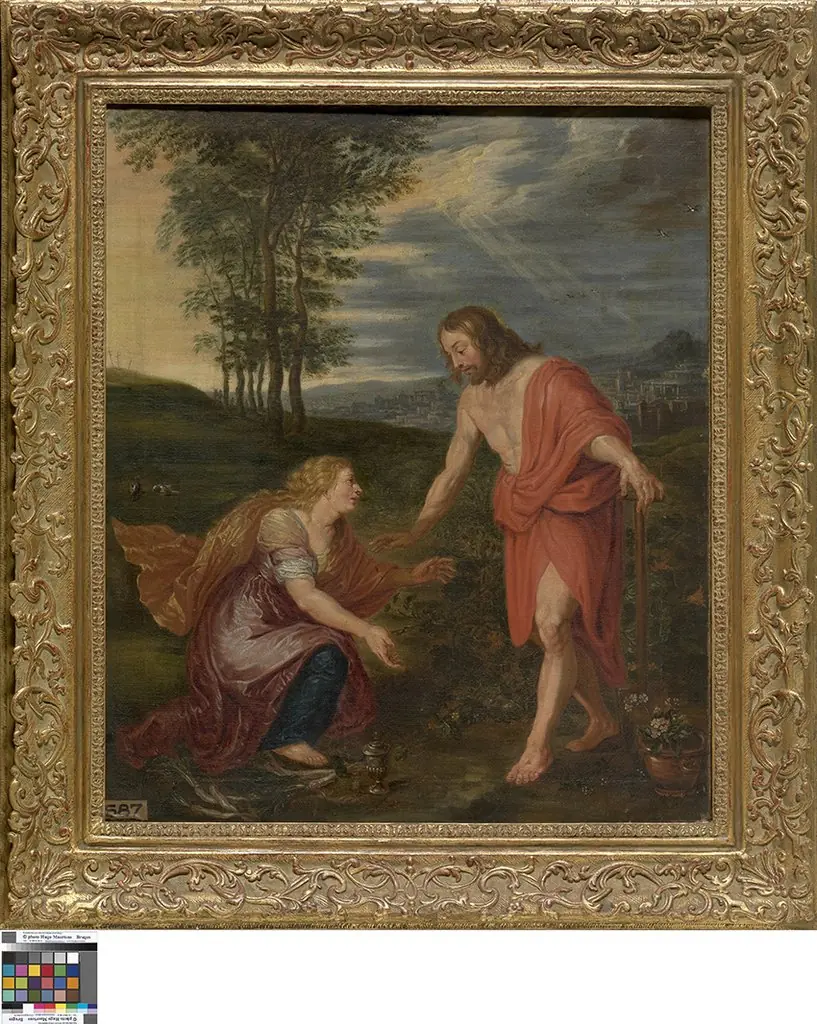 Noli me tangere
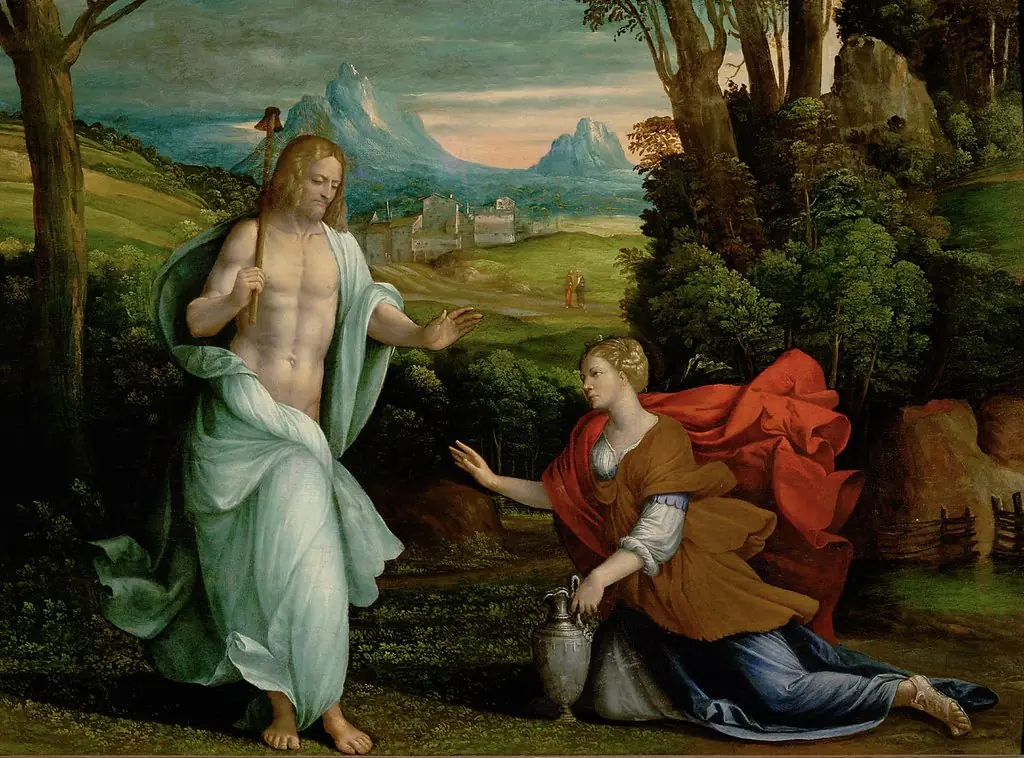 Noli me tangere