Artwork
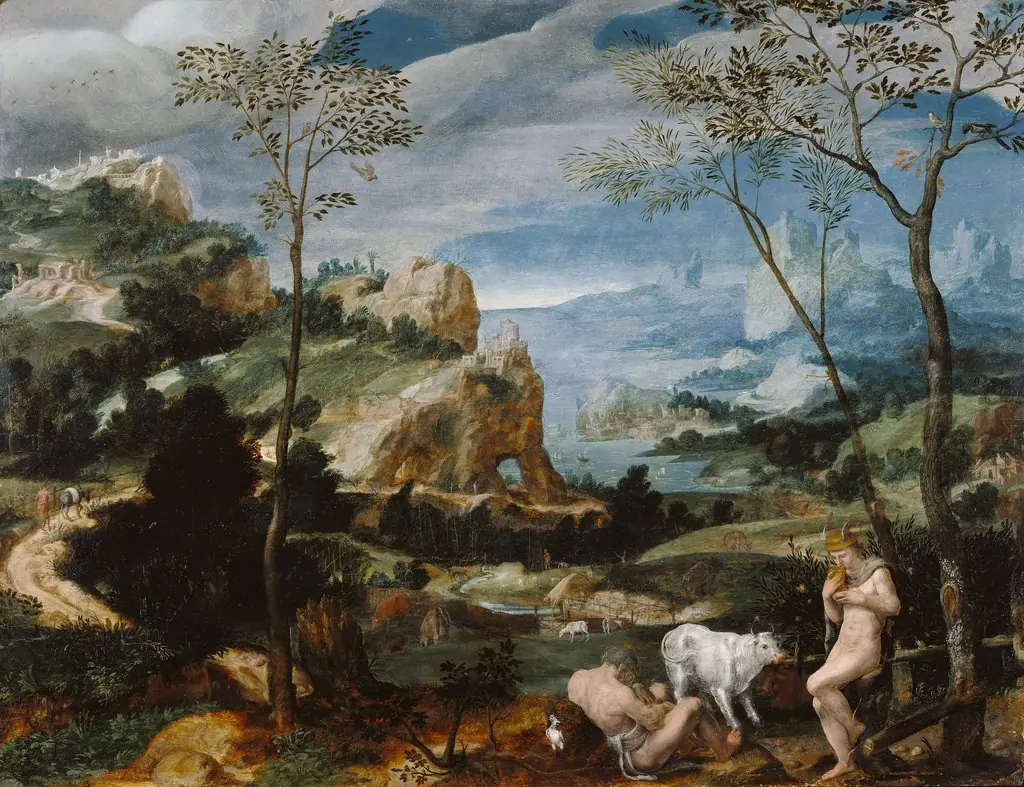
De jonge Mercurius steelt runderen van Apollo’s kudde
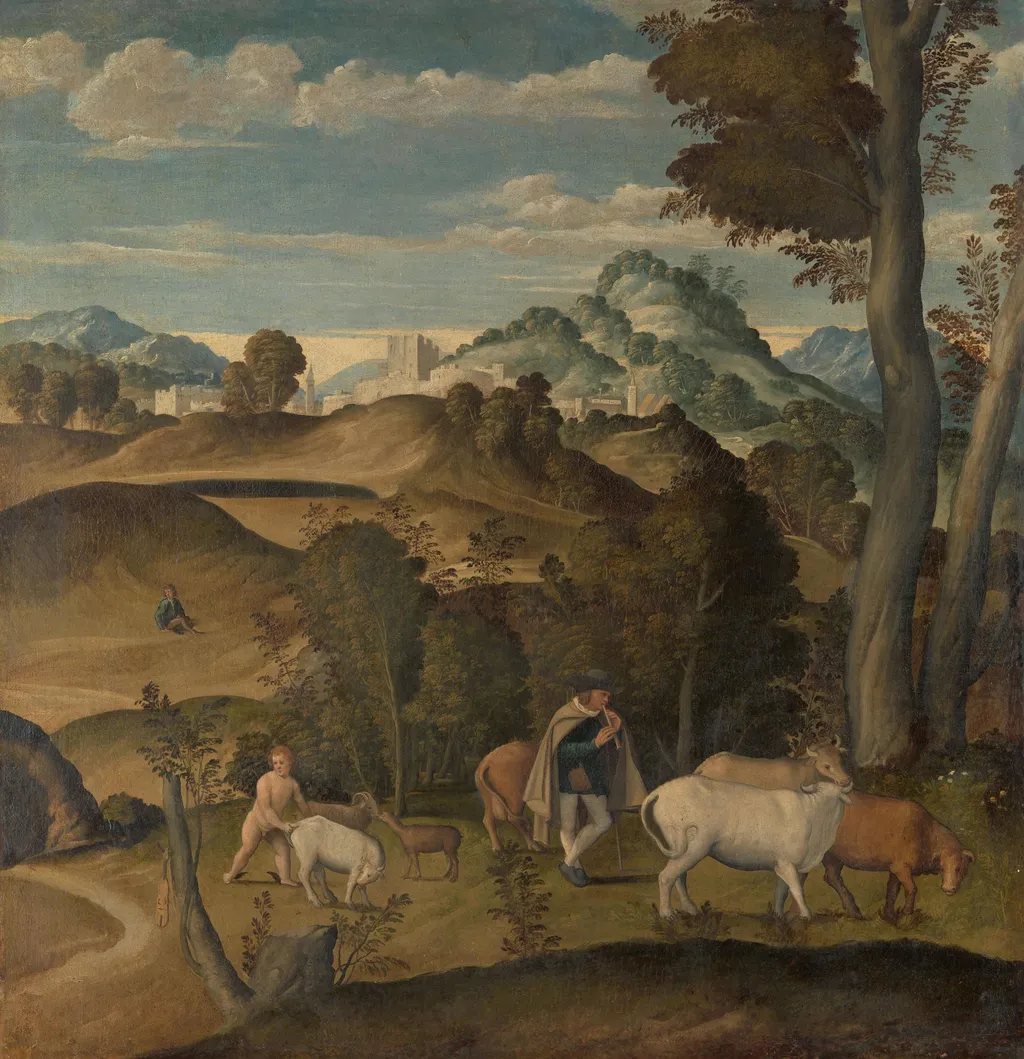
De jonge Mercurius steelt runderen van Apollo’s kudde is an unspecified painting by the Mannerist artist Unknown. It dates from 1540 and is held in the collection of the Rijksmuseum.
About this work
Overview
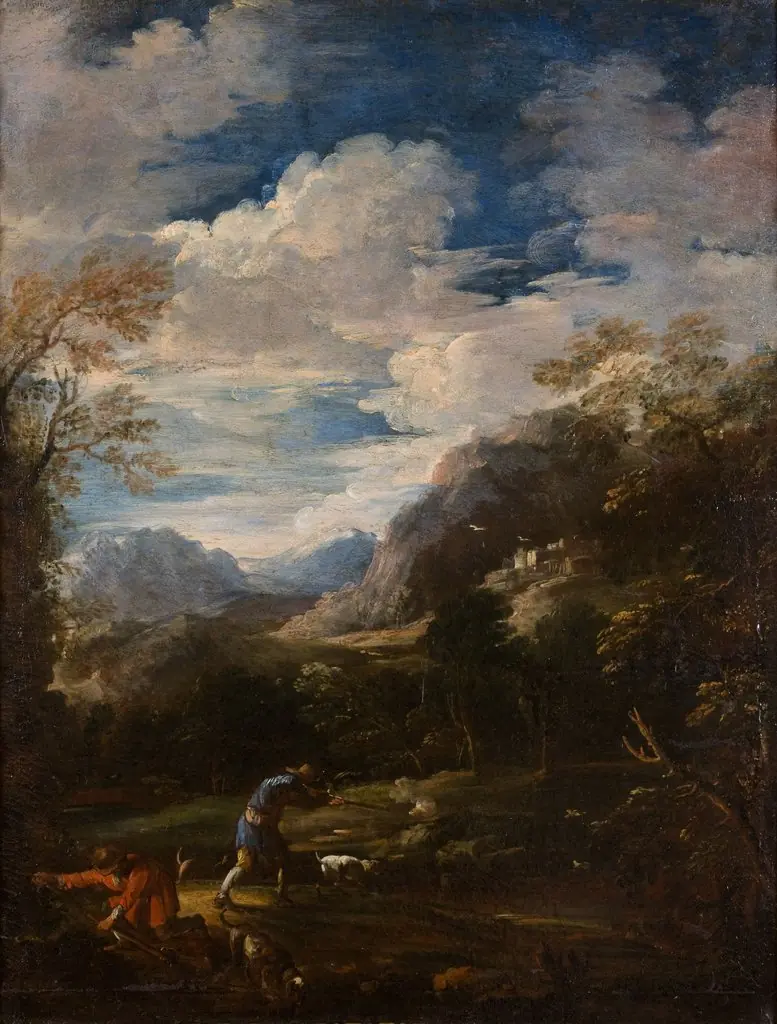
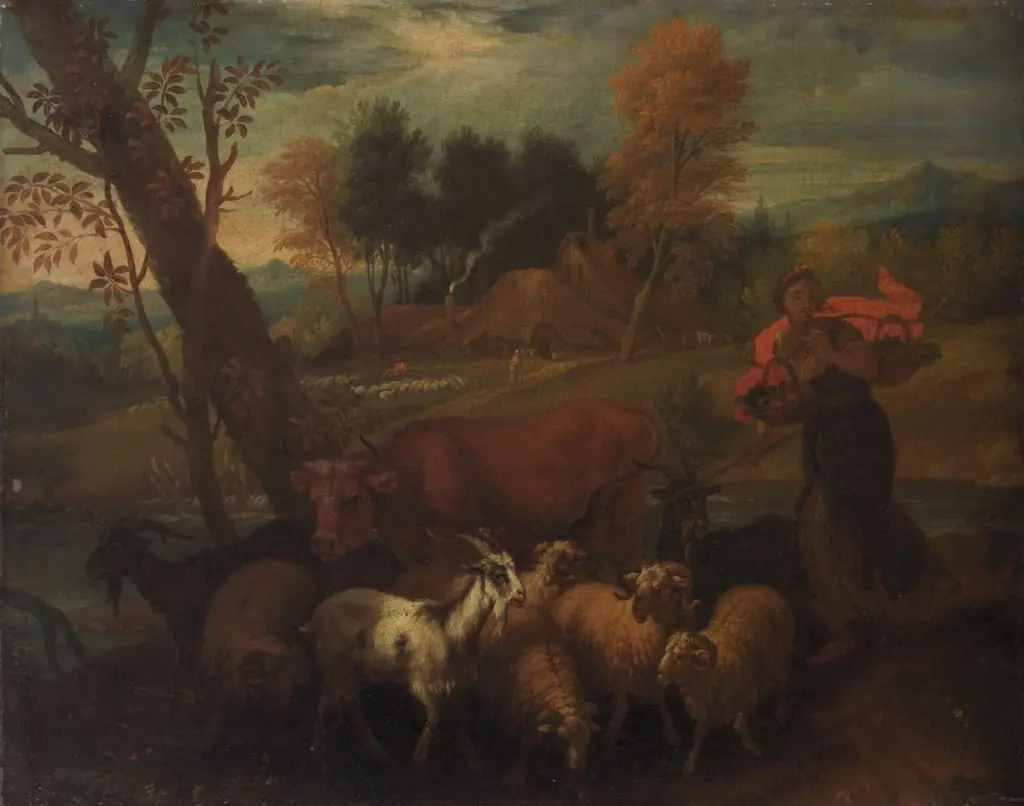
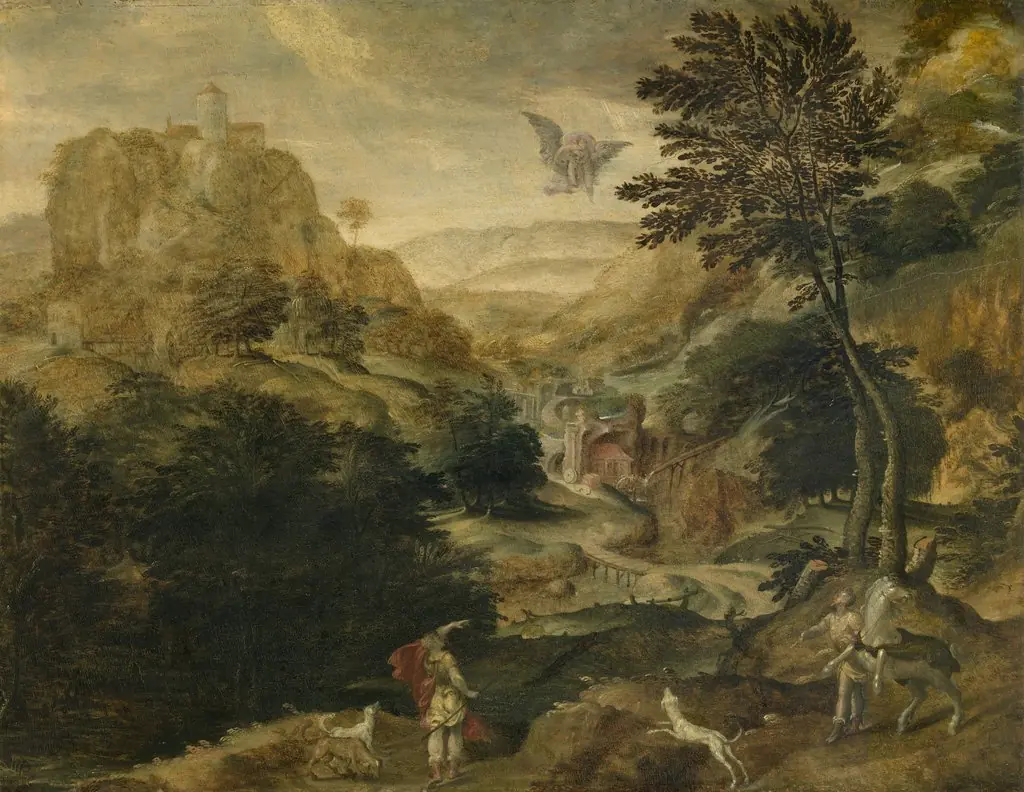
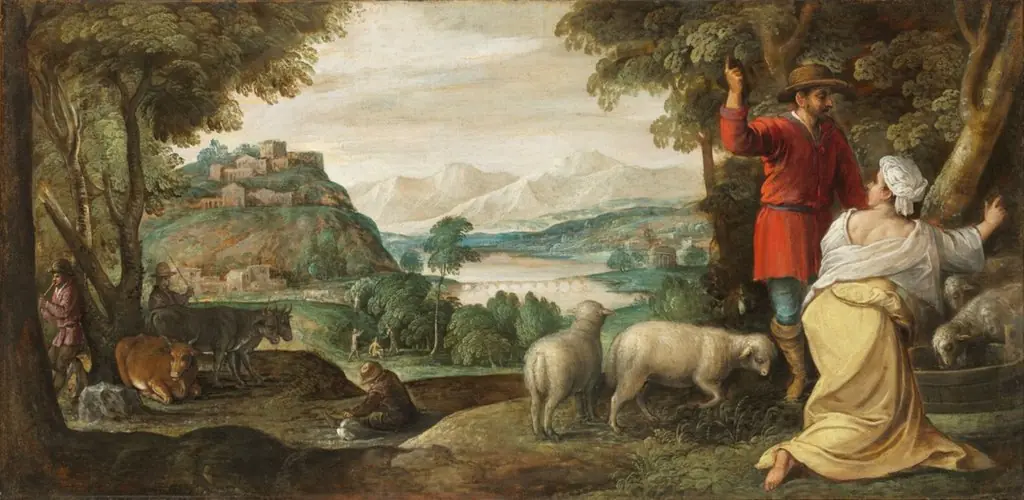
The work titled *De jonge Mercurius steelt runderen van Apollo’s kudde* depicts a scene from classical mythology in which the youthful god Mercury, identifiable by his winged sandals, is caught in the act of absconding with cattle belonging to his half‑brother Apollo, who is shown playing a flute beneath a tree.
Subject & Meaning
The painting visualises a mythic episode in which Apollo, after being expelled from Olympus, assumes the humble role of a herdsman. Unaware of the theft, he is absorbed in his music while Mercury, the patron of thieves, pilfers the herd, a narrative that underscores themes of divine rivalry and the subversion of status.
Technique & Style
Rendered in a modest, narrative style, the composition relies on clear outlines and a restrained palette to foreground the figures. The artist emphasizes the contrast between Apollo’s calm, seated posture and Mercury’s furtive movement, using the tree and the hanging lyre as compositional anchors.
History & Provenance
The creator of the painting remains unidentified, and the work’s provenance is not documented beyond its inclusion in the Rijksmuseum’s collection. Its subject draws on longstanding mythological sources, yet no specific literary version is cited.
Context
The image reflects a broader tradition of illustrating Greco‑Roman myths in Dutch art, where moralizing tales were often employed for didactic purposes. By portraying a divine thief and a humbled god, the piece aligns with 17th‑century interests in allegory and the interplay of virtue and vice.
Artist & collection

 Domestic Scene
 Giacomo and Cardinal Marco, investing Andrea, Abbot of San Zeno, with his Benefice
 The Nymph of Fontainebleau
 Portrait of a Woman
 Madonna and Child with Saints in the Enclosed Garden
 Venus and Minerva
 Family Group of Four on Sofa
 Wall painting from Room H of the Villa of P. Fannius Synistor at Boscoreale