Artwork
Detail of the carving of the tympanum, León Cathedral
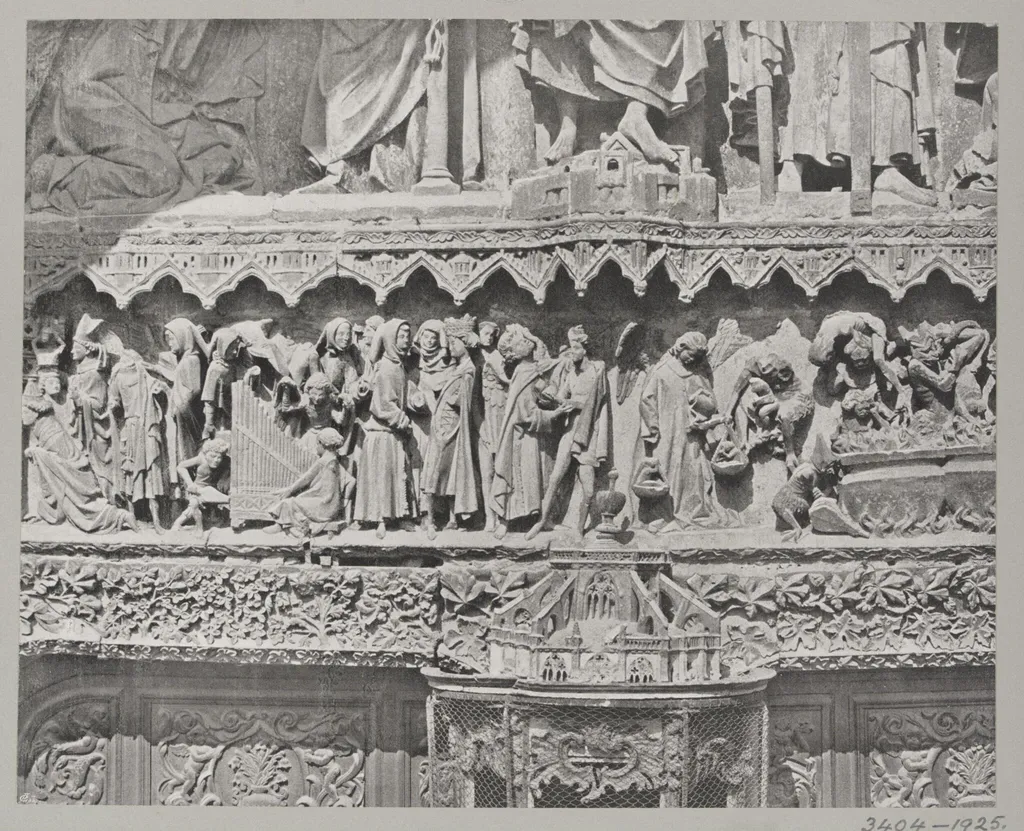
Detail of the carving of the tympanum, León Cathedral is a photographic photography by Unknown. It dates from 1850 and is held in the collection of the Victoria and Albert Museum. This photograph is one of 611 images collected by John Singer Sargent during his travels across Europe and beyond.
About this work
Overview
Acquired by the Victoria and Albert Museum in 1925 from his sisters, the collection reflects his keen interest in architectural and sculptural forms.
This photograph is one of 611 images collected by John Singer Sargent during his travels across Europe and beyond. Acquired by the Victoria and Albert Museum in 1925 from his sisters, the collection reflects his keen interest in architectural and sculptural forms. Though Sargent was an amateur photographer, most images in the set were likely sourced from local professionals. This particular frame captures a detail from León Cathedral’s tympanum, selected for its intricate carving and compositional harmony.
Subject & Meaning
The carved stone depicts a central seated figure flanked by two kneeling angels, their wings and robes rendered in finely incised patterns. The composition suggests a celestial or liturgical scene, common in medieval Spanish ecclesiastical art. The angels’ posture and drapery emphasize reverence, reinforcing the religious context of the cathedral’s portal. The detail serves as a study of spiritual symbolism and formal balance within Romanesque-Gothic tradition.
Technique & Style
The photograph isolates the carved stone with sharp focus, highlighting the texture of weathered limestone and the precision of medieval stonework. Light and shadow accentuate the folds of the angels’ robes and the depth of their wings, revealing the sculptor’s mastery of rhythmic line. Sargent’s choice to frame this close-up suggests an interest in surface detail over architectural context, aligning with his broader practice of documenting sculptural nuance for artistic reference.
History & Provenance
The photograph entered the V&A’s collection in August 1925, part of a larger bequest from Sargent’s sisters following his death. The entire set was originally assembled as a visual archive, not personal souvenirs. The museum catalogued the images geographically and thematically, assigning them to the Library Photograph Collection and Sculpture Department for scholarly use. Their classification underscores their role as educational tools rather than artistic artifacts.
Context
Sargent collected these images while researching for his mural cycle The Triumph of Religion in Boston, which required deep engagement with religious iconography and medieval aesthetics. His travels through Spain, including visits to León Cathedral, provided direct exposure to Iberian Romanesque and Gothic sculpture. The photographs functioned as visual notes, allowing him to study form and composition away from the studio, particularly when preparing for large-scale religious narratives.
Legacy
The collection remains a valuable record of late 19th-century artistic inquiry and cross-cultural observation. While Sargent’s own paintings are widely studied, these photographs reveal his methodical approach to visual research. Their preservation and classification by the V&A attest to their enduring utility for scholars of architecture, sculpture, and the transmission of artistic ideas across borders and media.
Artist & collection

 Domestic Scene
 Giacomo and Cardinal Marco, investing Andrea, Abbot of San Zeno, with his Benefice
 The Nymph of Fontainebleau
 Portrait of a Woman
 Madonna and Child with Saints in the Enclosed Garden
 Venus and Minerva
 Family Group of Four on Sofa
 Wall painting from Room H of the Villa of P. Fannius Synistor at Boscoreale
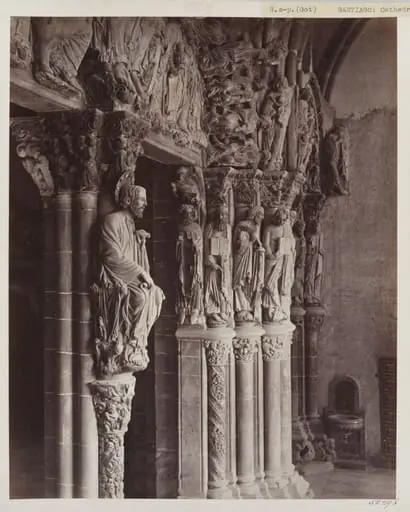 Cathedral, Santiago, Spain, Portico de la Gloria, details of Doorway (No.2)
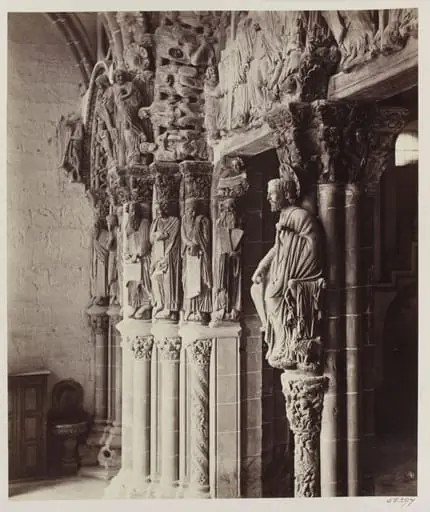 Cathedral, Santiago, Spain, Portico de la Gloria, details of Doorway (No.3)
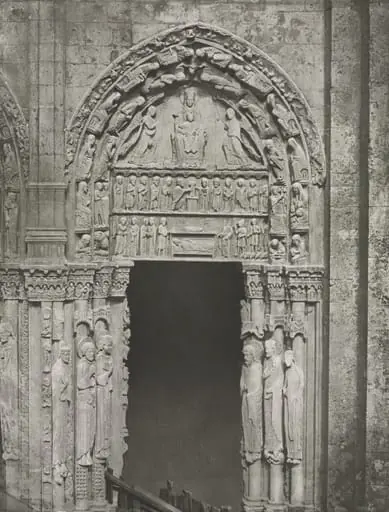 Chartres Cathedral: Right Door of the Royal Portal with Our Lady of Chartres
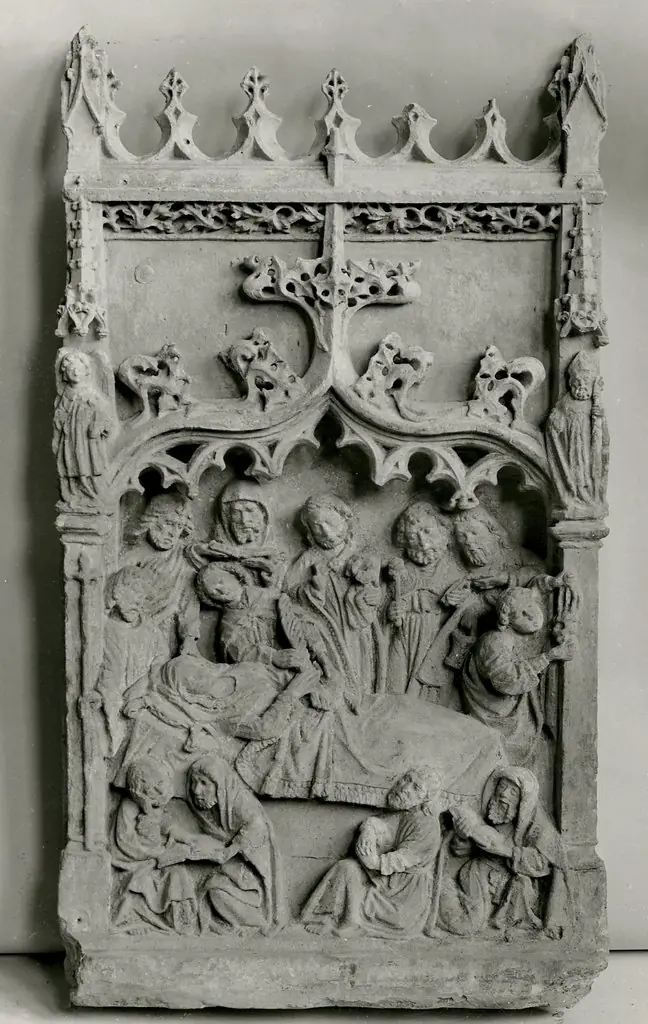 Dormition of the Virgin Relief
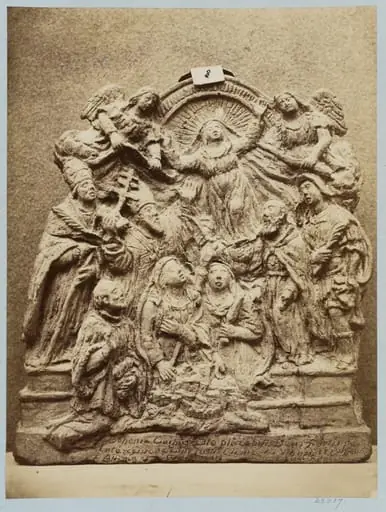 Fifth Series
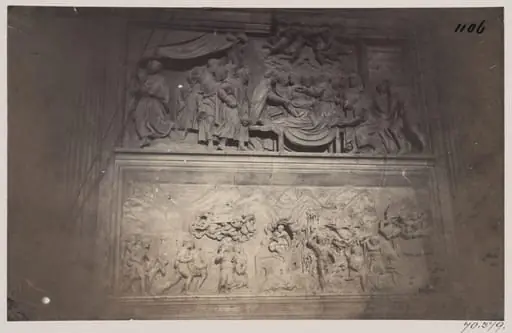 Out of Rome - House of the Blessed Virgin at Loreto. Sculpture of the Santissima Casa carried by Angels, A.D. 1520
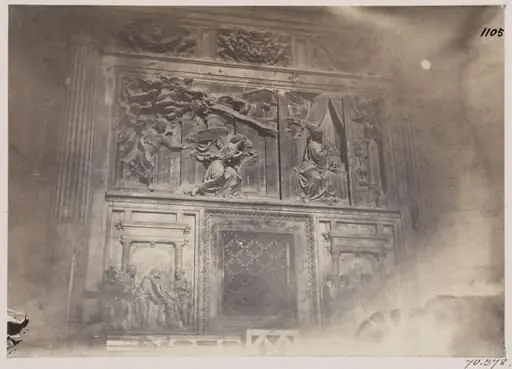 Out of Rome - House of the Blessed Virgin at Loreto. Sculpture of the Annunciation, A.D. 1520