Artwork
Episcopul Augustin Benkovich
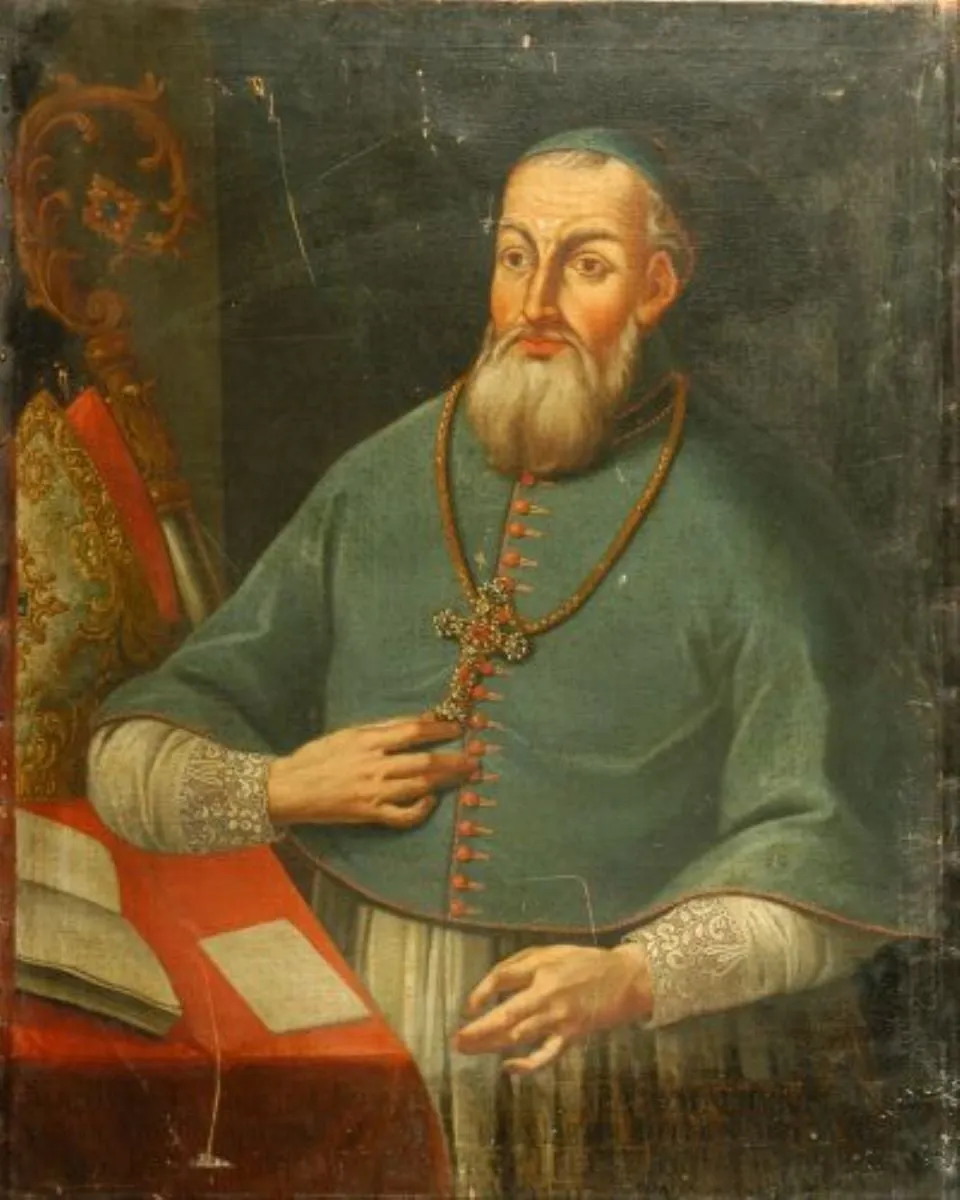
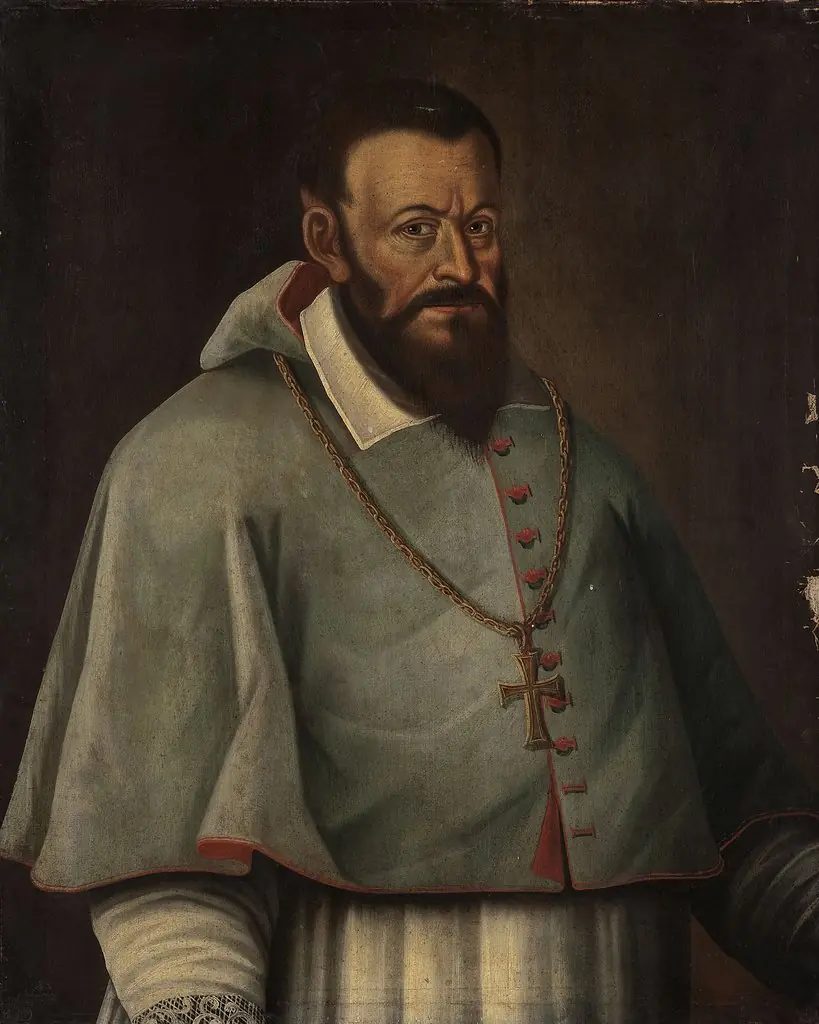
Episcopul Augustin Benkovich is an unspecified painting by Unknown. It dates from 1750 and is held in the collection of the Țării Crișurilor Museum. This portrait depicts Augustin Benkovich, a bishop of the Greek Catholic Church, rendered in oil on canvas.
About this work
Overview
This portrait depicts Augustin Benkovich, a bishop of the Greek Catholic Church, rendered in oil on canvas. The composition focuses tightly on his upper body, with a dark, undefined background enhancing the contrast of his features. His attire and the object he holds suggest ecclesiastical authority, while the lighting draws attention to his face and hands, emphasizing presence over setting.
Subject & Meaning
Augustin Benkovich is shown adjusting a necklace with red beads, likely a pectoral cross, a symbol of episcopal office in Eastern Christian traditions.
Augustin Benkovich is shown adjusting a necklace with red beads, likely a pectoral cross, a symbol of episcopal office in Eastern Christian traditions. The gesture conveys quiet reverence rather than display. The partial glimpse of another figure behind him, dressed in red and gold, may indicate the presence of a subordinate or ceremonial attendant, subtly reinforcing hierarchy without distracting from the bishop’s solemn demeanor.
Technique & Style
The artist employs chiaroscuro to model the bishop’s face and hands, using sharp contrasts between light and shadow to create volume and depth. The white lace cuffs and the texture of the green robe are rendered with fine brushwork, while the background remains deliberately muted. This restrained palette and focused illumination reflect a Baroque sensibility centered on psychological presence rather than ornate detail.
History & Provenance
The portrait was likely commissioned during Benkovich’s tenure as bishop in the early 18th century, possibly for a church or monastery under his jurisdiction. It remained in ecclesiastical collections until the 20th century, when it entered a public museum. Documentation is sparse, but its style aligns with regional portraiture from the Habsburg-controlled territories of the time.
Context
Benkovich served during a period when the Greek Catholic Church navigated tensions between Orthodox traditions and Roman authority. Portraits like this one served to affirm clerical legitimacy and continuity. The emphasis on personal dignity, rather than grandeur, reflects a broader trend in Eastern Christian iconography that valued spiritual authority over worldly display.
Legacy
The portrait endures as a quiet testament to the role of bishops in maintaining religious identity amid political change. Its restrained composition and psychological depth distinguish it from more flamboyant ecclesiastical portraits of the era. It continues to be studied for its use of light and its representation of clerical identity in a multicultural Habsburg context.
Artist & collection

 Domestic Scene
 Giacomo and Cardinal Marco, investing Andrea, Abbot of San Zeno, with his Benefice
 The Nymph of Fontainebleau
 Portrait of a Woman
 Madonna and Child with Saints in the Enclosed Garden
 Venus and Minerva
 Family Group of Four on Sofa
 Wall painting from Room H of the Villa of P. Fannius Synistor at Boscoreale
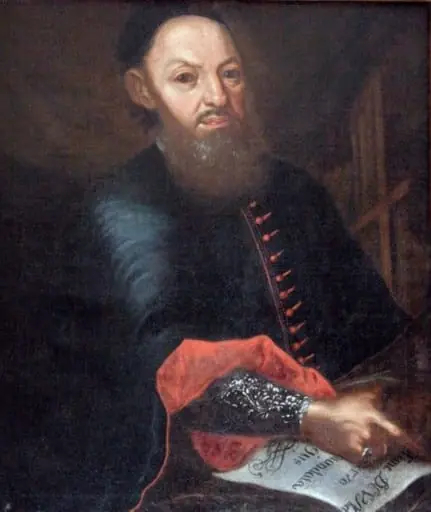 Vicarulul apostolic Mihai Theodorovici
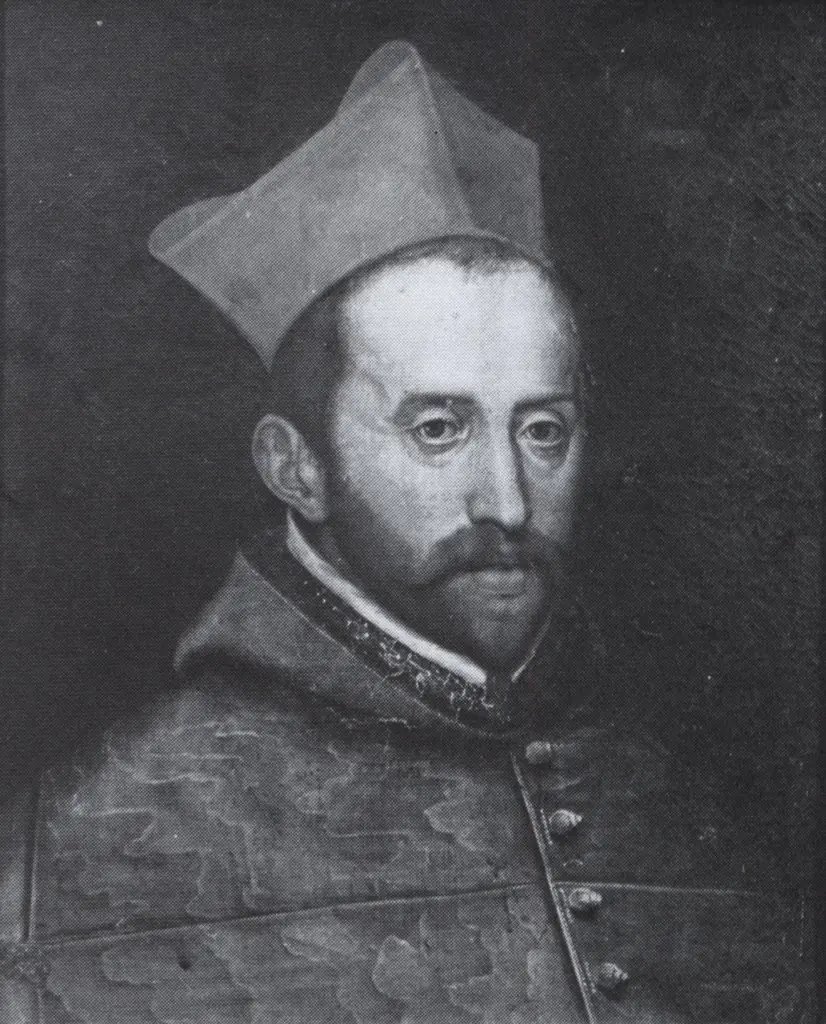 Andreas von Österreich
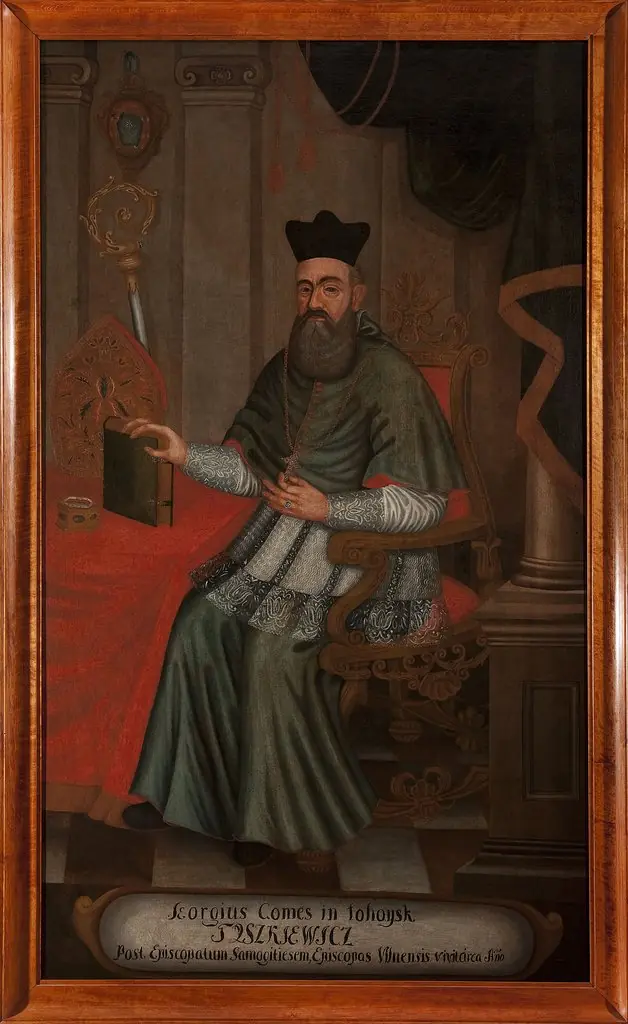 Portrait of Jerzy Tyszkiewicz (1596–1656), Leliwa coat of arms, bishop of Vilnius
 Portrait of Franciszek Krasiński (1525–1577), bishop of Kraków
 Portrait of Pope Clement VIII Aldobrandini
 Portrait of Cardinal Borghese
 Portrait of Cardinal Borghese
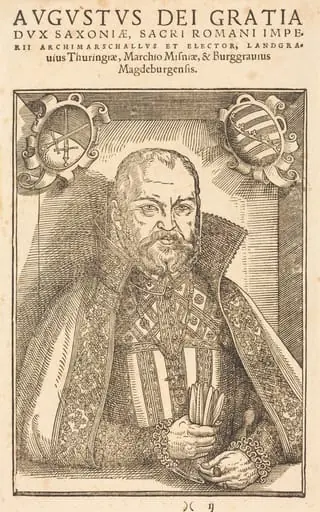 Augustus Hertzog zu Sachsen
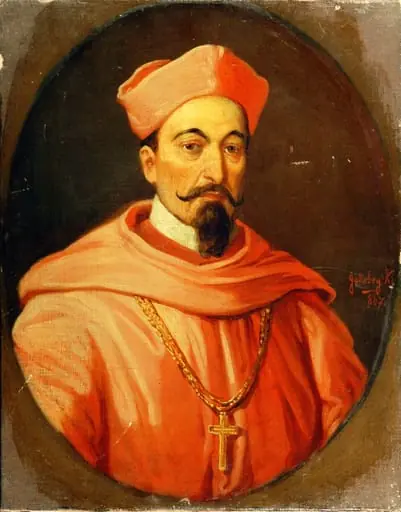 Portretul lui Pazmany Peter