Artwork
Augustus Hertzog zu Sachsen
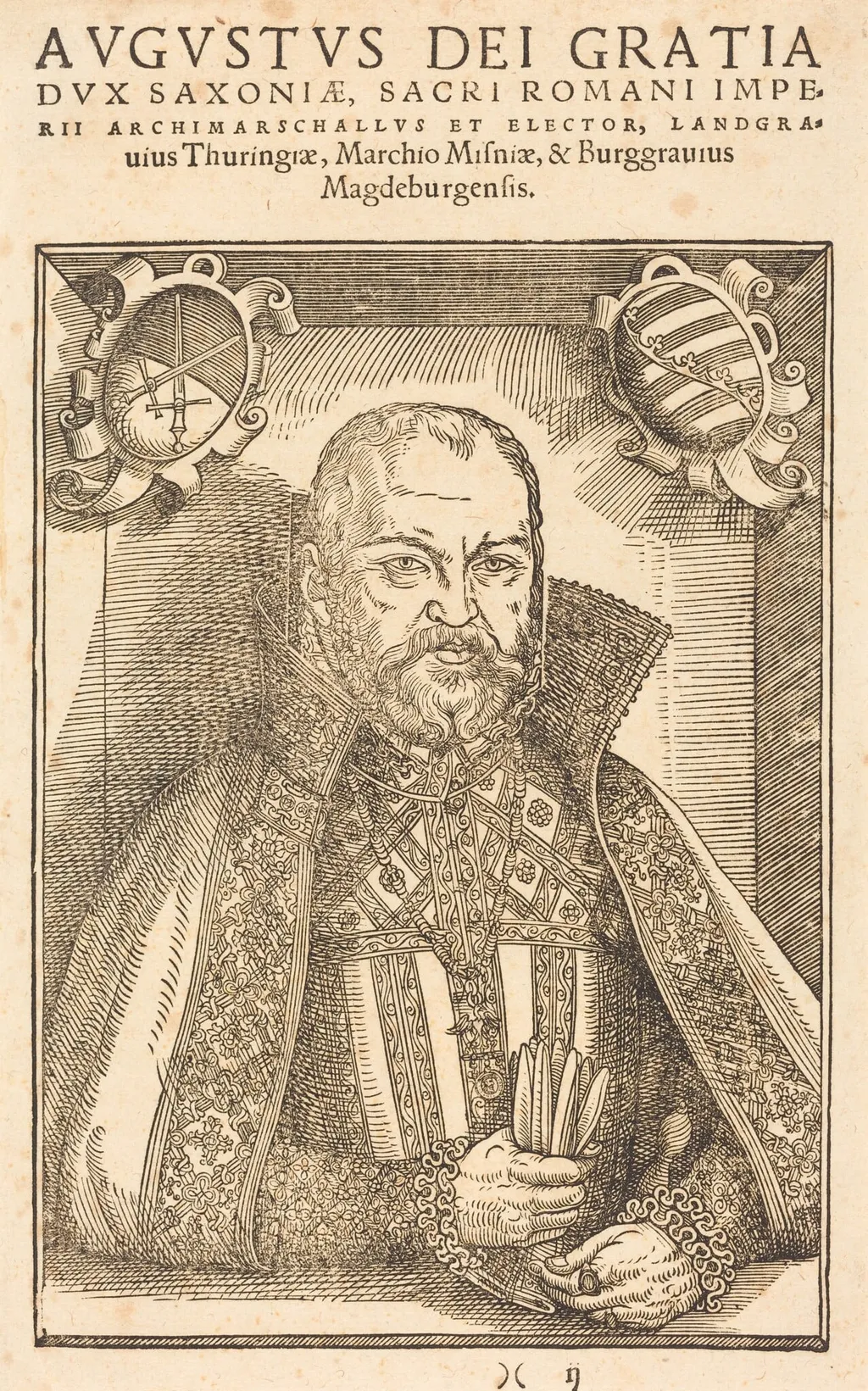
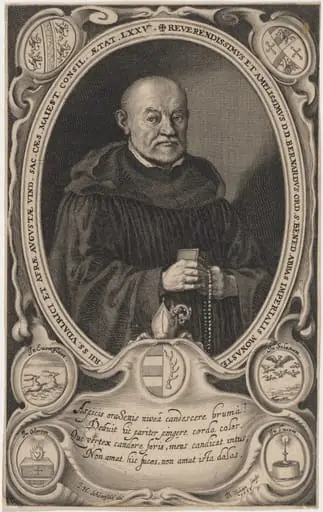
Augustus Hertzog zu Sachsen is an ink print by the Renaissance artist Jakob Lucius the Elder. It dates from 1564 and is held in the collection of the National Gallery of Art.
About this work
Overview
The work titled Augustus Hertzog zu Sachsen is a woodcut print executed on laid paper in 1564. It was produced by the artist known as Lucius the Elder, Jakob. The image presents a bearded male figure in a dark, patterned robe, holding a book and a rosary against a subtly striped background.
Subject & Meaning
The sitter is portrayed with scholarly and devotional attributes: a book in his right hand signifies learning or authority, while the rosary in his left suggests piety. The prominent beard and formal attire convey status, aligning the portrait with the conventions of Renaissance portraiture that emphasize both intellectual and religious virtues.
Technique & Style
Created as a woodcut, the image relies on carved lines and textures to render the intricate fabric patterns and the delicate shading of the background. The use of laid paper provides a faint ribbed texture that interacts with the ink, enhancing the contrast between the dark robe and the lighter striped backdrop.
History & Provenance
The print dates to the mid‑sixteenth century, a period when woodcut portraiture was a common means of disseminating images of notable individuals. While specific ownership records are not detailed, the work is attributed to Lucius the Elder, Jakob, an artist active in the Renaissance era.
Context
In the broader context of 1560s German art, woodcuts served both decorative and documentary purposes, often circulating portraits of aristocracy and clergy. The combination of scholarly and devotional symbols reflects the intertwined roles of education and faith in the cultural milieu of the Holy Roman Empire.
Artist & collection


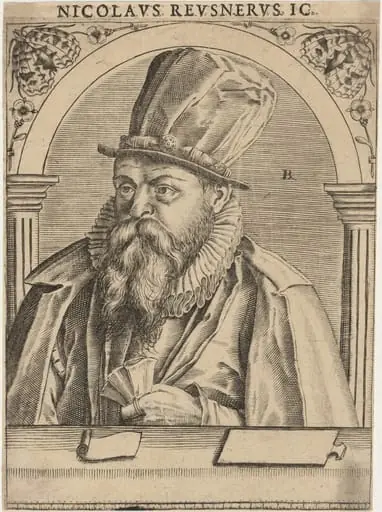 Nicolas Reusner
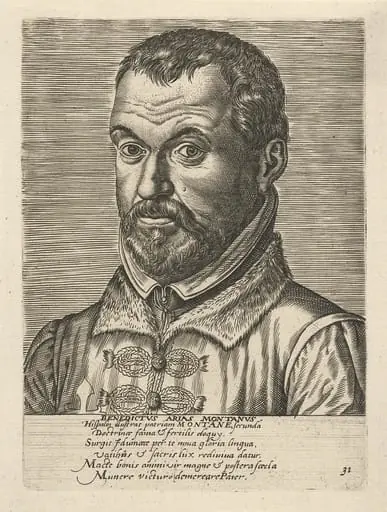 Portret van Benito Arias Montano
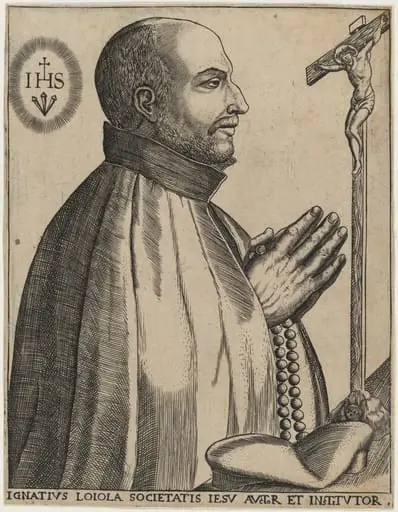 Saint Ignatius de Loyola, Founder of the Jesuits
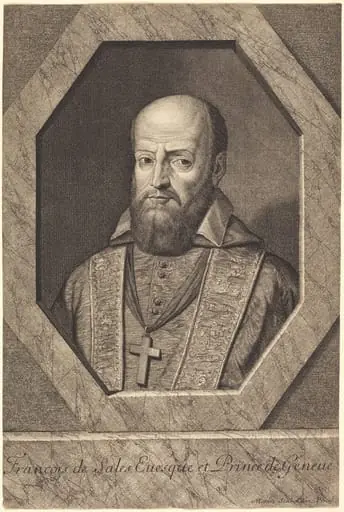 Saint Francois de Sales
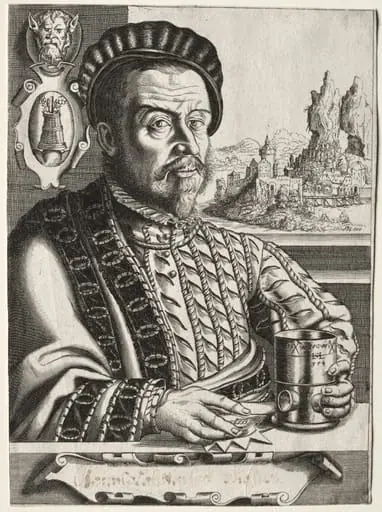 Ulrich Schwaiger
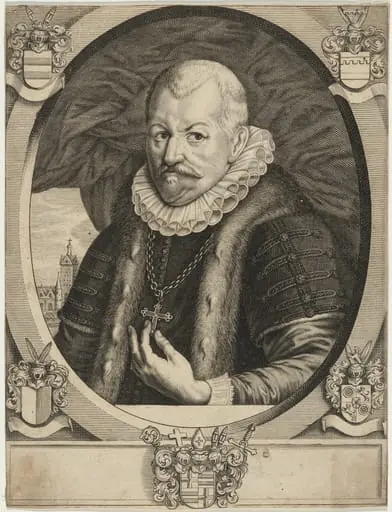 Portrait of a Man With Cross Around Neck
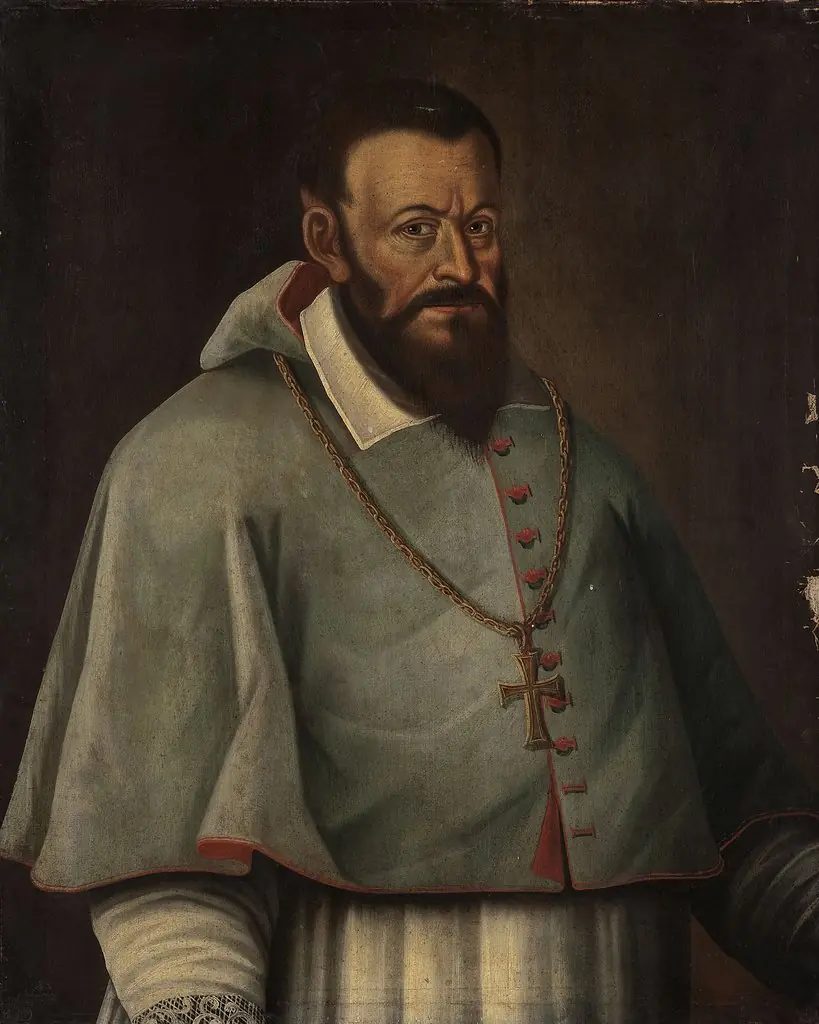 Portrait of Franciszek Krasiński (1525–1577), bishop of Kraków
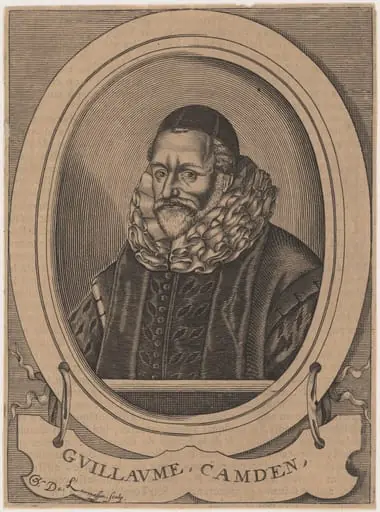 William Camden, Herald, Antiquary and Historian
 Bernhard, Abbot of the Monastery of Saint Udalric and Afra in Augsburg