Artwork
Farfurie de formă tronconică, adâncită; pe fund are găuri pentru agățare. Pe margine este decorat cu motive florale, despărțite de șiruri de puncte și încadrate de două cercuri concentrice; în centru are o cruce mare cu capete treflate încadrată de doi trandafiri (în lateral) și o floare la bază. Pe exterior are urme de pictură (probabil a fost așezată pe o altă farfurie proaspăt pictată). Cromatică: fond: alb; motive: roșu; verde; albastru; galben.
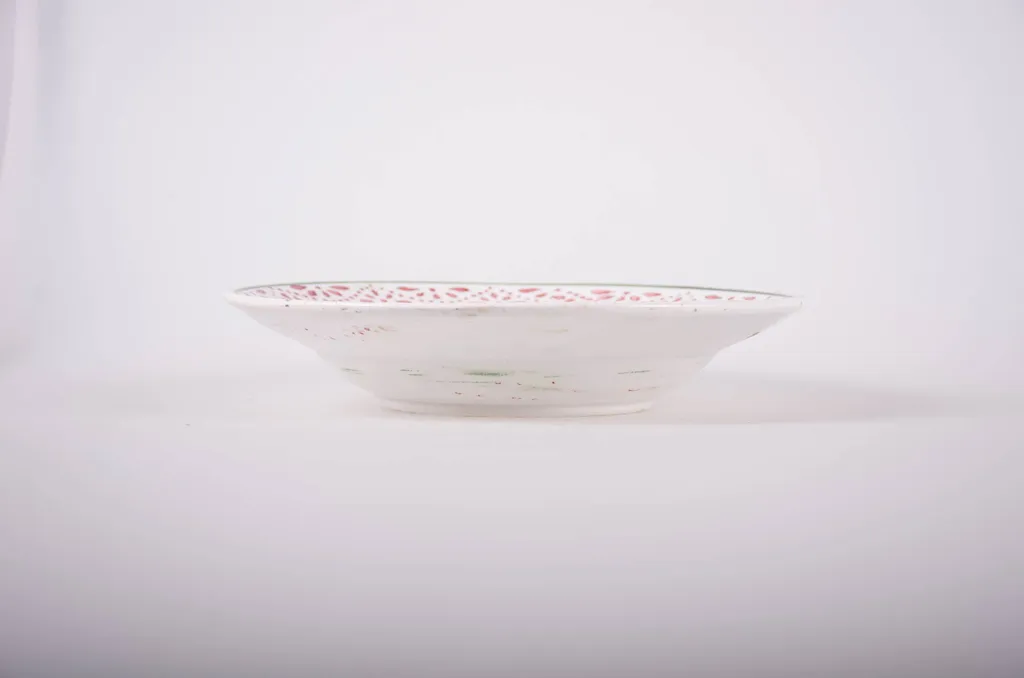
Farfurie de formă tronconică, adâncită; pe fund are găuri pentru agățare. Pe margine este decorat cu motive florale, despărțite de șiruri de puncte și încadrate de două cercuri concentrice; în centru are o cruce mare cu capete treflate încadrată de doi trandafiri (în lateral) și o floare la bază. Pe exterior are urme de pictură (probabil a fost așezată pe o altă farfurie proaspăt pictată). Cromatică: fond: alb; motive: roșu; verde; albastru; galben. is a print by Unknown. It dates from 1850 and is held in the collection of the ASTRA National Museum Complex. This shallow, conical ceramic plate features a white glaze with painted floral and symbolic motifs in red, green, blue, and yellow.
About this work
Overview
This shallow, conical ceramic plate features a white glaze with painted floral and symbolic motifs in red, green, blue, and yellow. Its form suggests utilitarian use, yet the central cross and roses indicate ritual or devotional intent. Traces of pigment on the exterior imply it was stacked against another freshly painted piece during production, revealing workshop practices of the time.
Subject & Meaning
The central Latin cross with trefoil ends, flanked by two roses and a single bloom at the base, merges religious symbolism with ornamental tradition.
The central Latin cross with trefoil ends, flanked by two roses and a single bloom at the base, merges religious symbolism with ornamental tradition. Roses may reference Marian devotion or earthly beauty, while the cross anchors the piece in Christian iconography. The combination of sacred and decorative elements suggests the object served both domestic and spiritual functions, possibly in a household or ecclesiastical setting.
Technique & Style
Decorative bands encircle the rim, composed of small floral motifs separated by dotted lines and framed by two concentric circles. The painting is executed with loose, hand-drawn precision, using limited pigments applied over a white slip. The smudged outer edge reveals contact with a wet surface during drying, indicating batch production and manual handling rather than industrial methods.
History & Provenance
No documented origin or excavation record is provided, but the style aligns with regional ceramic traditions of Eastern Europe, likely from the late medieval or early modern period. The presence of symbolic imagery alongside utilitarian form suggests local craftsmanship, possibly linked to monastic or village workshops where religious and everyday objects were produced together.
Context
In its cultural milieu, such plates may have been used in domestic rituals, feast days, or as votive offerings. The integration of Christian symbols into tableware reflects the permeation of faith into daily life. Similar motifs appear in folk art across the Balkans and Carpathians, where religious imagery was adapted into vernacular crafts without formal ecclesiastical oversight.
Legacy
The object exemplifies how sacred symbols were absorbed into common material culture, preserving religious meaning through everyday use. Its preservation offers insight into artisanal practices and the informal transmission of iconography outside formal religious institutions. Such pieces remain valuable for understanding the intersection of belief, craft, and domestic life in pre-industrial societies.
Artist & collection

 Domestic Scene
 Giacomo and Cardinal Marco, investing Andrea, Abbot of San Zeno, with his Benefice
 The Nymph of Fontainebleau
 Portrait of a Woman
 Madonna and Child with Saints in the Enclosed Garden
 Venus and Minerva
 Family Group of Four on Sofa
 Wall painting from Room H of the Villa of P. Fannius Synistor at Boscoreale
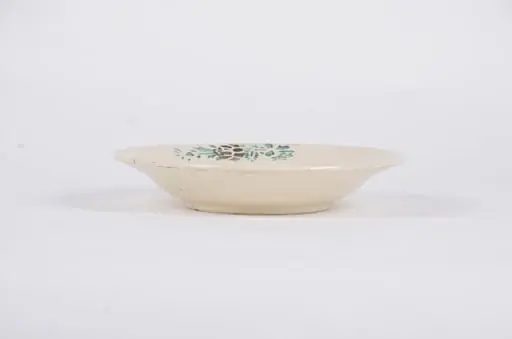 Farfuria este de formă tronconică fiind decorată cu motive florale dispuse central sub forma unui buchet de flori. Pe marginea piesei sunt dispuse într-un registru circular motive floral-vegetale pe un fond alb. Farfuria este smălțuită. Cromatică: fond: alb; motive: verde; maro.
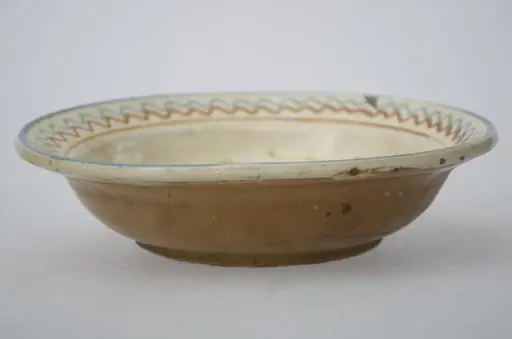 Farfurie de formă tronconică, mult adâncită cu marginile evazate. Smălțuită pe ambele fețe. Central decor floral cu "floarea soarelui" și "nu mă uita"; pe margine două cercuri ce încadrează două linii în val. Cromatică: fond: alb; motive: verde, albastru, bej, maro, brun, galben.
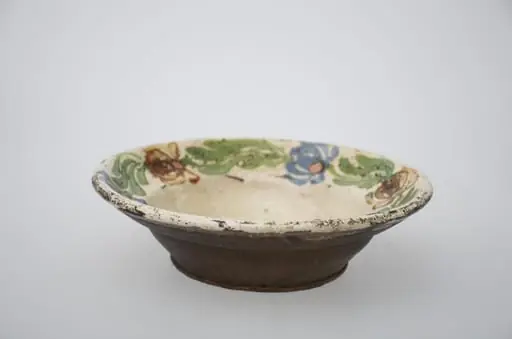 Farfurie de formă tronconică adâncă cu buza largă și decor pe fund, spre margini. Ornamentat cu motive florale. Cromatică: fond: alb; motive: maro; verde; albastru.
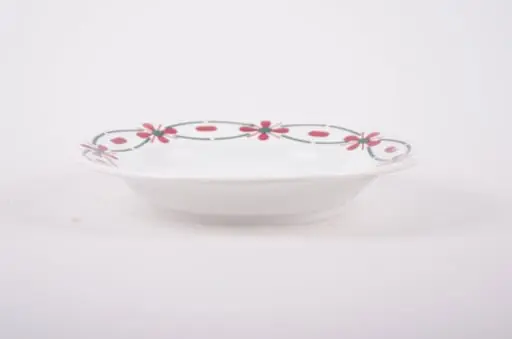 Farfurie din porțelan de formă tronconică. Pe fond alb, marginea este decorată cu flori stilizate. Cromatică: roșu și verde; interiorul farfuriei prezintă flori în: roșu; albastru; verde.
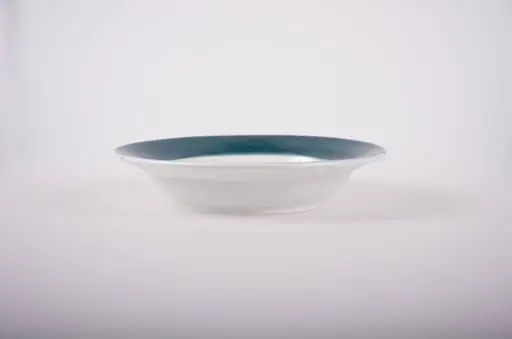 Farfurie de formă tronconică, adâncită; pe fund are găuri pentru agățare. În centru este decorată cu motive florale; marginea este pictată verde; pe fund are trei cercuri concentrice. Cromatică: fond: alb; motive: verde; vișiniu; albastru; galben.
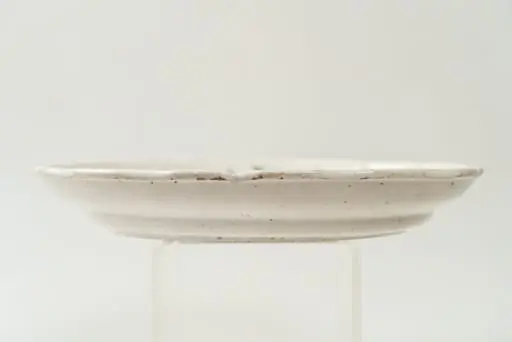 Farfurie de formă aplatizată, cu marginea lată, răsfrântă, ușor concavă spre interior și muchie ușor ondulată. Decorul, dispus pe un fond alb, prin pictare, este format din motive florale fin stilizate (flori și frunze), dispuse central, pe fundul farfuriei, și pe buza acesteia. Cromatica decorului: alb, verde, brun, galben-ocru, albastru.
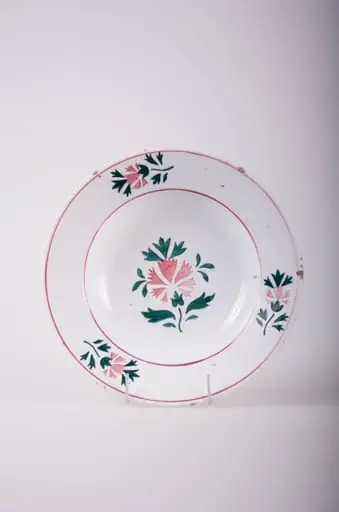 Farfurie de formă tronconică, adâncită; pe fund are găuri pentru agățare. În centru și pe margine este decorată cu motive fitomorfe și florale; pe margine sunt trei flori cu frunze încadrate de două cercuri concentrice; în interior este doar o floare cu frunze. Cromatică: fond: alb; motive: vișiniu; verde.
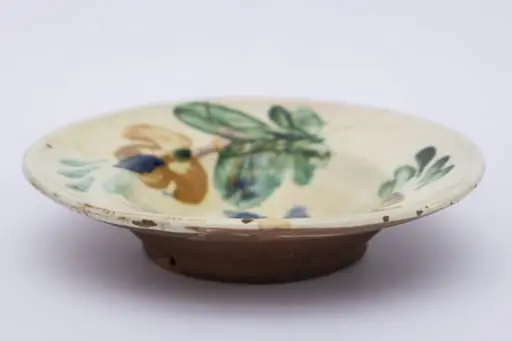 Farfurie de formă tronconică cu fundul adâncit și marginea evazată; smălțuită în interior. Ornament prin pictare ilustrând în plan central, pe fundul vasului, o floare albastră; pe margine chenar floral, reprezentat de două flori cărămizii cu frunze verzi. Pentru atârnare baza este perforată. Cromatică: fond: alb; motive: cărămiziu; verde; albastru; brun.