Artwork
Farfurie de formă tronconică cu fundul adâncit și marginea evazată; smălțuită în interior. Ornament prin pictare ilustrând în plan central, pe fundul vasului, o floare albastră; pe margine chenar floral, reprezentat de două flori cărămizii cu frunze verzi. Pentru atârnare baza este perforată. Cromatică: fond: alb; motive: cărămiziu; verde; albastru; brun.
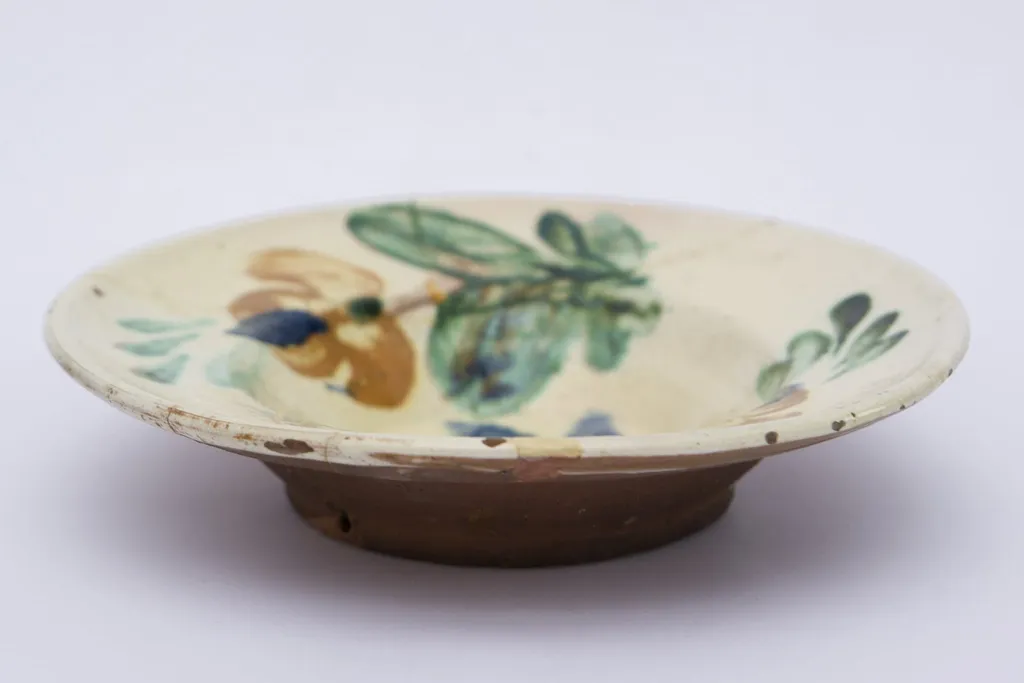
Farfurie de formă tronconică cu fundul adâncit și marginea evazată; smălțuită în interior. Ornament prin pictare ilustrând în plan central, pe fundul vasului, o floare albastră; pe margine chenar floral, reprezentat de două flori cărămizii cu frunze verzi. Pentru atârnare baza este perforată. Cromatică: fond: alb; motive: cărămiziu; verde; albastru; brun. is a photography by Unknown. It dates from 1850 and is held in the collection of the ASTRA National Museum Complex. This ceramic dish features a shallow, conical form with a deepened base and flared edge.
About this work
Overview
The palette is restrained—white, soft blue, reddish-brown, green, and muted brown—creating a quiet harmony suited to domestic or ceremonial use.
This ceramic dish features a shallow, conical form with a deepened base and flared edge. Its interior is glazed white, while the exterior remains unglazed. A central hole in the base indicates it was designed for suspension, likely as a decorative or ritual object. The palette is restrained—white, soft blue, reddish-brown, green, and muted brown—creating a quiet harmony suited to domestic or ceremonial use.
Subject & Meaning
The decoration centers on a single blue flower, surrounded by two reddish-orange blooms near the rim, each accompanied by slender green leaves. The floral motifs, though stylized, suggest natural observation rather than symbolic abstraction. Their placement—central and marginal—may reflect a balance between focus and boundary, possibly evoking themes of growth, transience, or seasonal cycles in daily life.
Technique & Style
The vessel was painted by hand using mineral-based pigments on a white slip-glazed surface. Lines are fluid but deliberate, with no shading or perspective; forms are simplified into flat, rhythmic shapes. The brushwork is economical, emphasizing contour over detail. The contrast between the glazed interior and unglazed exterior points to a functional awareness of material properties and surface treatment.
History & Provenance
This object belongs to a regional ceramic tradition where hanging dishes were common in domestic or religious settings. Its form and decoration align with late medieval or early modern pottery from Eastern Europe, where such items served both utilitarian and ornamental roles. The perforated base suggests it was hung on walls or ceilings, possibly to display beauty or ward off ill fortune.
Context
In rural households of the period, such vessels often adorned living or sacred spaces, blending utility with aesthetic care. The use of natural pigments and floral motifs reflects a connection to local flora and seasonal rhythms. Hanging ceramics may have also functioned as talismans or markers of household identity, integrating art into everyday rituals.
Legacy
Though not widely documented in major collections, similar pieces survive in regional museums and private holdings, preserving a quiet vernacular tradition. The dish exemplifies how ordinary objects carried cultural meaning through subtle design. Its survival speaks to the endurance of handmade crafts in communities where mass production had not yet displaced artisanal practice.
Artist & collection

 Domestic Scene
 Giacomo and Cardinal Marco, investing Andrea, Abbot of San Zeno, with his Benefice
 The Nymph of Fontainebleau
 Portrait of a Woman
 Madonna and Child with Saints in the Enclosed Garden
 Venus and Minerva
 Family Group of Four on Sofa
 Wall painting from Room H of the Villa of P. Fannius Synistor at Boscoreale
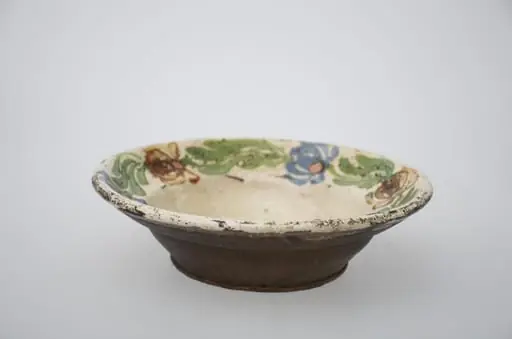 Farfurie de formă tronconică adâncă cu buza largă și decor pe fund, spre margini. Ornamentat cu motive florale. Cromatică: fond: alb; motive: maro; verde; albastru.
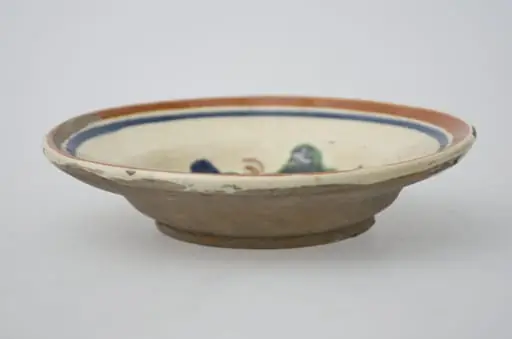 Farfurie tronconică, de dimensiuni mai mici cu pereții ușor curbați și marginea evazată. Prezintă un motiv central de tip floral; pe margine două cercuri colorate. Smălțuită numai în interior. Cromatică: fond: alb; motive; verde; albastru; brun; negru.
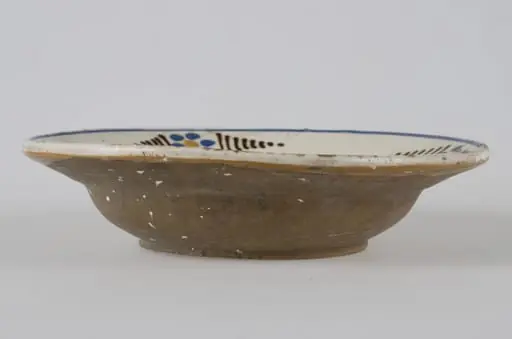 Vas adânc din lut, de formă tronconică, cu marginea evazată. Pe fundalul de culoare albă este decorat cu motive geometrice: linie circulară, linii curbe, puncte pe buza vasului; motive vegetale și florale, pe centrul vasului. Cromatică: fond: alb; motive: albastru; verde; maro; cărămiziu.
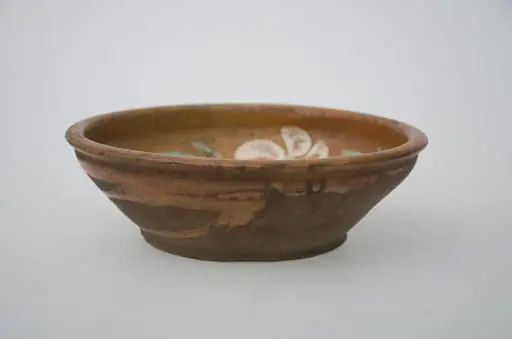 Blid de formă tronconică, smălțuit în interior cu buza larg rasfrântă. Prezintă decor floral fundul șu corpul vasului. Cromatică: fond: maro; motive: alb; verde; albastru.
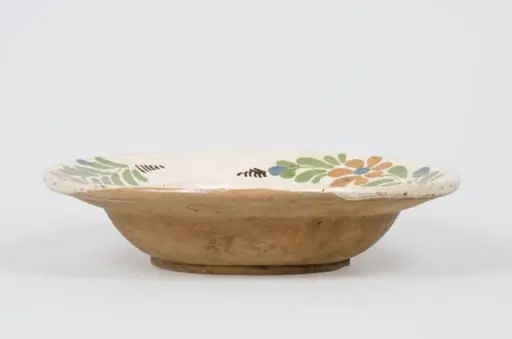 Vas de formă tronconică, adâncit smălțuit în interior. Acesta este decorat pe margine cu motive vegetale și florale pe un registru dispus în zona diametrului maxim. Cromatică: fond cărămiziu (exterior); fond alb (interior); verde; maro; albastru.
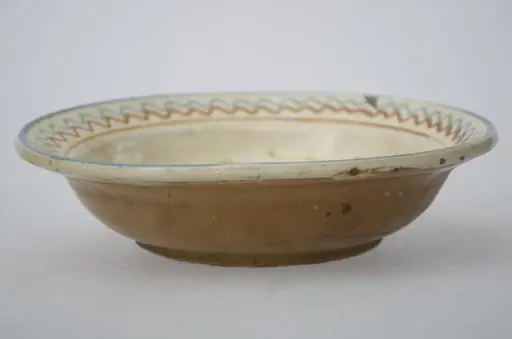 Farfurie de formă tronconică, mult adâncită cu marginile evazate. Smălțuită pe ambele fețe. Central decor floral cu "floarea soarelui" și "nu mă uita"; pe margine două cercuri ce încadrează două linii în val. Cromatică: fond: alb; motive: verde, albastru, bej, maro, brun, galben.
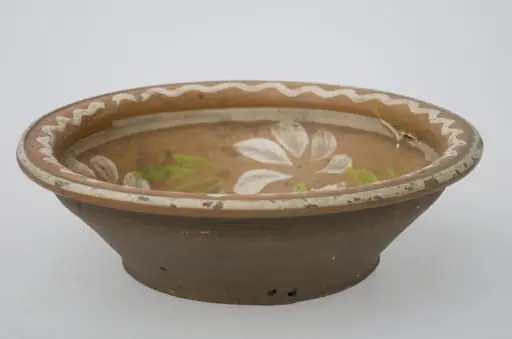 Vas adânc de formă tronconică, cu marginea bombată și evazată marcată de o linie în relief. Smălțuit numai în interior. Prezintă decor floral, iar pe margine două cercuri încadrează o linie frântâ. Cromatică: fond: cărămiziu; motive: alb, verde.
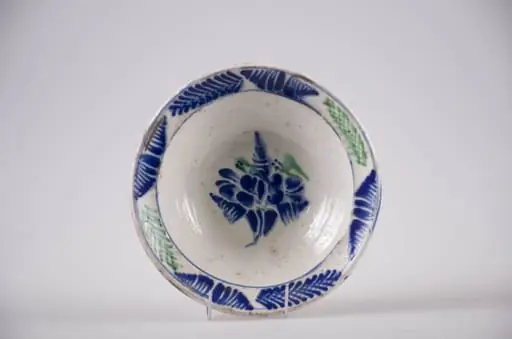 Blid de formă tronconică cu buza evazată, Smălțuit la interior. Decorul este format din ornamente florale dispuse pe motiv central: floare; motive marginale, fitomorfe: brăduț. Cromatică: verde și albastru pe fond alb.
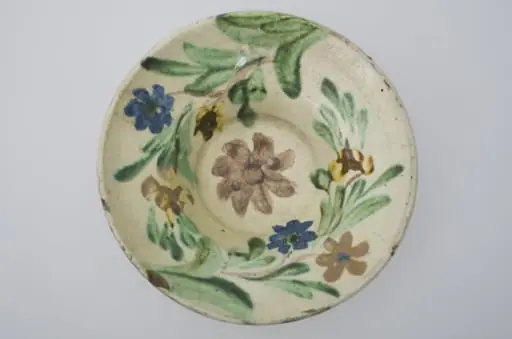 Farfurie cu marginea foarte lată și evazată, smălțuită în interior. Decor floral pe toată suprafața interioară. Cromatică: fond: alb; motive: brun; verde; galben; albastru.
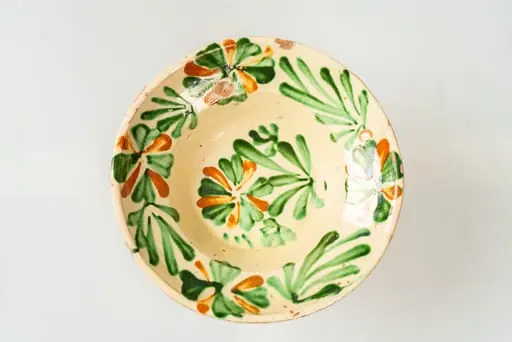 Farfurie adâncă, de formă tronconică, cu buză lată, răsfrântă. Piesa este modelată la roata olarului, fiind angobată cu humă albă (pe interiorul acesteia). Decorul este realizat prin pictare cu pensula și constă în motive decorative florale și vegetale (flori și frunze), dispuse central, pe fundul farfuriei și pe toată buza acesteia, sub formă de ghirlandă cu patru flori. Cromatica: alb, verde, maro. Farfuria este smălțuită pe interior, cu smalț transparent.