Artwork
Formă tronconică; fond cărămiziu. În centrul farfuriei este amplasat un soare stilizat cu raze de culoare maro închis și vernil, alternînd cromatic, înscris într-un altul de culoare vernil cu raze de culoare maro închis. Sub buza vasului este dispus un șir circular de triunghiuri de culoare verde si maro închis alternînd cromatic, cu vârful orientat în jos. Buza vasului decorată cu un val circular de culoare maro închis. Folosită la decorarea interiorului țărănesc în așa numita - cameră bună.
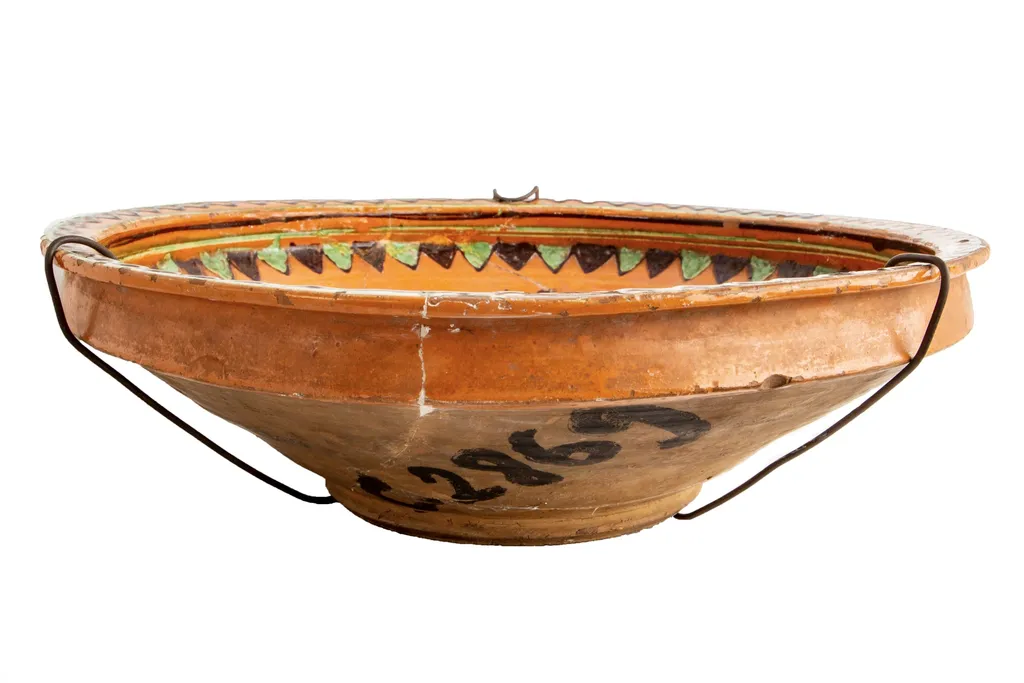
Formă tronconică; fond cărămiziu. În centrul farfuriei este amplasat un soare stilizat cu raze de culoare maro închis și vernil, alternînd cromatic, înscris într-un altul de culoare vernil cu raze de culoare maro închis. Sub buza vasului este dispus un șir circular de triunghiuri de culoare verde si maro închis alternînd cromatic, cu vârful orientat în jos. Buza vasului decorată cu un val circular de culoare maro închis. Folosită la decorarea interiorului țărănesc în așa numita - cameră bună. is a print by Unknown. It dates from 1850 and is held in the collection of the Romanian Peasant Museum.
About this work
Overview
The object is a shallow, wide clay bowl, its interior rim decorated with a circular band of small triangles alternating green and dark brown, each point directed downward. Above this band runs a wavy line in dark brown that encircles the rim. The exterior surface is largely unadorned, marked only by a few black smudges near the base.
Subject & Meaning
At the bowl’s center, a stylized sun motif appears, composed of alternating dark brown and verdigris rays set within a verdigris field edged by dark brown rays. The sun’s concentric arrangement suggests a symbolic focus on light or fertility, common in rural decorative traditions.
Technique & Style
The decorative elements are applied by hand using mineral pigments, yielding a limited palette of green, brown, and orange tones. The geometric triangles and wavy line reflect a folk aesthetic, emphasizing repetitive patterns and simple, bold forms rather than naturalistic representation.
Context
Such bowls were traditionally used in rural households for serving food in the so‑called “cameră bună,” a space designated for communal meals and hospitality. The decorative scheme aligns with vernacular Romanian pottery, where functional vessels often carried symbolic motifs.
Legacy
Objects of this type illustrate the intersection of everyday utility and decorative expression in peasant culture, offering insight into regional craft practices and the visual language of domestic rituals.
Artist & collection

 Domestic Scene
 Giacomo and Cardinal Marco, investing Andrea, Abbot of San Zeno, with his Benefice
 The Nymph of Fontainebleau
 Portrait of a Woman
 Madonna and Child with Saints in the Enclosed Garden
 Venus and Minerva
 Family Group of Four on Sofa
 Wall painting from Room H of the Villa of P. Fannius Synistor at Boscoreale
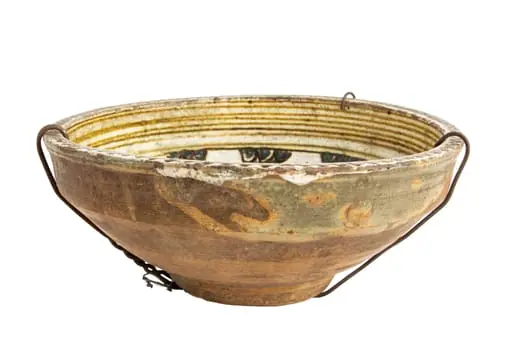 Formă tronconică; fond alb. Decorul, pictat pe fond alb și amplasat în centrul farfuriei, este reprezentat de o spirală dispusă central, de culoare maro încadrată de un soare stilizat cu șase raze. Pe peretele vasului este amplasat un soare de culoare albă cu nouă raze. Între razele soarelui sînt amplasate triunghiuri de culoare maro închis formate din alăturarea unor semicercuri. Sub buza vasului sînt amplasate mai multe cercuri concentrice de culoare maro. Buza farfuriei este decorată cu un val de culoare maro Folosită la decorarea interiorului țărănesc în așa numita - cameră bună.
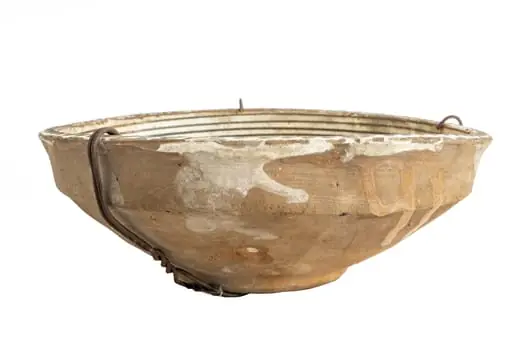 Formă tronconică; fond alb; în centrul vasului este amplasat un un cerc de culoare maro înscris în altul de culoare similară. Pe peretele vasului sînt dispuse câteva registre decorative: unul circular în care sînt plasate segmente de val de culoare verde, un altul mai lat decorat cu semicercuri cu contururi duble de culoare maro și verde, punctate la exterior; sub buza vasului în alt registru circular sînt amplasate linii vălurite de culoare cărămizie; buza vasului decorată cu un val circular de culoare maro închis. Folosită la decorarea interiorului țărănesc în așa numita - cameră bună.
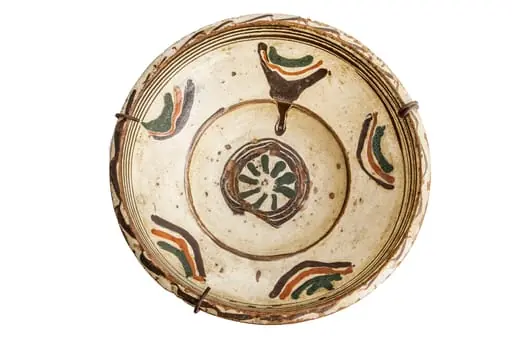 Formă tronconică; fond alb fildeșiu; pe fundul vasului dispusă central o floare cu petale de culoare verde înscrisă într-o bandă circulară formată din mai multe cercuri de culoare maro. Pereții vasului sînt decorați cu cinci grupe de semicercuri; fiecare grup format din trei semicercuri colorate în verde, maro și portocaliu neglijent realizate (în cazul unuia culoarea s-a scurs). Buza este decorată cu un val circular de culoare maro închis. Piesa reprezintă una dintre primele achiziții ale lui Alexandru Tzigara Samurcaș. Folosită la decorarea interiorului țărănesc în așa numita - cameră bună.
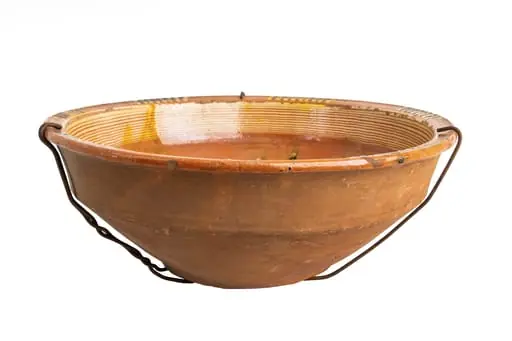 Formă tronconică; fond cărămiziu; pe fundul vasului, în centru este dispusă o serie de cercuri concentrice de culoare albă încadrate de un vrej circular cu frunze de culoare brun închis. Pe peretele farfuriei este amplasat un registru compus din cercuri concentrice de culoare albă, subțiri ,decorat cu linii verticale de culoare albă cu puncte brun închis. Pe umărul vasului sînt dispuse vrejuri semicirculare de culoare albă, respectiv galbenă cu frunze brune. Buza vasului decorată cu vrejuri similare alternînd cromatic. Folosită la decorarea interiorului țărănesc în așa numita - cameră bună.
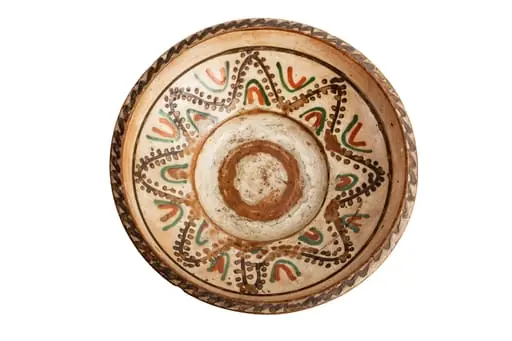 Formă tronconică; fond alb fildeșiu; pe fundul vasului, în centru este amplasată o bandă circulară de culoare cărămizie; pe umerii vasului, este reprezentată o stea cu opt raze, de culoare maro cu contururile dublate de puncte de culoare similară; între razele stelei sînt amplasate unghiuri cu contur dublu: verde și cărămiziu; întreaga compoziție este înscrisă într-un cerc. Buza vasului este decorată cu val circular de culoare brun închis. Piesa reprezintă una dintre primele achiziții ale lui Alexandru Tzigara Samurcaș. Folosită la decorarea interiorului țărănesc în așa numita - cameră bună.
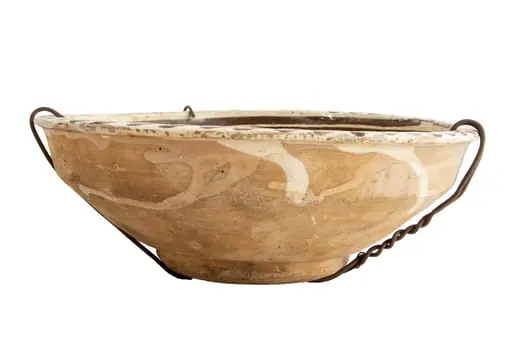 Formă tronconică; fond alb fildeșiu; pe fundul vasului este amplasată o spirală de culoare maro închis încadrată de semicercuri cu contur maro și interior de culoare verde; pe peretele vasului este amplasată o bandă circulară mai lată decorată cu motivul specific centrului: pînza de păianjen - realizată prin tehnică jirăvirii cu gaița. Întreaga compoziție este încadrată de un soare stilizat cu raze de culoare galben - portocaliu. Buza este decorată cu un val circular de culoare brună. Piesa reprezintă una dintre primele achiziții ale lui Alexandru Tzigara Samurcaș. Folosită la decorarea interiorului țărănesc în așa numita - cameră bună
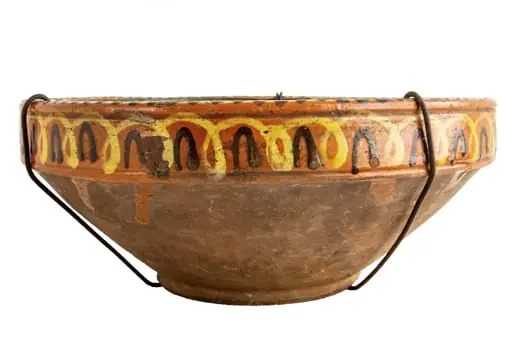 Formă tronconică; fond galben; pe fundul vasului este amplasată o bandă circulară de culoare verde închis încadrată de o altă bandă circulară decorată cu grupuri de linii paralele de culoare verde închis dispuse oblic; spațiul dintre linii ușor mai deschis la culoare. În exteriorul acestei compoziții sînt amplasate șiruri de semicercuri cărămizii cu puncte de culoare verde în interior. Pe peretele vasului este dispusă o altă bandă circulară decorată similar cu cea descrisă anterior, încadrată de un val circular de culoare cărămizie. Buza vasului decorată cu un val de culoare verde. Sub buză, pe exterior este amplasat un meandru de culoare galbenă și brun închis. Folosită la decorare interiorului țărănesc în așa numita - cameră bună.
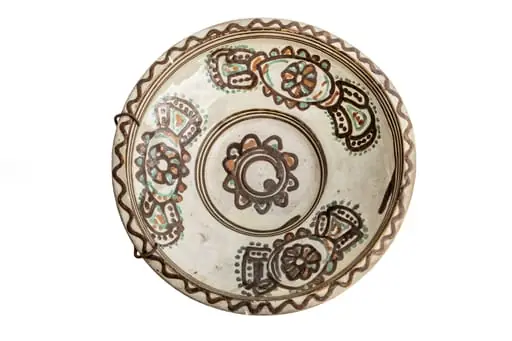 Formă tronconică; fond alb fildeșiu; pe fundul vasului este amplasată o floare stilizată cu petale cărămizii și verzi înscrisă într-o spirală de culoare maro. Pe pereții vasului sînt amplasate trei compoziții florale compuse dintr-o floare circulară cu petale cărămizii și verzi încadrată de doi boboci de floare stilizați. Buza este decorată cu un val circular de culoare maro închis. Piesa reprezintă una dintre primele achiziții ale lui Alexandru Tzigara Samurcaș. Folosită la decorarea interiorului țărănesc în așa numita - cameră bună.
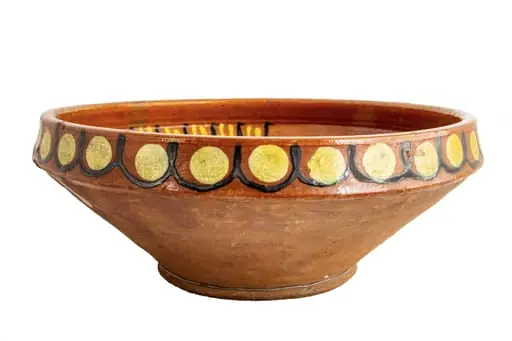 Formă tronconică; fond cărămiziu. Decorul constă într-o spirală de culoare galbenă amplasată central pe fundul vasului, o bandă circulară de culoare galbenă încadrată de două cercuri de culoare brun închis și o linie circulară în zig -zag de culoare galbenă. Pe peretele vasului sub buză sînt dispuse trei grupuri de semicercuri cu conturul exterior de culoare brun închis; cel înterior fiind de culoare galbenă. La exterior sub buză este amplasat un șir de semicercuri de culoare brun închis; fiecare semicerc are în interior un cerc de culoare galbenă. Folosită la decorarea interiorului țărănesc în așa numita - cameră bună.
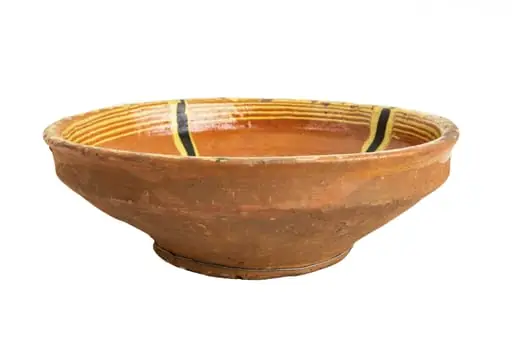 Formă tronconică; fond cărămiziu. Pe fundul vasului, în centru este amplasată o spirală de culoare galbenă încadrată de o serie de cercuri concentrice subțiri de aceeași culoare. Pe peretele vasului sînt dispuse vertical patru linii de culoare brună cu contururi galbene. Buza vasului este decorată cu un val circular de culoare galbenă.
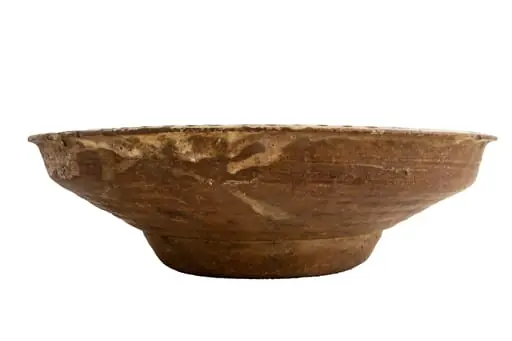 Formă tronconică; fond alb fildeșiu; pe fundul vasului este dispusă o bandă circulară de culoare cărămizie; pe umărul vasului sînt amplasate două cercuri realizate din puncte de culoare verde între care se intercalează o bandă circulară mai lată decorată cu motivul specific centrului: pînza de păianjen - realizată prin tehnică jirăvirii cu gaița. Pe pînza de păianjen sânt amplasate mici pete de culoare cărămizie. Buza este decorată cu un val circular de culoare brună. Piesa reprezintă una dintre primele achiziții ale lui Alexandru Tzigara Samurcaș. Folosită la decorarea interiorului țărănesc în așa numita - cameră bună.
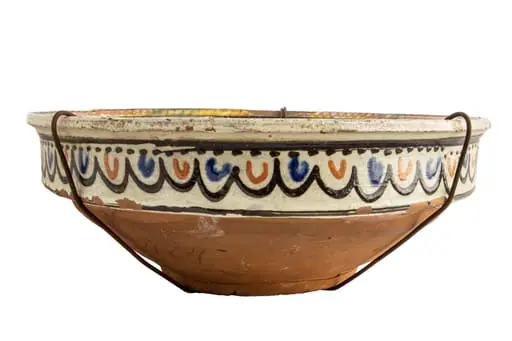 Formă tronconică; fond alb fildeșiu. Decorul este reprezentat de o stea cu opt raze colorată cu cărămiziu și albastru, dispusă pe fond alb. În vârful fiecărei raze este amplasat un semicerc maro cu dublu contur și punctat la exterior. Compoziția este încadrată de o bandă circulară de culoare cărămizie. Buza vasului decorată cu linie circulară în zig - zag de culoare cărămizie. Sub buza vasului la exterior un șir de semicercuri de culoare brun închis; fiecare semicerc are înscris în interior un altul mai mic colorat albastru sau cărămiziu alternînd cromatic. Folosită la decorarea interiorului țărănesc în așa numita - cameră bună.