Artwork
虞子君図 (Gushigimi zu)|Consort Yu
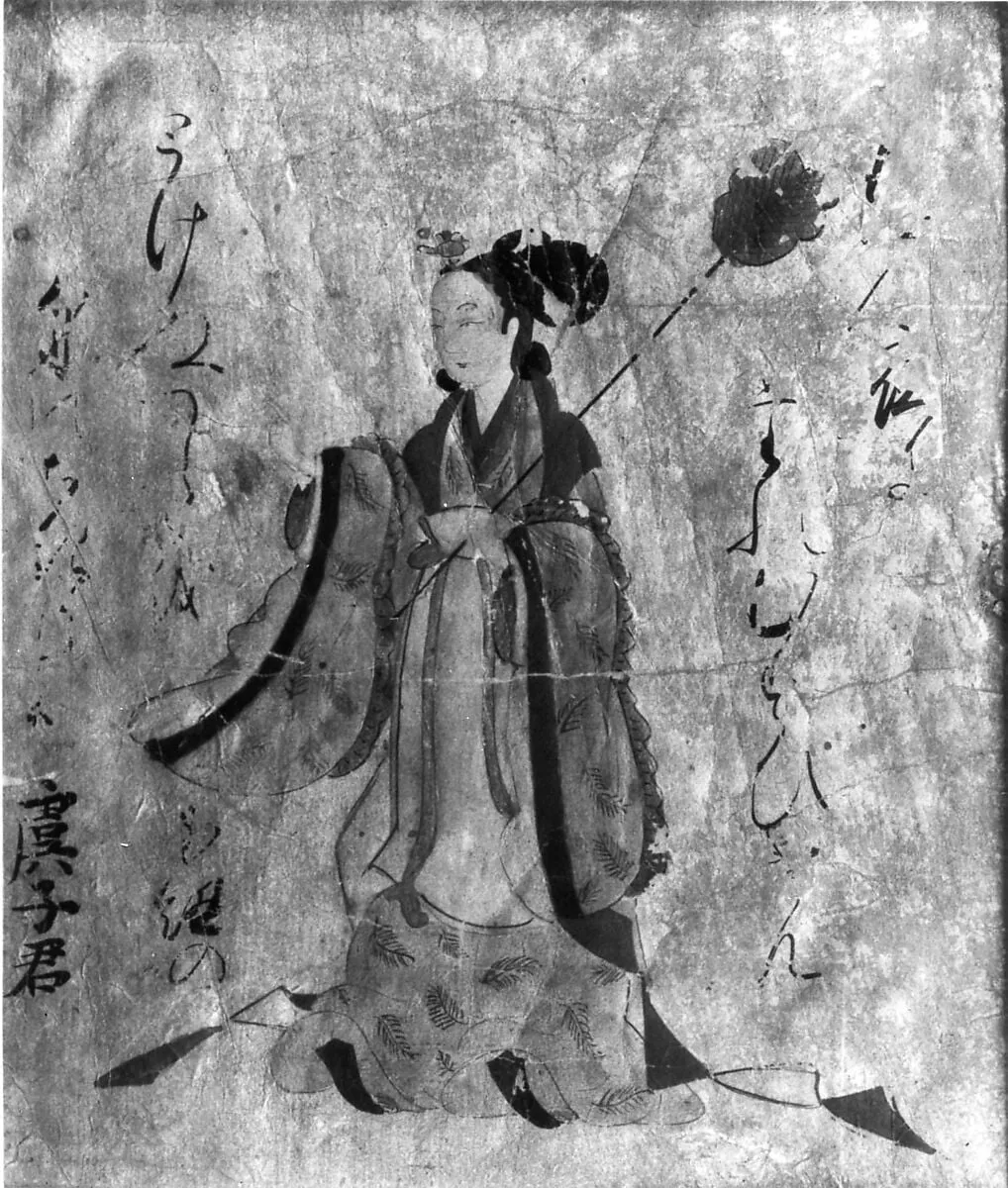
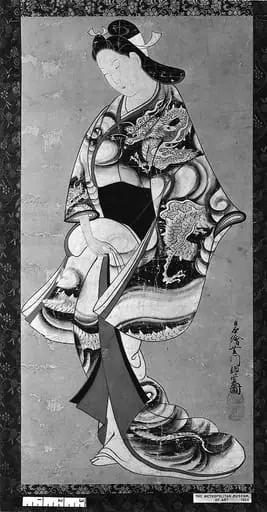
虞子君図 (Gushigimi zu)|Consort Yu is an ink painting. It dates from 1749 and is held in the collection of the Metropolitan Museum of Art. Consort Yu, rendered in ink and color on paper, presents a solitary female figure from the Edo period of Japan.
About this work
Overview
Consort Yu, rendered in ink and color on paper, presents a solitary female figure from the Edo period of Japan. The portrait depicts a woman in a long robe, holding a fan, her hair arranged in a modest updo, and her expression composed. The work exemplifies the era’s interest in portraying historic or legendary women with a calm dignity.
Subject & Meaning
The sitter is Consort Yu, a celebrated figure from Chinese legend renowned for her unwavering loyalty. By selecting this subject, the artist aligns with a broader Edo‑period trend of invoking moral exemplars from foreign histories, using her poised demeanor to convey virtues of fidelity and inner strength without overt narrative detail.
Technique & Style
Executed with delicate washes of color and fluid ink lines, the painting balances softness with precise contouring. The artist’s handling of the robe’s folds and the fan’s curvature creates a sense of gentle movement, while the restrained palette emphasizes the figure’s serenity, reflecting a synthesis of Chinese subject matter with Japanese aesthetic restraint.
History & Provenance
Created during Japan’s Edo era, a time when the ukiyo‑e tradition expanded to include historical portraiture, the work likely circulated among collectors interested in Sino‑Japanese cultural exchange. Its survival on paper suggests careful preservation, though specific ownership records remain undocumented, typical of many works of this genre.
Artist & collection