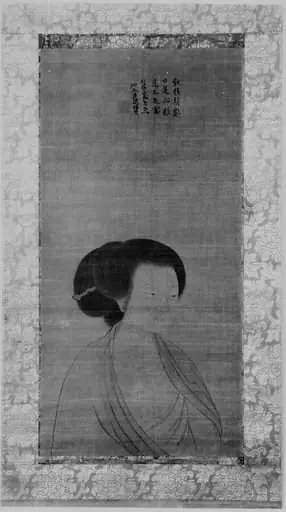
Artwork
Untitled
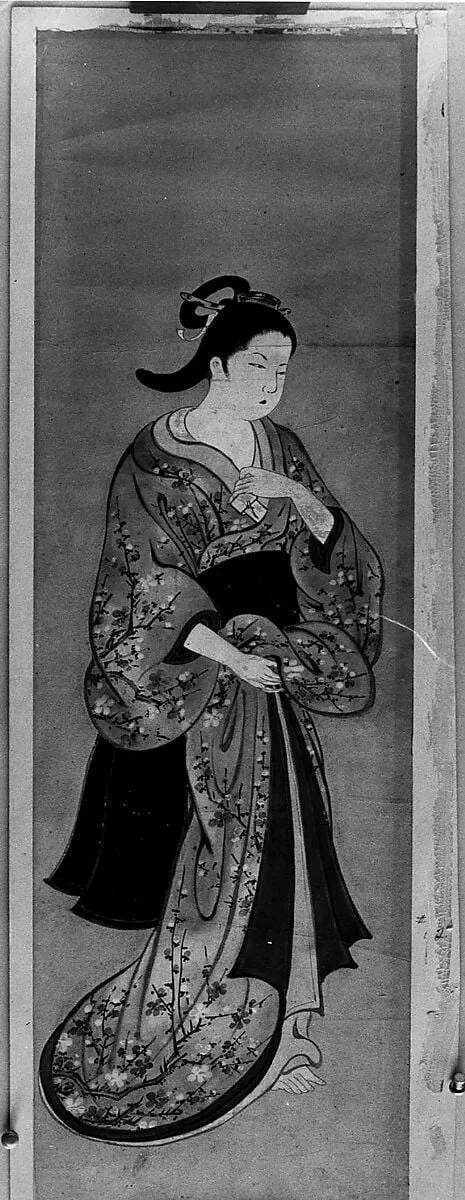
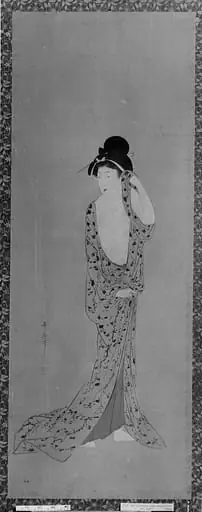
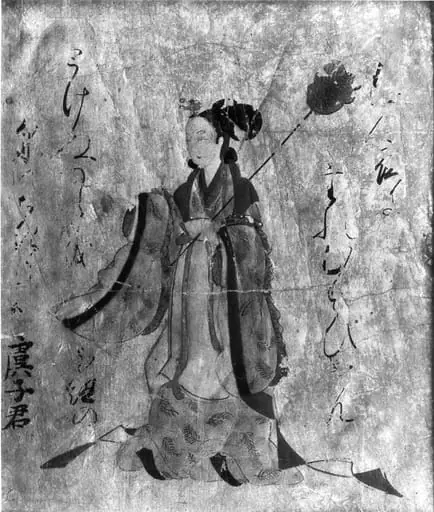
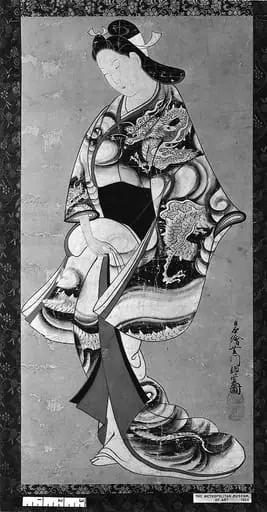
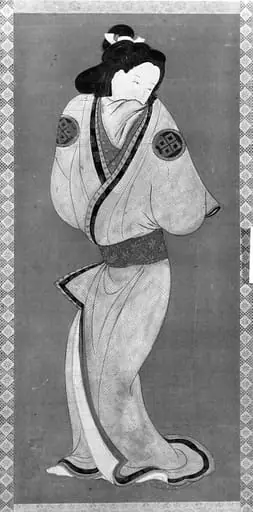
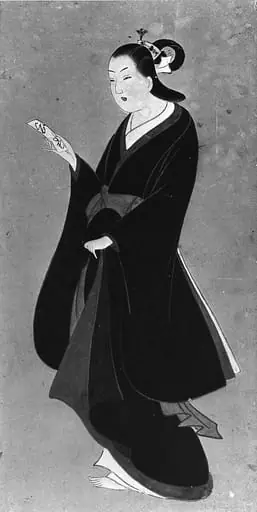
Untitled is an ink painting. It dates from 1799 and is held in the collection of the Metropolitan Museum of Art.
About this work
Overview
The work belongs to the broader tradition of night‑time scenes in East Asian painting, where the interplay of light and shadow creates a contemplative mood.
This hanging scroll, rendered in ink and color on paper, depicts a solitary woman in a long robe standing on a veranda illuminated by moonlight. The composition is viewed from behind, emphasizing the figure’s posture and the atmospheric setting rather than facial expression. The work belongs to the broader tradition of night‑time scenes in East Asian painting, where the interplay of light and shadow creates a contemplative mood.
Subject & Meaning
The central figure, a woman cloaked in a flowing robe, occupies the threshold between interior and exterior space, suggesting a moment of quiet reflection. The moon’s soft glow, filtered through a delicate ink wash, casts a gentle light on the scene, evoking themes of solitude, transience, and the serene beauty of nighttime.
Technique & Style
Executed without a preparatory drawing, the robe’s folds are rendered in swift, assured brushstrokes that capture the fabric’s movement in a single gesture. The moonlight is suggested through a thin, translucent ink wash, resembling watercolor, which allows the underlying paper to shine through and convey a luminous atmosphere. This direct approach highlights the artist’s confidence and mastery of ink handling.
History & Provenance
The scroll is an untitled work, typical of hanging scrolls used for private contemplation in East Asian art collections. While specific details of its creation and ownership remain undocumented, its format and materials align with traditional practices of the genre, indicating it was likely produced for personal or scholarly enjoyment rather than public display.
Context
Night scenes featuring solitary figures were a recurring motif in the region’s artistic canon, often used to explore the relationship between humanity and the natural world. The veranda setting situates the figure within a liminal space, bridging domestic interiority and the expansive night sky, a common visual metaphor for contemplation and inner thought.
Artist & collection