Artwork
Guy Little Theatrical Photograph
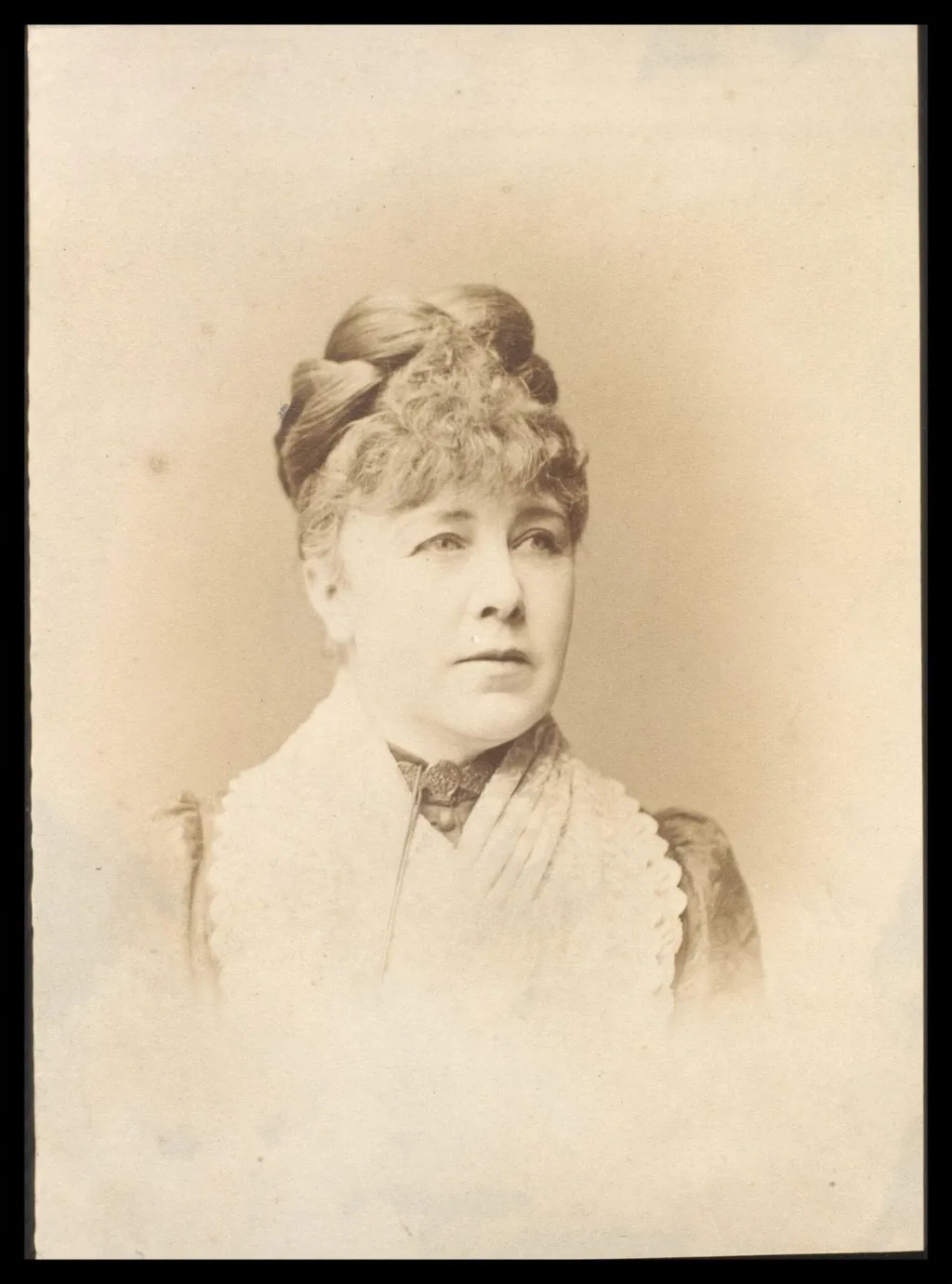
Guy Little Theatrical Photograph is a photographic photography by the Impressionist artist Unknown. It dates from 1856 and is held in the collection of the Victoria and Albert Museum.
About this work
Overview
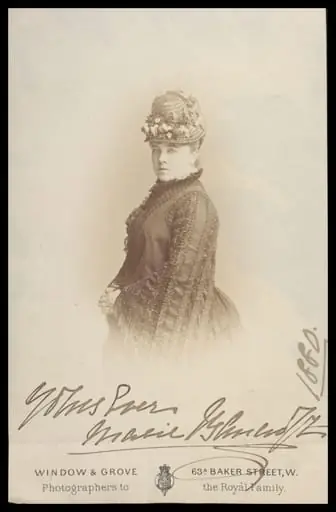
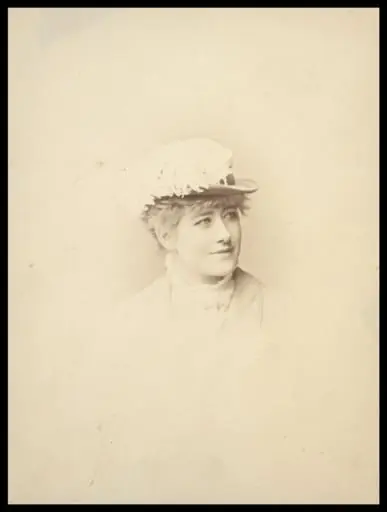
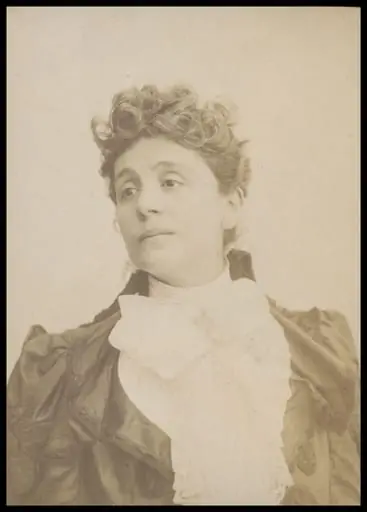
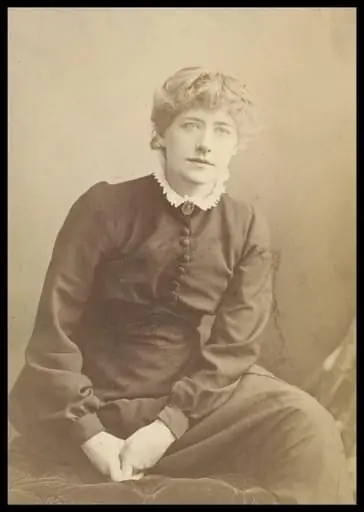
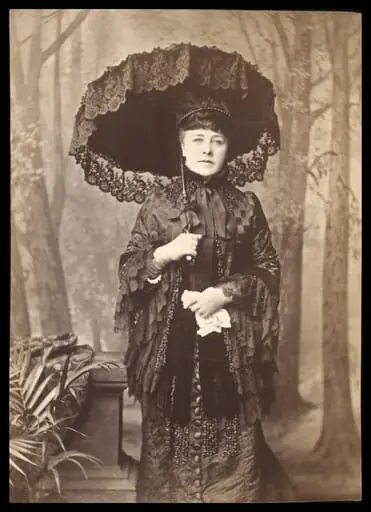
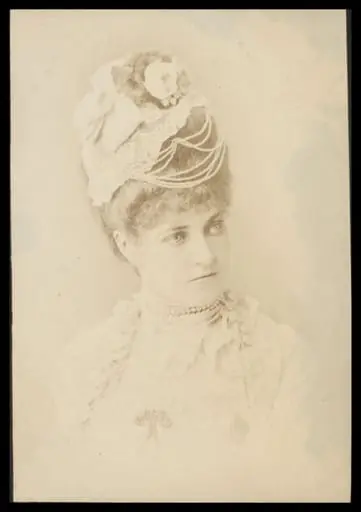
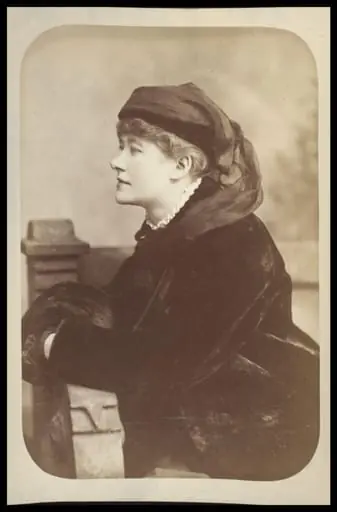
This photograph of actress Marie Wilton is an albumen print mounted on card, typical of the carte de visite format popular in mid-to-late Victorian Britain.
This photograph of actress Marie Wilton is an albumen print mounted on card, typical of the carte de visite format popular in mid-to-late Victorian Britain. Produced from a glass negative, it was part of a private collection assembled by Guy Tristram Little, a solicitor and avid collector of photographic memorabilia. His bequest to the V&A included hundreds of such images, forming a significant archive of 19th-century theatrical portraiture.
Subject & Meaning
Marie Wilton, a prominent stage actress of the era, is depicted in theatrical costume, reflecting her professional identity. These portraits served not only as personal mementos but also as public advertisements, allowing audiences to connect with performers beyond the stage. The formal pose and staged setting reinforced the actor’s status, transforming the carte de visite into a cultural artifact of Victorian celebrity culture.
Technique & Style
The image was made using the albumen printing process, which involved coating paper with egg white and salt, then sensitizing it with silver nitrate. Glass negatives provided sharp detail, while the small format—roughly 2.5 by 4 inches—made the prints portable and affordable. The card backing, printed with the photographer’s name, lent authority and was standard practice for commercial studios of the time.
History & Provenance
The photograph was originally part of a larger collection assembled by Guy Tristram Little, who removed the prints from their original mounts and reorganized them into albums. Little, a partner in a London law firm, was also the executor of Gabrielle Enthoven’s estate, whose extensive theatrical holdings became the foundation of the V&A’s Theatre Collections. His donation preserved a rare, curated record of Victorian performance culture.
Context
Cartes de visite emerged in the 1860s as a mass-produced format, fueled by advances in photography and rising middle-class interest in personal imagery. They were collected like trading cards, exchanged among friends, and displayed in albums. By the 1870s, larger cabinet cards replaced them, and by the 1890s, postcards and more informal portraits gained favor, marking a shift in how people engaged with photographic imagery.
Legacy
Little’s collection, now held by the V&A, offers insight into the social rituals of Victorian visual culture. These photographs document not only individual performers but also the mechanisms of fame, commerce, and memory in an era before film and mass media. The archive remains a vital resource for scholars studying the intersection of theater, photography, and public identity in the 19th century.
Artist & collection

 Domestic Scene
 Giacomo and Cardinal Marco, investing Andrea, Abbot of San Zeno, with his Benefice
 The Nymph of Fontainebleau
 Portrait of a Woman
 Madonna and Child with Saints in the Enclosed Garden
 Venus and Minerva
 Family Group of Four on Sofa
 Wall painting from Room H of the Villa of P. Fannius Synistor at Boscoreale
 Guy Little Theatrical Photograph
 Guy Little Theatrical Photograph
 Guy Little Theatrical Photographs
 Guy Little Theatrical Photograph
 Guy Little Theatrical Photographs
 Guy Little Theatrical Photograph
 Guy Little Theatrical Photographs
 Guy Little Theatrical Photograph
 Guy Little Theatrical Photograph
 Guy Little Theatrical Photographs