Artwork
H Beard Print Collection
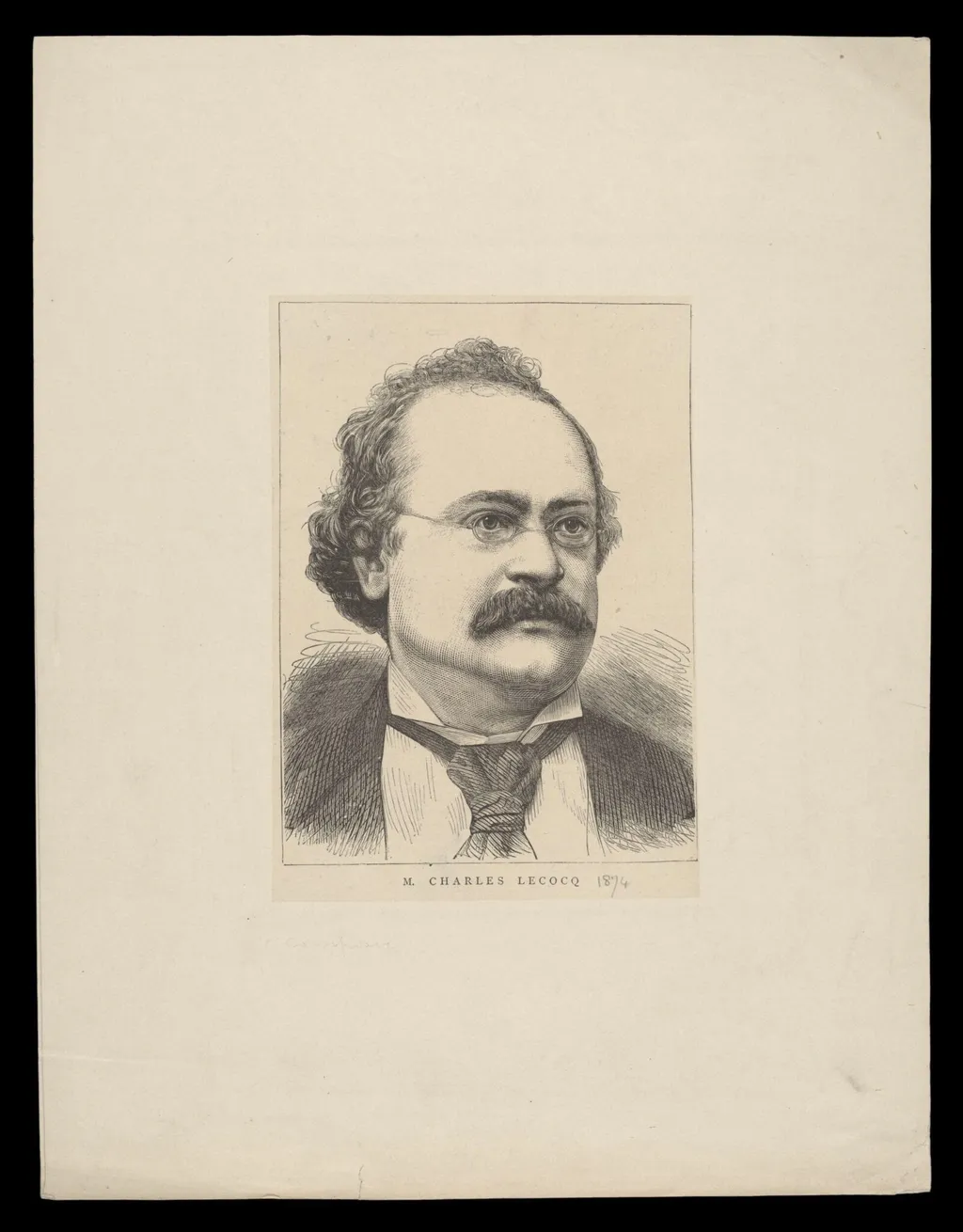
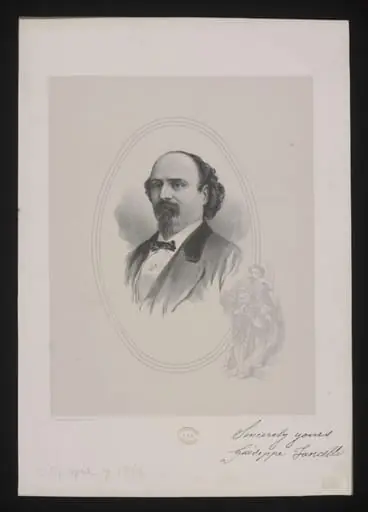
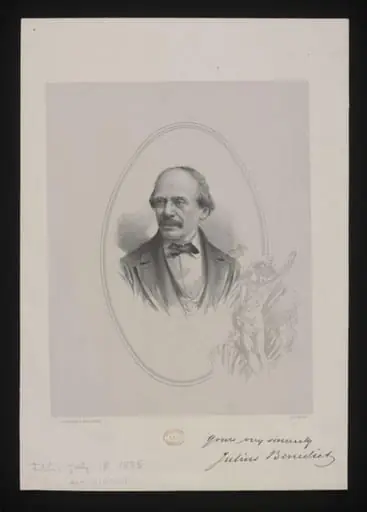
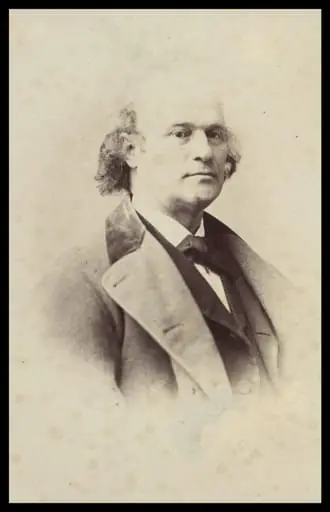
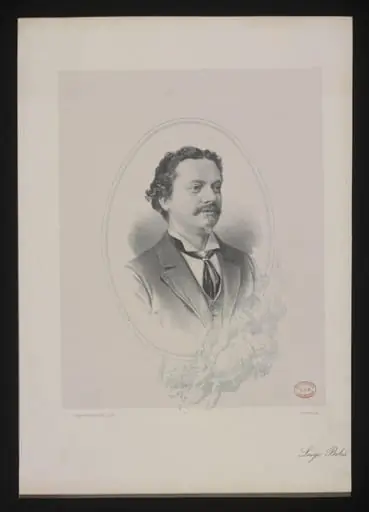
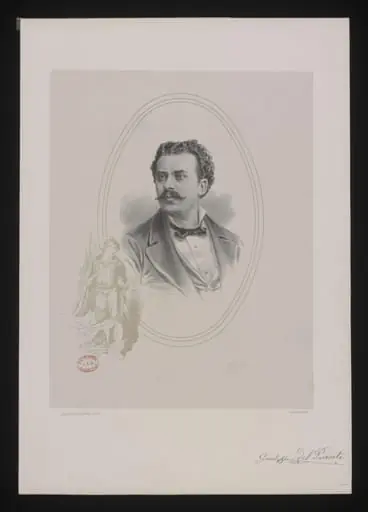
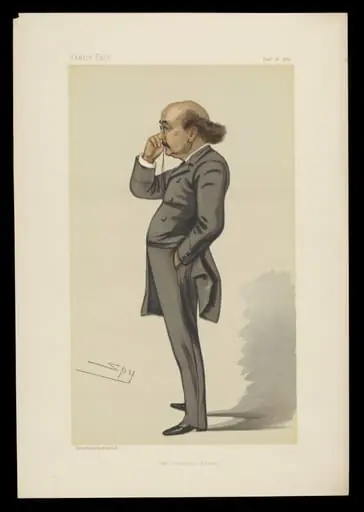
H Beard Print Collection is a print by the Impressionist artist Unknown. It dates from 1874 and is held in the collection of the Victoria and Albert Museum. This print, dated 1874, portrays Charles Lecocq, a French composer known for his operettas.
About this work
The print has a nice level of detail, which was likely achieved through a careful process.
This print shows a man, likely Charles Lecocq.
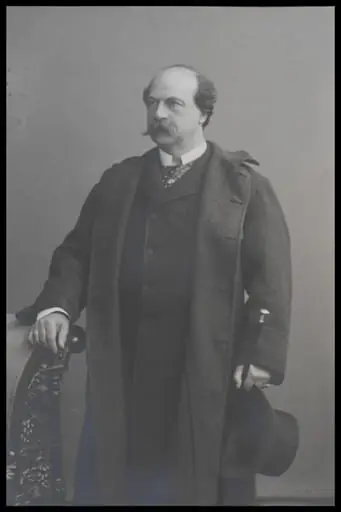
He's dressed formally, with a top hat and coat.
The details in the print are quite fine, suggesting it was made with care, and the subject is someone important, as provenance notes suggest he's Charles Lecocq, a figure from 1874.
The print has a nice level of detail, which was likely achieved through a careful process.
This level of detail suggests the artist had a good understanding of their craft.
You can learn more about this kind of printmaking by looking into the technique: sfumato.
Overview
This print, dated 1874, portrays Charles Lecocq, a French composer known for his operettas. Rendered in fine detail, the image captures him in formal attire, including a top hat and tailored coat. The precision of the lines and shading suggests a skilled printmaking technique, likely engraving or etching, rather than a mass-produced illustration. The work reflects the era’s practice of commemorating cultural figures through portraiture.
Subject & Meaning
Charles Lecocq was a prominent figure in 19th-century French light opera, and this portrait serves as a visual record of his public persona. His dignified pose and attire signal his status as a respected artist. The image does not depict a specific moment but instead conveys authority and refinement, aligning with the cultural value placed on composers as intellectual figures during the period.
Technique & Style
The print exhibits meticulous line work and subtle tonal gradations, indicating an intaglio method such as etching or engraving. Unlike sfumato—a painting technique involving soft blending of tones—this work relies on controlled incised lines to build form and texture. The clarity and precision reflect the artisanal standards of 19th-century printmaking, where detail was both technical and symbolic of the subject’s importance.
History & Provenance
The print originates from the H. Beard Print Collection, a 19th-century archive focused on theatrical and musical personalities. Its inclusion in this collection confirms Lecocq’s relevance in contemporary cultural circles. While the original artist is unattributed, the print’s survival and cataloging suggest it was produced for distribution among music enthusiasts or as promotional material for Lecocq’s performances.
Context
In 1874, Paris was a hub for operetta, with Lecocq’s works rivaling those of Offenbach. Portraits like this were commonly circulated in periodicals and theater programs to build public recognition. The formal presentation of Lecocq aligns with broader trends in visual culture that elevated composers to the status of literary or academic figures, distancing them from the more frivolous associations of popular entertainment.
Legacy
This print endures as a documentary artifact of Lecocq’s public image during his peak years. Though his operettas are less performed today, such portraits preserve the visual language of 19th-century musical celebrity. The work contributes to historical understanding of how artists were represented in print media, offering insight into the intersection of music, portraiture, and print culture in Victorian-era Europe.
Artist & collection

 Domestic Scene
 Giacomo and Cardinal Marco, investing Andrea, Abbot of San Zeno, with his Benefice
 The Nymph of Fontainebleau
 Portrait of a Woman
 Madonna and Child with Saints in the Enclosed Garden
 Venus and Minerva
 Family Group of Four on Sofa
 Wall painting from Room H of the Villa of P. Fannius Synistor at Boscoreale