Artwork
Henry Majendie (1754-1830), Bishop of Bangor and Chester
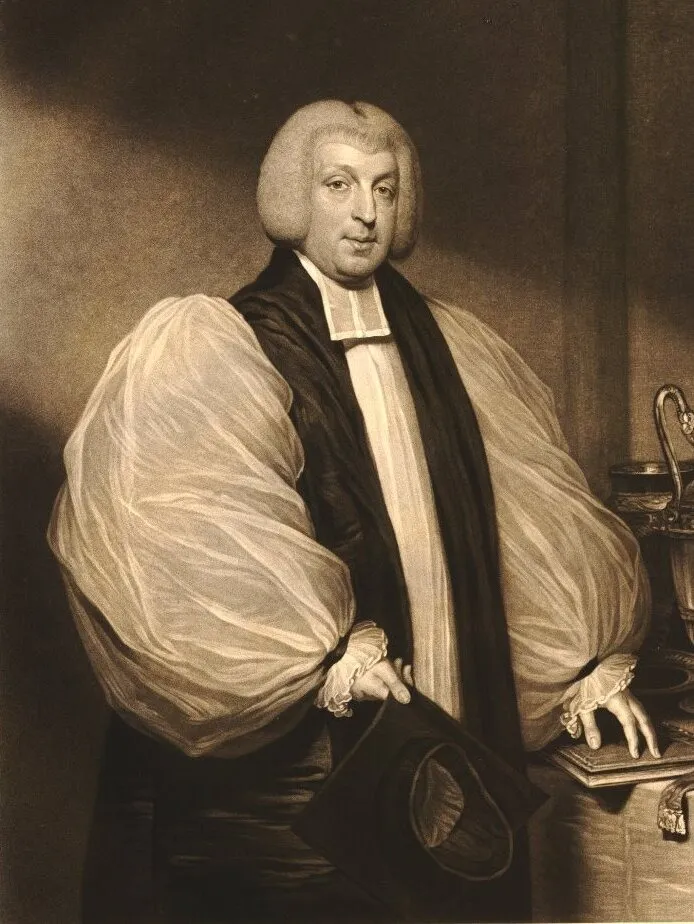
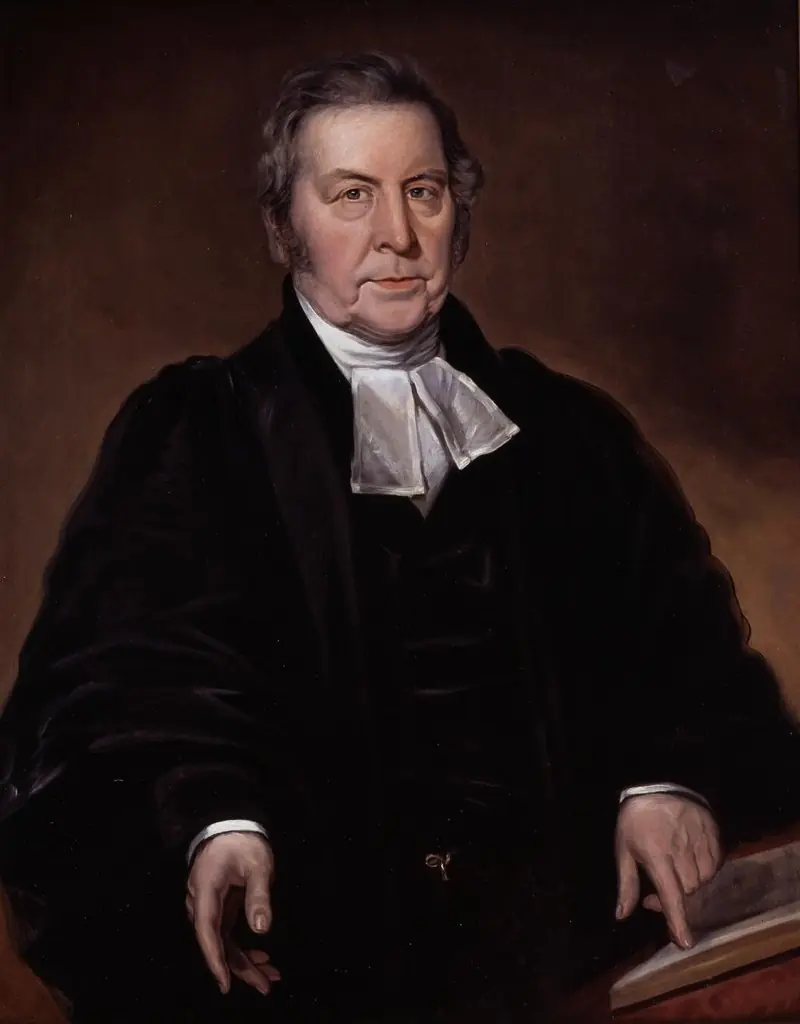
Henry Majendie (1754-1830), Bishop of Bangor and Chester is an unspecified painting by the British Romanticist artist Unknown. It dates from 1823 and is held in the collection of the British Museum. This portrait captures Henry Majendie, Bishop of Bangor and later Chester, in formal ecclesiastical dress.
About this work
Overview
Lighting models his features and garments with subtle contrast, reinforcing the gravity of his position without embellishment.
This portrait captures Henry Majendie, Bishop of Bangor and later Chester, in formal ecclesiastical dress. He stands beside a table, one hand resting upon it, facing the viewer with a composed, unsmiling gaze. The muted brown background isolates him, emphasizing his presence. Lighting models his features and garments with subtle contrast, reinforcing the gravity of his position without embellishment.
Subject & Meaning
Majendie is portrayed not as a figure of ceremony but as a man of duty. His direct gaze and restrained posture convey authority tempered by solemn responsibility. The book and ornate object on the table suggest scholarly and liturgical roles, reinforcing his identity as a church leader. The absence of symbolic grandeur shifts focus to personal bearing rather than institutional power.
Technique & Style
The artist employs chiaroscuro to define form with quiet precision—light falls gently on the bishop’s face and hands, while shadows soften the folds of his robe and wig. Brushwork is controlled, avoiding flourish; textures are rendered through tone rather than detail. The composition is frontal and balanced, prioritizing psychological presence over narrative context.
History & Provenance
Painted during Majendie’s tenure as bishop, the work likely served as an official portrait, possibly commissioned by the diocese or a close associate. Its survival suggests it remained within ecclesiastical circles, possibly displayed in a cathedral or bishop’s residence. No record of early public exhibition exists, indicating its original function was private or institutional.
Context
In late 18th-century Britain, clerical portraiture emphasized dignity over individuality. Majendie’s attire—wig, vest, and black robe—follows established conventions for Anglican bishops, reflecting both religious hierarchy and Georgian aesthetic norms. The restrained setting aligns with Protestant ideals of modesty, contrasting with the opulence common in Catholic or aristocratic portraits of the era.
Legacy
The portrait endures as a representative example of ecclesiastical portraiture from the period, valued for its understated realism. It offers insight into how religious authority was visually constructed in post-Reformation England. Though not widely reproduced, it remains a key document for understanding the visual culture of the Anglican clergy in the early 19th century.
Artist & collection

 Domestic Scene
 Giacomo and Cardinal Marco, investing Andrea, Abbot of San Zeno, with his Benefice
 The Nymph of Fontainebleau
 Portrait of a Woman
 Madonna and Child with Saints in the Enclosed Garden
 Venus and Minerva
 Family Group of Four on Sofa
 Wall painting from Room H of the Villa of P. Fannius Synistor at Boscoreale