Artwork
Icoana reprezintă Sfânta Treime - Sfânta Troiță. Dumnezeu-Tatăl, Dumnezeu-Fiul sunt înveșmântați în veșminte roșii vermillon și verzi închise. Dumnezeu-Tatăl și Dumnezeu-Fiul sunt dimpreună cu Sfântul Duh, reprezentat prin porumbelul pogorât prin mănunchiul de raze solare. În registrul îndepărtat superior este cerul albastru, Dumnezeu-Fiul ține pe brațul drept Crucea, iar Dumnezeu-Tatăl are globul pământesc pe genunchi. Fondul icoanei este cerul bleu-ciel în registrul superior. În registrul inferior sunt mandorle de nouri cenușii. Cromatica este armonioasă, vie și luminoasă: roșu vermillon, ocru, bej, albastru cobalt și bleu-ciel, gri, brun-maro, alb, negru. Icoana este de Gherla. Inscripția din româno-chirilică se traduce Treime.
Icoana reprezintă Sfânta Treime - Sfânta Troiță. Dumnezeu-Tatăl, Dumnezeu-Fiul sunt înveșmântați în veșminte roșii vermillon și verzi închise. Dumnezeu-Tatăl și Dumnezeu-Fiul sunt dimpreună cu Sfântul Duh, reprezentat prin porumbelul pogorât prin mănunchiul de raze solare. În registrul îndepărtat superior este cerul albastru, Dumnezeu-Fiul ține pe brațul drept Crucea, iar Dumnezeu-Tatăl are globul pământesc pe genunchi. Fondul icoanei este cerul bleu-ciel în registrul superior. În registrul inferior sunt mandorle de nouri cenușii. Cromatica este armonioasă, vie și luminoasă: roșu vermillon, ocru, bej, albastru cobalt și bleu-ciel, gri, brun-maro, alb, negru. Icoana este de Gherla. Inscripția din româno-chirilică se traduce Treime. is a drawing by Unknown. It dates from 1850 and is held in the collection of the ASTRA National Museum Complex. The artwork represents the Holy Trinity (Sfânta Troiță), depicting God the Father, God the Son, and the Holy Spirit.
About this work
The Museum of Ethnography holds this piece, which hints at its cultural or historical importance.
This is a plain wooden panel with a faded label marked "2561-0C." The wood looks old and weathered, with visible nail holes and a rough, uneven surface. There’s no paint or image—just the bare wood, showing signs of age and wear.
The label suggests this might once have held a religious painting, possibly an icon. The Museum of Ethnography holds this piece, which hints at its cultural or historical importance.
Check out the Museum of Ethnography to see what other objects they preserve.
Overview
The artwork represents the Holy Trinity (Sfânta Troiță), depicting God the Father, God the Son, and the Holy Spirit. Executed on a wooden panel, the icon's original image has faded, leaving only the bare, weathered wood with a label '2561-0C'. It is part of the collection at the Museum of Ethnography.
Subject & Meaning
The subject is the Holy Trinity. God the Father and God the Son are clad in vermilion red and dark green robes. The Holy Spirit is symbolized by a dove descending through sun rays. The Son holds the Cross, while the Father rests the earthly globe on his knee, set against a blue celestial background.
Technique & Style
Originally, the icon featured a vibrant, harmonious color palette (vermilion, ochre, beige, cobalt blue, etc.). The current state reveals a plain, aged wooden panel with visible wear, nail holes, and an uneven surface, indicating its age and former use.
History & Provenance
The icon is attributed to Gherla. Its provenance includes a label '2561-0C' and its current preservation at the Museum of Ethnography, suggesting historical or cultural significance. The original image's degradation over time has left the wooden substrate as the primary remaining artifact.
Context
As an item in the Museum of Ethnography, the piece is valued for its cultural or historical importance, potentially reflecting religious practices or artisanal traditions of its time and origin, despite the loss of its pictorial elements.
Legacy
The legacy of this artwork lies more in its historical and cultural preservation than in its current visual state. It serves as a record of religious iconography and possibly the craftsmanship of Gherla, even without the original image.
Artist & collection

 Domestic Scene
 Giacomo and Cardinal Marco, investing Andrea, Abbot of San Zeno, with his Benefice
 The Nymph of Fontainebleau
 Portrait of a Woman
 Madonna and Child with Saints in the Enclosed Garden
 Venus and Minerva
 Family Group of Four on Sofa
 Wall painting from Room H of the Villa of P. Fannius Synistor at Boscoreale
 Sfânta Mare Cuvioasă Parascheva de la Iași are crucea și ramura de finic în mâna dreaptă. Este îmbrăcată în veșmânt roșu vermillon, cu interiorul căptușit cu negru și griuri. Peste maforionul roșu, sfânta cuvioasă are aureolă. Fondul icoanei este cerul întunecat. Este o icoană cu aer cald, tomnatic, de octombrie 14, Praznicul Sfintei Cuvioase Parascheva. Inscripția din româno-chirilică, de pe fondul întunecat al icoanei, se traduce Sfânta Parascheva. Are mâna stângă deschisă înspre privirea noastră, transmițând energia harică, mâna fiind în legătură cu ramura de finic, în formă de flacără. Icoana este foarte frumos realizată artistic și estetic, finețea nuanțelor cromatice și expresivitatea sfintei cuvioase remarcându-se într-un mod deosebit. Cromatica: roșu vermillon, brun-cafeniu, negru, ocru, gri, alb. Întreaga compoziție iconografică este încadrată de o ramă roșie-vermillon, portocalie, reliefată din aceeași bucată de lemn.
 În centrul icoanei este Crucea roșie-vermillon, cu capetele brațelor împodobite verde-trilobat, pe care este Răstignit Mântuitorul Iisus Hristos, iar în dreapta crucii este Sfântul Împărat Constantin și în stânga este Împărăteasa Elena, mama sa. Sub Cruce este un spațiu galben izvorâtor de lumină. Crucea găsită este susținută cu bucurie de cei doi sfinți. Veșmintele Sfinților Constantin și Elena sunt într-o combinație de roșu vermillon și albastru cobalt. Spațiul galben de lumină duce cu gândul la Crucea de lumină apărută pe cer In hoc signo vinces - prin acest semn vei învinge. Fondul icoanei este cerul albastru bleu-ciel. Întreaga compoziție este încadrată armonios de un chenar fitomorf, format din rujele de Nicula, 6 trandafiri mari roșii cu motivul zăluței albe în interior. Cromatica este armonioasă și senină: roșu vermillon, galben-chihlimbar, albastru cobalt și bleu-ciel, verde brad, de China, alb, negru. Icoana este de Nicula. De menționat este că în icoană este Mântuitorul Iisus Hristos Răstignit pe Crucea, susținută de Sfinții Constantin și Elena. În această compoziție fiind, icoana este considerată mai rară prin tematica abordată, de obicei lângă Mântuitorul Răstignit sunt Maica Domnului și Sfântul Apostol și Evanghelist Ioan Teologul. Inscripția din româno-chirilică se traduce Restignirea.
 Icoana îi prezintă pe Mântuitorul Iisus Hristos și pe ucenicii, viitorii apostoli. Este Duminica Tomii, Venirea Domnului prin ușile încuiate, după Învierea cea de-a treia zi. Toma pipăie rana din coastă și urmele piroanelor, devenind din necredincios, credincios. Este pictată de Simion Zugrav din Laz. Este datată 1837. Chipurile sunt desenate fin, trăsăturile fiind expresive. Elementele arhitectonice, coloane și arcadele sun redate în detaliu, iar roșul vermillon al lor s-a păstrat în imaginea deteriorată. Cromatica este armonioasă: gri, bej, bronziu, roșu vermillon. Întreaga tematică iconografică este încadrată de un chenar decorativ fitomorf.
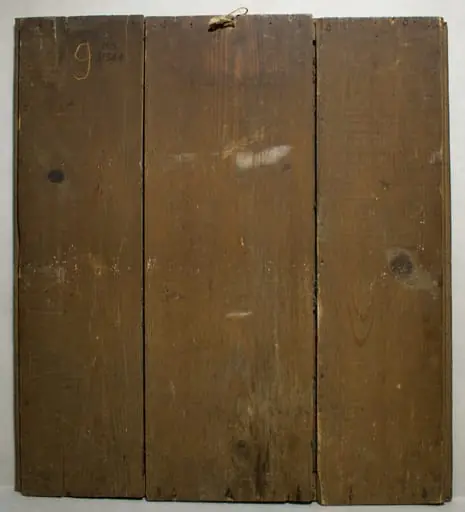 Zugrăvița a combinat cu inocență două teme iconografice (cea a Bunei Vestiri cu cea a Botezului), fenomen frecvent în icoanele Anei Deji.În prim plan, în picioare, un sfânt cu o ramură verde în mâna dreaptă înălțată binecuvintează un înger. Sfântul tânăr, cu părul lung, negru, barbă scută, mustăți. După poziție și trăsături ar putea fi asimilat Sf. Ioan din scena Botezului. Poartă un chiton roșu, asemănător blănii de cămilă și un himation verde.În jurul capului are o aureolă cu limbi de foc asemănător acelora din Pogorârea Sfântului Duh. Îngerul privește către sfânt, ținînd pe brațul stâng un ștergar cu vrâste verzi și roșii, iarăși asemănare cu scena Botezului. Îngerul are trăsături feminine, ochii mari, negri, aripi strânse, tunică roșie cu poale cafenii.Nu poate fi vorba de Botez deoarece lipsește Isus dintre cele două personaje iar decorul arhitectural din planul doi(o construcție cu mai multe caturi, cu intrări largi, cu portal semicircular, 4 ferestre la ultimul cat și acoperiș rotund de olane) nu se regăsește în scena Botezului. De sus coboară sfântul Duh, sub formă de porumbel roșu cu aripi cafenii, pe un fond verde într-un oval de nori alburii marcați cu linii roșii. În partea de jos,relief ușor vălurit, realizat din benzi late cu margini ondulate de culoare verde, roșie și cafenie.Restul câmpului- albastru ultramarin, decorat cu steluțe albe și roșii. Pe trei laturi este pictat un chenar din semicercuri suprapuse, primul cu roșu alternînd cu verde, al doilea ocru. Icoana ar putea fi asimilată Buneivestiri, dar în acest caz în locul sfântului ar trebui să fie un înger iar în locul îngerului Fecioara Maria. Rama este alcătuită din patru șipci drepte, îmbinate oblic la colțuri. Dosul este realizat din scândurele subțiri de brad, dispuse vertical și fixate în cuie.
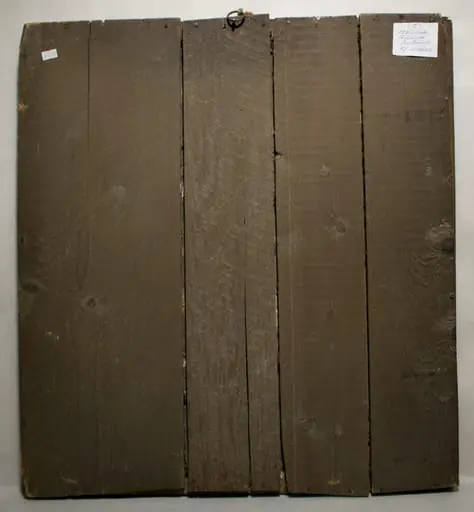 Icoana este pictată pe dosul unei bucăți de sticlă de formă dreptunghiulară în ax vertical. Sfântul mare Ierarh Nicoale, 3/4, în veșminte de arhierești, redat frontal, cu mitră înaltă, bipartită pe cap, ține Evanghelia în stângă iar cu mâna dreaptă binecuvintează.Barba căruntă, ondulată, scurtă, părul lung, negru, lăsat pe umeri. Ochii, negri, înguști, asimetrici, gura roșie.În jurul capului aureolă galbenă cu motiv fitomorf. Înveșmântat cu un sacos roșu cu linii de fald albe, galon aurit decorat cu motiv fitomorf, stihar alb cu albastru și linii de fald albe, roșii, bleu. Epitrahilul, veșmântul liturgic cel mai important este verde, lung, chenar auriu punctat pe margini, steluțe negre. Relieful - succesiune de benzi late de culoare roșie, bleumarin și verde, brăzdate de linii subțiri, roșii și albe. Sfântul este încadrat de un portal semicircular, cu marginea ondulată, fond bleumarin, jos elemente arhitecturale schematizate. Lateral și superior un chenar dublu din semicercuri în culori alternante roșu, ocru, verde, bleumarin. Restul câmpului este de culoare verde deschis cu elemente fitomorfe. Desenul este îngrijit, dar prezintă asimetrii, stângăcii, disproporții. Paleta cromatică bogată, culorile intense. Țăranii îl țineau pe sfântul Nicolae "aducător de noroc, apărător de boli, apărător de vărsat și de lovituri" Rama îngustă, realizată din patru șipci îmbinate oblic, decorată cu un motiv vălurit, dispus longitudinal. Dos-scânduri de brad, dispuse vertical și fixate în cuie metalice.
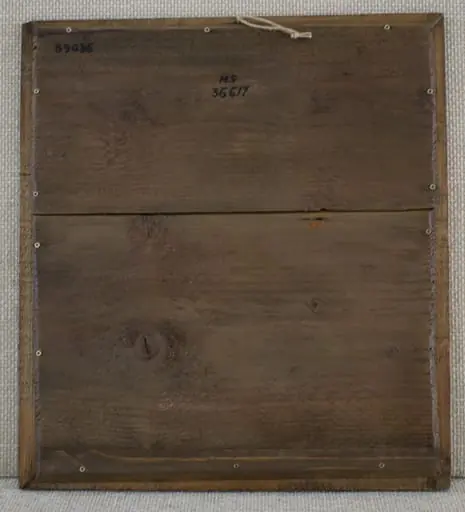 Icoana este pictată "în oglindă", pe suport de sticlă de formă dreptunghiulară în ax vertical. Sfânta Cuvioasă Paraschiva(care se prăznuiește pe 14 octombrie) este redată așezată pe tron, cu coroană împărătească pe cap. Plasată central, cu doi îngeri în spatele tronului, sfânta este înveșmântată cu un maforion roșu cu intadosul albastru și galon galben. Cămașă multicoloră, albastru, verde, roșu, galben, cafeniu, la mijloc cu o cingătoare galbenă) Pe cap poartă o coroană mare, deschisă. În mâna dreaptă ține o cruce, iar cu stânga binecuvintează cu un gest stângaci.Chipul este ușor diform, arcadele ochilor umbrite, nasul mare, bărbia accentuată, ochii înguști, asimetrici. Tronul, de factură barocă, are spătarul în formă de aripă, cu brațele masive, cu un chenar îngust, aurit, cu volute în partea de jos și câte o cruce pe laturile de sus. Sfânta este așezată pe o pernuță lungă. În spatele tronului doi îngeri cu chipuri copilărești, veșminte lungi, nimburi aurite. os este completată cu linii orizontale pe fond bej. Câmpul este albastru(1/2 superior) cu inscripția cu negru, 1/3 inferior - cafeniu deschis, benzi orizontale. Desen încărcat, paleta cromatică petriță, culorile intense. Stratul pictural este exfoliat pe unele locuri. Rama închisă la culoare, este realizată din lemn de brad, profilată pe o porțiune mică la interior, Porțiunea mai lată este decorată cu "pieptenele", transversal. Dosul este realizat din scânduri subțiri de brad, dispuse orizonal și fixate în cuie. Țăranii considerau că sfânta Paraschiva apără de grindină și de dureri de cap.
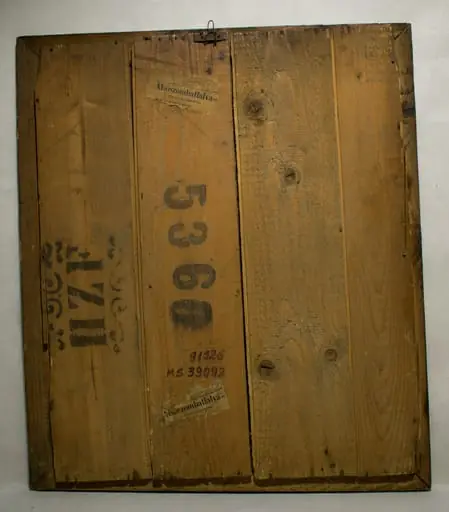 Icoana îi înfățișează pe Arhanghelii Mihail și Gavriil din ușor semiprofil, în picioare, ținând fiecare câte o sabie în mâna dinspre exterior. Mihail ține în mâna stângă un potir ridicat, iar Gavriil cumpăna(în iconografie și sabia și balanța fac parte dintre atributele arhanghelului Mihail). Amândoi sunt redați tineri, cu plete lungi, negre, fără barbă. Arhanghelul Mihail este înveșmântat militar, Arhanghelul Gavriil poartă veșminte lungi, în aceleași culori, decorate pe poale cu motiv fitomorf. Redați înaripați, în jurul capului au nimburi aurite, cu o porțiune incandescentă în jur.Plasați deasupra unor nori albi. Câmp albastru ultramarin, înstelat și decorat cu flori albe punctiforme. În planul doi o construcție cu elemente din arhitectura locală redate în stilul specific.Lateral și superior compoziția este încadrată de câte o ghirlandă din semicercuri duble hașurate. Paleta cromatică este armonioasă, dominată de roșu și bleumarin. Rama alcătuită din patru stinghii drepte, îmbinate oblic la colțuri, decorate vag cu un motiv vălurit dispus longitudinal. Dosul este relizat din scândură subțire de brad, dispusă orizontal.